 GST : 24AACCE7299J1Z8
 4.5/5
4.5/5
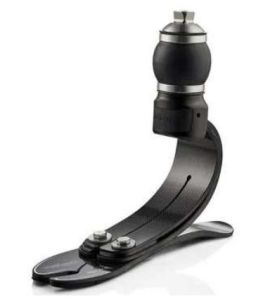
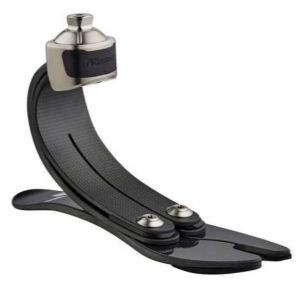
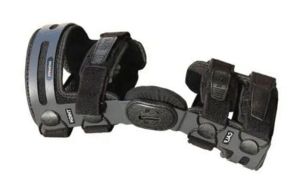
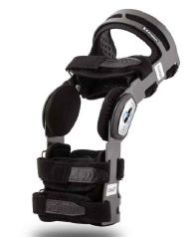
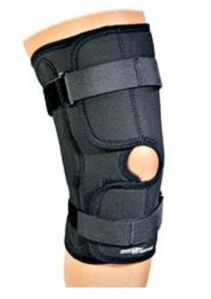
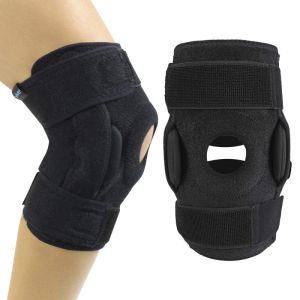
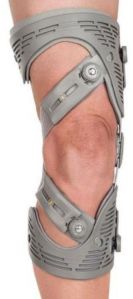
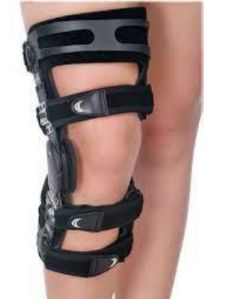
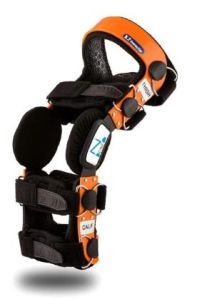
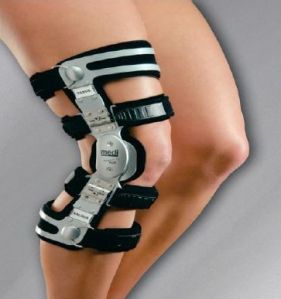
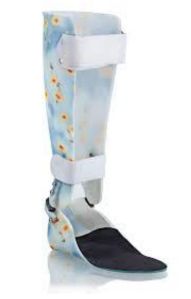
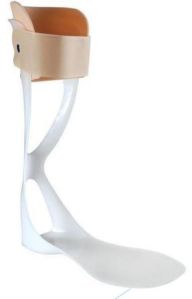
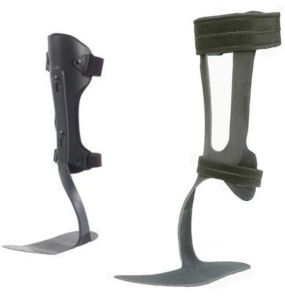
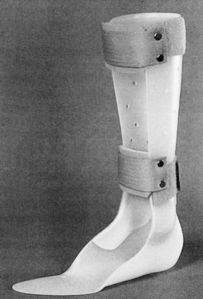
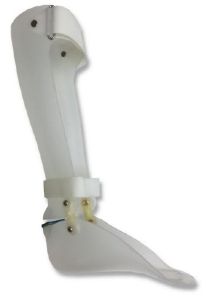
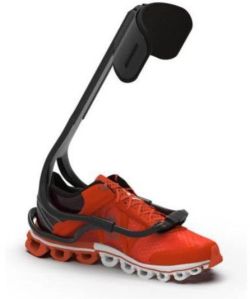
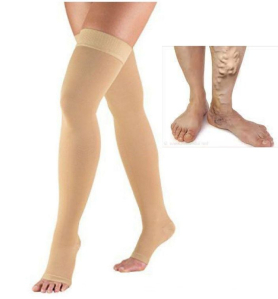
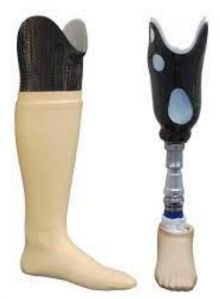
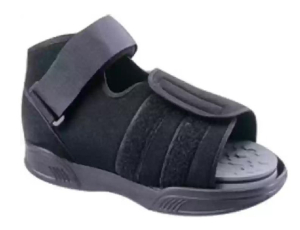
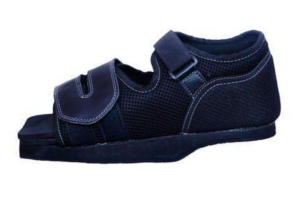
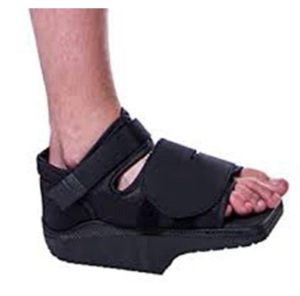
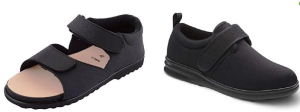
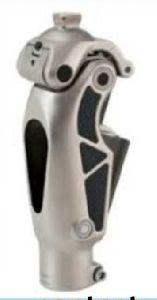
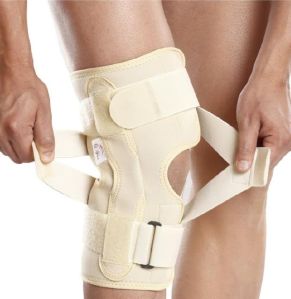
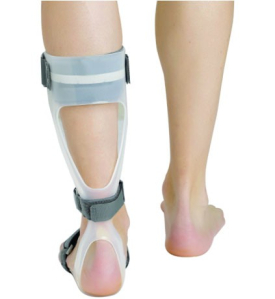
We are leading name engaged as Manufacturer, Exporter, Supplier, Retailer, Trader, Distributor, Importer, Buying House and Service Provider of wide range of Ankle Foot Orthosis, Chopart Foot Plates, Diabetic Care Shoes, Foot Orthosis and Knee Braces etc...

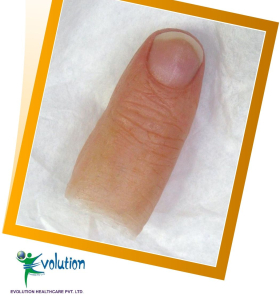
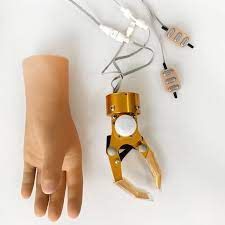
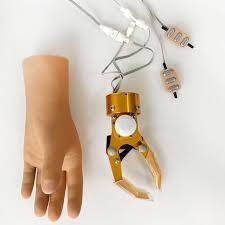
A myoelectric hand is a type of prosthetic hand that is controlled by the electrical signals generated by muscles in the residual limb. It is designed to restore functional movement for individuals who have lost a hand due to injury, amputation, or congenital conditions. How a Myoelectric Hand Works Electromyographic (EMG) Sensors: Small sensors placed on the skin detect electrical signals from muscles in the residual limb. Signal Processing Unit: Converts the detected muscle signals into commands. Motors and Actuators: Translate the commands into movements like gripping, pinching, and wrist rotation. Power Source: Usually powered by rechargeable lithium-ion batteries. Features of a Myoelectric Hand Natural Movements: Allows for different types of grips (e.g., precision grip, power grip, key grip). Multiple Degrees of Freedom: Advanced models can move individual fingers and rotate the wrist. Customizable Control: Can be programmed to adapt to the user’s muscle signals and preferences. Aesthetic Design: Often designed to look like a real hand, with silicone covers resembling human skin. Advantages ✔️ Provides better control and functionality than mechanical prosthetics. ✔️ Reduces strain on the opposite hand by allowing more natural movements. ✔️ Can be used for various tasks, from holding objects to using tools.
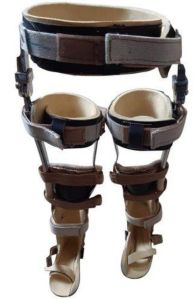
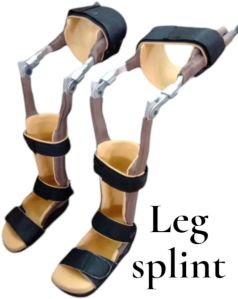
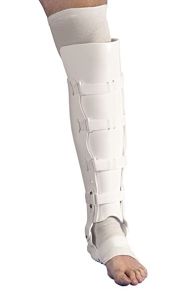
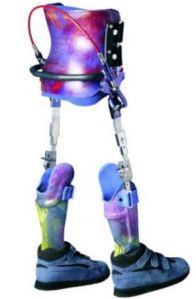
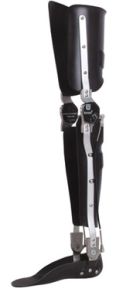
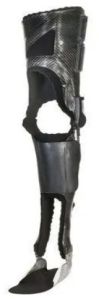
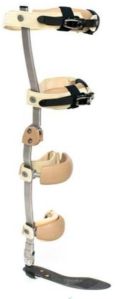
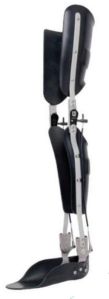
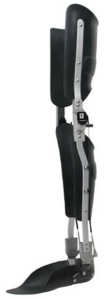
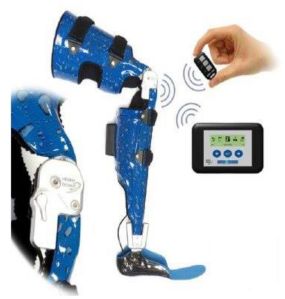
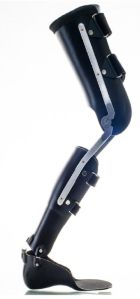
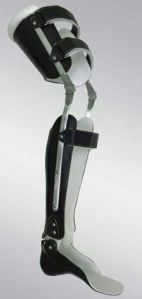
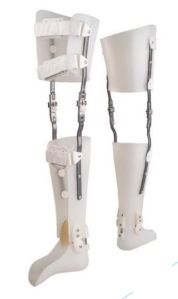
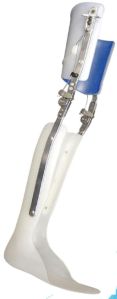
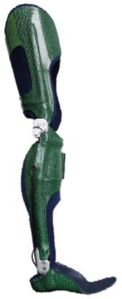
A polio caliper is a specialized orthopedic device used to support and stabilize the legs of individuals who have suffered from poliomyelitis (polio). Polio often results in muscle weakness or paralysis, particularly in the lower limbs, and the caliper helps improve mobility and balance by compensating for this weakness. Key Features of a Polio Caliper: Materials: Typically made from lightweight metals (such as aluminum or steel) and durable plastics to ensure strength and comfort. Structure: Thigh and Calf Supports: Encircle the leg to provide stability. Hinges at the Knee: Allow controlled bending and movement. Ankle Joint or Fixed Footplate: Stabilizes the ankle and foot. Belts and Straps: Used to secure the caliper to the leg snugly. Shoe Integration: Often includes a design that fits into or attaches to custom-made orthopedic shoes. Functions: Provides structural support to weakened or paralyzed muscles. Helps maintain proper posture and alignment. Aids in walking and other mobility tasks. Prevents further deformities caused by muscle imbalance.
 Dr. Dillip Kumar Sahoo (Evolution Health Care Pvt. Ltd.)
 20,sangana society, rander road,near bank of baroda,beside navyug college, Adajan, Surat, Gujarat - 395009, India
 https://www.evolutionhealth.in
 Share us via