Write a Review
Our Products
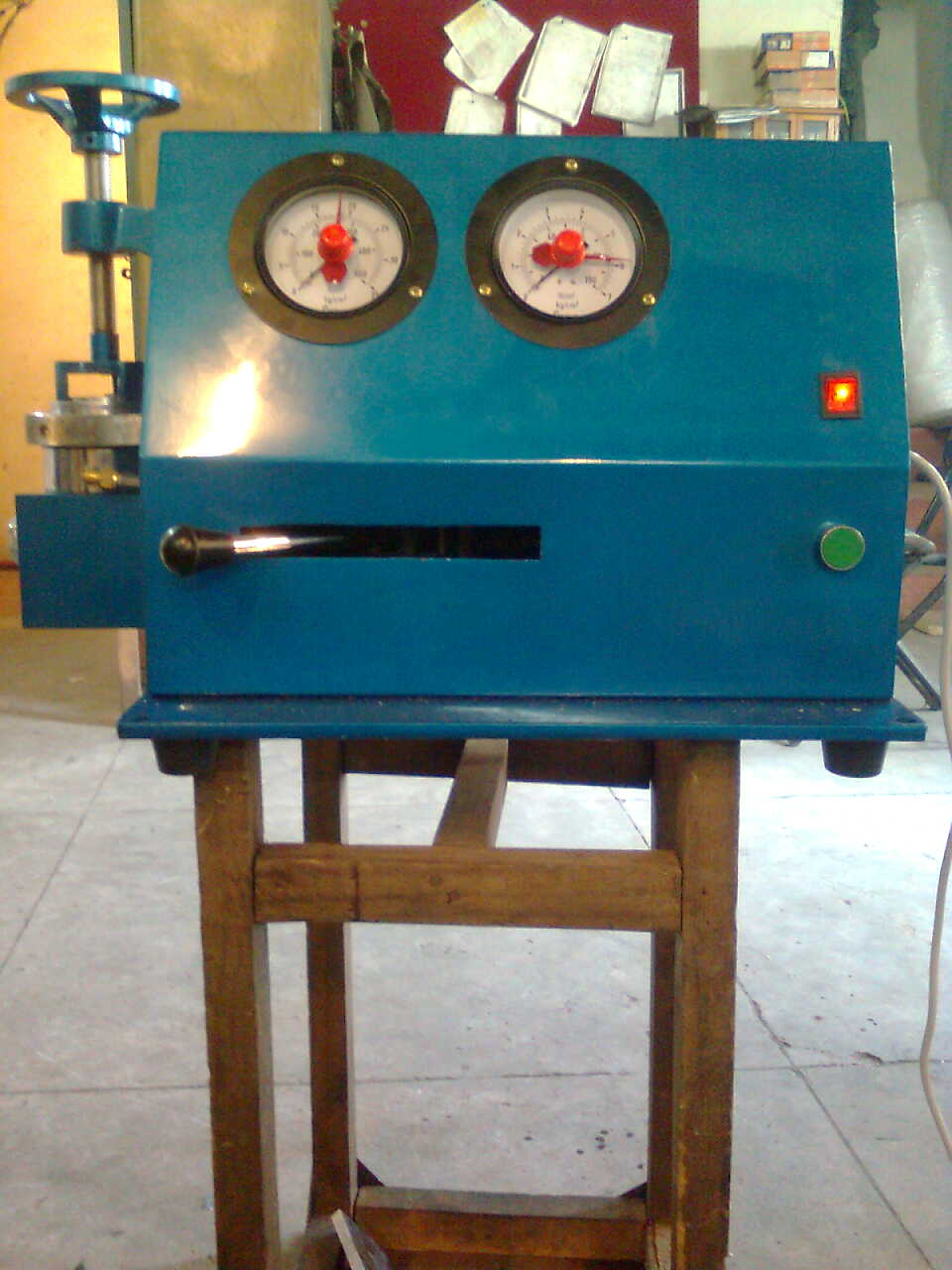
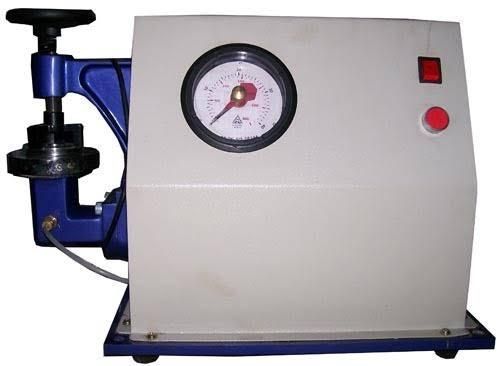
We offer a complete product range of Shoe Flex Tester, Bundesmann Water Repellency Tester, Button Pull Tester, Abrasion Tester and Compression Strength Tester
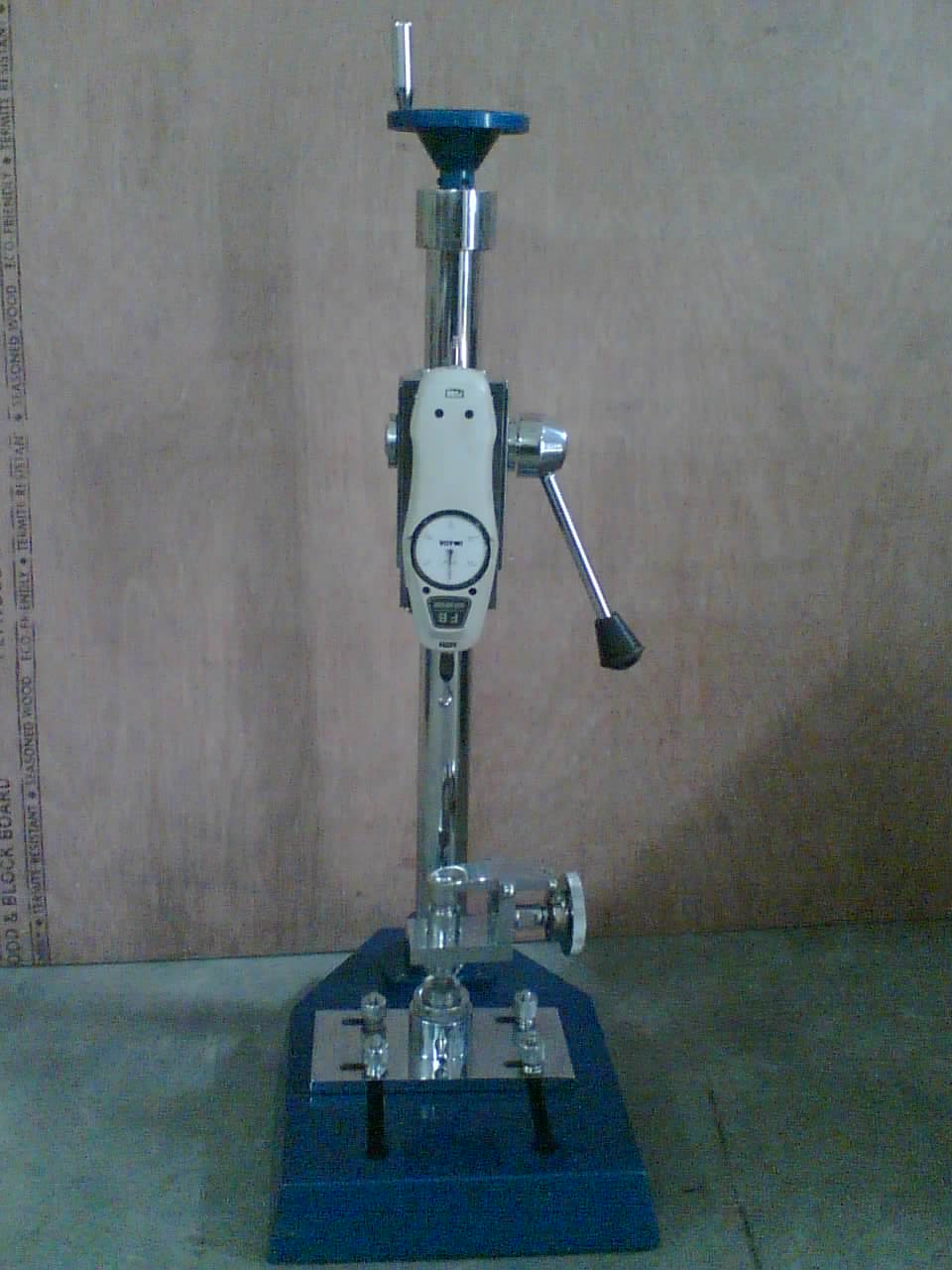
The Assessment of Snap Attachment Strength is An Important Criterion of The textiles Especially in the Design of Garments of Infants So the globe Button snap Pull Tester is Designed to Test the Same. Its User Friendly Equipment to Test snap Strength of Buttons / Rivets/joints to Ensure that It Meets Design tolerance and Safety Levels, Particularly in Baby Clothing and this is also Used To prevent the Separation Between the Snap and the Garment. the Salient Features Are. the Equipment Comprises Of a) Imada Push-pull Force Gauge of 20 Kgf. b) Vertical Stand to Hold the Gauge with Arrangement Ot Change the Position Of gauge. c) Base Which Houses the Frame to Grip the Attachment d) button Pull Fixture Connected with Force Gauge. suitable to Grip Buttons from 5 Mm to 25 Mm. the Needle in the Gauge Stops At the Breaking Load.
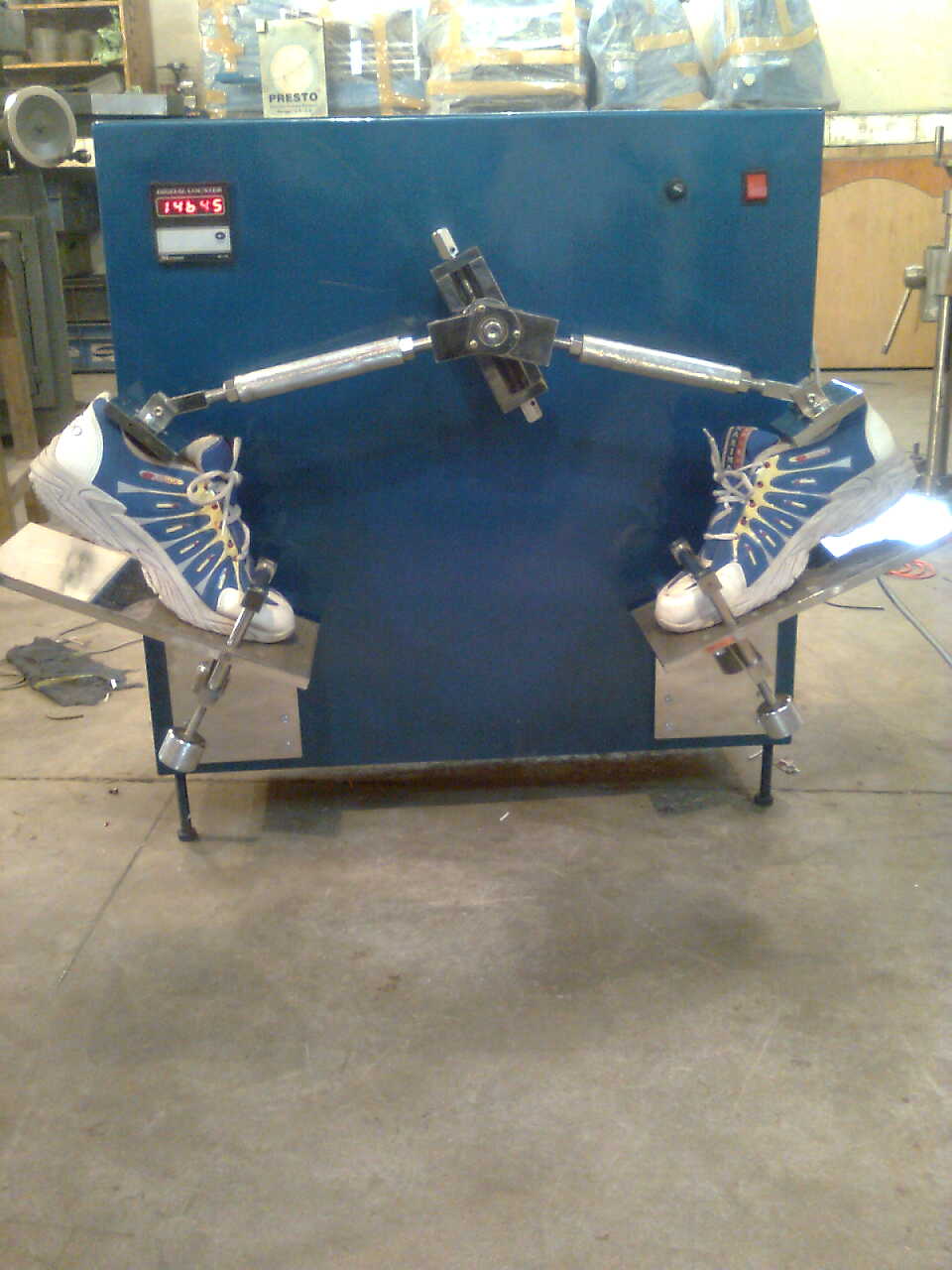
The GLOBE Shoe Flex Tester simulates the effect of actual walking action on the shoe. The test specimen is held rigidly at the toe portion using a suitable toe last and clamp, while the heel portion has a separate last on which the shoe is firmly tied as in actual use. The upper end of the last has an arrangement to connect a suitable link mechanism. The link mechanism is connected to an eccentric pin on a rotating disc to give the link a to and fro movement. Both the eccentricity of the pin in the disc and the length of the link are adjustable to give various angles of deflection of the shoe with respect to the flat portion of the toe which is rigidly held by the clamp. Movement to the rotating disc is given by means of a motor and two stage V belt and pulley arrangement. A digital type pre-set counter with key reset and memory backup is provided to record the total number of test cycles, and also to stop the motor on completion of set number of cycles. The apparatus is finished in shore blue matalic painting and bright chrome plating to give it a corrosion resistant finish. The standard tester is designed to test one pair of shoes at a time. Special models capable of testing two, four, or six pairs of shoes simultaneously are also available
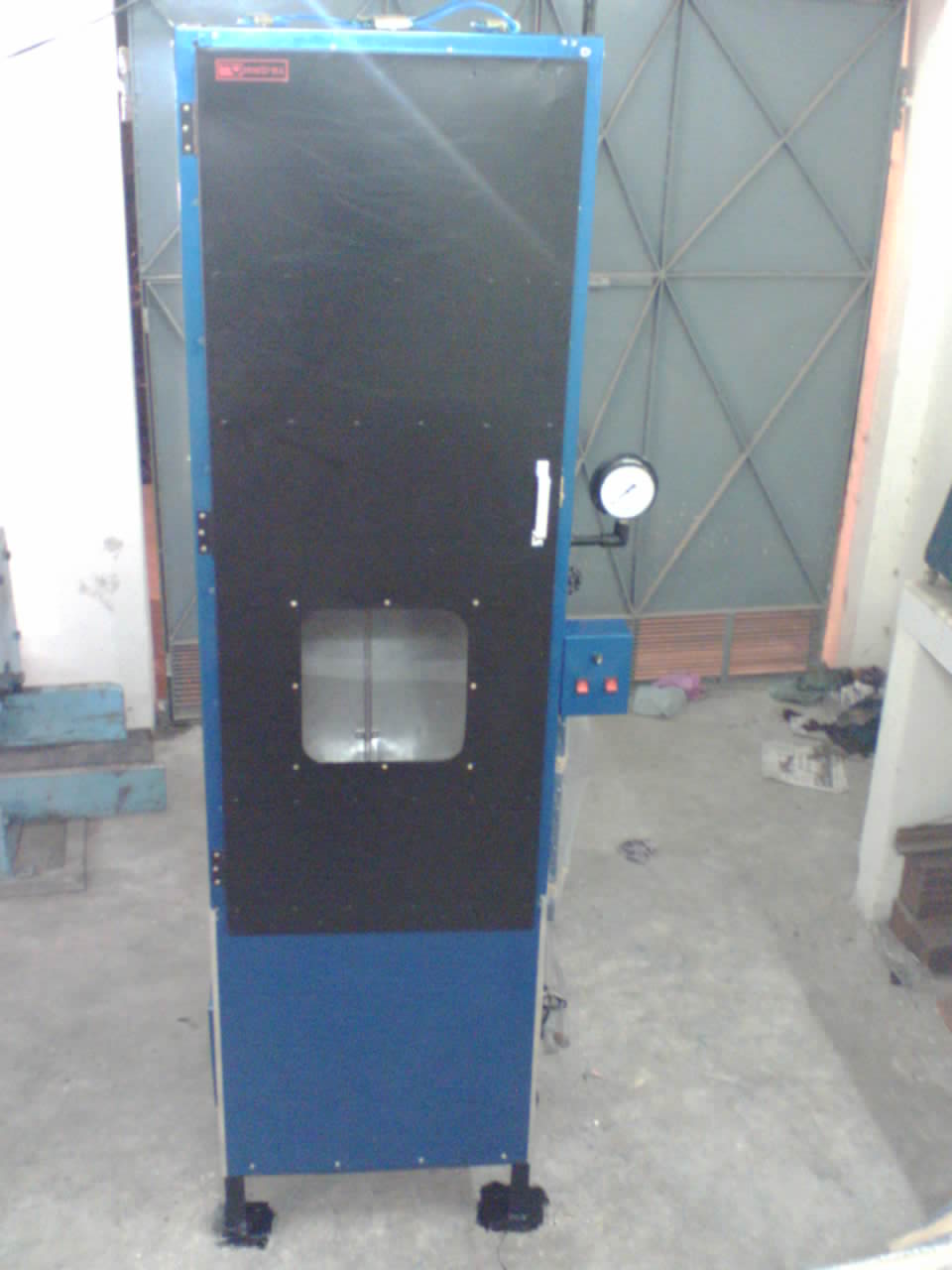
The GLOBE Bundesmann Water Repellency Tester consists of a steel structure with a water collection tank. A cup assembly with specimens is rotated at a specified speed in this tank about a vertical axis with the help of an electric motor and worm reduction gearbox placed underneath the tank. A shower is produced by means of nine brass nozzles. Water jets coming from the nozzles impinge on stainless steel screws fitted on an aluminium plate. The bottom of the screws have countersunk centre to enable drops of the desired size to be formed. The nozzles are fitted on aluminium blocks, which are in turn connected to a closed piping system. Water is supplied to the piping system through an electric pump. A control valve and a pressure gauge are also provided to regulate and indicate pressure in the pipeline. Impinging of water jets on the side of the screws produces a spray. A guard is provided to contain extra spray produced. Water not impinging on the screws is also collected in this tray and drained away from the test cups. This shower arrangement is mounted on the top of the structure to give the specified drop height. Arrangement to collect water and re-circulate it with the help of a pump is also provided. A hinged tray, which can be swung clear during the test, is provided to shield the assembly from shower before and after the test. The cup assembly consists of four aluminium cups, with their axis tilted at 10 to 15 to the vertical, mounted on an aluminium base. Specimen holding rings made of aluminium hold the specimen on to the cups with the help of screwed clamps. Each cup has four wiper blades set perpendicular to each other in form of a cross. The wiper blades are made of stainless steel and are tapered down away from the centre. The abrading face of each blade is cylindrical in shape. The wiper assembly presses against the lower surface of the test specimen with the help of a spring. Arrangement is also made to make the wiper blade assembly oscillate through an angle of 100 four times in every one revolution of the cup assembly.conti
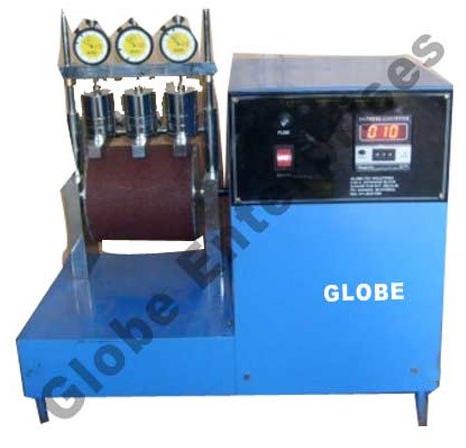
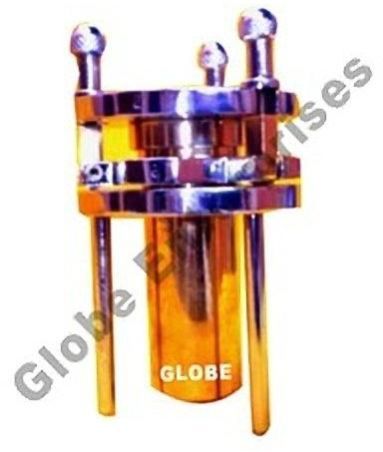
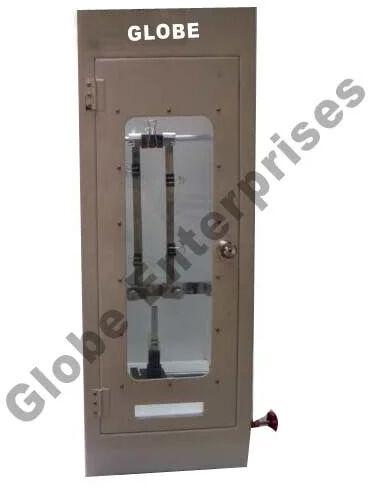
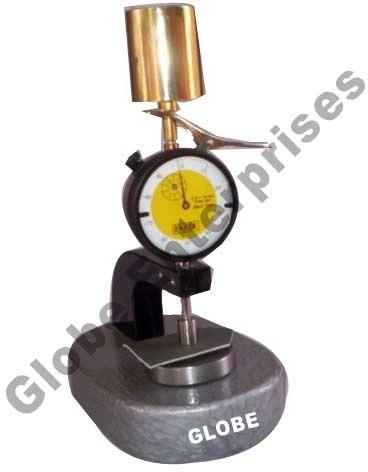
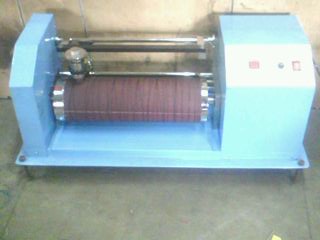
The GLOBE Rotating Drum Abrasion Tester is designed to determine abrasion resistance index of natural and synthetic rubbers in accordance with the above principle. It consists of test specimen holder with a cylindrical opening adjustable between 15.5 and 16.3 mm to clamp the test specimen, with an arrangement to adjust the length of test specimen protruding out.
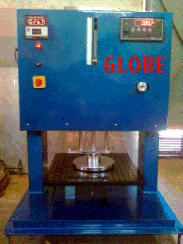
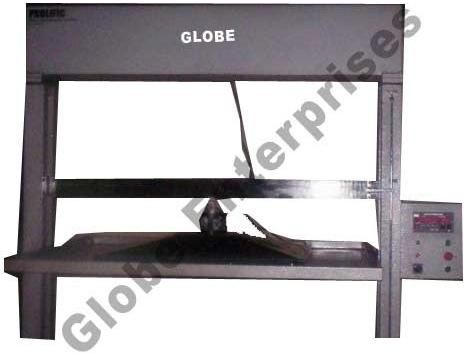
The Globe Indentation Hardness Tester for Polyurethane Foam Consists of a Circular Indentor Which Can Be Pressed Against the Foam Block Under Test, a Motorized Arrangement to Move the Indentor, and a Load Indicating Arrangement to Indicate the Load Being Exerted By the Indentor On the Foam Block At Any Instant. the Indentor is in Shape of a Circular Disc and is Mounted On a Self-aligning Ball Bearing to Ensure that It Sits Parallel to the Surface of the Test Specimen. It is Mounted At the Lower End of a Screw, Which Can Be Raised or Lowered At a Specified Speed with the Help of a Motor and Worm Reduction Gearbox. An Arrangement to Stop the Motor At Extreme Ends of Travel of the Indentor is Provided.
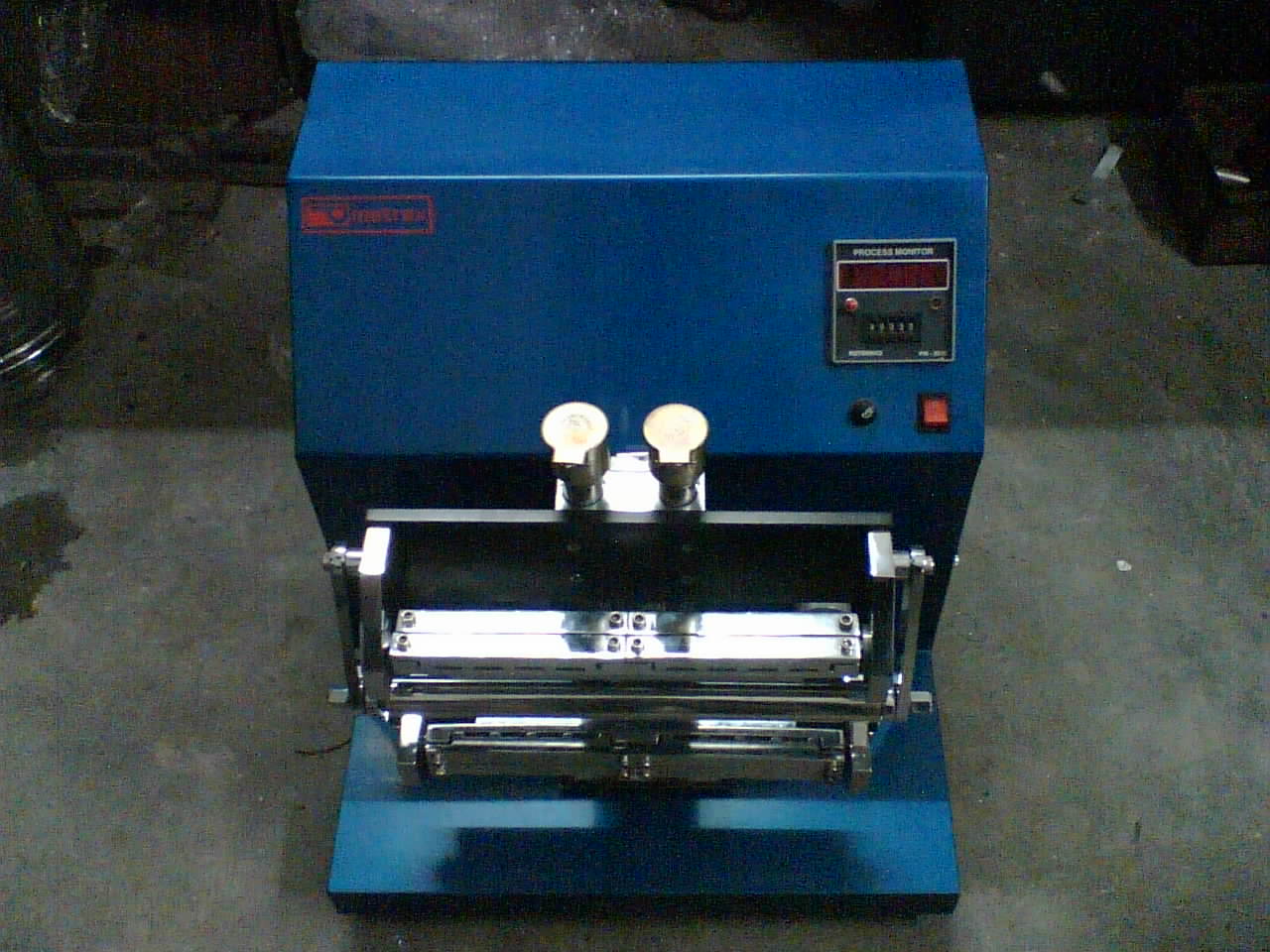
The Globe Bennewart Flex Tester Consists of a Drive Unit Comprising of An Electric Motor with Pulleys and Belts System to Give the Desired Speed to An Eccentric and Link Mechanism to Give An Oscillating Movement to One of the Two Grips Holding the Two Ends of Test Specimens, the other Grip Being Fixed. the Oscillating Grip Has Gun Metal Bushes, Which Slides On Two Hardened and Ground Bearing Steel Rods to Give It a Long Working Life. Each Grip Consists of Swivable Bases Pivoted On Ball Bearings So that the Two Ends of the Test Specimens are Free to Align Themselves with the Natural Contour of the Specimen During Flexing.
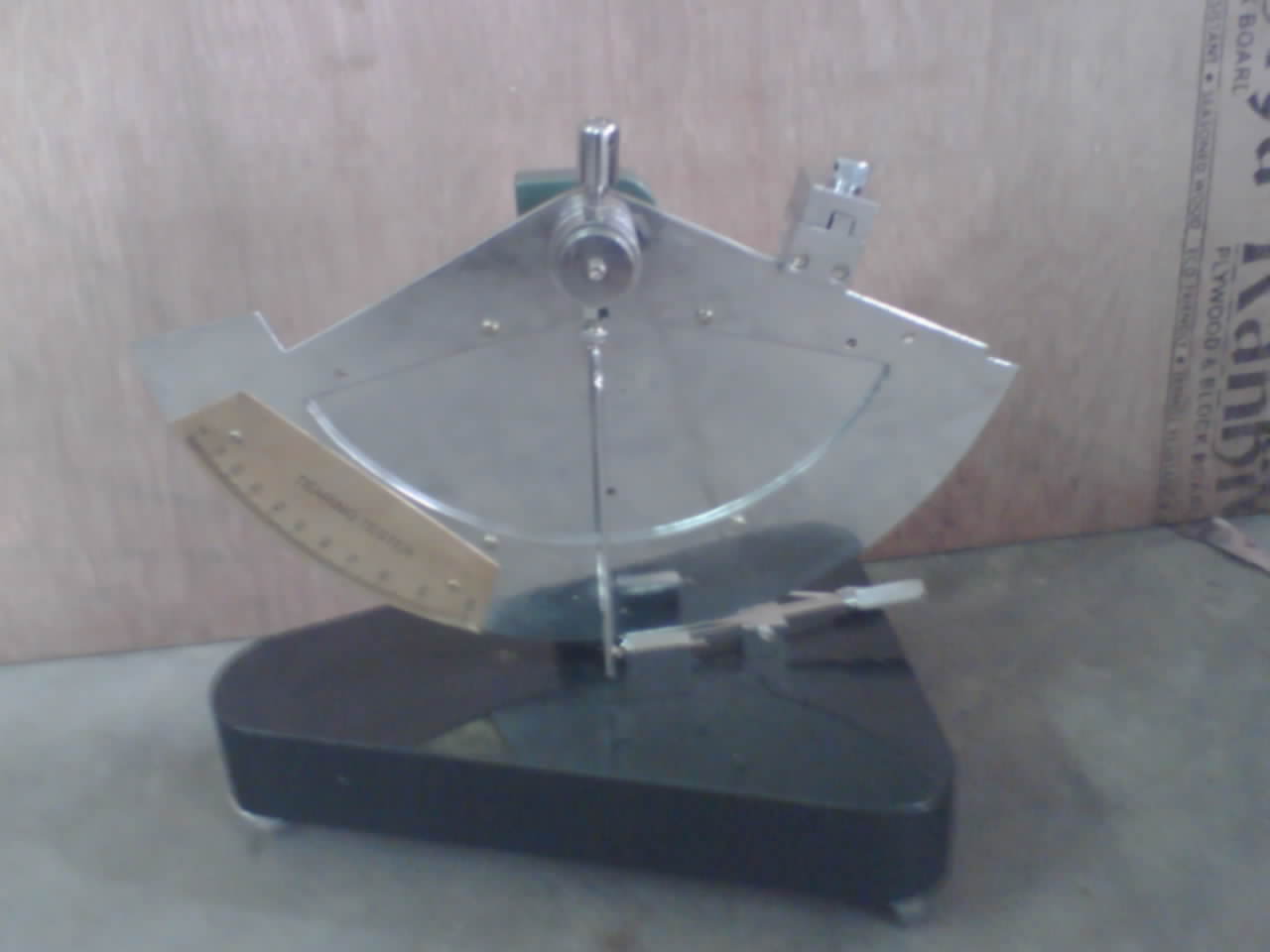
The GLOBE Elmendorf Tear Tester consists of a brass sector pendulum pivoted on low-friction ball bearings over a vertical bracket fixed on a rigid metallic base. The test specimen, in shape of a rectangle, is held between two clamps, one of which is mounted on the pendulum and the other is mounted on the vertical bracket. The clamps are mounted in such a manner that their holding faces are aligned with each other when the pendulum is locked in its raised position. The pendulum is released by lifting a release lever. This action causes the pendulum to fall down under its weight and to tear the test specimen while doing so. The energy absorbed during tearing is indicated on a scale fitted on the pendulum by a low friction pointer pivoted on the axis of the pendulum. An adjustable knife is also mounted on the pendulum support bracket. It is centered between the two clamps and is used for making the initial slit in the test specimen. A check weight is supplied with the tester for verification of the scale. The apparatus is finished in shore blue matalic painting and bright chrome plating to give it a corrosion resistant finish. Augmenting weights for increasing the range of the tester for testing high strength materials are available as optional accessories. Low strength materials can be tested by mounting multiple specimens at the same time.
 Ishamuddin (Globe Enterprises)
 373/7, Mukund Nagar, Industrial Area, Patel Nagar, Ghaziabad, Uttar Pradesh - 201001
 Share us via