My ExportersIndia

For Buyer

For Seller

For Help

Our Products

  1. Pure And Natural Herbs 4 Products available
  2. Aromatic & Essential Oils 2 Products available
  3. Whole Spices 1 Products available
  4. Dry Leaves 1 Products available
  5. Medicinal Plant 1 Products available
  6. Tea 1 Products available
  7. Fragrances And Perfumes 1 Products available
  8. Others Products 2 Products available

Pure And Natural Herbs

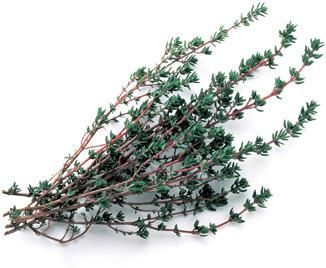
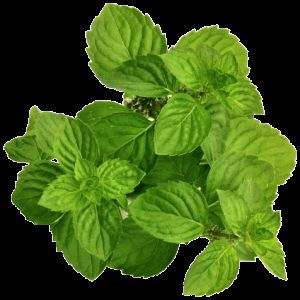
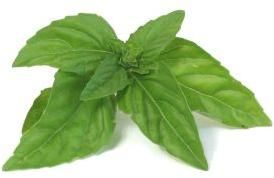
We offer a complete product range of Thyme, Spearmint, Basil, Laurel Leaves and Anise

Thyme

We are offering thyme. Thyme is a culinary and medicinal herb of the genus thymus. ancient egyptians used thyme for embalming. The ancient greeks used it in their baths and burnt it as incense in their temples, believing it was a source of courage. The spread of thyme throughout europe was thought to be due to the romans, as they used it to purify their rooms and to "give an aromatic flavour to cheese and liqueurs". In the european middle ages, the herb was placed beneath pillows to aid sleep and ward off nightmares. In this period, women would also often give knights and warriors gifts that included thyme leaves, as it was believed to bring courage to the bearer. oil of thyme, the essential oil of common thyme (thymus vulgaris), contains 20-54% thymol. an antiseptic, is the main active ingredient in various mouthwashes such as listerine. Before the advent of modern antibiotics, oil of thyme was used to medicate bandages. Thymol has also been shown to be effective against various fungi that commonly infect toenails. Thymol can also be found as the active ingredient in some all-natural, alcohol-free hand sanitizers. a tea made by infusing the herb in water can be used for coughs and bronchitis. Medicinally, thyme is used for respiratory infections in the form of a tincture, tisane, salve, syrup, or by steam inhalation. Because it is antiseptic, thyme boiled in water and cooled is very effective against inflammation of the throat when gargled three times a day, with the inflammation normally disappearing in two to five days. The thymol and other volatile components in the leaf glands are excreted via the lungs, being highly lipid-soluble, where they reduce the viscosity of the mucus and exert their antimicrobial action. Other infections and wounds can be dripped with thyme that has been boiled in water and cooled.

View Complete Details

Spearmint

We are offering spearmint.Mentha spicata syn. M. Cordifolia (spear mint or spearmint) is a species of mint native to much of europe and southwest asia, though its exact natural range is uncertain due to extensive early cultivation. It grows in wet soils. It is an invasive species in the great lakes region where it was first sighted in 1843, although it is grown widely across northern indiana. It is a herbaceous rhizomatous perennial plant growing 30100 cm tall, with variably hairless to hairy stems and foliage, and a wide-spreading fleshy underground rhizome. The leaves are 59 cm long and 1.53 cm broad, with a serrated margin. The stem is square-shaped, a trademark of the mint family of herbs. Spearmint produces flowers in slender spikes, each flower pink or white, 2.53 mm long and broad. Health effectsrecent research has shown that spearmint tea may be used as a treatment for hirsutism in women. Its anti-androgenic properties reduce the level of free testosterone in the blood, while leaving total testosterone and dhea unaffected. It can also be used to treat a variety of digestive ailments, including stomachache and gas. spearmint has been studied for antifungal activity; its essential oil was found to have some antifungal activity, although less than oregano. Its essential oil did not show any evidence of mutagenicity in the ames test. It can have a calming effect when used for insomnia or massages. spearmint has also been described as having excellent antioxidant activity; its antioxidant activity was found to be comparable to the synthetic bht. Due both to its antioxidant activity and its common use to season lamb in indian cuisine, it has been studied as an additive to radiation-processed lamb meat, and was found effective in delaying oxidation of fats and reducing formation of harmful substances, which can be detected using thiobarbituric acid as a reagent
View Complete Details

Basil

We are offering Basil.The word basil comes from the Greek (basileus), meaning "king", as it is believed to have grown above the spot where St. Constantine and his mother St. Helen discovered the Holy Cross. The Oxford English Dictionary quotes speculations that basil may have been used in "some royal unguent, bath, or medicine". Basil is still considered the "king of herbs" by many cookery authors. Recently, there has been much research into the health benefits conferred by the essential oils found in basil. Scientific studies in vitro have established that compounds in basil oil have potent antioxidant, antiviral, and antimicrobial properties, and potential for use in treating cancer. In addition, basil has been shown to decrease the occurrence of platelet aggregation and experimental thrombus in mice. It is traditionally used for supplementary treatment of stress, asthma and diabetes in India.
View Complete Details

Laurel Leaves

We are offering laurel leaves.This plant is also known as bay leaf and shares its common name with other species (cherry laurel, mountain laurel, and sheep laurel), it is not related to these poisonous-leaved plants. laurel has given its name to the laurel family of plants (lauraceae). Within this family of over 2000 species are a number of aromatic plants, including sassafras, spice-bush, cinnamon-tree, and camphor-tree. The avocado, with its anise-scented fruits, is also a member of lauraceae. Besides its use as a spice in cooking, laurel has a long history of use by people. The leaves contain an essential oil used in perfumery. The fruits contain lipids that are made into laurel butter which is used in human and veterinary medicine as laurin ointment, and as a sweat-inducing ingredient in aromatic baths. The fruits can be distilled to make a liqueur called fioravanti. Probably the most fascinating aspect of laurel is its historical significance as an illustrious and symbolic plant. In ancient greece laurel was sacred to apollo and, as such, was used to form a crown or wreath of honor for heroes, scholars, and poets (apollo was the god of poets). Laurel became the symbol of triumph in rome as well as in greece. The term "laureate" derives from this tradition. In england the word laureate came to signify eminent. "poet laureate" arose in england as a position of poet to the royal household beginning with charles I in 1617. Some believe that "bacca-laureate", the name for the university degree of bachelor, owes its origin to this revered plant.
View Complete Details
Tell Us What are you looking for? Will call you back

Contact Us