Write a Review
Our Products
We offer a complete product range of White Sugar
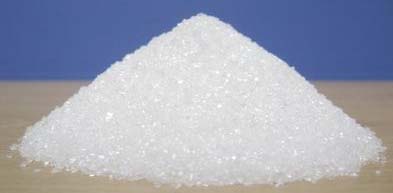
Sugaris the generic name for sweet, solublecarbohydrates, many of which are used in food. There are various types of sugar derived from different sources. Simple sugars are calledmonosaccharidesand includeglucose(also known as dextrose), fructose, andgalactose. The "table sugar" or "granulated sugar" most customarily used as food issucrose, adisaccharideof glucose and fructose. Sugar is used in prepared foods (e.g., cookiesandcakes) and it is added to some foods and beverages (e.g., coffeeandtea). In the body, sucrose is hydrolysed into the simple sugars fructose and glucose. Other disaccharides includemaltosefrommaltedgrain, andlactosefrommilk. Longer chains of sugars are calledoligosaccharidesorpolysaccharides. Some other chemical substances, such asglycerolmay also have a sweet taste, but are not classified as sugars.Low-caloriefood substitutes for sugar, described asartificial sweeteners, includeaspartameandsucralose, a chlorinated derivative of sucrose.
Sugars are found in the tissues of most plants and are present insugarcaneandsugar beetin sufficient concentrations for efficient commercial extraction. The world production of sugar in 2011 was about 168 million tonnes. The average person consumes about 24 kilograms (53lb) of sugar each year (33.1kg inindustrialized countries), equivalent to over 260 food calories per person, per day. Since the latter part of the twentieth century, it has been questioned whether a diet high in sugars, especially refined sugars, is good for human health. Over-consumption of sugar has been implicated in the occurrence ofobesity, diabetes, cardiovascular disease, dementia, andtooth decay. Numerous studies have been undertaken to try to clarify the position, but with varying results, mainly because of the difficulty of finding populations for use as controls that do not consume or are largely free of any sugar consumption.
 GSD EXPORTS (GSD EXPORTS)
 MARIAMMAN KOVIL STREET C.C.C.QUARRY,ALAMBADI MINES(POST) GUZILIYAMPARAI(VIA), Vedasandur, Dindigul, Tamil Nadu
 Share us via