 GST : 27AZOPP7020Q1ZK
 4.5/5
4.5/5
Our Products
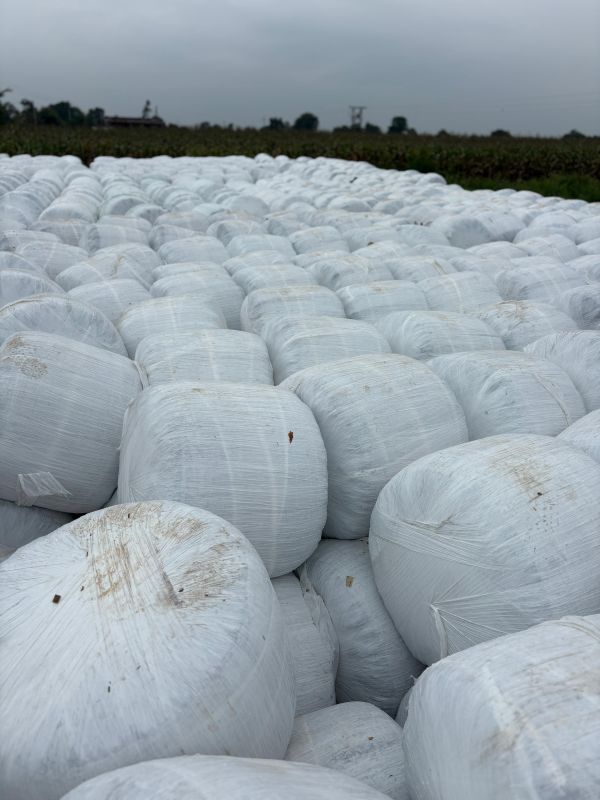
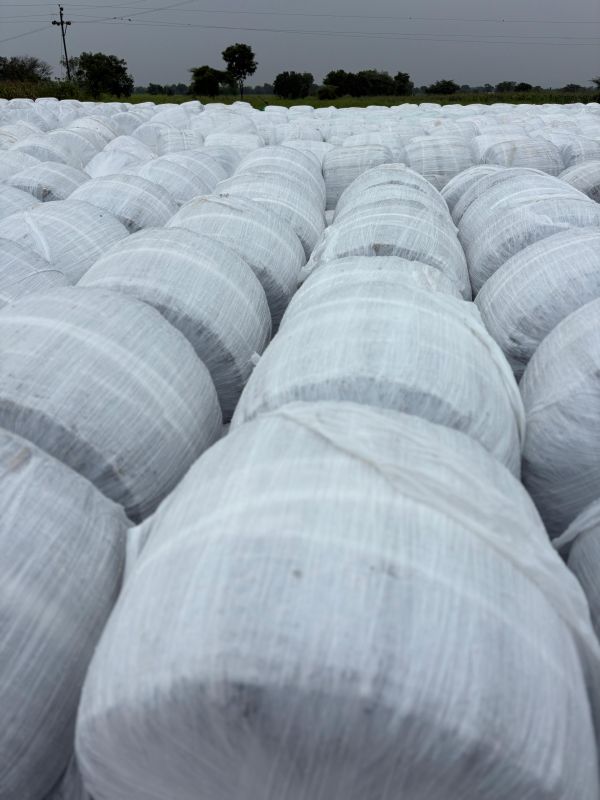
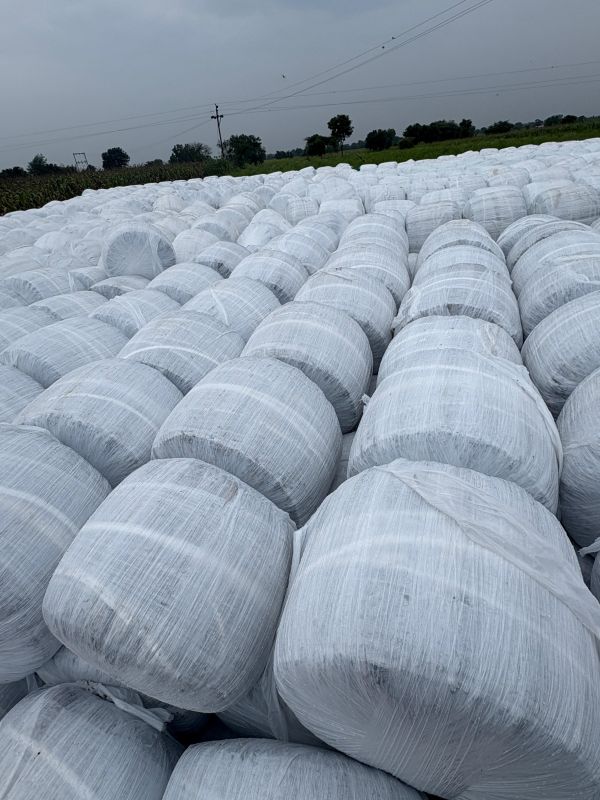
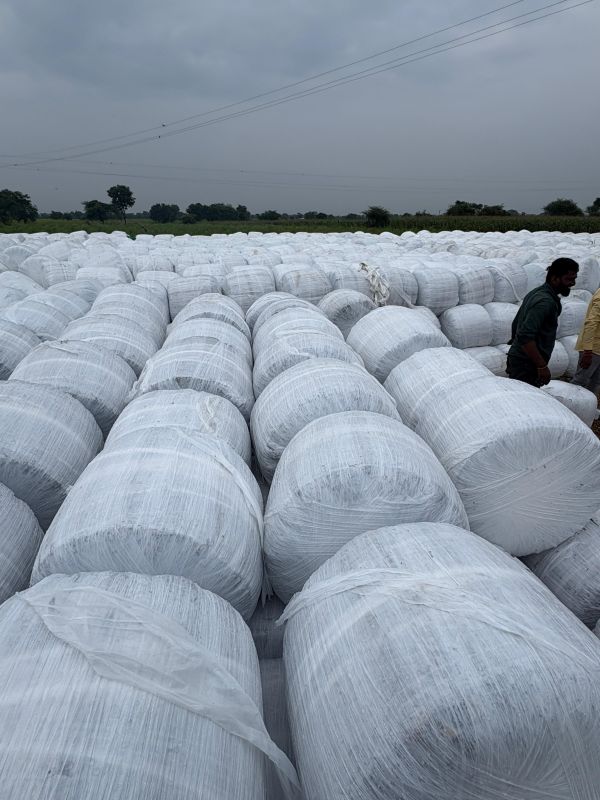
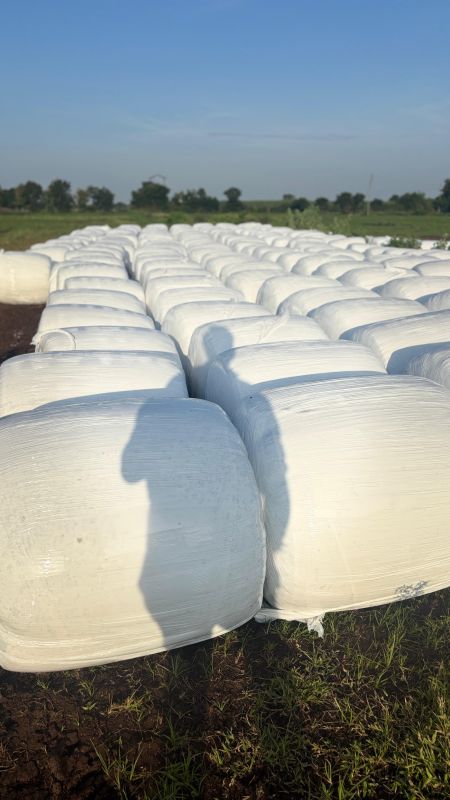
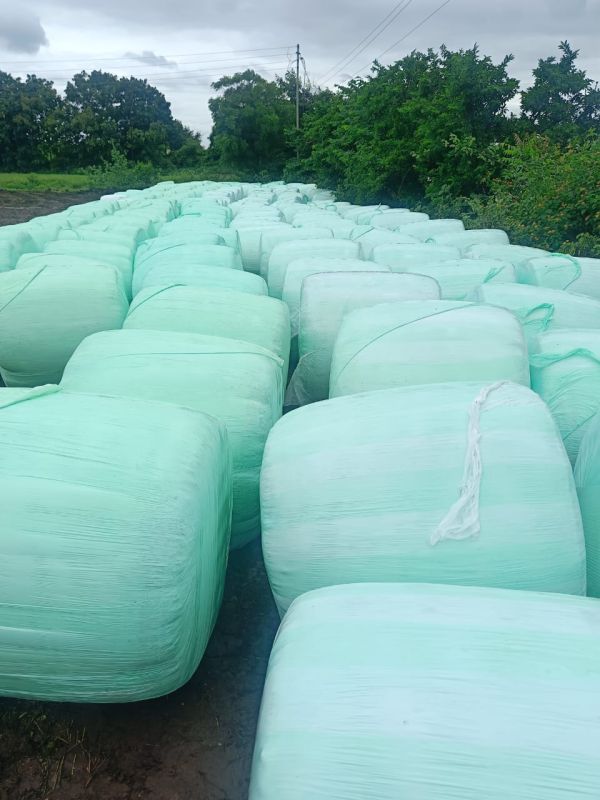
We offer the best product range of Corn Silage and MAIZE SILAGE.
Corn silage is a type of preserved forage made from whole corn plants—including the stalk, leaves, cobs, and kernels—that are chopped, packed tightly, and fermented. It's a staple feed for ruminant livestock like dairy cows and beef cattle due to its high energy content and digestibility.
Overview:| Plant used | Whole corn plant at the milk to dough stage of maturity |
| Preservation method | Anaerobic fermentation (silage process) |
| Nutritional value | High in energy, fiber, and fermented sugars |
| Moisture content | Typically 60-70% moisture |
| Feeding | Common in dairy and beef operations |
High yield per acre
Energy-dense: especially important for high-producing dairy cows
Good palatability: animals generally eat it readily
Storage efficiency: compact and long-lasting when stored properly
Harvesting:
Done when corn is at 60–70% moisture (milk to early dent stage)
Ensures proper sugar levels for fermentation
Chopping:
Particle size: to ¾ inch
Fine enough to pack tightly, coarse enough for rumen function
Packing:
Exclude as much oxygen as possible
Prevents spoilage and promotes anaerobic fermentation
Covering:
Use plastic sheeting or silage covers
Weigh down to prevent air and moisture infiltration
Fermentation:
2–3 weeks of anaerobic bacterial activity
Converts sugars into lactic acid, lowering pH (3.8–4.2)
Feeding:
After fermentation is complete
Remove daily feed face to minimize spoilage
| Dry Matter | 30–35% |
| Crude Protein | 7–9% |
| NDF (Fiber) | 40–50% |
| Starch | 25–35% |
| TDN (Energy) | 65–75% |
Values vary depending on hybrid, harvest stage, and management.
Additional Information:
Payment Terms : L/C, D/P, T/T
Packaging Details : 100 kg and 400 kg
Delivery Time : immediate
Corn silage is a type of preserved forage made from whole corn plants—including the stalk, leaves, cobs, and kernels—that are chopped, packed tightly, and fermented. It's a staple feed for ruminant livestock like dairy cows and beef cattle due to its high energy content and digestibility.
Overview:| Plant used | Whole corn plant at the milk to dough stage of maturity |
| Preservation method | Anaerobic fermentation (silage process) |
| Nutritional value | High in energy, fiber, and fermented sugars |
| Moisture content | Typically 60-70% moisture |
| Feeding | Common in dairy and beef operations |
High yield per acre
Energy-dense: especially important for high-producing dairy cows
Good palatability: animals generally eat it readily
Storage efficiency: compact and long-lasting when stored properly
Harvesting:
Done when corn is at 60–70% moisture (milk to early dent stage)
Ensures proper sugar levels for fermentation
Chopping:
Particle size: to ¾ inch
Fine enough to pack tightly, coarse enough for rumen function
Packing:
Exclude as much oxygen as possible
Prevents spoilage and promotes anaerobic fermentation
Covering:
Use plastic sheeting or silage covers
Weigh down to prevent air and moisture infiltration
Fermentation:
2–3 weeks of anaerobic bacterial activity
Converts sugars into lactic acid, lowering pH (3.8–4.2)
Feeding:
After fermentation is complete
Remove daily feed face to minimize spoilage
| Dry Matter | 30–35% |
| Crude Protein | 7–9% |
| NDF (Fiber) | 40–50% |
| Starch | 25–35% |
| TDN (Energy) | 65–75% |
Additional Information:
Payment Terms : L/C, D/A, D/P, T/T
Packaging Details : 100 kg and 400 kg
Delivery Time : immediate
 Mr. Hardik Navneet Patel (Hardik International)
 B-2, Golden Palace, Rajiv Nagar, Nashik, Maharashtra - 400009, India
 https://www.hardikinternational.in
 Share us via