Our offering
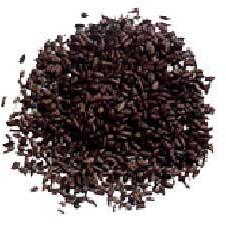
Cassia Tora Linn is extremely useful in terms of its medicinal properties. It has got a high ranking not only in Ayurveda but is used and taken widely in various other cultures and countries. The seeds, ground with sour buttermilk, are used to ease the irritation of itchy eruptions. Seeds are sometimes employed as a substitute for coffee and also in adulterating it. In India the seeds are used in dyeing and along with indigo.
Common name - Pawad, foetid cassia, andadasi-nga-dadakkel, balatong-aso
Scientific Name Herb description - A stout, erect, smooth and rank-smelling herb
- Half-woody annual which is one meter or less in height
- The leaves are 8 to 12 centimeters long and pinnately compound with 6 leaflets
- The leaves are furnished with glands on the main rachis between the leaflets
- The leaflets are obovate to oblong-obovate and 2 to 5 centimeters long
- The flowers are crowded, in pairs, in the axils of the upper leaves
- The pods are slender, up to 15 centimeters long, and 3 to 4 millimeters thick
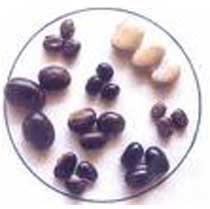
- The seeds are flattened in the same direction as the pod
Chemical composition - The leaves have the following percentage composition: water
- 72.2 percent; petroleum ether extract
- 9.75 per cent; ether extract
- 0.86 per cent; absolute alcohol extract
- 1.63 per cent; watery extract, 20 per cent
- These solutions are precipitated by hydrochloric acid
- The precipitate has a close analogy to chrysophanic acid
- Emodin C15H10O5) is trioxymethyllanthraquinone and chrysophanic acid dioxymethyllanthraquinone
- Distinguished by its insolubility in benzene
- The seeds contain phytosterine and glucosenine
Usage - As a remedy for ringworm and scabies
- In the form of paste, with limejuice, for ringworm
- Prescribed in the form of decoction for children while teething
- As a poultice or hasten suppuration
- As a mild purgative or as a cure for coughs
- For dysentery and ophthalmia
Chemical Composition The leaves have the following percentage composition: water, 72.2 percent; petroleum ether extract, 9.75 per cent; ether extract, 0.86 per cent; absolute alcohol extract, 1.63 per cent; watery extract, 20 per cent. The ethereal extract and the alcoholic extract contain a glucoside substance of a yellow color insoluble in water, but soluble in alcohol and in water solutions of potash, in which cases it assumes a blood-red color. These solutions are precipitated by hydrochloric acid. The precipitate has a close analogy to chrysophanic acid, . Emodin(C15H10O5)is trioxymethyllanthraquinone and chrysophanic acid dioxymethyllanthraquinone.The medicinal properties of the plant are due to the presence of emodin.Chrysophanic acid is most of its properties, but may be distinguished by its insolubility in benzene, and greater solubility in ether alcohol.The seeds contain phytosterine and glucosenine.

 Write a Review
 Ashish Agrawal (Jagannath & Sons)
 Arun Kutter Indra Colony, Shivpuri, Madhya Pradesh - 473551
 Share us via