Our Services
Our Complete range of products are Import Export License, Ready Mix Concrete Consultancy, Ready Mix Concrete (Rmc Plant) Consultancy, Rdso Approval Service and Rdso Registration Consultant.
-1716206194-7437578.jpeg "Gpcb Registration Service")
1. Consent to Establish (CTE) / No Objection Certificate (NOC) from State Pollution Control Board,
2. Consent to Operate (CTO) / Consolidated Consent and Authorization (CC&A)from State Pollution Control Board,
3. Baseline Environment Study,
4. Environmental Statement (Form-V),
5. Hazardous Waste Returns (Form-IV),
6. Monthly Patrak (Online Data Management),
7. Compliance Report preparation for EC, CTE & CTO
Query Reply
8. Reply for Closure Revocation
9. Compliance of Environment Management System requirements
10. Other techno-legal advice for effective compliance of statutory requirements by GPCB
We are dealing in IAS, UAF, EGYPT, IMC Accredited
rnrnWe provide all other management and product certifications like
rnISO 9001, ISO 14001, ISO 45001, ISO 13485, ISO 16603, ISO 20000, ISO 27001, ISO 22000, ISO 29990, ISO 50001
rnrnEN, IEC, HACCP, HALAL, FSSC 22000,
rnKOSHER, Sedex, GMP, GDP, CMMI, CE Marking, RoHS, BIS, CRS, WPC Etc
rnrnISO mainly focuses on quality due to this it meets the customer requirements. ISO 9001 belongs to the family of ISO 9000. In the World, the ISO 9001 Standard is a widely used management system
RDSO vendor approval is a certification process conducted by the Research Design and Standards Organisation to ensure that vendors supplying products or services to Indian Railways meet the required standards of quality, reliability, and safety
We are Consulting for Product Approval from
1. Railways Zone Wise
2. BLW (Benaras Locomotive Works) Indian Railways
3. CLW (Chittaranjan Locomotive Works) Indian Railways
4. RCF (Rail Coach Factory, Kapurthala)
5. MCF (Modern Coach Factory) Indian Railways
6. CORE (Central Organization for Railway Electrification)
7. ICF (Integral Coach Factory) Indian Railways
A CGWA NOC, or No Objection Certificate from the Central Ground Water Authority, is a mandatory permission required to extract groundwater for industrial use or for infrastructure projects in India. It essentially allows commercial entities to use groundwater from borewells and other sources, provided no other water sources are available.
An Extended Producer Responsibility (EPR) certificate is essential in India for several reasons, as it plays a crucial role in promoting environmental sustainability and responsible waste management practices. The importance of EPR certification can besummarized as follows:
Environmental Conservation:EPR certification is vital for environmental conservation as it encourages businesses to take responsibility for their products throughout their entire lifecycle, from manufacturing to disposal. This helps in reducing the environmental impact of products and waste.
Waste Reduction:EPR focuses on reducing waste generation by promoting recycling, reuse, and responsible disposal of products. This is critical in a country like India, where waste management is a significant challenge.
Legal Compliance:In India, EPR is mandatory for specific industries as per the E-Waste (Management) Rules, 2016. Failing to obtain EPR certification and comply with the rules can lead to legal consequences and penalties.
Public Health:Proper disposal and management of products like electronic waste (e-waste) and packaging materials are essential for public health. Inadequate disposal can lead to environmental contamination and health hazards.
Resource Conservation:EPR encourages businesses to optimize resource use, promote recycling, and reduce the consumption of virgin materials, which can lead to resource conservation and cost savings.
Industries That Need EPR Certification Most in India
Several industries in India are required to obtain EPR certification due to the nature of their products and the potential environmental impact. The industries that typically need EPR certification most include:
Electronic and Electrical Equipment:The electronics industry generates significant e-waste, making EPR crucial for responsible disposal and recycling.
Packaging Industry:This includes companies involved in the manufacturing and use of packaging materials like plastics, glass, and paper.
Batteries:Battery manufacturers and importers must adhere to EPR regulations to ensure proper disposal and recycling.
Automobiles:The automotive industry is subject to EPR requirements, particularly for end-of-life vehicle recycling.
Pharmaceuticals:The pharmaceutical industry is responsible for the proper disposal of expired and unused medicines and packaging materials.
Consumer Goods:Manufacturers and importers of consumer products like appliances and packaged goods must comply with EPR rules.
Fast-Moving Consumer Goods (FMCG):This industry generates packaging waste, making EPR essential for responsible waste management.
Pesticides and Chemicals:Manufacturers of pesticides and chemicals are required to handle the disposal of hazardous waste responsibly.
Tyres:The tire industry needs to ensure proper disposal and recycling of used tires.
Its important for businesses in these industries to understand their EPR obligations, obtain the necessary certifications, and implement effective waste management practices to protect the environment and comply with Indian regulations.
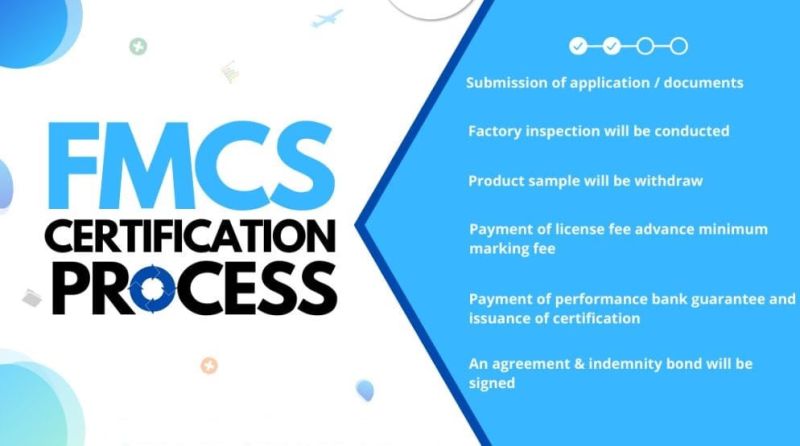
The FMCS (Foreign Manufacturer Certification Scheme) certification is a program initiated by the Bureau of Indian Standards (BIS) to ensure the quality and compliance of products manufactured by foreign manufacturers for the Indian market. Under this scheme, foreign manufacturers can obtain BIS certification for their products, demonstrating conformity with Indian standards.The Importance of FMCS Certification
Market Access:
FMCS certification is crucial for foreign manufacturers seeking to access the Indian market. Its a prerequisite for legally selling products in India.
Quality Assurance:It serves as a mark of quality and compliance, assuring Indian consumers that the products meet the prescribed standards.
Step-by-Step Guide to FMCS Certification in India
1. The application form will be duly filed accompanied by the required documents.
2. Along with form submission, a requisite fee will be paid, then a factory inspection will be conducted to verify the manufacturing and testing infrastructure.
3. During factory inspection, the sample of a product will be drawn for independent testing.
4. Once the inspection and independent test report verify that the product is complying with the BIS standards, the registration process will move forward.
5. Before the grant of a license, the applicant has to pay the license fee, advance minimum marking fee.
6. After making payments, the Agreement, Indemnity Bond will be signed and a $10, 000 (USD) Performance Bank Guarantee must be furnished instantly after a grant of license.
7. The FMCS certificate will be issued if a product complies with the BIS standards

CLRA registration, which stands for Contract Labour (Regulation and Abolition) Act registration, is a mandatory process for employers and contractors employing contract labour in India. This registration ensures compliance with the provisions of the Contract Labour (Regulation and Abolition) Act, 1970. The Act aims to regulate the employment of contract labour, protect their rights, and provide for their welfare
The Bureau of Indian Standards (BIS) is a national standards body in India that develops and promotes standards for various products and services to ensure quality, safety, and reliability. BIS certification is a process by which products are tested and certified to meet the specified Indian standards. It is mandatory for certain products to have a BIS certification before they can be sold in the Indian market.
1. Under the BIS CRS Certification, specific items require BIS Registration prior tobeing sold and marketed in the Indian market.2. The listing of items that need BIS Certification is readily available on the BISofficial website and includes items such as electronic products, batteries, chemicals, building materials, and other equipment.3. The BIS Compulsory Registration procedure involves product testing in BIS-approvedlaboratories to make sure that they fulfill the specified quality and securityrequirements.4. BIS Registration conducts an assessment of the production center to guarantee thatthe manufacturing procedures are in compliance with the requirements set by BIS

Startup India registration is a government initiative allowing new businesses in India to gain recognition and access various benefits, including tax exemptions, simplified compliance, and funding opportunities. It's a process where businesses register with the Startup India initiative to become recognized as a startup by the Department for Promotion of Industry and Internal Trade (DPIIT)
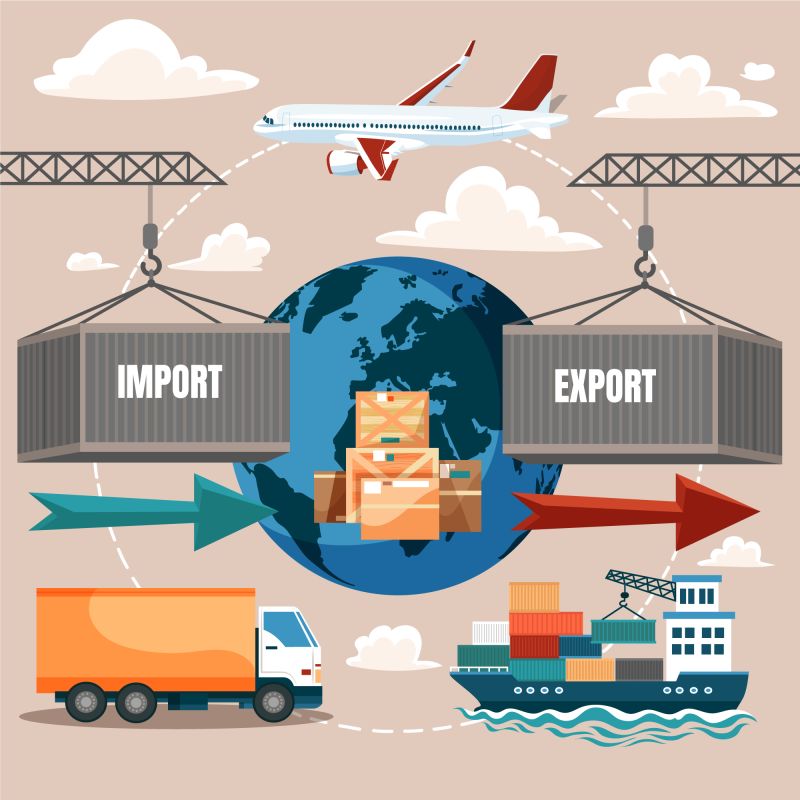
An import-export license is a government-issued authorization that allows businesses to legally import and export goods across international borders. It ensures compliance with trade regulations and helps monitor the movement of goods, including verifying they meet safety and quality standards
ROHS Certification Pvt. Ltd is established as an independent certification with its main objective to safeguard life, property and environment through quality assurance and total quality management.
rn
ROHS shall create an environment where each employee contributes to all aspects of our business process and shall strive for continuous improvement to meet with customer Satisfaction by having a strong feedback system from clients, auditors and certification staff
Your companys success is built on a foundation of innovation, dedication, and a commitment to excellence. In the fast-paced world of business, standing out from the competition and protecting your brand identity is paramount. This is where trademarks come into play, serving as a vital asset for your organization.
Why Trademarks Matter:
Brand Recognition:Your trademark is your unique identity in the marketplace. Its what sets you apart from others and makes your products or services instantly recognizable to consumers.
Consumer Trust:A strong trademark signals reliability, quality, and consistency. It builds trust with your customers and encourages repeat business.
Legal Protection:Trademarks offer legal protection against unauthorized use of your brand name, logo, or slogan. This safeguards your brands integrity and prevents competitors from capitalizing on your reputation.
Market Expansion:As your business grows, trademarks enable you to expand into new markets, both domestically and internationally. They ensure your brand maintains its distinctiveness and value.
Asset Value:Trademarks are assets that can appreciate over time. They can be licensed, franchised, or sold, contributing to the overall value of your company.
Industries That Benefit
Trademark protection is not limited to a specific industry. It benefits businesses across all sectors, including:
Technology and Software:Safeguard your unique software solutions and digital innovations.
Manufacturing:Protect your product names and logos from imitation.
Hospitality:Establish a strong brand identity in the competitive hospitality industry.
Retail:Ensure your customers instantly recognize your products on the shelves.
Service Providers:Cement your reputation as a trusted service provider.
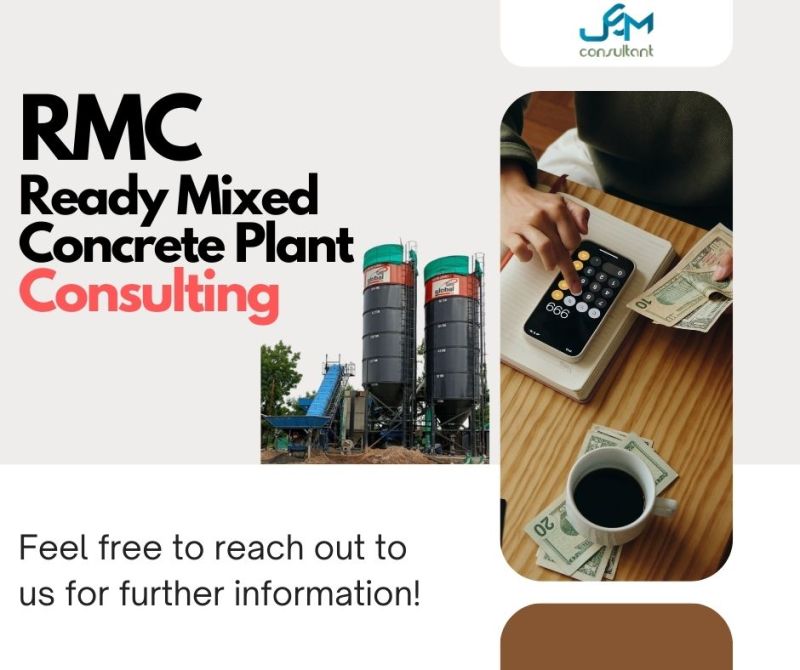
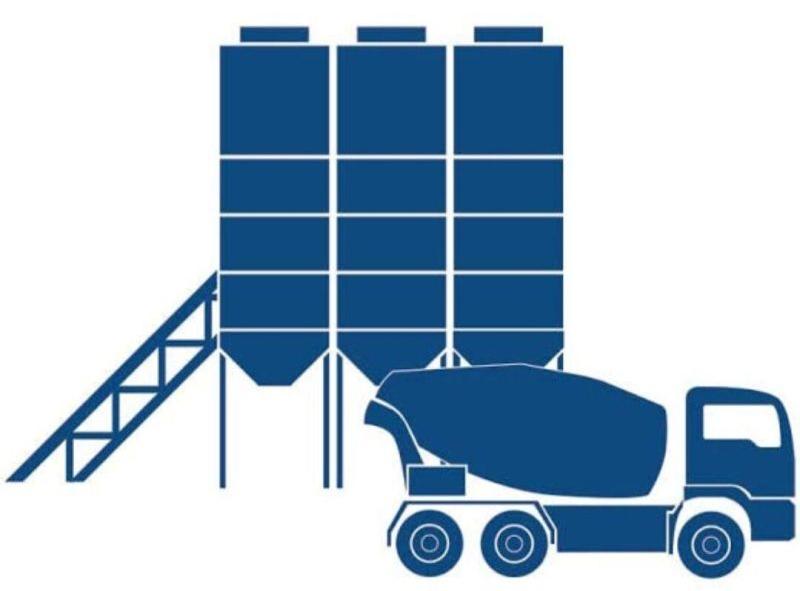
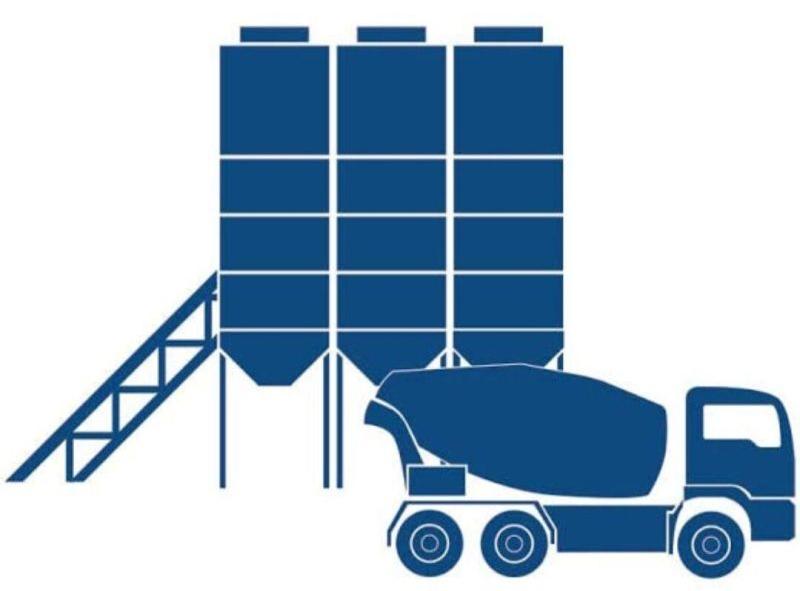
Ready Mix Concrete (RMC) is a pre-mixed and proportioned blend of cement, aggregates, water, and admixtures manufactured at a central batching plant, ensuring uniformity and consistency in quality. This innovative construction material comes in various types tailored to specific project requirements. We Offered total Consultancy for RMC Pant

RDSO vendor approval is a certification process conducted by the Research Design and Standards Organisation to ensure that vendors supplying products or services to Indian Railways meet the required standards of quality, reliability, and safety
RDSO vendor approval is a certification process conducted by the Research Design and Standards Organisation to ensure that vendors supplying products or services to Indian Railways meet the required standards of quality, reliability, and safety
"CORE " in the context of Indian Railways refers to the Central Organisation for Railway Electrification (CORE). This organization is responsible for carrying out the electrification of railway tracks across the Indian Railway network. CORE 's project units, operating from various locations, are involved in the field execution of electrification works.
CORE 's Role:
CORE is the primary body under the Ministry of Railways tasked with electrifying Indian Railways.
Electrification:
This involves converting railway lines from steam or diesel power to electric power, improving efficiency and reducing reliance on fossil fuels.
Vendor Registration:
CORE also manages the registration of vendors who supply electrical items and equipment for electrification projects, ensuring quality and adherence to standards.

Ready Mix Concrete (RMC) Plant Consultancy Services
Build your RMC business with confidence, precision, and expert guidance. We providecomplete, end-to-end consultancy solutionsfor setting up and operating high-performance Ready Mix Concrete plants. From land procurement to machinery installation, regulatory approvals, financial assistance, and operational excellenceour team ensures your RMC plant is establishedfaster, smoother, and fully compliantwith industry standards.
As a one-stop solution provider, we deliver astrategic, process-driven approachthat enhances productivity, ensures uniform concrete quality, reduces costs, and builds a strong foundation for long-term profitability.
Our Comprehensive Services Include:
Permissible Land Search & Procurement
New & Used RMC Machinery Procurement
ISO Certifications (9001, 14001, 45001)
GPCB Registration CTE & CCA Approvals
Factory License Documentation & Processing
CGWA NOC Groundwater Extraction Clearance
Geo Mining Registration & Compliance Support
MSME / Business Loans Support
Government Subsidy Consultancy & Application Assistance
Quality Control Systems & Operational Standardization
Why Choose Us?
With deep expertise inRMC plant engineering, environmental approvals, licensing, automation, and operational management, we help contractors, builders, industrial groups, and entrepreneurs establish world-class RMC plants that deliver:
Consistent & Certified Concrete Quality
Optimized Production & Reduced Operational Costs
Smooth, Hassle-Free Approval Processes
Sustainable & Profitable Long-Term Operations
Whether you're looking forRMC batching plant consultancy, compliance assistance, financial guidance, or complete project execution, we serve as your trusted partner in building a modern, efficient, and fully compliant Ready Mix Concrete plant.
 Debasis Banerjee (JSM Consultant)
 309, Vishala Supreme,Sardar Patel Ring Rd, opp. Torrent Power Station,, Nikol, Ahmedabad, Gujarat - 382350
 Share us via