-
Family Name
Poaceae
-
Botanical Name
Cymbopogon Martini
-
Extraction Method
Steam Distillation
-
Plant Part Used
Leaf
-
Appearance
Pale Yellow Liquid
-
Odour
Floral, Woody & Citrusy
-
Specific Gravity
0.879~0.892
-
Refractive Index
1.473~1.478
-
Optical Rotation
-2°~+2°
-
FEMA
2831
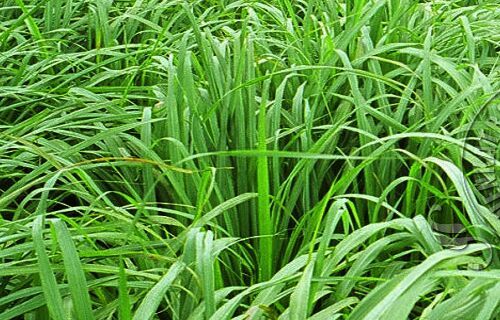
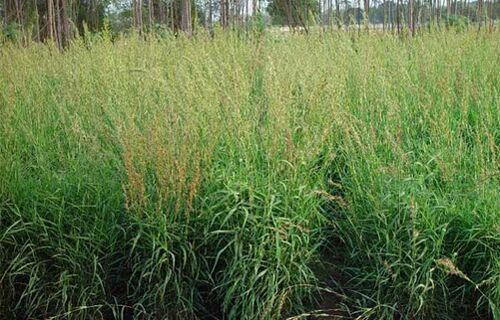
Palmarosa known by many common names worldwide, such as scented rush, geranium grass, rose grass belongs to the same botanical family as citronella and lemongrass. This grass, a native to India, forms a dense tuft of long, flat, green leaves. When rubbed, they release a powerful lemony odor and are used in so-called verbena teas. Palmarosa grows wild in India, the Radjmahal Mountains on the Afghan border, and in Himalayan subtropical regions. The above-ground plant parts are harvested by indigenous tribes, who have handed down their knowledge about this plant from generation to generation. The plants are then dried for a week to increase the essential oil yield. The oils fragrance is citral-like and herbaceous, with a strong rosy note.Cymbopogon martinii var. motia, a component of Ayurvedic medicine, is commonly called rusha, rosha, or rusa grass in India. The origins of its common name, palma rosa, are not confirmed. Palma could come from palm, a nod to the coconut vegetable fat used to extract its essence, or could be linked to the plants medicinal properties in treating ailments of the hand. The name Rosa is from palmarosas being used as a substitute for rose essential oil. Older names such as Indian geranium or Turkish geranium also refer to palmarosas rose-like note. Such nomenclature dates from the time the raw material was shipped from Bombay to the ports of the Red Sea, then to Constantinople and Bulgaria, to be added to rose oil.

 Write a Review
 Sathiya Moorthy (KRISHNA NATURAL TRADERS)
 6 81C Venkattampatty Dharmapuri Tamilnadu India Pincode - 636705, Tamil Nadu
 Share us via