My ExportersIndia

For Buyer

For Seller

For Help

Our Products

We are leaders in the market for providing best range of Davana Oil, Eucalyptus Oil, Turmeric Leaf Oil, Lemongrass Oil and Eucalyptus Citriodora Oil

Davana Oil

  • Family Name Asteraceae
  • Botanical Name Artemisia Pallens
  • Extraction Method Steam Distillation
  • Plant Part Used Leaf
  • Odour Fruity, Leafy, Balsam
  • Specific Gravity 0.939-0.956
  • Refractive Index 1.479-1.491
  • Optical Rotation +32°-+60°
  • FEMA 2359
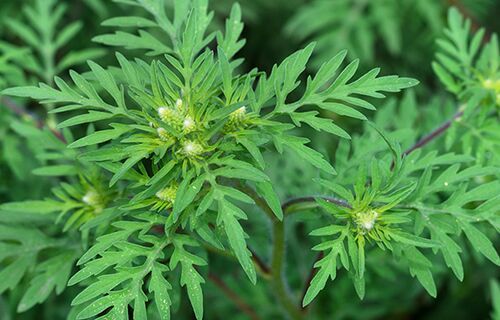
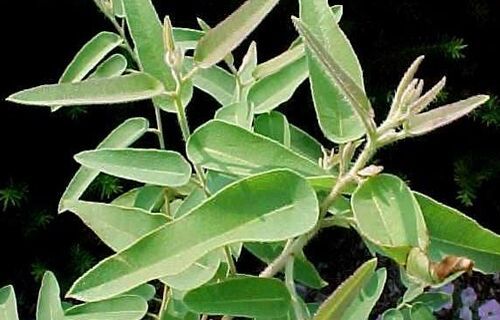
Davana is a small aromatic herbaceous plant native to southern India. It was long grown in Indian gardens, having an exquisite fragrance that was very popular there. In the wild, it usually grows near sandalwood trees, a preferred location. The blue-green leaves have a grayish-white downy coating and the plant produces pretty, fragrant, yellow flowers. Davana takes four months to reach maturity. Harvesting is done when the flowers are fully in bloom in late summer. The whole plant is cut by hand using a sickle and allowed to dry for about a week before distillation. Davana is very delicate and requires the utmost attention during harvesting. The delectable fragrance has a fruity note of syrupy liqueur on a woody, animalic base. Davana is strongly rooted in Indian religious traditions. Called Davanam in Tamil, the plant is braided into lovely wreaths and bouquets for use in rituals and to decorate the temples dedicated to Shiva. Davana is used as a daily offering, placed on the altar early in the day to be removed in the evening. Used in Ayurvedic medicine, davana is an integral part of Indian folklore and culture.
View Complete Details

Eucalyptus Oil

  • Packaging Type Glass Bottels
  • Botanical Name Eucalyptus Globules
  • Extraction Method Steam Distillation
  • Plant Part Used Leaf
  • Appearance Colorless To Pale Yellow
  • Odour Fresh, Balsamic
  • Specific Gravity 0.905~0.925
  • Refractive Index 1.458~1.47
  • Optical Rotation 0°~-19°
  • FEMA 2466
  • Family Name Myrtaceae
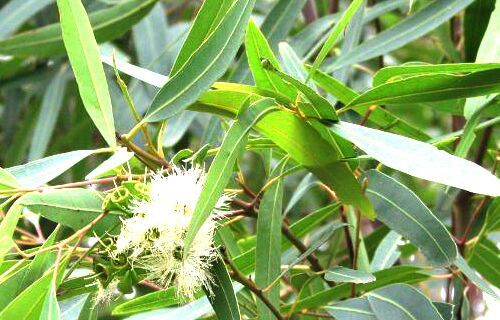
Eucalyptus globulus, a cousin to the myrtle tree, is an evergreen tree that can grow more than 60 meters high, and it is this gigantic size that earned eucalyptus such renown. In Australia, their homeland, some eucalyptus species attain colossal proportions: one specimen reached 130 meters, and it is not uncommon for their basal diameter to span 10 meters. The name comes from the Greek Eu, which means good and kalipto, cover, referring to the flowers feature of having sepals and petals joined together to protect the stamens. Also called Blue Gum, Southern Blue Gum, or Tasmanian Blue Gum, the Eucalyptus globulus has bluish bark that comes off in long strips. The leaves, when young, are silvery-blue, while the mature, drooping leaves are of a deep green. The essential oil is distilled from the leafy branches of Eucalyptus globulus. It has an herbaceous, fresh, cineolic fragrance with the characteristic camphor odor of medicinal ointments. Eucalyptus essential oil was one of the first products exported from Australia starting as early as 1788. The eucalyptus distillation industry began its expansion in 1854 when the first still was built in Victoria. This led to many species of eucalyptus being studied for their use in making essential oil, including Eucalyptus citriodora, with a citrus fragrance, and Eucalyptus radiate, possessing a zesty facet. Eucalyptus globulus was not discovered until 1792, when it was identified in Tasmania by the botanist Labillardire. Since that time, it has aroused unprecedented interest among botanists and chemists. Eucalyptus globulus was also the first eucalyptus to be introduced in Europe in 1828, to later become widespread in all Mediterranean countries, as the tree thrives in the mild climate.
View Complete Details

Turmeric Leaf Oil

  • Packaging Type Glass Bottle
  • Family Name Zingiberaceae
  • Botanical Name Curcuma Longa
  • Extraction Method Steam Distillation
  • Plant Part Used Leaf
  • Appearance Colorless To Pale Yellow
  • Odour Sweet And Spicy
  • Specific Gravity 0.916 To 0.936
  • Refractive Index 1.502 To 1.513
  • Optical Rotation -24 To -27
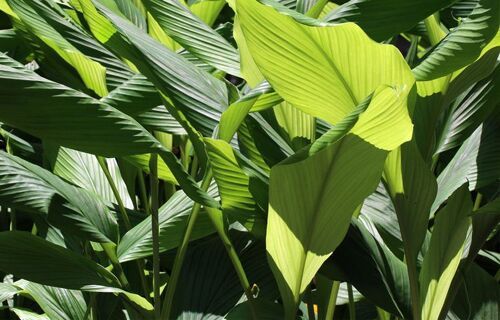
Turmeric is a perennial plant with roots or tubers about 1 metre in height. Indian turmeric is considered the best in the world. Constituents & Specifications Turmeric leaf oil has various chemical compounds that include phellandrene, limonene, zingiberene, curcumene, turmerone, turmerone, turmerone and cineole. Properties It is natural antiseptic. , analgesic, anti-arthritic and anti-inflammatory, anti-oxidant, anti-tumoral, bactericidal, diuretic, hypotensive, insecticidal, laxative, rubefacient and digestive stimulant. Benefits & Uses Turmeric leaf essential oil is viewed as a strong relaxant and balancer. It also has historical applications as an antiseptic and for skin care use against acne and facial hair in women. It has a great role in flavorings for food additives. It is one of the most important colouring materials of India. The leaf oil yield the orange-red dye. It is much used to impart a yellow colour to cloth.
View Complete Details

Lemongrass Oil

  • Packaging Type Glass Bottles
  • Botanical Name Cymbopogon Citrates
  • Odour Strong, Sharp, etc.
  • Extraction Method Steam Distillation
  • Family Name Poaceae
  • Origin India
  • Plant Part Used Leaf
  • Appearance Light Yellow To Pale Yellow
  • Specific Gravity 0.869-0.896
  • Refractive Index 1.483 - 1.489
  • Optical Rotation -3° To +1°
  • FEMA 2624
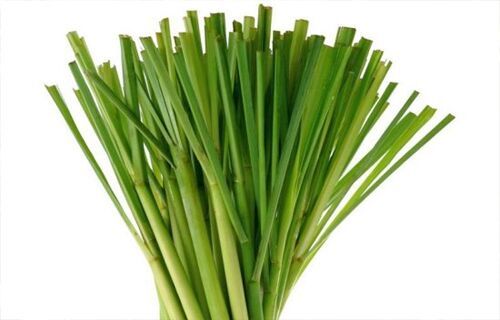
The health benefits of Lemongrass Essential Oil can be attributed to its many beneficial properties as an analgesic, antidepressant, antimicrobial, antipyretic, antiseptic, astringent, bactericidal, carminative, deodorant, diuretic, febrifuge, fungicidal, galactogogue, insecticidal, nervine, sedative and tonic substance. Lemongrass essential oil is extracted through the process of steam distillation of dried lemongrass. Lemongrass is known by the scientific names Cymbopogon Citratus or Andropogon Citratus. The main constituents of its essential oil are Myrcene, Citronellal, Geranyl Acetate, Nerol, Geraniol, Neral, Limonene and Citral. As the name implies, lemongrass smells just like lemons, but it is milder, sweeter, and far less sour. This grass is used in countless beverages (including tea), desserts and other forms of culinary creations as a flavoring agent, where fresh lemon is not available or is not to be used because of its more potent flavor. It is widely used in Chinese and Thai recipes.

View Complete Details

Eucalyptus Citriodora Oil

  • Family Name Myrtaceae
  • Botanical Name Eucalyptus Citriodora
  • Extraction Method Steam Distillation
  • Plant Part Used Leaf & Twigs
  • Appearance Colorless To Pale Yellow Liquid
  • Specific Gravity 0.858-0.877
  • Refractive Index 1.451-1.464
  • Optical Rotation -5°-+2°
  • FEMA Not Available
  • CAS 8000-48-4
View Complete Details
Tell Us What are you looking for? Will call you back

Contact Us