 GST : 19AADCL1141P1ZA
 4.6/5
4.6/5
Our Products
Our product range contains a wide range of Food Grade Jute Hessian Burlap Bag for Coffee, Cocoa, Food Grain, LMC Jute Hessian Burlap Sandbag for Construction Use (Grade-1), LMC Jute Hessian Burlap Handbag for Construction Use (Grade-2), LMC Jute Hessian Burlap Sandbag for Army, Military, Defence ( Grade -3) and LMC Jute Hessian Burlap Drawstring Sandbag for Army, Milttary
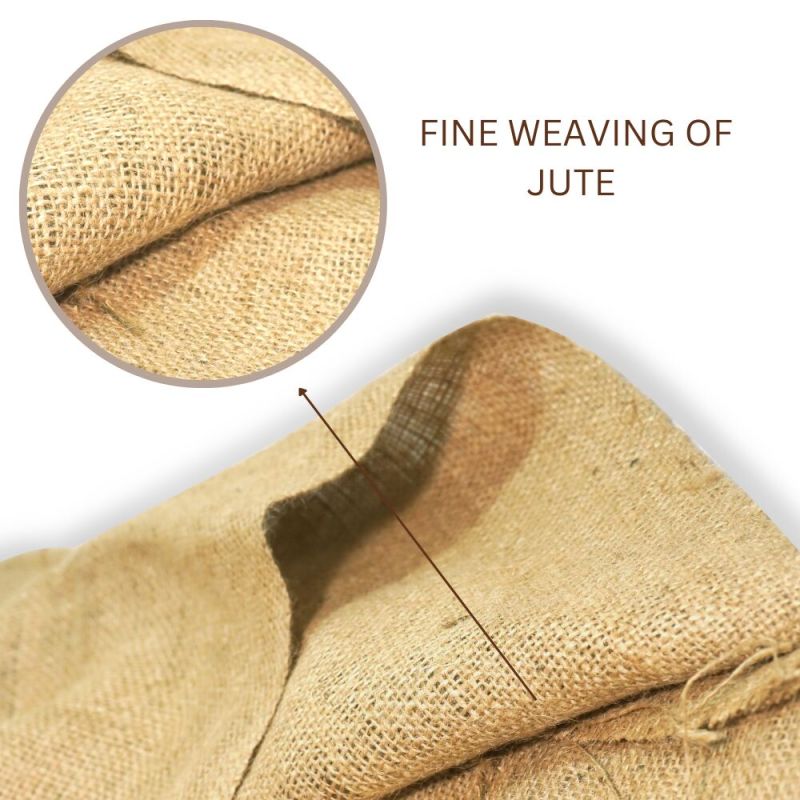
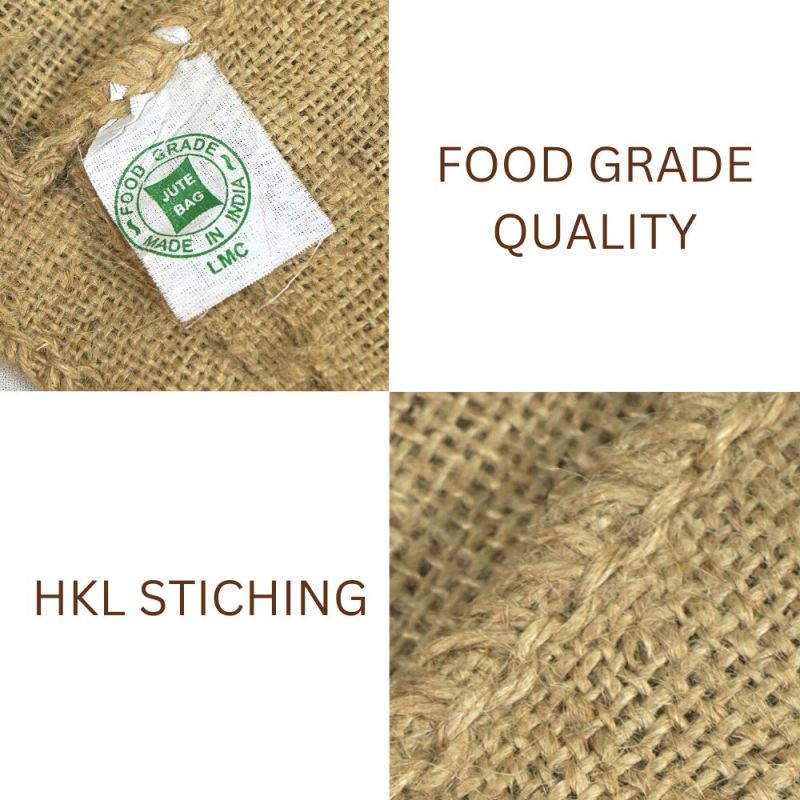
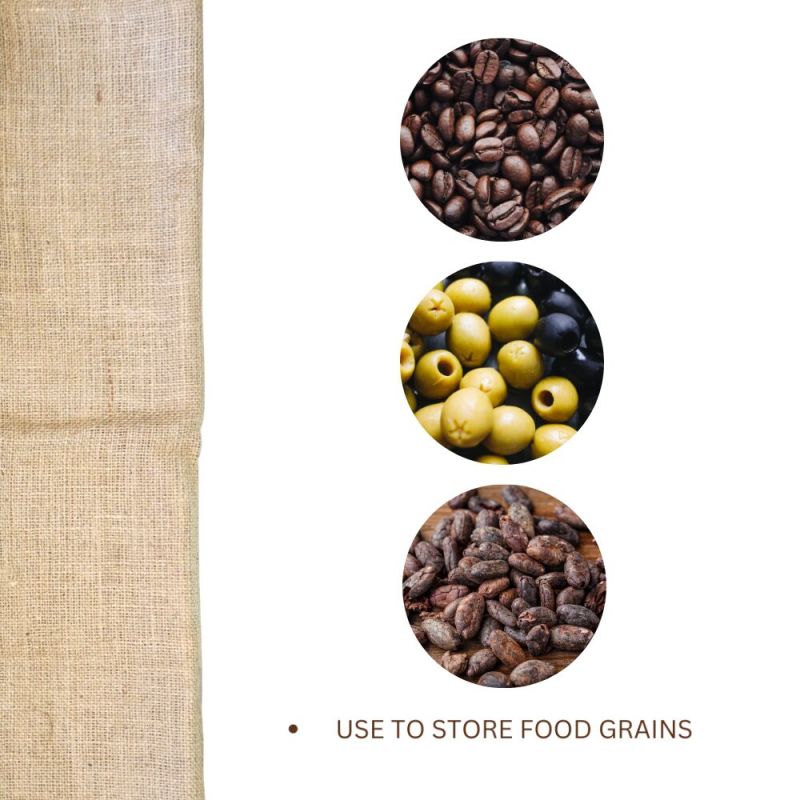
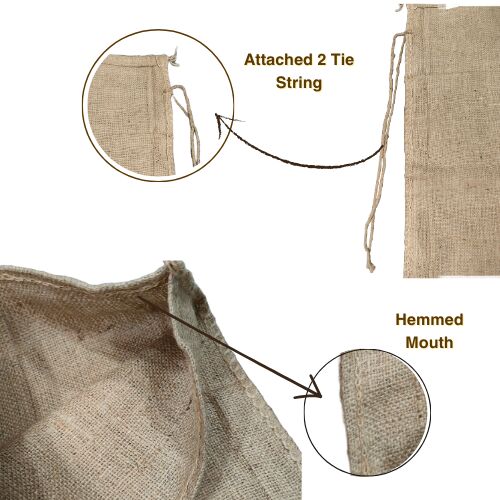
Food Grade Jute Hessian Burlap Bag for Coffee, Cocoa & Food Grain
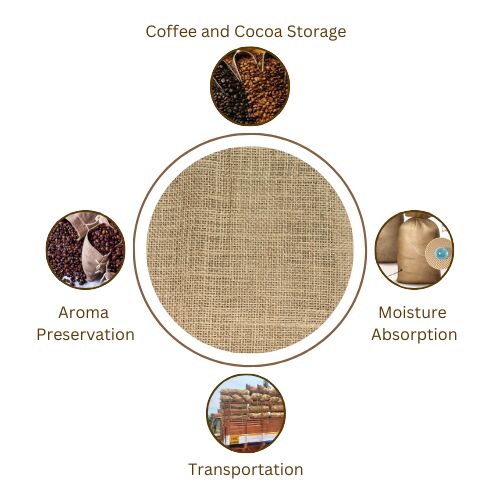
Are you look for the eco-friendly, top-quality and food-safe packaging solutions? LMC Global brings you the Food Grade Jute Hessian Burlap Bag for Coffee, Cocoa & Food Grain. Our products are made to meet the strictest global standards for food-grade packaging. Our durable burlap sacks for grains and cocoa are perfect for storing and transporting coffee beans, cocoa, pulses, and different food grains. We make sure of the true safety and sustainability.
Prepared from absolute natural jute fibres, our bags are biodegradable, breathable, and reusable. They make them an ideal choice for the synthetic packaging for businesses and exporters managing agricultural products. So, if you are searching for wholesale burlap sacks for cocoa, grains & agricultural use, or demand custom-printed packaging for your brand, LMC has you covered.
Demand & Application Country-Wise
United States:
The country has a growing demand for organic and eco-friendly packaging. Our Food Grade Jute Hessian Burlap Bags for Coffee, Cocoa & Food Grain are ideal for exporters and wholesalers in America. They are high preferred by food safety, environmental accountability, and long-term storage strength for agricultural products such as corn, wheat, and coffee beans.
Australia:
Australian agribusinesses and natural food suppliers gradually preferred our wholesale burlap sacks for grains and cocoa for their durability and resistance to moisture. Our bags are used broadly in the Australian coffee and food grain supply chain to keep freshness during long hauls across the nation and for export.
Germany:
Germany is a popular market with a strong commitment to sustainable development and strict food packaging standards. Our bags serve German exporters, roasteries, and cocoa processors. We are working as a trustworthy and food-safe packaging with the slightest environmental footprint.
United Arab Emirates
With a blooming re-export market for food grains and coffee, the UAE demands packaging completely the robust, hygienic, and climate-resistant. Our food-grade jute hessian burlap bag for coffee, cocoa & food grain works in the UAE market professionally by giving trustworthy storage during extreme temperatures and shipping conditions.
Spain:
The distributor of Spanish coffee and cocoa uses our burlap bags to store and transport the product. The packaging is assured to preserve the aroma and flavour. These breathable bags avoid mould and spoilage. It is a right choice for Spains humid climate and coastal areas.
United Kingdom:
In the UK, the growing attention to eco-friendly agricultural practices has led many firms to switch to wholesale burlap sacks for cocoa, grains & farming use. Our food-grade jute bags meet UK food security norms and are broadly used by coffee roasters, grain exporters, and cocoa processors.
Netherlands:
Called a European hub for coffee and cocoa trading, the Netherlands places a focus on packaging that is both compliant and sustainable. Our durable burlap sacks for grains and cocoa are broadly used by Dutch exporters and logistics firms managing bulk shipments across Europe.
Saudi Arabia:
The dry climate in Saudi Arabia demands heat protected packaging. Our food-grade jute hessian burlap bags are perfect for storing grains such as barley, wheat, and lentils. We make them a good choice for the food distributors and wholesalers.
France:
French coffee and gourmet food markets focus on packaging. It showcases both quality and environmental accountability. Our wholesale burlap sacks for grains and cocoa are renowned among artisanal food producers and exporters who need breathable, secure, and visually appealing packaging.
Kenya:
As a prime exporter of coffee and food grains, Kenya benefits considerably from using our food-grade jute hessian burlap bags. Our bags give a budget-friendly, export-ready solution for local farmers and cooperatives that require reliable packaging to keep quality from farm to worldwide market.
Choose LMC for Global-Standard Jute Bags
LMC is your reliable partner if youre searching to buy wholesale burlap sacks for cocoa, grains & agricultural use that merge durability, food security, and eco-friendliness. With worldwide shipping and personalised options, we proudly serve clients across the USA, Australia, Germany, Netherlands, Spain, United Kingdom, UAE, Saudi Arabia, France, and Kenya.
Lift up your packaging with LMCs Food Grade Jute Hessian Burlap Bags for Coffee, Cocoa & Food Grainassures to give the best performance and sustainability.
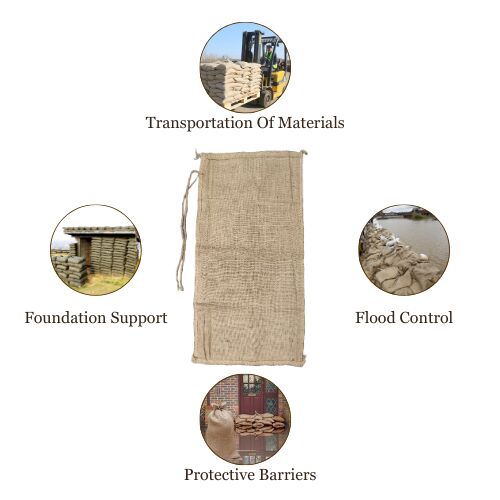
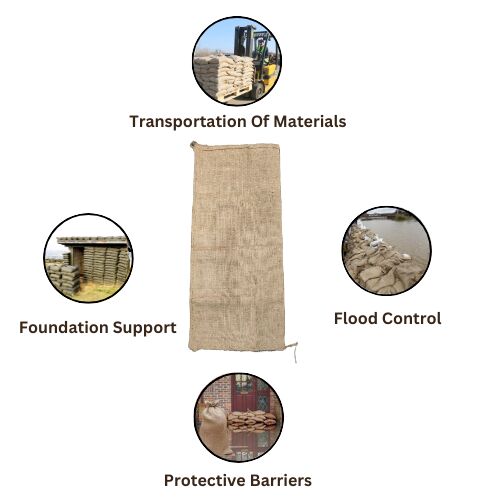
Jute sandbags are commonly used in construction for various purposes due to their durability and ability to withstand heavy loads. These sandbags, made from jute—a natural plant fiber—are versatile and environmentally friendly. Overall, jute sandbags offer a range of benefits and applications in construction, primarily focused on covering, securing, stabilizing, and protecting various areas and structures, while also being environmentally friendly and cost-effective.
1) Covering and Protection: Jute sandbags are commonly used to cover materials, structures, or areas susceptible to erosion, such as riverbanks, slopes, or construction sites. They provide a protective barrier against water flow, wind erosion, and soil displacement.
2) Erosion control: Sandbags filled with soil or sand can be strategically placed to prevent soil erosion caused by water runoff. They can create barriers that redirect water flow, protecting slopes, embankments, and construction sites from erosion.
3) Flood protection: During floods or heavy rainfall, sandbags are employed to create barriers and divert water away from buildings and properties. They are used to create temporary walls to prevent water from entering specific areas.
4) Temporary barriers: Jute sandbags are used to create temporary barriers or walls for various purposes at construction sites. These barriers can be employed for controlling crowds, blocking off areas for safety, or forming partitions.
5) Foundation support: Sandbags can be used as temporary foundation supports or as a stabilizing element for structures under construction. They can provide additional stability or support in certain situations.
6) Weight for securing materials: Sandbags filled with sand or gravel are often used as weights to secure construction materials, tarps, or temporary covers. They help to keep materials in place and prevent them from being displaced by wind or other elements.
Jute sandbags are commonly used in construction for various purposes due to their durability and ability to withstand heavy loads. These sandbags, made from jute—a natural plant fiber—are versatile and environmentally friendly. Overall, jute sandbags offer a range of benefits and applications in construction, primarily focused on covering, securing, stabilizing, and protecting various areas and structures, while also being environmentally friendly and cost-effective.
1) Covering and Protection: Jute sandbags are commonly used to cover materials, structures, or areas susceptible to erosion, such as riverbanks, slopes, or construction sites. They provide a protective barrier against water flow, wind erosion, and soil displacement.
2) Erosion control: Sandbags filled with soil or sand can be strategically placed to prevent soil erosion caused by water runoff. They can create barriers that redirect water flow, protecting slopes, embankments, and construction sites from erosion.
3) Flood protection: During floods or heavy rainfall, sandbags are employed to create barriers and divert water away from buildings and properties. They are used to create temporary walls to prevent water from entering specific areas.
4) Temporary barriers: Jute sandbags are used to create temporary barriers or walls for various purposes at construction sites. These barriers can be employed for controlling crowds, blocking off areas for safety, or forming partitions.
5) Foundation support: Sandbags can be used as temporary foundation supports or as a stabilizing element for structures under construction. They can provide additional stability or support in certain situations.
6) Weight for securing materials: Sandbags filled with sand or gravel are often used as weights to secure construction materials, tarps, or temporary covers. They help to keep materials in place and prevent them from being displaced by wind or other elements.
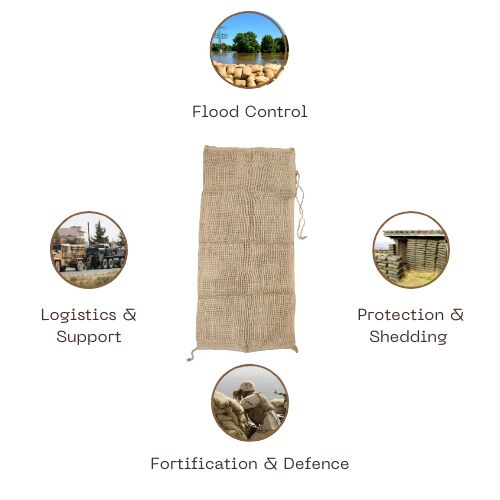
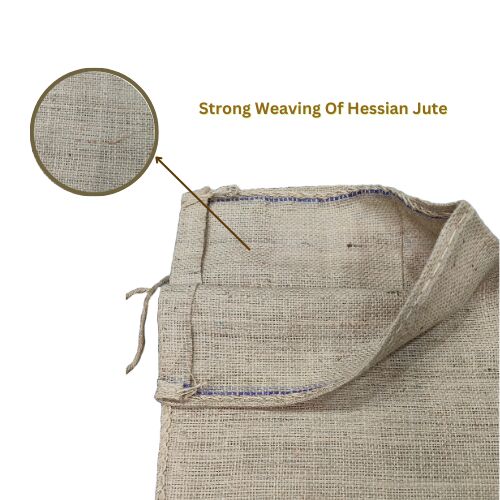
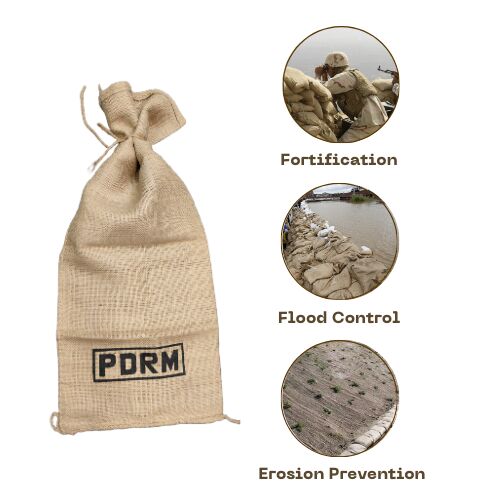
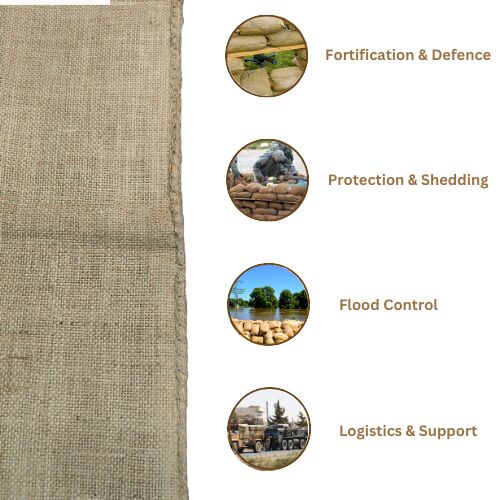
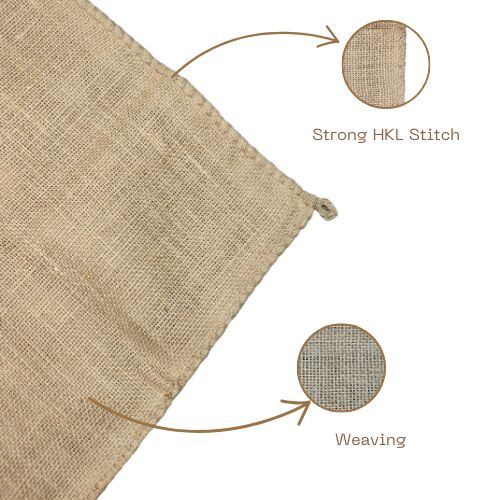
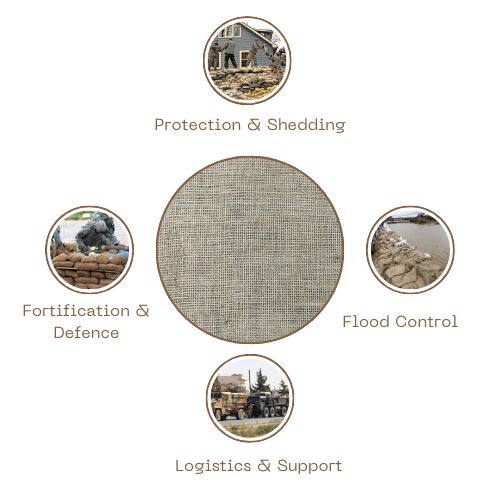
Jute burlap or hessian sandbags are commonly used in military and defense operations due to their durability, reliability, and versatility. These sandbags serve various purposes in military applications such as fortifications, defensive barriers, flood control, and as a counterbalance for vehicles or structures in challenging terrains. The LMC Jute Burlap Hessian Sandbags specifically designed for army, military, or defense usage are likely to have features that cater to these specific needs:
1) Fortifications and Defense: Sandbags made of jute burlap hessian are utilized to create defensive fortifications, such as barriers, bunkers, and protective walls. They are filled with sand or soil and stacked strategically to provide cover and protection against gunfire, shrapnel, and explosives in combat zones or training scenarios.
2) Protection and Shielding: In military operations, these sandbags are employed to shield personnel and equipment from incoming fire or to reinforce defensive positions. They serve as barriers to reduce the impact of bullets or shrapnel, providing a measure of protection in hostile environments.
3) Logistics and Support: Jute burlap sandbags are also used for logistical purposes within the military. They aid in cargo stabilization, ballasting vehicles, and supporting temporary structures like tents, creating stable and secure bases in various operational settings.
4) Flood Control: During floods or heavy rains, sandbags are used to create barriers and redirect or contain water flow. They are placed strategically in areas prone to flooding to prevent or minimize water damage to properties and infrastructure.
5) Erosion Prevention: Along coastlines, riverbanks, or areas affected by erosion, sandbags filled with soil or sand can be placed to stabilize the soil, prevent erosion, and protect against the loss of land due to water currents or weather conditions.
6) Ballast for Vehicles or Structures: In construction or temporary setups, sandbags can be used as ballast to anchor or stabilize vehicles, temporary structures like tents, scaffolding, or other equipment susceptible to movement due to wind or external forces.
LMC Global Pvt. Ltd. based in Kolkata is well known for producing high-quality jute goods. We guarantee the highest quality standards in manufacturing and exporting. Our commitment to excellence and breadth of industry knowledge make us the best option for military jute hessian burlap sandbags. Being the top military jute hessian burlap sandbags supplier, we provide affordable costs and quick shipping.
Sturdy Military Application
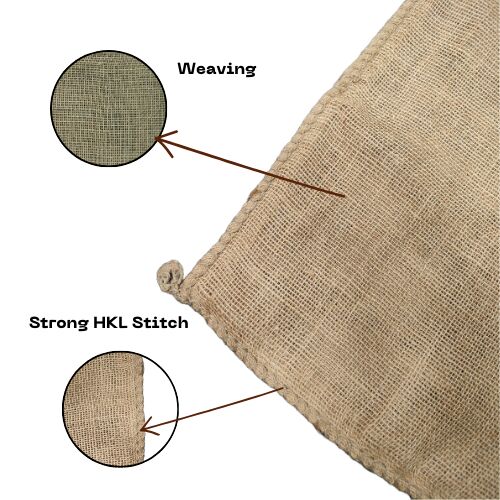
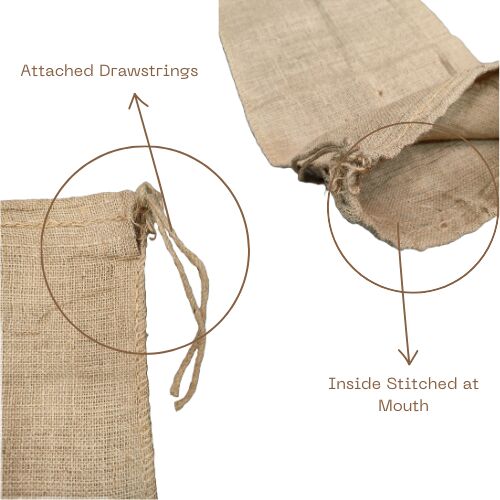
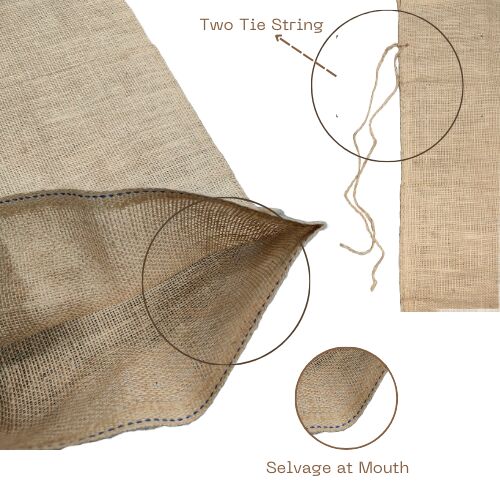
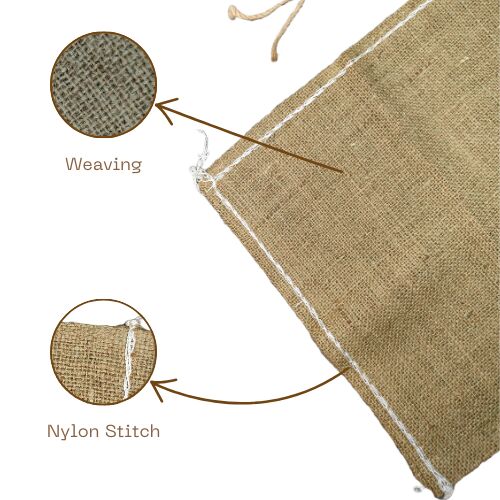
We specifically created our LMC jute hessian burlap drawstring sandbags for army military. In a variety of tactical situations, they provide strong barriers and crucial defence and fortification. They provide dependable containment and simple deployment, these sandbags are essential for handling and protection. They are essential for support and logistics which helps with effective supply chain management.
Efficient Management of Flooding
Our sandbags are ideal not just for military use but also for flood prevention. Because of their robust design, water is efficiently contained and diverted, safeguarding both workers and priceless objects.
Exceptional and Sustainable
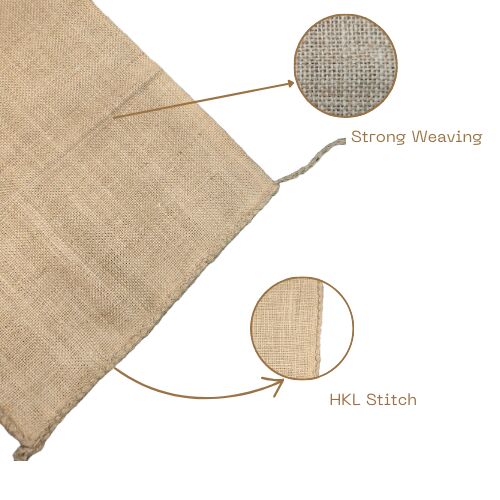
These LMC jute hessian burlap drawstring sandbags for army military are manufactured with premium jute, guaranteeing their robustness and longevity. Since jute is a naturally occurring and biodegradable material, our sandbags are a sustainable option. They naturally disintegrate, reducing their negative effects on the environment and supporting our sustainability objectives.
Easy Drawstring Construction
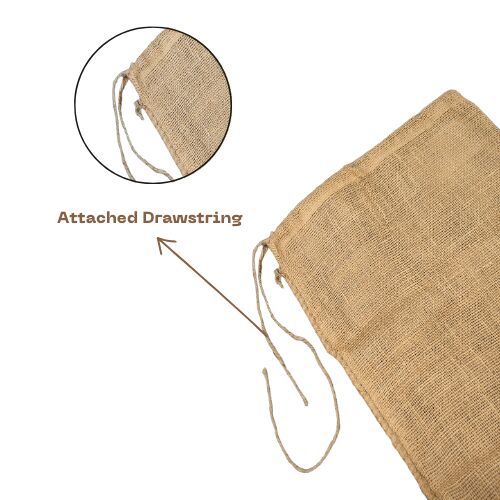
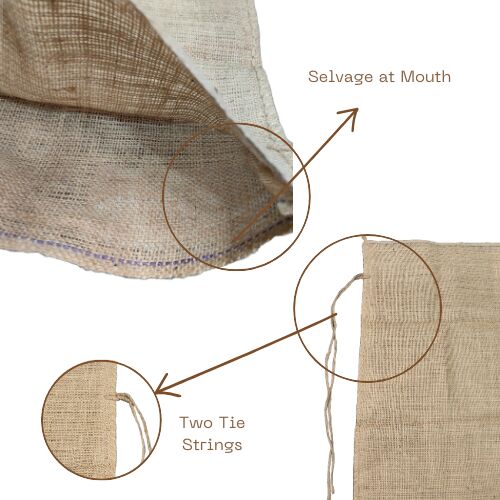
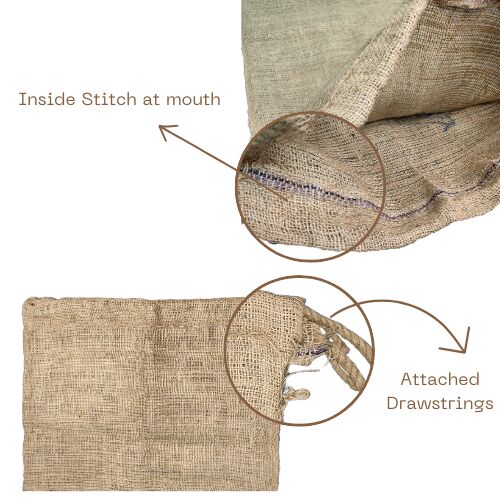
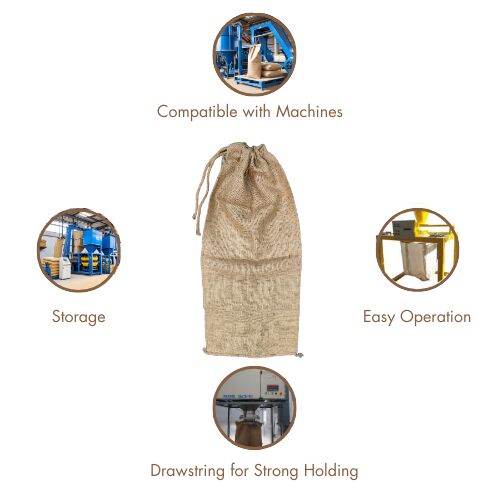
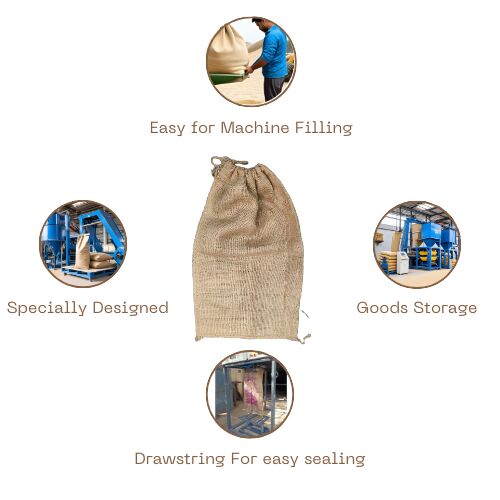
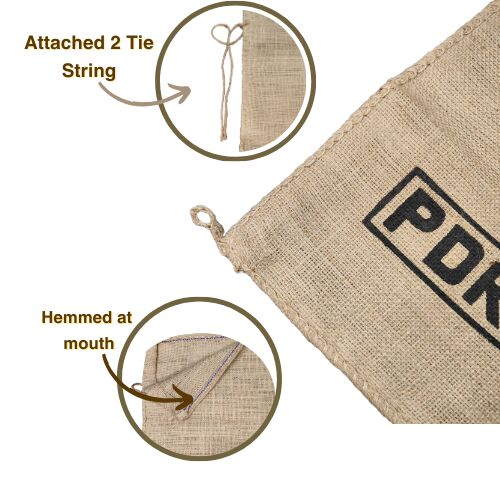
Our jute hessian burlap sandbags are easy to handle and have a secure closing thanks to their handy drawstring design. Rapid filling and deployment are made possible by this design, which is crucial for military operations and emergency scenarios.
We make sure our sandbags adhere to strict quality requirements so they can function dependably in difficult circumstances. Our products undergo extensive testing to ensure their longevity and efficacy.
Contact Us
LMC Global Pvt. Ltd. is a reliable military jute hessian burlap sandbags supplier in India. With our LMC Jute Hessian Burlap Drawstring Sandbags for the Army Military, you can outfit your military activities. Get in touch with us right now to place your purchase and see our excellent jute goods in action.
Fine quality jute burlap or hessian sandbags are commonly used for flood control due to their durability, eco-friendliness, and ability to withstand harsh weather conditions. Here are some uses of high-quality jute burlap or hessian sandbags used for flood control:
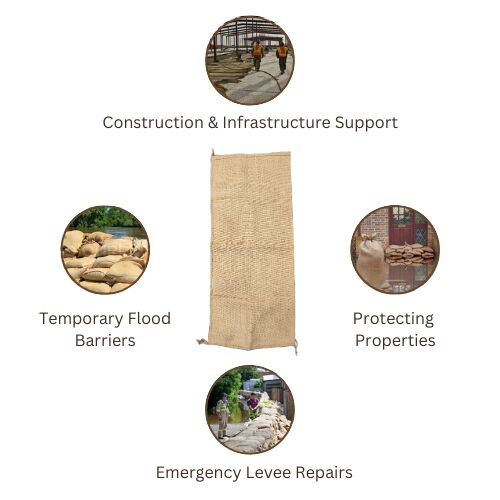
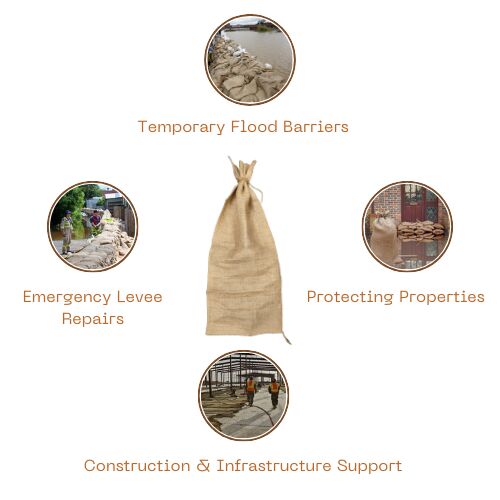
1) Temporary Flood Barriers: Sandbags filled with sand or soil can act as a barrier to prevent or redirect the flow of water during floods. They can be strategically placed to create barriers around homes, businesses, or critical infrastructure.
2) Erosion Control: Along riverbanks, hillsides, or areas prone to erosion, sandbags can help stabilize soil and prevent further erosion caused by flooding or heavy rainfall.
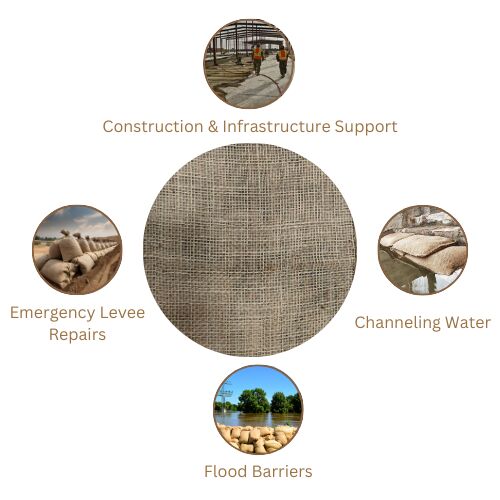
3) Channelling Water: Sandbags can be used to channel or redirect water away from vulnerable areas, guiding it towards drainage systems or safer areas.
4) Protecting Property: Placing sandbags around doors, windows, and other openings in buildings can help prevent water from seeping in during floods, thereby protecting property and reducing damage.
5) Emergency Preparedness: Pre-filling sandbags and storing them in flood-prone areas ensures a quick response during emergencies, allowing for immediate deployment when needed.
6) Community Protection: Distributing sandbags to residents in flood-prone areas as part of community initiatives can empower individuals to protect their homes and neighbourhoods during flood events.
7) Construction and Infrastructure Support: Sandbags can provide temporary support to reinforce levees, embankments, or other flood-control structures under maintenance or repair.
8) Flood Diversion: In some cases, sandbags can be strategically placed to divert water away from critical infrastructure or residential areas, reducing the impact of flooding.
9) Emergency Levee Repair: During floods, existing levees may be compromised. Sandbags can be used as a quick measure to bolster and repair these levees until more permanent solutions can be implemented.
Jute burlap or hessian sandbags are widely used for flood control due to their durability, permeability, and affordability. Here are some specific uses and benefits of using these sandbags for flood control:
1) Temporaryand Emergency Levee Repair: These sandbags are used to construct temporary levees or embankments to redirect floodwater away from sensitive areas, such as residential zones, farmland, or infrastructure. During floods, existing levees may be compromised. Sandbags can be used as a quick measure to bolster and repair these levees until more permanent solutions can be implemented.
2) Temporary Flood Barriers: Sandbags filled with sand or soil can act as a barrier to prevent or redirect the flow of water during floods. They can be strategically placed to create barriers around homes, businesses, or critical infrastructure.
3) Erosion Control: Along riverbanks, hillsides, or areas prone to erosion, sandbags can help stabilize soil and prevent further erosion caused by flooding or heavy rainfall.
4) Channelling Water: Sandbags can be used to channel or redirect water away from vulnerable areas, guiding it towards drainage systems or safer areas.
5) Protecting Property: Placing sandbags around doors, windows, and other openings in buildings can help prevent water from seeping in during floods, thereby protecting property and reducing damage.
6) Emergency Preparedness: Pre-filling sandbags and storing them in flood-prone areas ensures a quick response during emergencies, allowing for immediate deployment when needed.
7) Community Protection: Distributing sandbags to residents in flood-prone areas as part of community initiatives can empower individuals to protect their homes and neighbourhoods during flood events.
8) Construction and Infrastructure Support: Sandbags can provide temporary support to reinforce levees, embankments, or other flood-control structures under maintenance or repair.
9) Flood Diversion: In some cases, sandbags can be strategically placed to divert water away from critical infrastructure or residential areas, reducing the impact of flooding.
Jute burlap or hessian sandbags are commonly used for flood control due to their durability, eco-friendliness, and ability to withstand harsh weather conditions. Here are some uses of high-quality jute burlap or hessian sandbags used for flood control:
1) Temporary Flood Barriers: Sandbags filled with sand or soil can act as a barrier to prevent or redirect the flow of water during floods. They can be strategically placed to create barriers around homes, businesses, or critical infrastructure.
2) Erosion Control: Along riverbanks, hillsides, or areas prone to erosion, sandbags can help stabilize soil and prevent further erosion caused by flooding or heavy rainfall.
3) Channelling Water: Sandbags can be used to channel or redirect water away from vulnerable areas, guiding it towards drainage systems or safer areas.
4) Protecting Property: Placing sandbags around doors, windows, and other openings in buildings can help prevent water from seeping in during floods, thereby protecting property and reducing damage.
5) Emergency Preparedness: Pre-filling sandbags and storing them in flood-prone areas ensures a quick response during emergencies, allowing for immediate deployment when needed.
6) Community Protection: Distributing sandbags to residents in flood-prone areas as part of community initiatives can empower individuals to protect their homes and neighbourhoods during flood events.
7) Construction and Infrastructure Support: Sandbags can provide temporary support to reinforce levees, embankments, or other flood-control structures under maintenance or repair.
8) Flood Diversion: In some cases, sandbags can be strategically placed to divert water away from critical infrastructure or residential areas, reducing the impact of flooding.
9) Emergency Levee Repair: During floods, existing levees may be compromised. Sandbags can be used as a quick measure to bolster and repair these levees until more permanent solutions can be implemented.
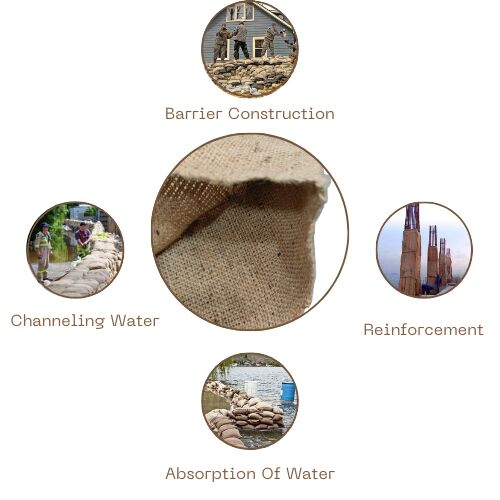
LMC Jute Burlap Hessian Sand Bags are commonly used for flood control and erosion prevention. These bags are made from natural jute fibers, which are known for their durability and strength. They are designed to be filled with sand or other materials and placed strategically to create barriers or fortifications against flooding.
1) Barrier Construction: Sandbags made from jute burlap or hessian are filled with sand and strategically placed to create barriers or walls. These barriers help divert or stop the flow of water, protecting properties, roads, and other infrastructure from flooding.
2) Reinforcement: Sandbags can reinforce existing structures like levees or embankments, providing additional support to prevent breaches or reinforce weak points vulnerable to flooding.
3) Absorption of Water: Jute burlap has the advantage of absorbing some water, which can reduce seepage and further strengthen the barrier over time. However, they should not be relied upon for total water absorption.
4) Emergency Preparedness: Sandbags are often stockpiled in flood-prone areas as part of emergency preparedness measures. They can be quickly deployed when flood warnings are issued to create barriers and protect vulnerable areas.
A heavy-duty jute tarpaulin or hessian sandbag is a robust and durable bag typically made from jute fabric, which is a strong, coarse, and eco-friendly material. These sandbags are designed for various purposes, especially in situations where strength and resilience against rough conditions are essential, such as:
1) Military and Defense: They are utilized in defense operations for creating protective barriers, fortifications, or bunkers.
2) Flood Control: Sandbags made of heavy-duty jute tarpaulin are often used during floods to create barriers and redirect water flow, protecting properties and infrastructure.
3) Construction and Erosion Control: They are employed at construction sites to hold back soil or to prevent erosion by creating barriers or stabilizing slopes.
4) Construction and Renovation: These sandbags are useful on construction sites for stabilizing materials, weighing down temporary structures, or creating barriers to prevent soil or debris from moving.
5) Emergency Situations: In emergencies such as earthquakes or hurricanes, sandbags serve as a quick and effective means of reinforcing structures or providing temporary protection against damage.
6) Transportation and Storage: They can also be used for transportation of heavy goods or as a packaging material due to their durability.
7) Gardening and Agriculture: In gardening and agriculture, they can be used for landscaping, anchoring down items, or as barriers for soil and moisture retention.
8) Weight and Ballast: In certain scenarios, sandbags are used as weights or ballasts for securing items, tents, or structures due to their heavy-duty nature.
9) Protection: They can also be used for protecting sensitive equipment or areas from damage or extreme conditions.
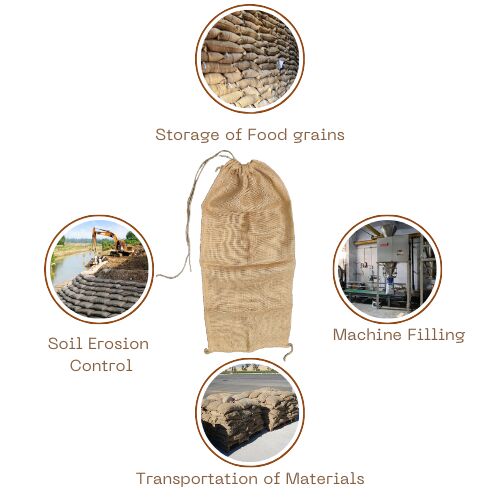
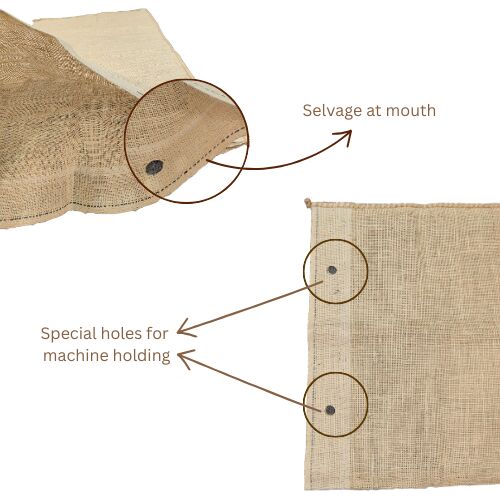
Filling burlap sandbags using a machine is a common and efficient method used in various industries and applications where sandbags are needed, such as flood control, erosion prevention, construction, landscaping, and military defense, among others. Using a machine for filling sandbags offers several advantages:
1) Speed and Efficiency: Machines designed for filling sandbags can fill them at a much faster rate compared to manual filling. This increases the overall productivity and allows for the creation of a large number of sandbags in a shorter time frame.
2) Consistency: Machines ensure a more uniform and consistent filling of sandbags, maintaining a standard weight and size for each bag. This uniformity is essential for stability and effectiveness in various applications, especially in flood control and construction.
3) Reduced Labor: By utilizing a machine for filling sandbags, the need for manual labor is significantly reduced. This can lead to cost savings and also minimize the physical strain on workers.
4) Adaptability: These machines often come with adjustable settings, allowing for flexibility in the size and weight of the filled sandbags to suit specific project requirements. Filling burlap sandbags is a common method used for various purposes, as you've mentioned. Here are details about the uses you specified:
1) Flood Control: Sandbags are frequently employed during floods to create barriers and divert water flow away from homes, buildings, or critical infrastructure. They act as temporary walls to prevent or minimize water damage.
2) Erosion Prevention: In erosion-prone areas, sandbags can be strategically placed to prevent soil erosion along riverbanks, coastlines, or slopes. They help to stabilize the soil and slow down the erosive forces of water.
3) Construction: Sandbags are used in construction for multiple purposes. They can serve as temporary barriers to redirect water during foundation work or as a weight-bearing component for scaffolding or holding down construction materials.
4) Landscaping: In landscaping, sandbags can be utilized for various purposes such as creating retaining walls, defining garden borders, or supporting and stabilizing certain structures within the landscape.
5) Military Defense: Sandbags have long been used in military operations as protective barriers or to fortify positions. They serve as ballistic shields against bullets,
Filling burlap sandbags using a machine is a common and efficient method used in various industries and applications where sandbags are needed, such as flood control, erosion prevention, construction, landscaping, and military defense, among others. Using a machine for filling sandbags offers several advantages:
1) Speed and Efficiency: Machines designed for filling sandbags can fill them at a much faster rate compared to manual filling. This increases the overall productivity and allows for the creation of a large number of sandbags in a shorter time frame.
2) Consistency: Machines ensure a more uniform and consistent filling of sandbags, maintaining a standard weight and size for each bag. This uniformity is essential for stability and effectiveness in various applications, especially in flood control and construction.
3) Reduced Labor: By utilizing a machine for filling sandbags, the need for manual labor is significantly reduced. This can lead to cost savings and also minimize the physical strain on workers.
4) Adaptability: These machines often come with adjustable settings, allowing for flexibility in the size and weight of the filled sandbags to suit specific project requirements. Filling burlap sandbags is a common method used for various purposes, as you've mentioned. Here are details about the uses you specified:
1) Flood Control: Sandbags are frequently employed during floods to create barriers and divert water flow away from homes, buildings, or critical infrastructure. They act as temporary walls to prevent or minimize water damage.
2) Erosion Prevention: In erosion-prone areas, sandbags can be strategically placed to prevent soil erosion along riverbanks, coastlines, or slopes. They help to stabilize the soil and slow down the erosive forces of water.
3) Construction: Sandbags are used in construction for multiple purposes. They can serve as temporary barriers to redirect water during foundation work or as a weight-bearing component for scaffolding or holding down construction materials.
4) Landscaping: In landscaping, sandbags can be utilized for various purposes such as creating retaining walls, defining garden borders, or supporting and stabilizing certain structures within the landscape.
5) Military Defense: Sandbags have long been used in military operations as protective barriers or to fortify positions. They serve as ballistic shields against bullets,
Jute burlap sandbags are commonly used in military and emergency situations for various purposes such as fortifications, flood control, erosion prevention, and ballast for vehicles or structures. Sandbags made from jute burlap are preferred for their durability, biodegradability, and ability to withstand harsh environmental conditions.
In military applications, these sandbags are used for creating barriers, protective walls, or bunkers to shield against gunfire, explosives, or to fortify positions. The jute burlap material is chosen for its resilience and effectiveness in holding sand or other materials for extended periods.
Uses:
1) Fortifications: Sandbags are commonly used in military and defense settings to create barriers, bunkers, and fortifications to protect against gunfire, shrapnel, and explosives. They can be filled with sand or soil and stacked strategically to form protective walls.
2) Flood Control: During floods or heavy rains, sandbags are used to create barriers and redirect or contain water flow. They are placed strategically in areas prone to flooding to prevent or minimize water damage to properties and infrastructure.
3) Erosion Prevention: Along coastlines, riverbanks, or areas affected by erosion, sandbags filled with soil or sand can be placed to stabilize the soil, prevent erosion, and protect against the loss of land due to water currents or weather conditions.
4) Ballast for Vehicles or Structures: In construction or temporary setups, sandbags can be used as ballast to anchor or stabilize vehicles, temporary structures like tents, scaffolding, or other equipment susceptible to movement due to wind or external forces.
5) Training and Exercises: Military training often involves the use of sandbags to simulate real-life combat scenarios, fortification building, or carrying heavy loads.
LMC Fine Quality Jute Hessian Burlap Sandbag
LMC proudly presents the best quality of the Jute Hessian Burlap Sandbag. We have designed it especially for Army, Military, & Defence. Our product is made to meet the highest standards of strength, durability, and biodegradability. Engineered from top-grade natural jute fibres, our sandbags are suitable for defence, military training, and tactical operations across a broad range of environments.
As a renowned Military Grade Hessian Sandbags Exporter from India, LMC supplies Grade 1 sandbags trusted by disaster response units, defence departments, and peacekeeping organisations across the world. Our client uses them for building bunkers, blast walls, flood barriers, and defensive installations.
Why Choose LMC?
Focused Country-Wise: Reliable Worldwide for Military-Grade Protection
United States (USA):
Here, our LMC Fine Quality Jute Hessian Burlap Sandbags are in high demand by military training academies, defence contractors, and emergency response units. As a trustworthy military grade hessian sandbag exporter, we deliver to multiple locations.
Australia:
The armed forces and disaster management agencies in Australia rely on high-quality sandbags offered by us. They use them for training, security, and flood defence. LMC is a favoured military grade hessian sandbag exporter from India for the Australian defence area.
Germany:
In different parts of Germany, our sandbags are used by firefighting departments, military training units, and civil defence agencies. LMC supplies consistent quality to German procurement experts and emergency stockpiles.
Spain:
Spanish defence and civil defence authorities value our military-grade jute sandbags for their ease of operation and resistance under pressure.
United Kingdom:
LMC serves the military academies, the army, and homeland security operations with tough jute hessian sandbags. The demand is high throughout England, Wales, Scotland, and Northern Ireland.
United Arab Emirates (UAE):
As a military grade hessian sandbags exporter, LMC give timely and secure shipments to defence facilities across the UAE.
Netherlands:
With a strong focus on flood control and peacekeeping, Dutch defence services use our army-grade jute sandbags for coastal protection, operational readiness, and field fortifications.
Saudi Arabia:
Here, the defence forces and disaster management units completely trust LMC for military-grade hessian sandbags. They use it for border protection, riot control, and rapid-response deployment.
France:
French military forces, as well as regional security units, purchase our LMC Fine Quality Jute Hessian Burlap Sandbags. They use them for combat drills, natural disaster readiness programs, and international missions. As a leading military grade hessian sandbags exporter from India, we support Frances demand for eco-friendly defence materials.
Kenya:
In Kenya, our sandbags play a vital role in supporting both military training and disaster resilience. Starting from constructing training barriers to handling the flood risks in vulnerable zones, Kenyan authorities focus on the LMCs dependable and eco-friendly jute sandbags.
Equip your defence with something innovative. Choose LMC Fine Quality Jute Hessian Burlap Sandbags available for Army, Military, & Defence your reliable partner for protection, preparedness, and performance globally.
Jute burlap or hessian sandbags are commonly used in military and defense operations due to their durability, reliability, and versatility. These sandbags serve various purposes in military applications such as fortifications, defensive barriers, flood control, and as a counterbalance for vehicles or structures in challenging terrains. The LMC Jute Burlap Hessian Sandbags specifically designed for army, military, or defense usage are likely to have features that cater to these specific needs:
1) Fortifications and Defense: Sandbags made of jute burlap hessian are utilized to create defensive fortifications, such as barriers, bunkers, and protective walls. They are filled with sand or soil and stacked strategically to provide cover and protection against gunfire, shrapnel, and explosives in combat zones or training scenarios.
2) Protection and Shielding: In military operations, these sandbags are employed to shield personnel and equipment from incoming fire or to reinforce defensive positions. They serve as barriers to reduce the impact of bullets or shrapnel, providing a measure of protection in hostile environments.
3) Logistics and Support: Jute burlap sandbags are also used for logistical purposes within the military. They aid in cargo stabilization, ballasting vehicles, and supporting temporary structures like tents, creating stable and secure bases in various operational settings.
4) Flood Control: During floods or heavy rains, sandbags are used to create barriers and redirect or contain water flow. They are placed strategically in areas prone to flooding to prevent or minimize water damage to properties and infrastructure.
5) Erosion Prevention: Along coastlines, riverbanks, or areas affected by erosion, sandbags filled with soil or sand can be placed to stabilize the soil, prevent erosion, and protect against the loss of land due to water currents or weather conditions.
6) Ballast for Vehicles or Structures: In construction or temporary setups, sandbags can be used as ballast to anchor or stabilize vehicles, temporary structures like tents, scaffolding, or other equipment susceptible to movement due to wind or external forces.
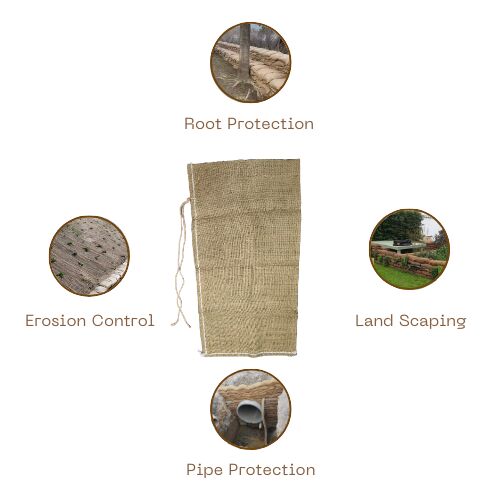
The LMC Root Proofing Sand Bag is a product designed to prevent root intrusion into pipes and other underground structures. It's commonly used in landscaping, construction, and plumbing applications where the intrusion of roots could cause damage or blockages.
Here are some common uses and steps for implementing LMC Root Proofing Sand Bags:
1) Root Protection: Placed around trees, shrubs, or plants to protect roots during construction, landscaping, or any ground-disturbing activities.
2) Erosion Control: Placed on slopes or areas prone to erosion to stabilize soil and prevent it from washing away.
3) Landscaping: Used as a part of landscape projects to create retaining walls, control sediment, or establish vegetation.
4) Foundation Protection: When building near trees or green areas, these sandbags can act as a barrier between the construction site and existing vegetation, minimizing the risk of root intrusion into the building's foundation.
5) Pipe Protection: Installing these bags around underground pipes can prevent root ingress, reducing the likelihood of blockages or damage to plumbing systems.
6) Sewer and Drain Protection: Placing these bags around sewer lines or drainage systems helps to deter roots from infiltrating and causing blockages, minimizing the need for frequent maintenance or costly repairs.
7) Soil Conditioning: Utilized in gardening or farming to assist in conditioning soil by holding moisture and promoting a healthy environment for plant growth.
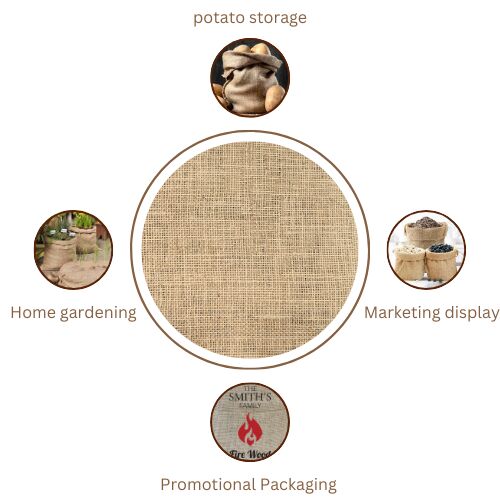
Machine filling (Baxmatic) jute burlap bags for potatoes is a mechanized process designed to streamline and enhance the efficiency of packaging potatoes on a large scale. In this method, specialized machinery is employed to automate the filling of jute burlap bags with potatoes, ensuring a systematic and uniform packaging process. Machine filling is particularly advantageous for commercial potato farms and processing facilities, allowing for increased productivity while maintaining the integrity of the potatoes during the packaging stage.
1) Potato Storage: Jute bags are commonly used for storing potatoes. They provide good ventilation, allowing air to circulate around the potatoes, preventing moisture buildup, and reducing the risk of rot.
2) Transportation: Jute bags are durable and can withstand the rigors of transportation. If the Baxmatic Jute Potato bag has specific design features or enhancements, it might be particularly suitable for transporting potatoes from farms to markets or processing facilities.
3) Market Display: Jute bags can be aesthetically pleasing and contribute to a rustic or natural look. They are often used for displaying potatoes in farmers' markets or grocery stores.
4) Promotional Packaging: If the Baxmatic Jute Potato bag has a unique design or branding, it could be used as a promotional item for potato producers or distributors, serving as a form of advertising while also providing practical value.
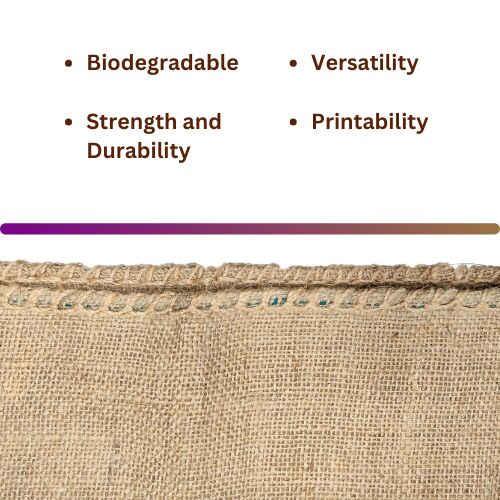
5) Biodegradability: Jute is a natural fiber, and if the Baxmatic Jute Potato bag is designed with environmental considerations, it could be promoted as a sustainable and biodegradable alternative to plastic bags.
6) Home Gardening: Consumers might use these bags for storing potatoes at home. Jute is a breathable material, which can help in keeping potatoes fresh for a more extended period.
7) Crafts and DIY Projects: Empty jute potato bags can be repurposed for various crafts or DIY projects, contributing to sustainability efforts.
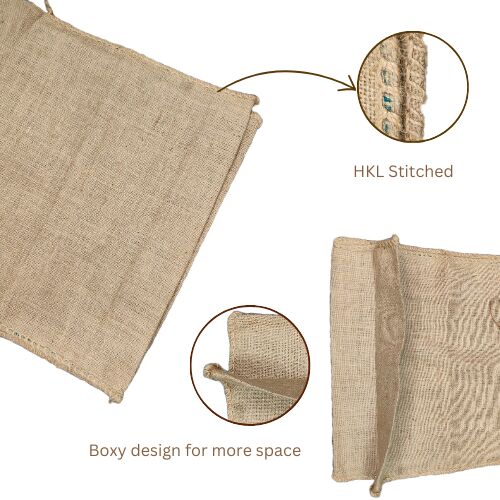
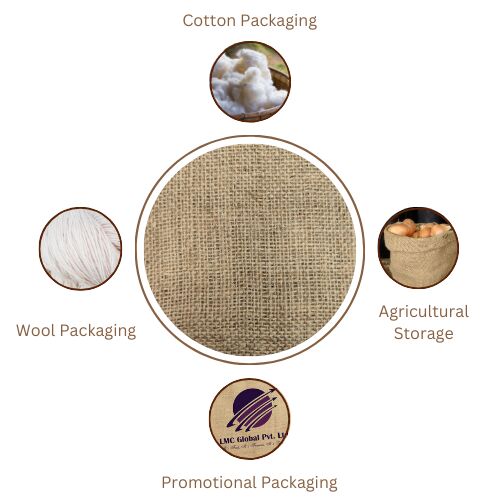
Jute box bag is a versatile and eco-friendly packaging solution designed specifically for the transportation and storage of cotton and wool products. Constructed from natural jute Fibers, these bags offer a sustainable alternative to traditional packaging materials. Jute is a plant-based material known for its strength and durability, making it an ideal choice for securing and protecting delicate textiles like cotton and wool.
1) Wool & raw Cotton Packaging: The primary use of these bags is for packaging wool and raw cotton. They provide a sturdy and breathable option for storing and transporting wool from farms to processing units or marketplaces.
2) Agricultural Storage: Jute Box bags can be used for storing goods in warehouses, ensuring proper ventilation and protection from external elements.
3) Bulk Goods Transportation: These bags are ideal for transporting bulk goods due to their strength and capacity to carry a significant weight.
4) Promotional Packaging: Businesses can use these bags for promotional purposes by printing their logos, slogans, or product information on the bags.
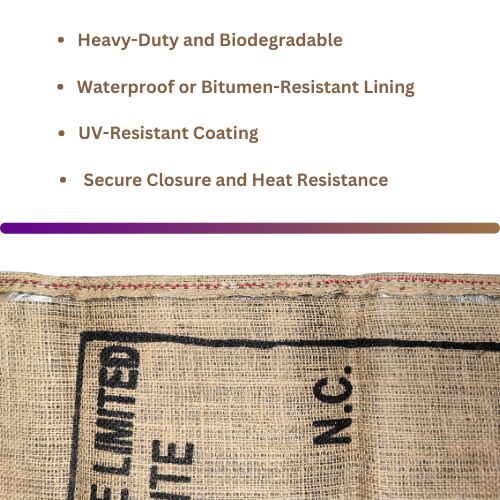
LMC Jute Hessian Burlap Bags can be utilized for various applications in the bitumen industry due to their specific features and characteristics. Bitumen, a viscous and thick substance commonly used in road construction and waterproofing applications, requires durable and reliable packaging to prevent leakage and ensure safe handling. This type of packaging is widely used in the construction industry for its robustness and eco-friendly characteristics, contributing to sustainable practices in the transportation and storage of bitumen. Here are some reasons why jute hessian bags are suitable for bitumen packaging:
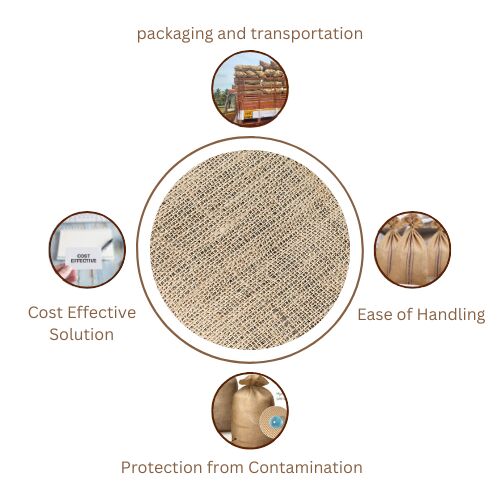
1) Packaging and Transportation: LMC Jute Hessian Burlap Bags can be used for packaging and transporting bitumen safely. The sturdy nature of jute makes these bags suitable for containing and securing bitumen during transit.
2) Protection from Contamination: Jute is a natural fiber that provides a protective barrier against external contaminants. These bags can shield bitumen from dust, moisture, and other environmental elements, maintaining the quality of the product.
3) Breathability: The breathable nature of jute allows for proper ventilation, preventing the buildup of moisture within the bag. This is crucial for bitumen, as moisture can impact its properties and quality.
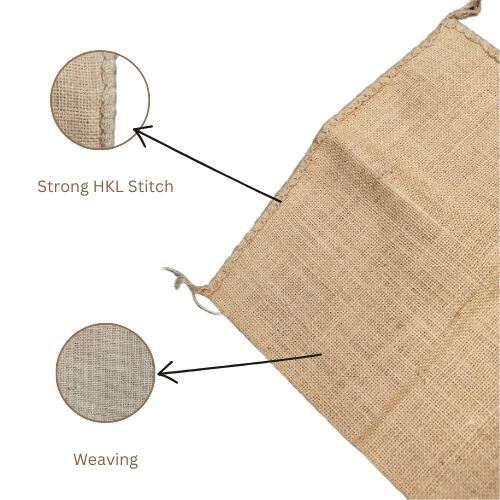
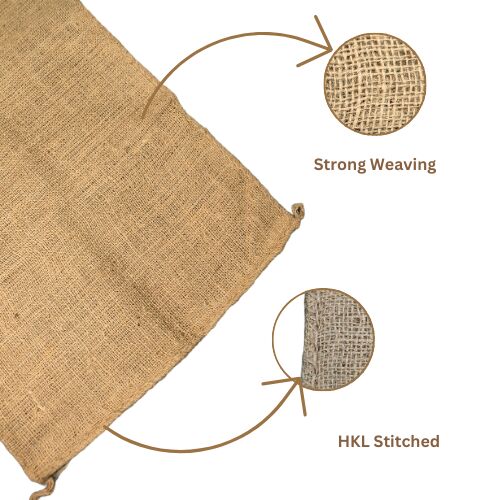
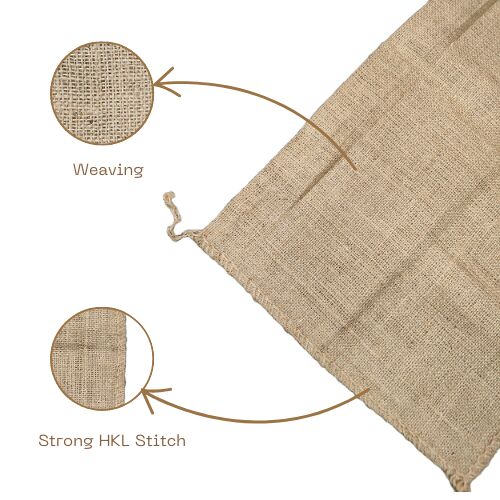
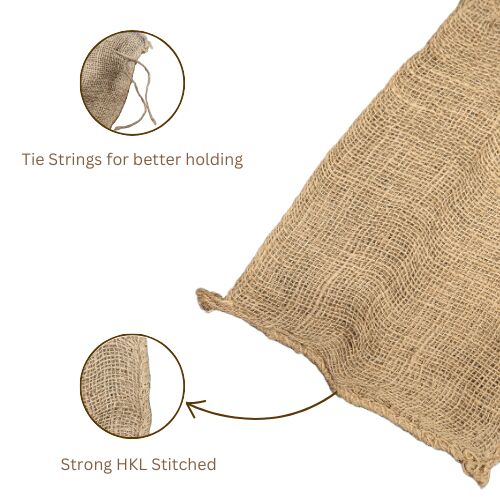
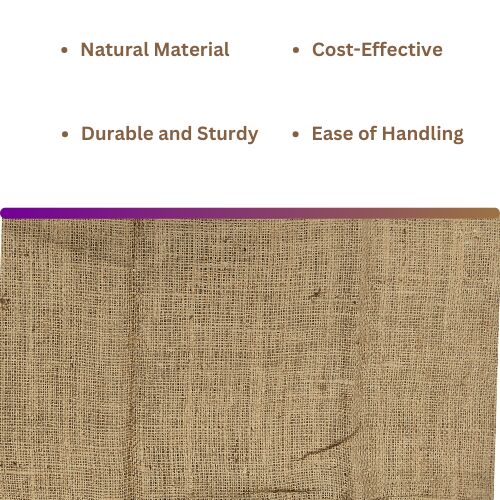
4) Ease of Handling: The bags are typically designed with convenient closures and stitching, facilitating easy handling during loading, unloading, and storage. This contributes to efficiency and safety in the transportation and usage of bitumen.
5) Cost-Effective Solution: Jute burlap bags are often a cost-effective packaging solution compared to some synthetic alternatives. This makes them a preferred choice for companies seeking a balance between cost efficiency and environmental sustainability.
Kolkata-based LMC Global Pvt. Ltd. is a well-known brand in the jute sector. Situated in Kolkata, we provide excellent jute goods that adhere to the strictest quality requirements. We have been a reputable jute hessian burlap bag manufacturer in India for a long time because of our vast expertise and commitment to quality. Join us to get long-lasting, environmentally responsible jute solutions.
Adaptable Uses
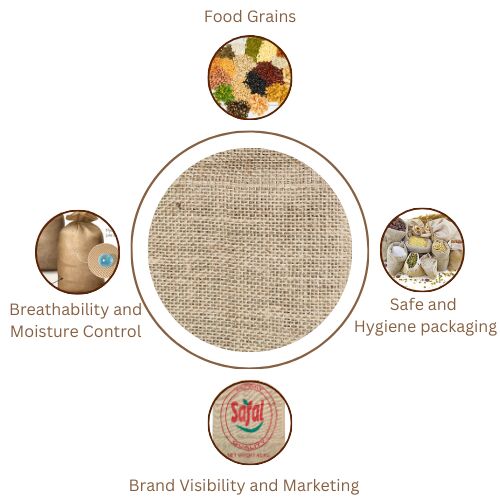
For a variety of uses, our LMC jute hessian burlap bags for food grain are perfect. They ensure the safe and secure handling of food grains and are ideal for storage and transit. Farmers and wholesalers may benefit from an effective solution by using these bags for bulk packaging.
They also make excellent retail packaging, providing a more environmentally friendly option than plastic. Our jute bags come in quite handy when it comes to delivering food and supplies during emergencies.
Eco-friendly and robust
High-quality jute is used in the manufacturing of LMC jute hessian burlap bags for food grain by LMC Global Pvt. Ltd., guaranteeing their durability. Our bags are a sustainable option since the material, jute, is natural and biodegradable. They meet our sustainability objectives since they break down without damaging the environment.
Safe and dependable
LMC Global Pvt. Ltd is a reliable jute hessian burlap bag manufacturer. The goal of our jute hessian burlap bags is to give food grains the best possible protection. Their superior breathability helps to keep moisture from accumulating and guarantees that the grains stay dry and fresh. The bags are ideal for bulk storage and transit because of their sturdy design, which guarantees that they can support large weights.
Contact Us
As your dependable LMC jute hessian burlap bags supplier for food grain, choose LMC Global Pvt. Ltd. To place your order and see for yourself the exceptional quality of our jute goods, contact us right now.
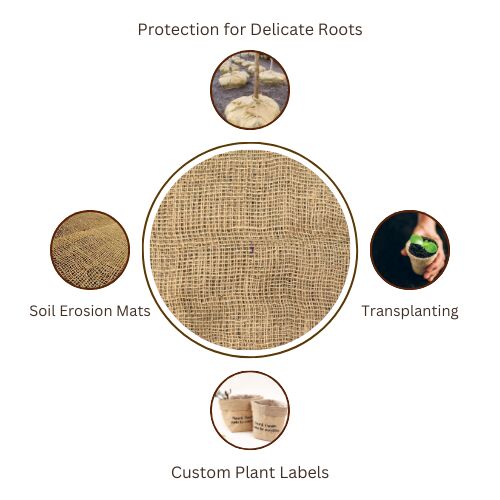
LMC Jute burlap bag for nursery plants is a purpose-designed and environmentally friendly packaging solution intended for the cultivation and transportation of young plants in their early growth stages. These bags are crafted from natural jute Fibers, offering a sturdy and breathable material that promotes optimal conditions for plant health. This eco-friendly packaging solution is favoured for its natural properties and ability to support the health and growth of nursery plants.
Uses:
1) Used as Protection for Delicate Roots: The coarse and woven texture of burlap provides a protective layer around the plant's roots, shielding them from external elements and potential damage during transportation and handling.
2) Used as Custom Plant Labels: Cut the burlap into small tags and use them as natural plant labels. Write the plant name or any other relevant information with a waterproof marker.
3) Soil Erosion Mats: Cut burlap bags into strips and use them to create soil erosion mats. These can be laid on exposed soil to prevent erosion and promote plant growth.
4) Transplanting: When transplanting seedlings or small plants, place them in burlap bags. This can reduce transplant shock, as you can directly plant the bag into the soil without disturbing the roots.
Jute burlap bags are a popular choice for transporting and planting nursery plants. They are made from natural Fibers and are biodegradable, making them an eco-friendly option. Jute burlap bags are also durable and can be reused multiple times. Jute burlap bags are ideal for nursery plants because they allow the roots to breathe and grow naturally. The bags are porous, which allows air and water to circulate around the roots, promoting healthy growth.
Uses:
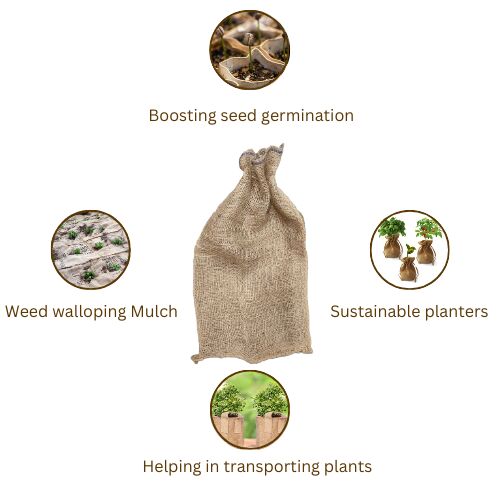
1) Boosting Seed Germination: Burlap's moisture-retaining properties make it ideal for speeding up seed germination, especially for slow-starters like carrots and parsley. Soak a strip of burlap, place it over sown seeds, and watch them sprout faster! Remember to remove the burlap once seedlings emerge for optimal light exposure.
2) Sustainable Planters: Forget plastic pots! Burlap bags can be transformed into unique and breathable planters. Simply cut open a bag, line it with plastic for moisture control, and fill it with potting mix. The natural Fibers allow for air circulation, promoting healthy root growth.
3) Helping in Transporting Plants: Burlap bags make excellent tools for transporting young plants. Wrap the root ball securely in burlap before moving, protecting it from damage and preventing soil from spilling.
4) Weed-Walloping Mulch: Laying down overlapping burlap bags around your plants creates a natural weed barrier. The fabric blocks sunlight, hindering weed growth while allowing water and air to reach the soil. Plus, it biodegrades over time, adding nutrients to the soil.
Jute burlap bags have been used for centuries to package agricultural and feed products, including potatoes, rutabagas, grains, beans, and coffee, among other dry materials. The use of jute burlap bags for potato and vegetable packaging offers several advantages. Firstly, the natural Fibers of jute provide a breathable and moisture-absorbing environment, helping to maintain the freshness and quality of the produce. The bags allow for proper air circulation, reducing the risk of moisture buildup and preventing spoilage.
Uses:
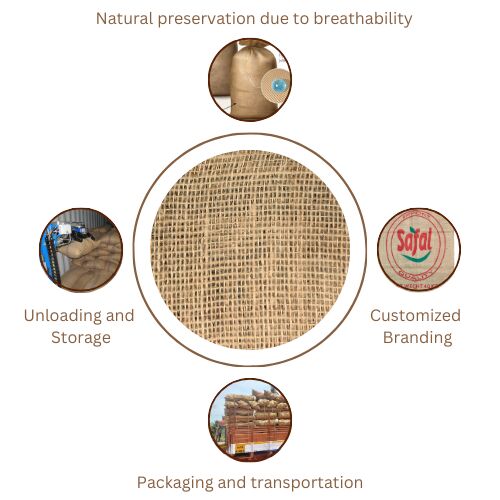
1) Natural Preservation due to breathability: The breathable nature of jute helps in preserving the freshness of potatoes and vegetables by preventing condensation inside the bags. This, in turn, contributes to an extended shelf life for the produce.
2) Customizable Branding: Jute burlap bags can be customized with logos and branding, providing an opportunity for farmers or distributors to promote their products and enhance brand visibility.
3) Packaging and transportation of potatoes, vegetables: Potatoes packed in jute burlap bags are transported to various destinations, such as local markets, distribution centers, or processing facilities. The breathable quality of the bags helps regulate temperature and moisture levels during transit, reducing the risk of spoilage.
4) Easy Unloading and Storage: Upon reaching the destination, the bags are unloaded carefully to prevent damage to the potatoes. The breathable bags are suitable for short-term storage, allowing the potatoes to remain fresh until they are ready for distribution or sale.
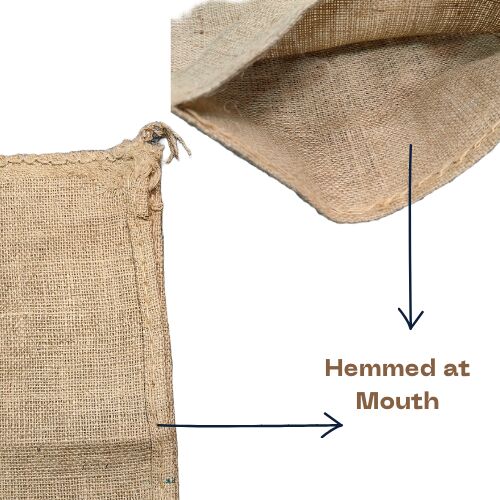
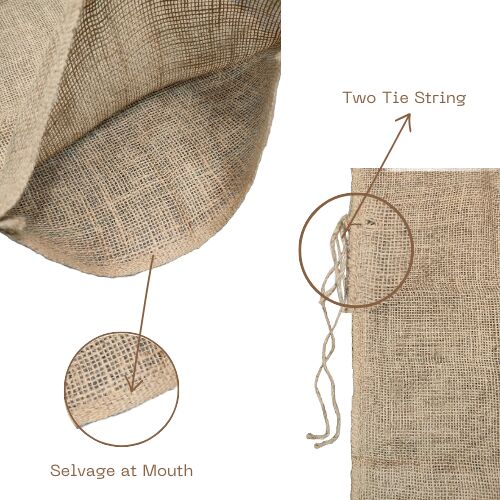
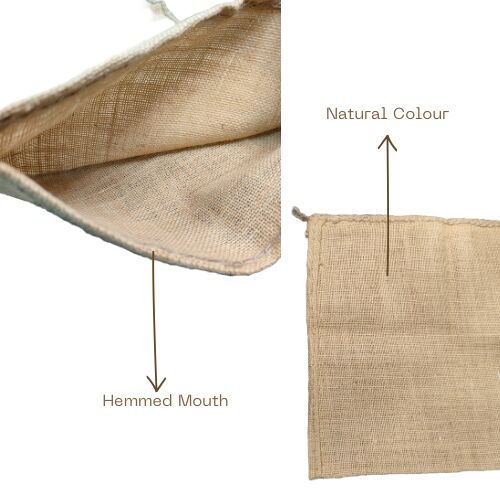
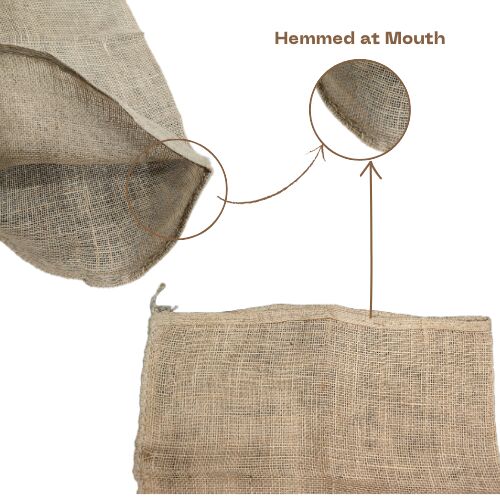
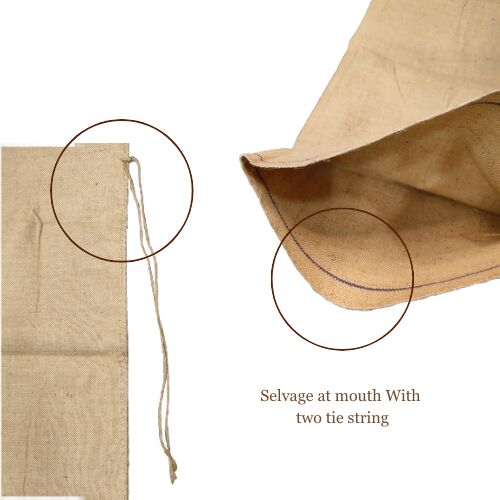
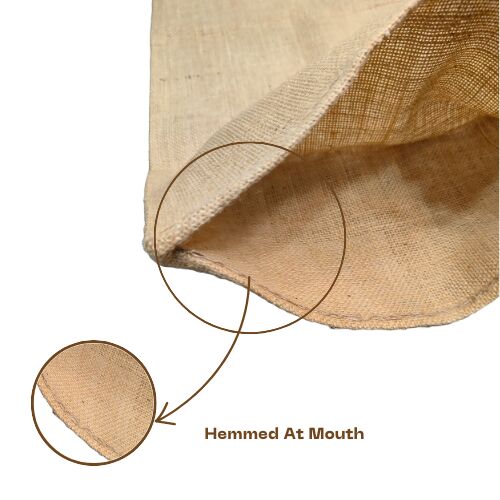
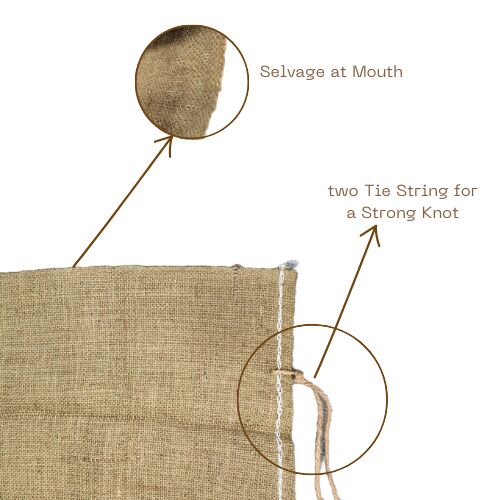
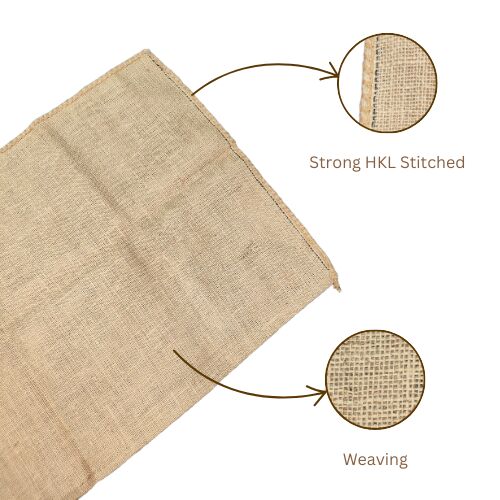
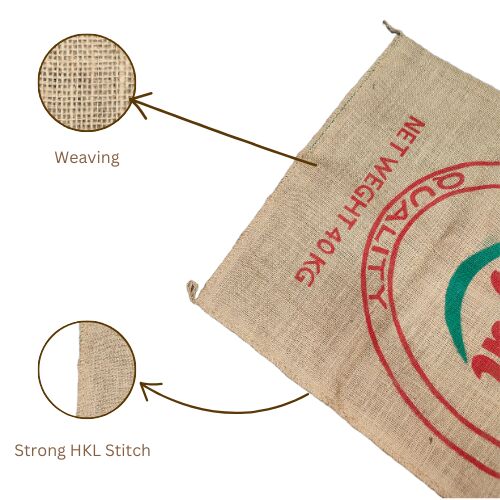
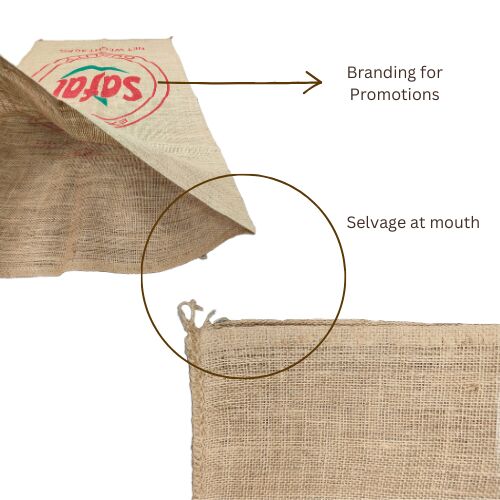
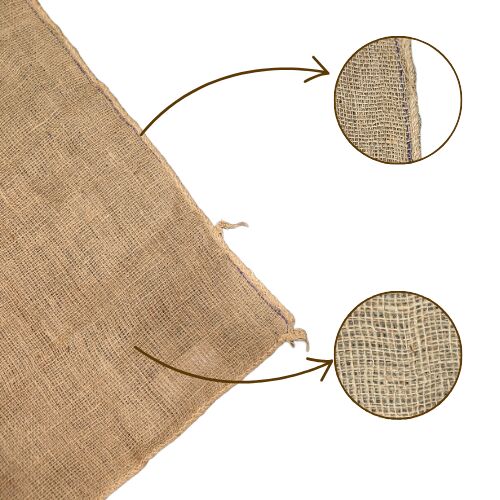
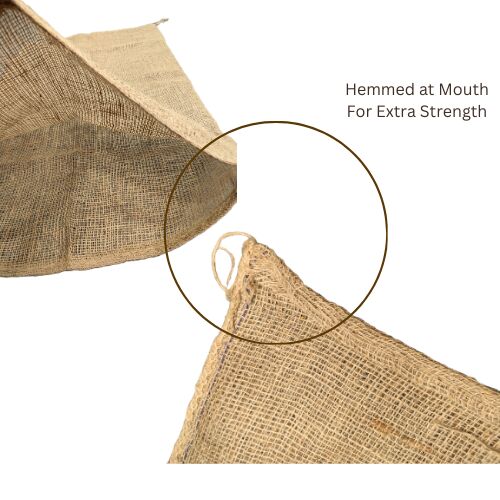
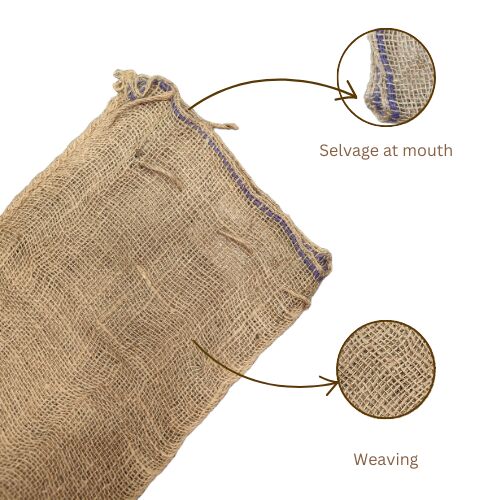
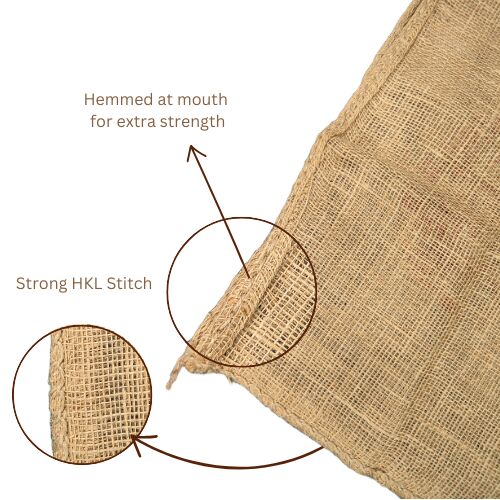
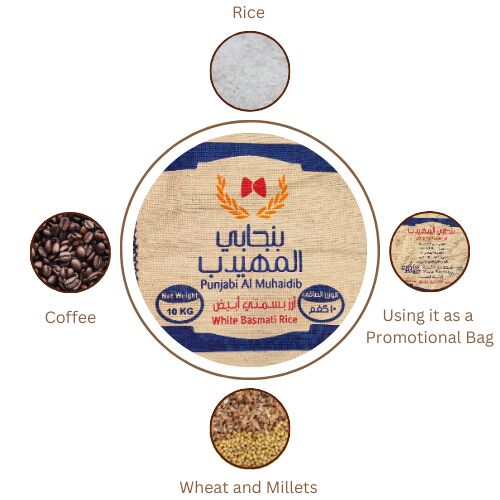
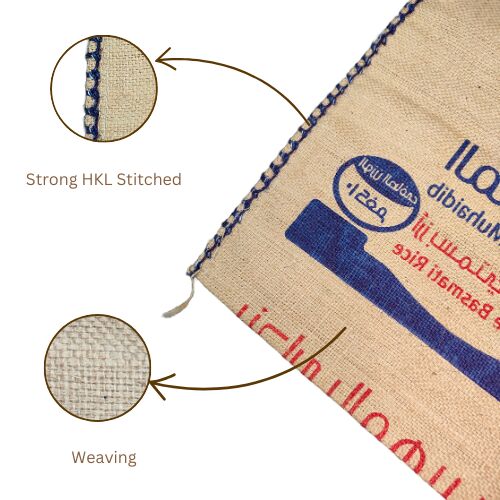
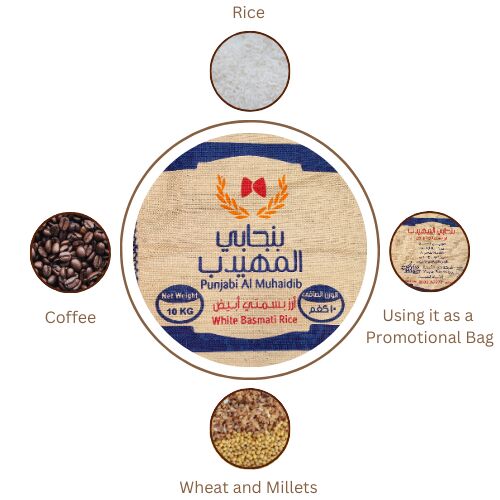
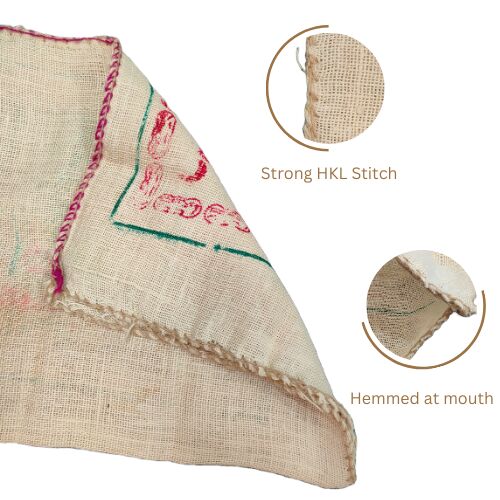
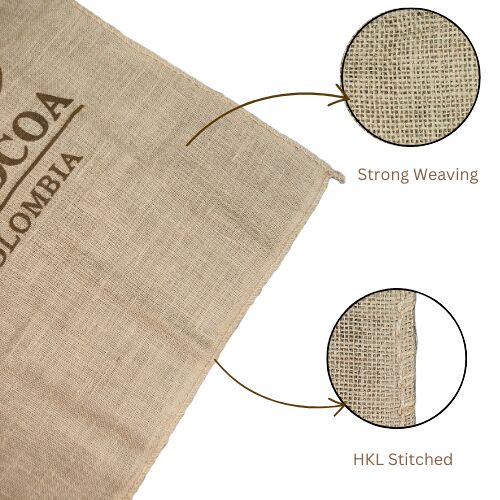
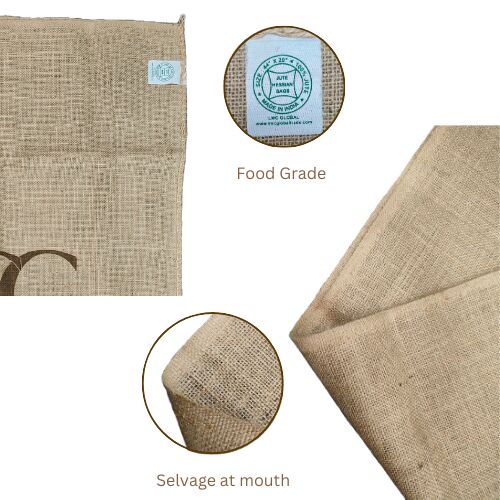
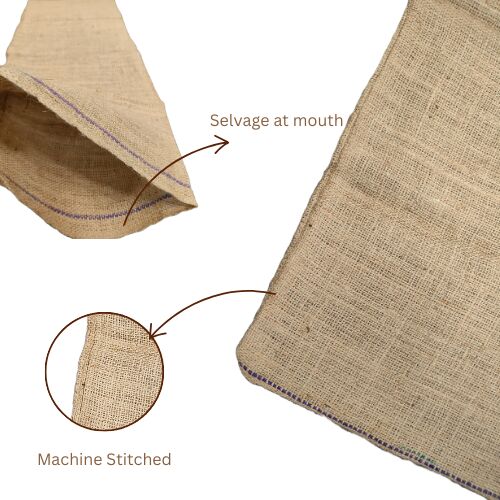
LMC Jute Rice bag is a sturdy and environmentally friendly packaging solution commonly used in the agricultural industry. Made from natural jute fibers, these bags exhibit a coarse and woven texture characteristic of burlap. Additionally, the jute burlap rice bag often includes features such as a sewn-in selvage at the mouth, providing added durability to withstand the weight of the rice and the rigors of handling.
Uses:
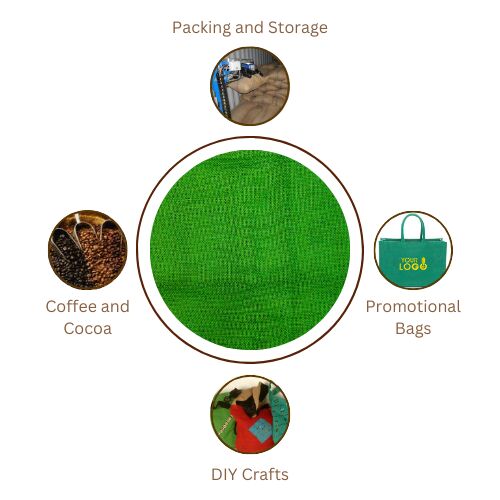
1) Packaging and Storage of Rice: The primary purpose of these bags is to package and transport rice. The natural properties of jute, such as breathability, help in keeping the rice dry and preventing the growth of mold or mildew.
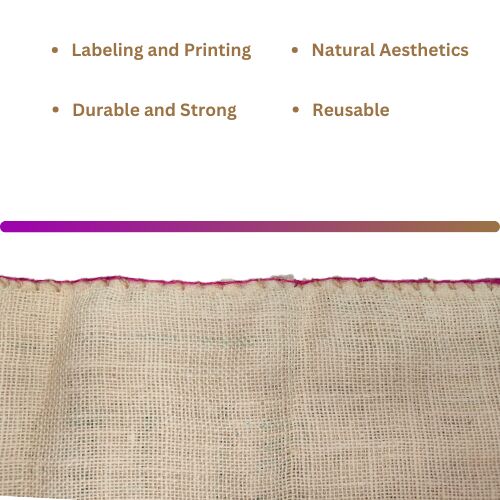
2) Promotional Bags: These bags can be utilized as eco-friendly promotional or shopping bags. Printing logos or promotional messages on bags is common, especially considering the increasing demand for sustainable and reusable options.
3) DIY Crafts: Jute burlap bags can be repurposed for various DIY crafts. They can be used for making decorative items, plant holders, or even wall hangings.
4) Gift Packaging: Small jute bags can be used for packaging gifts. They provide a rustic and eco-friendly touch to gift wrapping.
A jute burlap rice bag is a sack traditionally made from woven jute fibers, a natural material obtained from the Corchorus olitorius plant. These bags are commonly used for storing and transporting rice, but they can also be used for other purposes such as packaging coffee beans, potatoes, and other agricultural products. Jute burlap rice bags are strong and durable, making them ideal for protecting food from damage during transport and storage.
Uses:
1) Storage of variety of products: Use them to store just about anything, from firewood and logs to gardening tools and supplies. The burlap fabric is breathable, which helps prevent moisture buildup and keeps your stored items dry and protected.
2) DIY Crafts: Jute burlap bags can be repurposed for various DIY crafts. They can be used for making decorative items, plant holders, or even wall hangings.
3) Planting and gardening: Fill them with soil to create raised garden beds or planters for herbs, vegetables, and flowers. The burlap is biodegradable and will eventually decompose, adding nutrients to the soil.
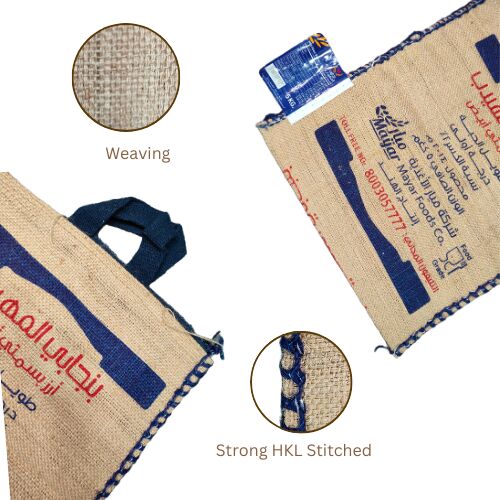
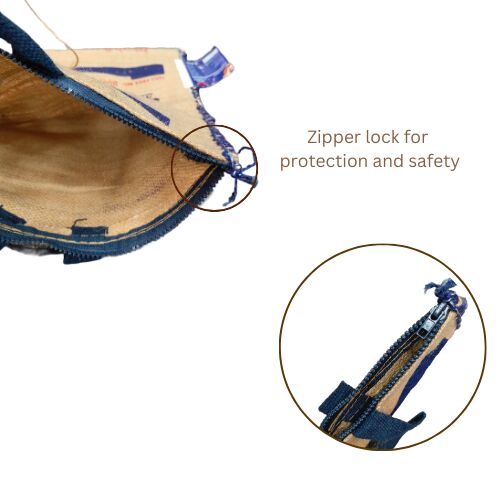
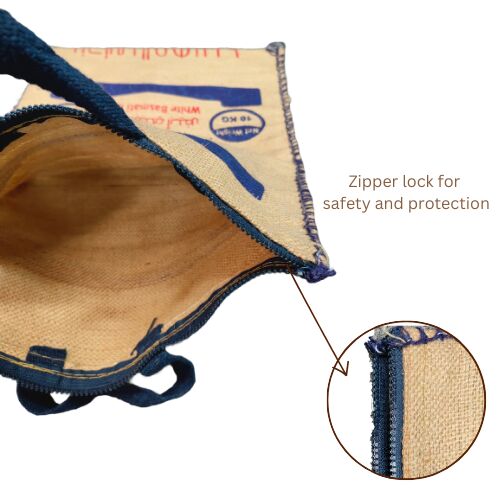
4) Promotional Packaging: Businesses can use these bags with zippers for promotional purposes. They can be customized with logos or messages and given away as promotional packaging for events or products.
A Jute burlap rice bag of 25 kilograms is a robust and eco-friendly packaging solution widely used in the agricultural and food industry. The large size, designed to accommodate 25 kilograms of rice or other grains, makes them ideal for bulk packaging and transportation. The coarse and textured burlap material not only provides strength to withstand the weight but also allows air circulation, preventing the accumulation of moisture and ensuring the stored grains remain dry and free from mold.
Uses:
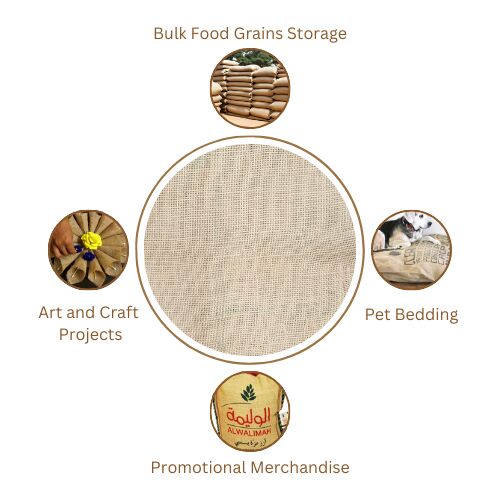
1) Bulk Food Grains Storage: The large capacity of 25 kilograms makes these bags ideal for bulk storage of dry food grains items like Rice, pulses, beans, and lentils, ensuring long-lasting freshness.
2) Art and Craft Projects: The versatile nature of jute burlap makes it a popular choice for craft and art projects. These bags can be cut, painted, and sewn into various creative items such as wall hangings, tote bags, or coasters.
3) Pet Bedding: Fill larger bags with soft materials like old fabric or cushioning to create comfortable bedding for pets. Ensure that the material is clean and safe for your pets.
4) Promotional Merchandise: Businesses can utilize these bags as promotional merchandise by customizing them with logos or messages for distribution at events or as part of marketing campaigns.
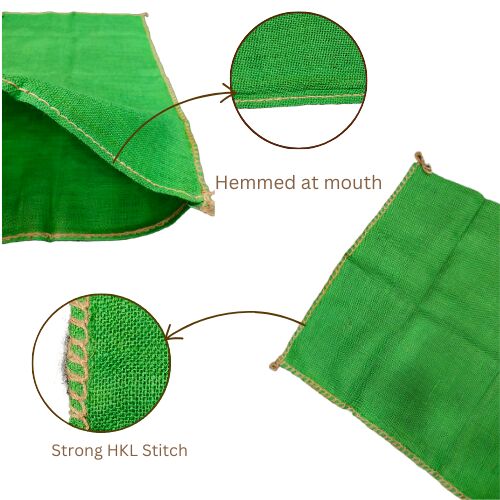
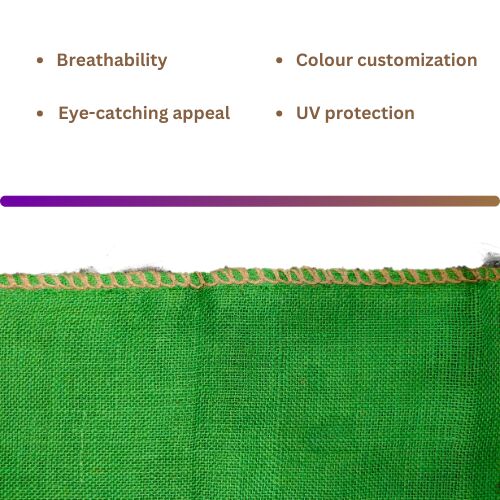
LMC Dyed Jute Hessian Burlap Bag refers to a bag made from jute fabric that has undergone a dyeing process to add color to it. Dyed jute burlap bag is a versatile and eco-friendly packaging solution that combines the natural characteristics of jute with the aesthetic appeal of vibrant colors. There have many options are availble for using this bag:
1) Packaging and Transportation of Agricultural Products: Jute bags are commonly used for packaging and transporting agricultural products like grains, pulses, and nuts. The breathable nature of jute helps in preventing moisture build-up and keeps the contents well-ventilated.
2) Packaging and Transportation of Coffee and Cocoa: Jute bags are widely used in the coffee and cocoa industry for the transportation of beans. The material provides a natural and sustainable packaging solution.
3) Packaging and Transportation of Spices and Herbs and vegetables: Jute bags are suitable for packaging and transporting spices, herbs and Vegetables due to their breathable nature, which helps maintain the quality and freshness of the products.
4) Promotional Bags: Companies often use customized jute bags for promotional purposes. The dyed and printed options provide a visually appealing canvas for branding while also promoting an environmentally friendly image.
5) Storage of Bulky Items: Due to their strength and durability, jute bags are suitable for storing and transporting bulky items like hardware, tools, or even firewood.
6) Gardening and Nursery: Jute bags are used for packaging and transporting plants in nurseries. The breathable fabric allows air circulation, promoting the health of the plants.
LMC Food Grade Jute Burlap Hessian Bag for Coffee & Cocoa Beans
Are you looking to purchase the top-quality food-grade jute bags for coffee export? Yes. You are in the right place. We at LMC Globe are here with LMC Food Grade Jute Burlap Hessian Bags for Coffee & Cocoa Beans, carefully crafted to meet global standards of food security and sustainability. Made to give the bulk packaging and export of coffee and cocoa beans, our eco-friendly bags are simply ideal for the traders, farmers, and exporters across the world.
Our food-grade jute coffee bags are made with top-quality biodegradable jute fibres. The jute fibers assures about the natural ventilation and safety for your beans during transport and storage. They are thoroughly tested to meet international food safety norms, making them ideal for coffee packaging for exporting.
Why select LMC Food Grade Jute Coffee Bags for Export Quality?
Our food-grade jute bags for coffee export are not simply durable and breathable but also add to eco-conscious practices. The UV-resistant and natural anti-static properties make them the best choice for businesses looking for sustainable and trustworthy packaging solutions.
Applications and Reach Country-Specific
United States (USA):
One of the largest coffee-consuming countries, USA has high demand for coffee product. Our bags are one of the preferred options by coffee roasters and importers in the US who seek compliant and sustainable packaging solutions. Our offered bags meet the FDA food-contact safety regulations of the US. We make sure for an easy import and distribution procedure.
Australia:
Australian coffee exporters and wholesalers trust our Food Grade Jute Coffee Bags for Export Quality for Coffee Packaging due to their strength and resistance to changing temperatures. If you are shipping across overseas or across states, our bags keep the freshness and aroma of coffee beans throughout.
Germany:
Europe's top coffee importer - Germany- plays a major role in packaging likings. Our food-grade jute bags for coffee export are in high demand among German coffee traders and roasting houses focused on reducing plastic handling in packaging.
Spain:
The growing coffee roasting sector in Spain chooses the LMCs premium-grade jute bags to store and hand out speciality and organic coffee beans. Our breathable fabric makes sure that the quality of the beans stays intact during transit.
United Kingdom:
In the UK, coffee houses and buyers demand top-quality, eco-friendly packaging. Our LMC Food Grade Jute Burlap Hessian Bag for Coffee & Cocoa Beans gives a perfect solution for meeting both performance and sustainability standards.
United Arab Emirates (UAE):
The UAE is a major hub for the coffee trade in the Middle East. Importers and exporters here select our food-grade jute bags for coffee export to answer the top segment's expectations. Our bags assist in preserving quality, scent, and moisture control, making them suitable for the areas climate.
Netherlands:
As a popular coffee trading gateway in Europe, the Netherlands places a high importance on accountable sourcing and packaging. Our jute burlap hessian bags are trendy with Dutch coffee dealers and logistic firms that value compliance, quality, and sustainability.
France:
Popular for its love of gourmet coffee, France relies on top-quality packaging that ensures quality maintenance. LMCs jute bags are broadly used by French coffee brands focused on organic and artisanal bean deals.
Saudi Arabia:
In the fast-growing coffee market of Saudi Arabia, our food-grade jute coffee bags for export present the ideal packaging choice. Their capacity, power, and food-grade compliance help businesses keep the highest export standards.
Kenya:
As a major producer and exporter of coffee beans, Kenya brings directly from using LMC Food Grade Jute Burlap Hessian Bags for Coffee & Cocoa Beans. Our bags support local producers with international-standard packaging, boosting the profitability of Kenyan coffee abroad.
Order Today
Whether you are situated in the USA, Australia, the United Kingdom, Germany, Spain, UAE, Netherlands, Saudi Arabia, France, or Kenya, LMC is your reliable partner to buy premium food-grade jute bags for coffee export. Select from different sizes and custom printing options to suit your brand requirements.
Visit our website or contact our team now to place your order for LMC Food Grade Jute Burlap Hessian Bags for Coffee & Cocoa Beans and enjoy the premium quality and eco-conscious packaging at its top level.
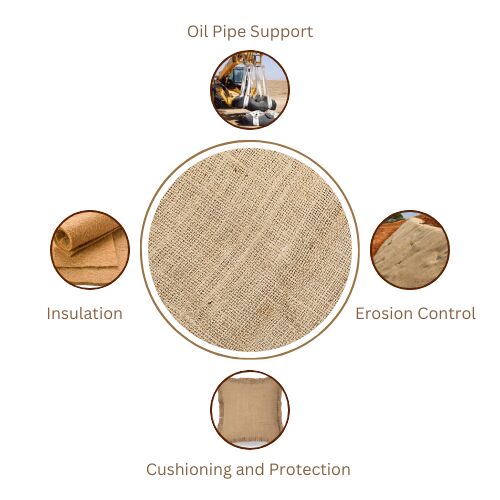
The use of Long Hessian Jute Bags for oil pipe supporting is an interesting idea that may have several potential benefits. While jute bags are traditionally associated with packaging and transportation, their application in supporting oil pipes could provide advantages in certain situations. Here are some potential uses and benefits:
1) Cushioning and Protection: Long Hessian Jute Bags can be filled with materials such as sand or other padding substances to create a cushioning effect. Placing these bags around oil pipes can help absorb shocks and vibrations, providing protection against external impacts.
2) Support and Stability: The bags can be used to provide support and stability to the oil pipes during transportation or storage, preventing them from shifting or sustaining damage.
3) Environmental Sustainability: Jute is a natural, biodegradable material, making it an environmentally friendly choice. Using jute bags for oil pipe support aligns with sustainability goals and reduces the environmental impact compared to non-biodegradable materials.
4) Erosion Control: In some oil extraction or transportation scenarios, erosion can be a concern. Placing jute bags strategically around pipes can help control soil erosion by stabilizing the ground and preventing sediment runoff.
5) Easy Installation and Removal: Jute bags are lightweight and easy to handle, making them convenient for installation and removal. This can be particularly advantageous in temporary or changing environments where the support needs may vary.
6) Flexibility and Adaptability: Long Hessian Jute Bags can conform to the shape of the pipes, providing flexibility in their application. This adaptability is beneficial when dealing with irregular or uneven terrains.
7) Insulation: Jute has natural insulating properties. Using jute bags around oil pipes may help provide insulation, protecting the pipes from extreme temperatures and weather conditions.
8) Community Engagement: If the oil industry operates in areas where the local community is involved in jute cultivation or production, using jute bags could have positive social implications by supporting local economies.
 Mr. Wasim Akram (LMC Global Private Limited)
 Siddha Weston, 3rd Floor, Room No. 306, 9-Weston Street, Bow Barracks, Kolkata, West Bengal - 700013, India
 https://www.lmcglobaltrade.com
 Share us via