
It prevents constipation by aiding digestion. It activates the digestive enzymes in our body, thus helps in proper digestion of food.
Detoxes the liver: It acts as a detox, as it helps cleanse the liver by flushing out nasty toxins from the body.
Blood purifier:One of the most well-known benefits of jaggery is its ability to purify the blood. When consumed on a regular basis and in limited quantities, it cleanses the blood, leaving your body healthy.
Wholesome and healthy alternative to white sugar which has nothing but empty calories. Whereas, Jaggery acts as a natural sweetener and also, provides energy over an extended period of time
About the Product
The word ‘sugar’ means a simple carbohydrate* from any source and is used to indicate caloric sweeteners.
In fact, ‘sugar’ encompasses a wide array of caloric sweeteners from many different sources, not only from cane and beet.Sugars are the smallest and simplest type of carbohydrates. They are easily digested and absorbed by the body. There are two types of sugar.
Simple sugars (glucose, fructose, galactose) are small enough to be absorbed directly into the bloodstream.
Double Sugars (sucrose, maltose, lactose), as the name implies, contain 2 simple sugars linked together are broken down in the body into simple sugars.
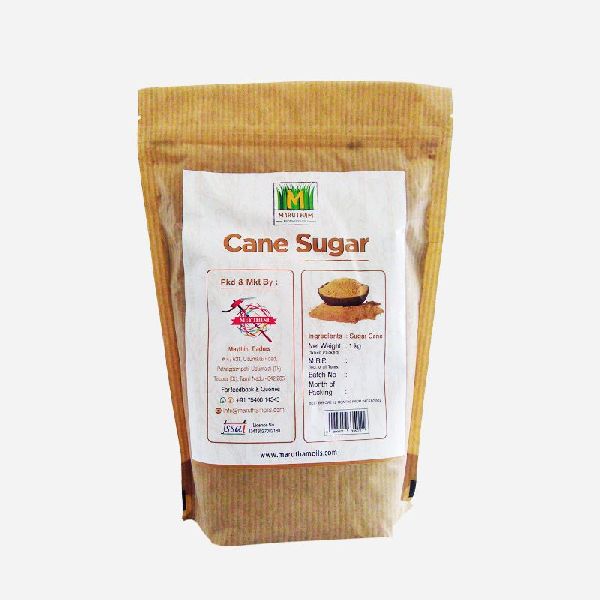
Caloric Sweeteners are made of simple and/or double sugars in concentrated form. Raw cane sugar is made from the extracted juice of sugar cane (Saccharum officinarum L.). Sugarcane grows mostly in warm climates around the world. After harvesting, the canes are pressed to extract the juice. The sugar cane juice is then evaporated by heating. The remaining product is raw cane sugar.
The distinguish between different types of raw cane sugar. These differences are based on the differences in origin and whether the raw cane sugar is partially centrifuged or not at all. Centrifugation separates sucrose crystals from other components of sugar cane juice. The lighter the raw cane sugar, the more it has been centrifuged and the less molasses it contains.
Raw cane sugars which have not been centrifuged are commonly called Non-Centrifugal Sugar (NCS) or whole raw cane sugar. They still contain high concentrations of molasses and have a dark colour. Depending on the origin of the sugar, it can also be called jiggery (South Asia), panela or rapadura (Latin America), muscovado (the Philippines) or Barbados sugar (Barbados).
Demerara sugar and turbinado sugar are partially centrifuged raw cane sugars. Demerara sugar is a light brown raw cane sugar originally produced in Guyana (a former colony called Demerara), with relatively large granules. Due to its increasing popularity, demerara sugar is now also produced in other countries such as Mexico and India. Turbinado sugar does not have a specific place of origin. It gets its name from a turbine-like centrifugal process which results in smaller granules than those found in other raw cane sugars.
It should be noted that there are no legal definitions for these specific types of raw cane sugar, and manufacturers use them freely for different types of sugar.
Use of Cane Sugar
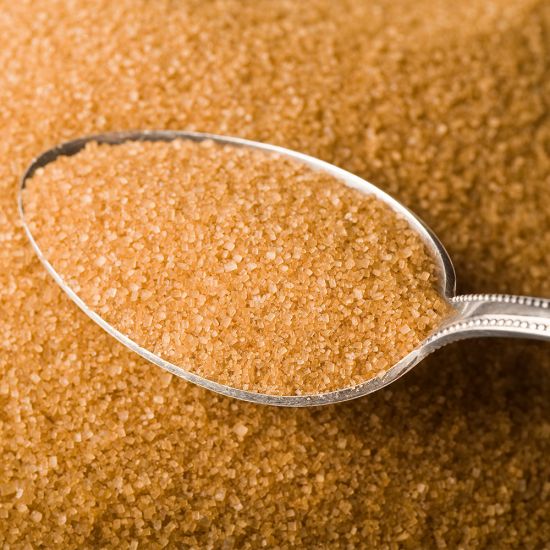
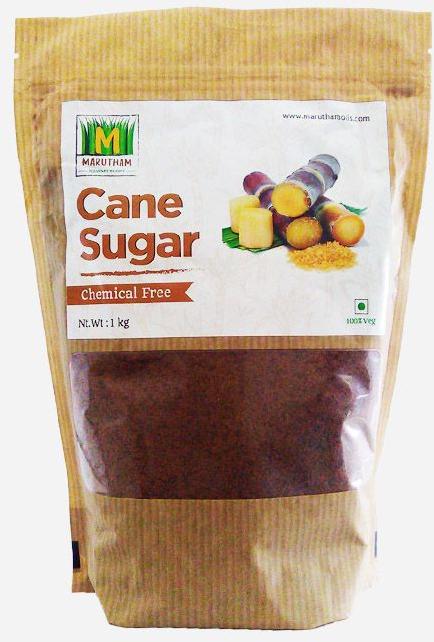
Chemical-Free , golden granulated sugar
Great in tea/ coffee
Sprinkle over a butter toast to relish it naturally
Natural brown sugar with an aromatic molasses flavour that is great in baking
Delivery Information
Delivery Time depends on the customer locations. Generally the average delivery time for the carriers.
South India (3 – 5 Working days) (Tamilnadu, Kerla, Andra, Telungana and Karnataka )