
My ExportersIndia

For Buyer

For Seller

For Help

Natural Life Care
gstGST : 07CCPPS7982C1ZX 4.0/5

Herbal Tablets & Capsules

Our product range contains a wide range of Goji Berry Extract Capsules, Shilajeet Extract Capsules, Ashwagandha Extract Capsules, Noni Extract Capsules and Organic Spirulina Capsules
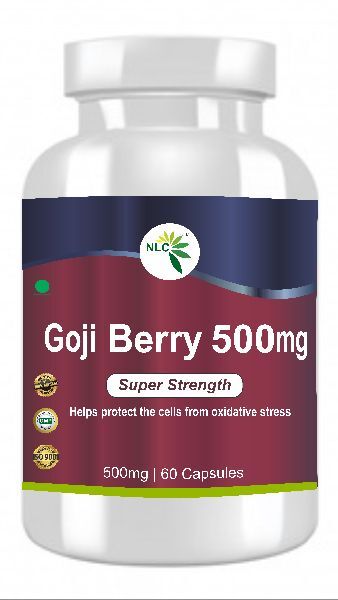
Goji Berry Extract Capsules

  • Shelf Life 1 Year
  • Form Capsules
  • Strength 500 mg
  • Storage Cool & Dry Place
  • Dosage As per directed by doctor
  • Medicine Type Allopathic
  • Servings per Container 60 capsules.

Details :

  • Goji berry (Lycium barbarum) is a type of fruit that grows on an evergreen shrub native to China, Mongolia, and the Tibetan Himalayas. Also known as wolfberry, the goji berry is rich in vitamin C, zeaxanthin, lutein, betaine, and compounds known as Lycium barbarum polysaccharides.
  • Frequently consumed as a food, goji berries are slightly tart and sweet and can be eaten dried, raw, or cooked. The whole, dried berries have a similar shape and texture as raisins. They can be added to oatmeal, trail mix, salads, and beverages such as tea and smoothies and are also available in juice or powder form.


Uses :

Proponents claim that goji berries can help with a broad range of health issues, including :

  • Age-related eye conditions
  • Diabetes
  • Fatigue
  • High blood pressure 
  • High cholesterol
  • In traditional Chinese medicine, dried mature goji berry is known as Fructus lycii  or gou qi zi.


Health Benefits :

  • Goji proponents suggest that consuming goji berries or drinking goji berry juice can boost health and stave off a host of health conditions. Goji berries, for instance, are purported to promote weight loss, sharpen eyesight, lift mood, improve circulation, and slow up the aging process.
  • Despite these claims, there's a lack of evidence from large, well-designed clinical trials (the type of research needed to draw conclusions) confirming the claims. Here's a look at several findings from the available research :


Age-Related Eye Conditions :

  • Goji berry has been explored for eye conditions such as age-related macular degeneration, glaucoma, retinitis pigmentosa, and diabetic retinopathy. It is rich in Lycium barbarum polysaccharides (substances found to counteract oxidative stress) and zeaxanthin and lutein, carotenoids that form the "macular pigment" in the area of the eye known as the macula.
  • Macular pigment is believed to be important for vision and for absorbing blue light (excessive exposure of this portion of the visible light spectrum, emitted by sunlight and electronic devices, may damage light-sensitive cells).


General Well-Being :

  • Consuming goji berries on a regular basis may boost your general well-being, according to a  report  published in the Journal of Medicinal Food  in 2012. For the report, researchers looked at four previously published clinical trials (including a total of 161 participants) that tested the effects of daily intake of juice made with goji berries.
  • In their analysis, the report's authors found that study members who consumed goji berry juice daily experienced significantly greater improvements in factors such as stress, sleep quality, and overall feelings of health compared to study members given a placebo each day.


High Cholesterol :

  • A preliminary  study  published in the  Journal of Agricultural and Food Chemistry  in 2017 indicates that goji berry extract may have anti-inflammatory and antioxidant effects in people with mildly high cholesterol who are considered overweight.
  • For the study, participants consumed a goji berry extract or a placebo after one meal per day over an eight-week period. The study's authors observed that those who consumed the goji extract had a decrease in markers of inflammation.
View Complete Details

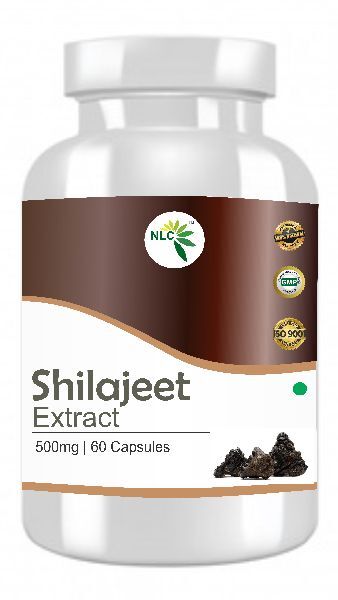
Shilajeet Extract Capsules

  • Shelf Life 1 Year
  • Form Capsules
  • Pack Type 60 Capsules
  • Dosage As per directed by doctor
  • Storage Cool & Dry Place
  • Strength 500 mg
  • Medicine Type Allopathic

Details :

  • Fulvic acid is a yellow-brown substances found in natural material such as shilajit, soil, peat, coal, and bodies of water such as streams or lakes. Fulvic acid is formed when plants and animals decompose.
  • People take fulvic acid by  mouth  for  brain  disorders such as  Alzheimer’s disease, as well as respiratory tract infections,   cancer,   fatigue, heavy metal toxicity, and preventing a condition in which the body tissues do not receive enough oxygen (hypoxia).


How does it work?Fulvic acid might have various effects in the body. Fulvic acid might block reactions in the body that cause allergy symptoms. It might also interrupt steps involved in the worsening of brain disorders such as dementia. Additionally, fulvic acid might reduce inflammation and prevent or slow the growth of cancer. Fulvic acid seems to have immune-stimulating and antioxidant effects. 

Uses & Effectiveness?Insufficient Evidence for

  • Alzheimer’s disease.
  • Respiratory tract infections.
  • Cancer.
  • Fatigue.
  • Heavy metal toxicity.
  • Preventing a condition in which the body tissues do not receive enough oxygen (hypoxia).
  • Other conditions -More evidence is needed to rate fulvic acid for these uses.
View Complete Details

Ashwagandha Extract Capsules

  • Form Capsules
  • Application Health Related Issue
  • Cultivation Type Organic
  • Feature No Side Effect
  • No. of Capsules in a Pack 60
  • Ashwagandha English Name Winter Cherry

Details :

  • Ashwagandha is a plant. The root and berry are used to make medicine.
  • Ashwagandha has a lot of uses. But so far, there isn't enough information to judge whether it is effective for any of them.
  • Ashwagandha is used for arthritis, anxiety, bipolar disorder, attention deficit hyperactivity disorder (ADHD), balance, obsessive-compulsive dirorder (OCD), trouble sleeping (insomnia), tumors, tuberculosis, asthma, a skin condition marked by white patchiness (leukoderma), bronchitis, backache, fibromyalgia, menstrual problems, hiccups, Parkinson's disease, and chronic liver disease. It is also used to reduce side effects of medications used to treat cancer and schizophrenia. Ashwagandha is used to reduce levels of fat and sugar in the blood.
  • Ashwagandha is also used as an "adaptogen" to help the body cope with daily stress, and as a general tonic.
  • Some people also use ashwagandha for improving thinking ability, decreasing pain and swelling (inflammation), and preventing the effects of aging. It is also used for fertility problems in men and women and also to increase sexual desire.
  • Ashwagandha is applied to the skin for treating wounds, backache, and one-sided paralysis (hemiplegia).
  • The name Ashwagandha is from the Sanskrit language and is a combination of the word ashva, meaning horse, and gandha, meaning smell. The root has a strong aroma that is described as "horse-like."
  • In Ayurvedic, Indian, and Unani medicine, ashwagandha is described as "Indian ginseng." Ashwagandha is also used in traditional African medicine for a variety of ailments.
  • Don't confuse ashwagandha with Physalis alkekengi. Both are known as winter cherry.


How does it work?Ashwagandha contains chemicals that might help calm the  brain, reduce swelling (inflammation), lower  blood pressure, and alter the immune system.

Uses & Effectiveness?
Possibly Effective for : Stress - Taking a specific ashwagandha root extract (KSM66, Ixoreal Biomed) 300 mg twice daily after food for 60 days appears to improve symptoms of stress.
Insufficient Evidence for :

  • Reducing side effects associated with medications called antipsychotics - Antipsychotics are used to treat schizophrenia but they can cause levels of fat and sugar in the blood to increase. Taking a specific ashwagandha extract (Cap Strelaxin, M/s Pharmanza Herbal Pvt. Ltd., Gujarat, India) 400 mg three times daily for one month might reduce levels of fat and sugar in the blood in people using these medications.
  • Anxiety - Some clinical research shows that taking ashwagandha can reduce some symptoms of anxiety or anxious mood.
  • Attention deficit-hyperactivity disorder (ADHD) - Some clinical research shows that a combination herbal product containing ashwagandha may improve attention and impulse control in children with ADHD. The effect of ashwagandha alone is unclear.
  • Bipolar disorder  - Taking a specific ashwagandha extract (Sensoril, Natreon, Inc., New Bruswick, New Jersey) for 8 weeks might improve brain function in people being treated for bipolar disorder.
  • A brain condition called cerebellar ataxia - Preliminary research shows that ashwagandha in combination with an alternative form of medicine known as Ayurvedic therapy might improve balance in people with cerebellar ataxia.
  • Fatigue in people treated for cancer (chemotherapy) - Early research suggests taking a specific ashwagandha extract 2, 000 mg (Himalaya Drug Co, New Delhi, India) during chemotherapy treatment might reduce feelings of tiredness.
  • Diabetes - There is some evidence that ashwagandha might reduce blood sugar levels in people with diabetes.
  • High cholesterol - There is some evidence that ashwagandha might reduce cholesterol levels in patients with high cholesterol.
  • Male infertility - Some preliminary clinical evidence suggests that ashwagandha might improve sperm quality, but not sperm count, in infertile men. It is not known if taking ashwagandha can actually improve fertility.
  • Osteoarthritis - Early research shows that ashwagandha taken along with a zinc complex, guggul, and turmeric might improve arthritis symptoms. The impact of ashwagandha alone is unclear.
  • Obsessive-compulsive disorder (OCD) - Early research shows that ashwagandha root extract might reduce symptoms of OCD when taken with prescribed medications for 6 weeks better than taking the prescribed medication alone.
  • Parkinson's disease - Preliminary research suggests that a combination of herbs including ashwagandha improves Parkinson's symptoms. The effect of ashwagandha alone in Parkinson's is unknown.
  • Rheumatoid arthritis - Early research shows that ashwagandha powder taken for 3 weeks followed by 4 weeks of sidh makardhwaj (a mixture of gold, mercury, and sulfur) slightly improves symptoms in some people with RA. The impact of ashwagandha alone in RA is unclear.
  • Increasing interest in sex - Early research shows that taking ashwagandha extract daily for 8 weeks along with receiving counseling increases interest in sex and sexual satisfaction in adult women with sexual dysfunction better than counseling alone.
  • Altering immune system function.
  • Fibromyalgia.
  • Inducing vomiting.
  • Liver problems.
  • Preventing the signs of aging.
  • Swelling (inflammation).
  • Tumors.
  • Tuberculosis.
  • Ulcerations.
  • Other conditions - More evidence is needed to rate the effectiveness of ashwagandha for these uses.

Additional Information:

Packaging Details : Plastic Bottle
View Complete Details

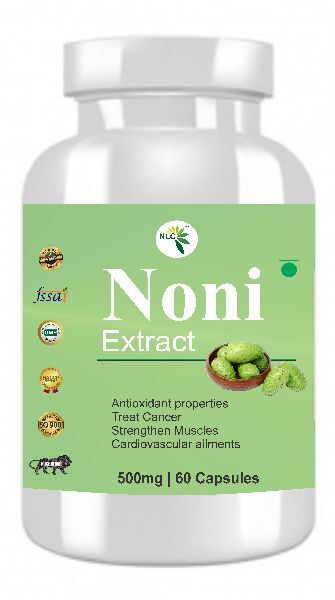
Noni Extract Capsules

  • Cultivation Type Organic
  • Shelf Life 1 Year
  • Serving per container 60 capsules
  • Other Name Indian mulberry or lada plant, Morinda citrifolia
  • Benefit Boost your immune system and increase your resistance to pathogens
  • Storage Cool & Dry Place
  • Dosage As per directed by doctor
  • Strength 500 mg

Additional Information:

Packaging Details : Plastic Bottle
View Complete Details

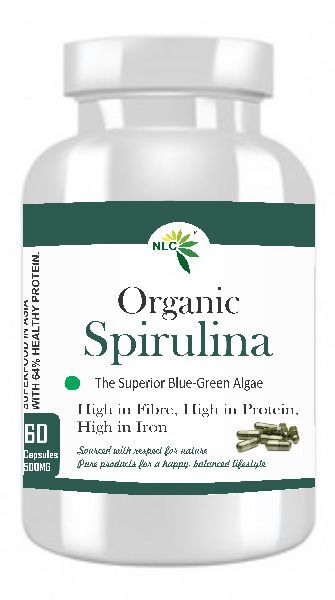
Organic Spirulina Capsules

  • Shelf Life 6Months
  • Form Capsules
  • Shelf Life 1 Year
  • Serving size 1 capsule
  • Serving per pack 60 capsules
  • Dosage Take one capsule twice daily after half an hour morning and evening meal
  • Storage Cool & Dry Place

Details :

  • “Blue-green algae” describes a large and diverse group of simple, plant-like organisms found in salt water and some large fresh water lakes.
  • Blue-green algae products are used for many conditions, but so far, there isn’t enough scientific evidence to determine whether or not they are effective for any of them.
  • Blue-green algae are used as a source of  dietary protein, B-vitamins, and iron. They are also used for weight loss, attention deficit-hyperactivity disorder (ADHD), hayfever,   diabetes, stress,   fatigue,   anxiety,   depression, and  premenstrual syndrome(PMS) and other women’s health issues.
  • Some people use blue-green algae for treating precancerous growths inside the mouth, boosting the immune system, improving memory, increasing energy and  metabolism,   lowering cholesterol, preventing  heart disease, healing wounds, and improving digestion and bowel health.
  • Blue-green algae are commonly found in tropical or subtropical waters that have a high-salt content, but some types grow in large fresh water lakes. The natural color of these algae can give bodies of water a dark-green appearance. The altitude, temperature, and sun exposure where the blue-green algae are grown dramatically influence the types and mix of blue-green algae in the water.
  • Some blue-green algae products are grown under controlled conditions. Others are grown in a natural setting, where they are more likely to be contaminated by bacteria,   liver  poisons (microcystins) produced by certain bacteria, and heavy metals. Choose only products that have been tested and found free of these contaminants.
  • You may have been told that blue-green algae are an excellent source of protein. But, in reality, blue-green algae is no better than meat or milk as a protein source and costs about 30 times as much per gram.


How does it work?Blue-green algae have a  high protein, iron, and other mineral content which is absorbed when taken orally. Blue-green algae are being researched for their potential effects on the immune system, swelling (inflammation), and  viral infections.

Uses & Effectiveness?Insufficient Evidence for :

  • Seasonal allergies (hayfever) - Early research shows that taking 2 grams per day of blue-green algae by mouth for 6 months might relieve some allergy symptoms in adults.
  • Insulin resistance due to HIV medication - Early research shows that taking 19 grams per day of blue-green algae by mouth for 2 months increases insulin sensitivity in people with insulin resistance due to HIV medication.
  • Arsenic poisoning - Early research shows that taking 250 mg of blue-green algae and 2 mg of zinc by mouth twice daily for 16 weeks reduces arsenic levels and the effects of arsenic on the skin in people living in areas with high arsenic levels in the drinking water.
  • Attention deficit-hyperactivity disorder (ADHD) - Early research shows that dissolving 3 mL of a product containing blue-green algae, peony, ashwagandha, gotu kola, bacopa, and lemon balm (Nurture and Clarity, Tree of Healing-LD, Israel) into 50-60 mL of water and drinking three times daily for 4 months improves ADHD in children aged 6 years to 12 years who haven't taken other treatments for ADHD.
  • Tics or twitching of the eyelids (blepharospasm or Meige syndrome) - Early research shows that taking a specific blue-green algae product (Super Blue-Green Algae, Cell Tech, Klamath Falls, OR) at a dose of 1500 mg daily for 6 months does not reduce eyelid spasms in people with blepharospasm.
  • Diabetes - An early study shows that people with type 2 diabetes who take 1 gram of a blue-green algae product (Multinal, New Ambadi Estate Pvt. Ltd., Madras, India) by mouth twice daily for 2 mouths have lower blood sugar levels.
  • Exercise performance - An early study shows that men who jog regularly are able to sprint for longer periods of time before becoming tired when they take 2 grams of blue-green algae three times daily for 4 weeks.
  • Hepatitis C - Research on the effects of blue-green algae in people with chronic hepatitis C has been inconsistent. One study shows that taking 500 mg of spirulina blue-green algae by mouth three times daily for 6 months results in greater improvements in liver function compared to milk thistle in adults with hepatitis C who were not yet treated or were unresponsive to other treatments. However, another study shows that taking blue-green algae for one month worsens liver function in people with hepatitis C or hepatitis B.
  • HIV/AIDS - Research on the effects of blue-green algae in people with HIV/AIDS has been inconsistent. Some early research shows that taking 5 grams of blue-green algae by mouth daily for 3 months reduces the incidences of infections, stomach and intestinal problems, feelings of tiredness, and breathing problems in patients with HIV/AIDS. However, taking blue-green algae does not appear to improve CD4 cell counts or reduce viral load in HIV patients.
  • High cholesterol - Early research shows that blue-green algae lowers cholesterol in people with normal or slightly elevated cholesterol levels. However, the research findings have been somewhat inconsistent. In some studies, blue-green algae only lower low-density lipoprotein (LDL or "bad") cholesterol. In other studies, blue-green algae lower total cholesterol and LDL cholesterol, and increase high-density lipoprotein (HDL or "good") cholesterol.
  • High blood pressure - Early research shows that taking 4.5 grams per day of blue-green algae by mouth for 6 weeks reduces blood pressure in some people with high blood pressure.
  • Long-term fatigue - Early research shows that taking 1 gram per day of blue-green algae by mouth three times daily for 4 weeks does not improve fatigue in adults with long-term complaints of fatigue.
  • Malnutrition - Early research on the use of blue-green algae in combination with other dietary treatments for malnutrition in infants and children shows conflicting results. Weight gain was seen in undernourished children who were given spirulina blue-green algae with a combination of millet, soy and peanut for 8 weeks. However, in another study, children up to 3 years-old who were given 5 grams of blue-green algae daily for 3 months did not gain weight more than those given general treatments to improve nutrition alone.
  • Menopausal symptoms - An early study shows that taking 1.6 grams per day of a blue-green algae product by mouth daily for 8 weeks lowers anxiety and depression in women going through menopause. However, it doesn't appear to reduce symptoms such as hot flashes.
  • Obesity - Research on the effects of blue-green algae in people who are overweight or obese has been inconsistent. One early study shows that taking a specific blue-green algae product (Multinal, New Ambadi Estate Pvt. Ltd.) at a dose of 1 gram taken two or four times per day by mouth for 3 months slightly improve weight loss in overweight adults. However, another early study shows that taking 2.8 grams of spirulina by mouth three times per day for 4 weeks does not improve weight loss in obese adults who are also following a reduced-calorie diet.
  • Precancerous mouth sores (oral leukoplakia) - Early research shows that taking 1 gram of spirulina blue-green algae daily by mouth for 12 months reduces oral leukoplakia in people who chew tobacco.
  • Gum disease (periodontitis) - Early research shows that injecting a gel containing blue-green algae into the gums of adults with gum disease improves gum health.
  • Anxiety.
  • As a source of dietary protein, B-vitamins, and iron.
  • Boosting the immune system.
  • Premenstrual syndrome (PMS).
  • Depression.
  • Digestion.
  • Heart disease.
  • Memory.
  • Wound healing.
  • Other conditions - More evidence is needed to rate the effectiveness of blue-green algae for these uses.

Additional Information:

Packaging Details : Plastic Bottle
View Complete Details

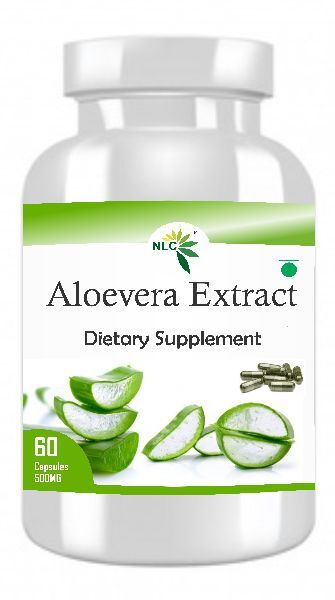
Aloe Vera Extract Capsules

  • Material Aloe Vera
  • Shelf Life 1 Year
  • Packaging Type Plastic Bottle
  • Form Capsules
  • Application Skin Wellness
  • Storage Cool & Dry Place
  • Main Ingredient Alovera

Details :

  • Aloe is a cactus-like plant that grows in hot, dry climates. In the United States, aloe is grown in Florida, Texas, and Arizona. Aloe produces two substances, gel and latex, which are used for medicines. Aloe gel is the clear, jelly-like substance found in the inner part of the aloe plant leaf. Aloe latex comes from just under the plant's skin and is yellow in color. Some aloe products are made from the whole crushed leaf, so they contain both gel and latex. The aloe that is mentioned in the Bible is an unrelated fragrant wood used as incense.
  • Aloe  medications  can be taken by mouth or applied to the skin. People take aloe gel by mouth for  weight loss,   diabetes,   hepatitis, inflammatory bowel diseases,   osteoarthritis, stomach ulcers, asthma,   radiation-related skin sores, fever, itching and  inflammation, and as a general tonic. A chemical in aloe called acemannan is taken by mouth for HIV/AIDS. Aloe extract is used for  high cholesterol.
  • Aloe latex is taken by mouth mainly as a  laxative  for  constipation. It is also used for  seizures, asthma, colds, bleeding, lack of a menstrual period, swelling of the colon (colitis),   depression, diabetes, eye conditions that cause blindness (glaucoma),   multiple sclerosis,   hemorrhoids,   varicose veins, joint  inflammation,   osteoarthritis, and vision problems. Fresh aloe leaves are taken by mouth for cancer.
  • People apply aloe gel to the skin for acne, an inflammatory skin condition called  lichen planus, inflammation in the mouth, burning mouth, radiation-induced skin damage, dental plaque,   diaper rash,   frostbite,   gum disease, bedsores, scabies, dandruff, wound healing,   hemorrhoids  and pain after surgery to remove internal  hemorrhoids,   osteoarthritis, inflammation, and as an antiseptic. Aloe extract and aloe gel are also applied to the skin for  genital herpes, scaly and  itchy skin, burns, sunburns, and  dry skin. Aloe extract is applied to the skin as an insect repellant. Aloe leaf juice is applied to the skin for  anal fissures. A chemical in aloe called acemannan is applied to the skin for dry sockets in the mouth and  canker sores.


How does it work?

  • The useful parts of aloe are the gel and latex. The gel is obtained from the cells in the center of the leaf; and the latex is obtained from the cells just beneath the leaf skin.
  • Aloe gel might cause changes in the skin that might help diseases like psoriasis.
  • Aloe seems to be able to speed wound healing by improving blood circulation through the area and preventing cell death around a wound.
  • It also appears that aloe gel has properties that are harmful to certain types of bacteria and fungi.
  • Aloe latex contains chemicals that work as a laxative.
View Complete Details

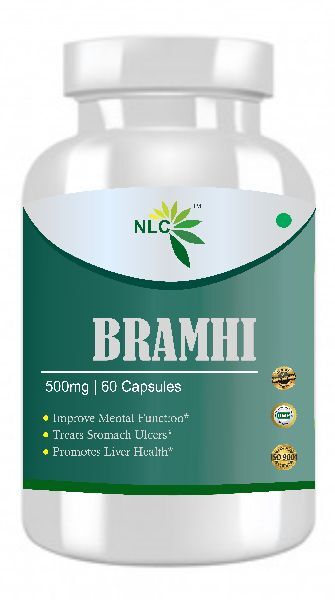
Brahmi Capsules

  • Grade Standard Medicine Grade
  • Form Capsules
  • Cultivation Type Organic
  • Feature No Side Effect, Skin Friendly
  • Pack Quantity 60 Capsules
  • Strength 50 Gms
  • Dosage 1 to 2 capsule twice a day.

Details :

  • Bacopa, also known as brahmi, is a plant that has been used in traditional Indian medicine (Ayurveda). Be careful not to confuse brahmi (Bacopa monnieri) with gotu kola and other natural medicines that are also sometimes called brahmi.
  • Bacopa is commonly used for  Alzheimer's disease, improving memory,   anxiety, and attention deficit-hyperactivity disorder (ADHD) among many other uses. But there is limited scientific research to support these uses.


How does it work?Bacopa might increase certain brain chemicals that are involved in thinking, learning, and memory. Some research suggests that it might also protect brain cells from chemicals involved in Alzheimer's disease. 

Uses & Effectiveness?
Possibly Ineffective for : Irritable bowel syndrome (IBS) - Bacopa does not seem to help keep IBS symptoms from returning after they have gone away for a while.
Insufficient Evidence for :
  • Anxiety - Taking bacopa syrup daily for 4 weeks seems to reduce symptoms of anxiety, including nervousness, racing heart, trouble sleeping, headaches, tiredness, difficulty concentrating, and stomach discomfort in some people with anxiety.
  • Attention deficit-hyperactivity disorder (ADHD) - Taking bacopa for 6 months seems to improve ADHD symptoms such as restlessness and learning problems by 20% or more in some children with ADHD.
  • Improving memory - There is mixed evidence about bacopa for improving memory. Some research shows that bacopa extract taken for 12 weeks does not improve memory and attention. However, other research shows that taking bacopa improves some measure of memory in otherwise healthy older adults. Also, taking bacopa extract seems to improve some measures of memory and hand-eye coordination in children aged 6-8 years. It seems that some bacopa extracts can benefit memory while others do not.
  • Epilepsy (seizures) - Taking bacopa extract for 5 months might prevent seizures in some people with epilepsy.
  • Asthma.
  • Backache.
  • Hoarseness.
  • Mental illness.
  • Joint pain (rheumatism).
  • Sexual problems.
  • Fluid retention.
  • Other conditions - More evidence is needed to rate bacopa for these uses.
View Complete Details

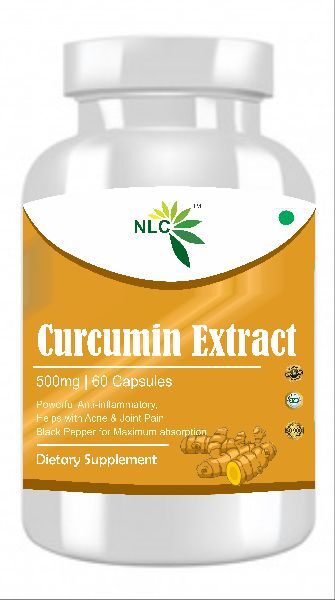
Curcumin Extract Capsules

  • Shelf Life 9months
  • Form Capsules
  • Packaging Type Plastic Bottle
  • Packaging Size 60 Capsules
  • Cultivation Type Organic
  • Dosage Form As Per Physician
  • Strength 500 mg

Details :

  • Curcumin, a substance in turmeric, may help to reduce  inflammation. Several studies suggest that it might ease  symptoms of osteoarthritis  and  rheumatoid arthritis, like pain and  inflammation. Other compounds in turmeric might also be medicinal.
  • In lab tests, curcumin seems to block the growth of certain kinds of tumors. One study showed that turmeric extract containing curcumin could -- in some cases -- stabilize  colorectal cancer  that wasn't helped by other treatments. But more research is needed.
  • Other preliminary lab studies suggest that curcumin or turmeric might protect against types of  colitis,   stomach  ulcers, and  high cholesterol. Based on   studies, turmeric and curcumin might also help treat  upset stomach,   diabetes, depression,   HIV, uveitis, and  viral infections.
  • But it’s important to keep in mind that most of these studies have been done in the laboratory. Researchers haven’t yet conducted significant studies on the benefits of turmeric and curcumin. So it's too early to say what health benefits turmeric might have.


Uses & Effectiveness?

Possibly Effective for :

  • Hay fever - Taking curcumin, a chemical found in turmeric, seems to reduce hayfever symptoms such as sneezing, itching, runny nose, and congestion.
  • Depression - Most available research shows that taking curcumin, a chemical found in turmeric, reduces depression symptoms in people already using an antidepressant.
  • High cholesterol - Turmeric seems to lower levels of blood fats called triglycerides. The effects of turmeric on cholesterol levels are conflicting. There are many different turmeric products available. It is not known which ones work best.
  • Osteoarthritis - Some research shows that taking turmeric extracts, alone or in combination with other herbal ingredients, can reduce pain and improve function in people with knee osteoarthritis. In some research, turmeric worked about as well as ibuprofen for reducing osteoarthritis pain. But it does not seem to work as well as diclofenac for improving pain and function in people with osteoarthritis.
  • Itching (pruritus) - Research suggests that taking turmeric by mouth three times daily for 8 weeks reduces itching in people with long-term kidney disease. Also, early research suggests that taking a specific combination product (C3 Complex, Sami Labs LTD) containing curcumin plus black pepper or long pepper daily for 4 weeks reduces itching severity and improves quality of life in people with chronic itching caused by mustard gas.

Possibly Ineffective for :

  • Stomach ulcers - Some research suggests that taking turmeric three times daily for 8 weeks does not improve stomach ulcers. Also, taking powdered turmeric four times daily for 6 weeks seems to be less effective than taking a conventional antacid.
  • Skin problems related to radiation cancer treatments - Curcumin is a chemical in turmeric. Taking curcumin does not seem to prevent skin problems during radiation treatment.

Insufficient Evidence for :

  • Alzheimer's disease - Early research shows that taking curcumin, a chemical found in turmeric, daily for 6 months does not benefit people with Alzheimer's disease.
  • Eye inflammation (anterior uveitis) - Early research suggests that taking curcumin, a chemical found in turmeric, might improve symptoms of long-term inflammation in the middle layer of the eye.
  • Mental function - Curcumin is a chemical in turmeric. Some research shows that curcumin can improve memory and attention in older adults. Some of these adults showed signs of mild mental decline before taking curcumin. But other research shows that curcumin does not improve mental function in older people who don’t show signs of mental decline.
  • Colorectal cancer - Early research suggests that taking a specific turmeric product containing turmeric extract and Javanese turmeric extract (P54FP, Phytopharm plc., Godmanchester, United Kingdom) might stabilize some measures of colon cancer. There is also early evidence that taking curcumin, a chemical found in turmeric, daily for 30 days can reduce the number of precancerous glands in the colon of people at high risk of cancer.
  • Bypass surgery (coronary artery bypass graft surgery) - Early research suggests that taking curcuminoids, which are chemicals found in turmeric, starting 3 days before surgery and continuing for 5 days after surgery can lower the risk of a heart attack following bypass surgery.
  • A type of inflammatory bowel disease called Crohn's disease - Some evidence suggests that taking curcumin, a chemical found in turmeric, daily for one month can reduce bowel movements, diarrhea, and stomach pain in people with Crohn's disease.
  • Diabetes - Early research shows that taking turmeric might prevent diabetes in people with prediabetes.
  • Stomach upset (dyspepsia) - Some research shows that taking turmeric by mouth four times daily for 7 days might help improve an upset stomach.
  • Gum disease (gingivitis) - Early research suggests that using a turmeric mouthwash is as effective as a drug-therapy mouthwash for reducing gum disease and bacteria levels in the mouth of people with gingivitis.
  • Stomach ulcers caused by Helicobacter pylori (H pylori) infection - Early research suggests that taking turmeric daily for 4 weeks is less effective than conventional treatment for eliminating certain bacteria (H. pylori) that can cause stomach ulcers.
  • Irritable bowel syndrome (IBS) - Early research suggests that taking a turmeric extract (Cynara Turmeric, Lichtwer Pharma) daily for 8 weeks reduces the occurrence of IBS in people with IBS who are otherwise healthy.
  • Joint pain - Research shows that taking a specific combination product (Instaflex Joint Support, Direct Digital, Charlotte, NC) containing turmeric and other ingredients three times daily for 8 weeks reduces the severity of joint pain. But it does not appear to help joint stiffness or improve joint function.
  • Skin rash (Lichen planus) - Taking a certain product (Curcumin C3 Complex, Sabinsa Corp) containing chemicals found in turmeric three times daily for 12 days can reduce skin irritation caused by lichen planus.
  • Prostate cancer - Research suggests that taking a formula containing broccoli powder, turmeric powder, pomegranate whole fruit powder, and green tea extract three times daily for 6 months prevents an increase in prostate specific antigen (PSA) levels in men with prostate cancer. PSA levels are measured to monitor how well prostate cancer treatment is working. However, it's not yet known if this formula, or turmeric alone, reduces the risk of prostate cancer progression or recurrence.
  • Inflammation in the mouth and/or esophagus from radiation treatment - Early research suggests that swishing a turmeric solution in the mouth six times daily for 6 weeks reduces the risk of inflammation in the mouth and/or esophagus caused by radiation treatment in people with head and neck cancer.
  • Rheumatoid arthritis (RA) - Early research suggests that curcumin, a chemical found in turmeric, might reduce some RA symptoms, including pain, morning stiffness, walking time, and joint swelling. Other research shows that taking a turmeric product (BCM-95, Arjuna Natural Extracts, India) twice daily reduces RA symptoms more than conventional medication.
  • Skin cancer - Early research shows that applying a turmeric ointment might help to relieve odor and itching caused by cancer-related wounds.
  • Recover from surgery - Early research suggests that taking curcumin, a chemical found in turmeric, daily for up to one week after surgery can reduce pain, fatigue, and the need for pain medications.
  • An inflammatory disease called systemic lupus erythematosus (SLE) - Early research suggests that taking turmeric by mouth three times daily for 3 months can reduce blood pressure and improve kidney function in people with kidney inflammation (lupus nephritis) caused by systemic lupus erythematosus.
  • Tuberculosis - Early research suggests that taking a product containing turmeric and Tinospora cordifolia can reduce bacteria levels, improve wound healing, and reduce liver toxicity caused by antituberculosis therapy in people with tuberculosis who are receiving antituberculosis therapy.
  • A type of inflammatory bowel disease called ulcerative colitis - Some early research suggests that taking curcumin, a chemical found in turmeric, daily for up to 6 months can reduce symptoms and the recurrence of ulcerative colitis when used in combination with conventional treatments. Other research shows that taking turmeric extract as an enema might help people with this condition.
  • Acne.
  • Jaundice.
  • Hepatitis.
  • Diarrhea.
  • Fibromyalgia.
  • Liver and gallbladder problems.
  • Headache.
  • Menstrual problems.
  • Pain.
  • Ringworm.
  • Bruising.
  • Other conditions - More evidence is needed to rate turmeric for these uses.
View Complete Details

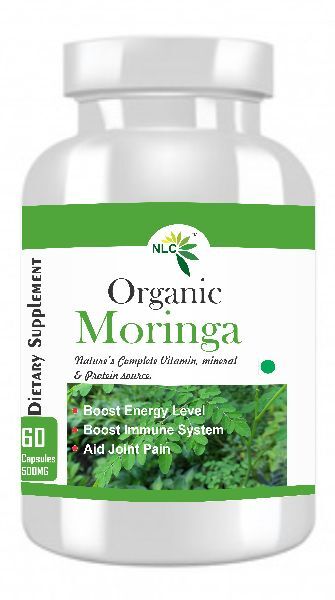
Organic Moringa Capsules

  • Form Capsules
  • Shelf Life 1 Year
  • Packaging Size 60 Capsules
  • Ingredients Moringa Leaf
  • Benefits Lower Blood Sugar Levels, Reduce Inflammation
  • Storage Cool & Dry Place
  • Dosage As per directed by doctor

Details :

  • Moringa is a plant that is native to the sub-Himalayan areas of India, Pakistan, Bangladesh, and Afghanistan. It is also grown in the tropics. The leaves, bark, flowers, fruit, seeds, and root are used to make medicine.
  • Moringa is used for “tired  blood” (anemia);  arthritis  and other  joint pain(rheumatism);  asthma; cancer; constipation;  diabetes;  diarrhea; epilepsy;  stomach pain;  stomach  and intestinal ulcers; intestinal spasms; headache; heart problems;  high blood pressure; kidney stones; fluid retention;  thyroid disorders; and bacterial, fungal, viral, and parasitic infections.
  • Moringa is also used to reduce swelling, increase sex drive (as an aphrodisiac), prevent pregnancy, boost the immune system, and increase breast milk production. Some people use it as a nutritional supplement or tonic.
  • Moringa is sometimes applied directly to the  skin  as a germ-killer or drying agent (astringent). It is also used topically for treating pockets of infection (abscesses), athlete’s foot, dandruff, gum disease  (gingivitis), snakebites, warts, and wounds.
  • Oil from moringa seeds is used in foods, perfume, and hair care products, and as a machine lubricant.
  • Moringa is an important food source in some parts of the world. Because it can be grown cheaply and easily, and the leaves retain lots of vitamins and minerals when dried, moringa is used in India and Africa in feeding programs to fight malnutrition. The immature green pods (drumsticks) are prepared similarly to green beans, while the seeds are removed from more mature pods and cooked like peas or roasted like nuts. The leaves are cooked and used like spinach, and they are also dried and powdered for use as a condiment.
  • The seed cake remaining after oil extraction is used as a fertilizer and also to purify well water and to remove salt from seawater.


How does it work?Moringa contains proteins, vitamins, and minerals. As an  antioxidant, it seems to help protect cells from damage.

Uses & Effectiveness?Insufficient Evidence for
Taken By Mouth :

  • Asthma - In an early study, taking 3 grams of moringa twice daily for three weeks reduced asthma symptoms and the severity of asthma attacks in adults.
  • Increasing breast milk production - Early evidence suggests that taking 250 mg of a specific moringa supplement (Natalac) twice daily after childbirth increases breast milk production.
  • “Tired blood” (anemia).
  • Arthritis.
  • Cancer.
  • Constipation.
  • Birth control.
  • Diabetes.
  • Diarrhea.
  • Epilepsy.
  • Stomach pain (gastritis).
  • Stomach and intestinal ulcers.
  • Headache.
  • Heart problems.
  • High blood pressure.
  • Kidney stones.
  • Swelling (inflammation).
  • Thyroid disorders.
  • Infections.
  • As a nutritional supplement.
  • Stimulating immunity.
  • Increasing sex drive.
  • Other conditions.


Applied to the Skin :

  • Athlete’s foot.
  • Dandruff.
  • Warts.
  • Skin infections.
  • Snakebites.
  • Gum disease (gingivitis).
  • Other conditions - More evidence is needed to rate moringa for these uses.
View Complete Details

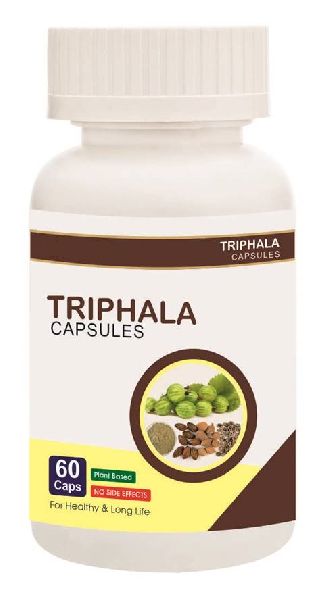
Triphala Capsules

  • Serving per pack 60 capsules
  • Type Natural
  • Adverse Effects Nil

Additional Information:

Packaging Details : Plastic Bottle
View Complete Details

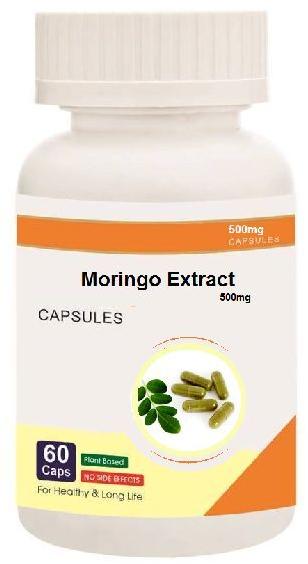
Moringo Extract Capsules

  • Ingredients Moringo Oleifera, Oregano Vulgare, Asphaltum, Vitamin B12, Methylcobalamin, Piper Nigrum and Vitamin C.
  • Directions for use Take one capsule twice daily after meal with plain water
  • Serving size 1 capsule
  • Serving per container 60 capsules
View Complete Details
Tell Us What are you looking for? Will call you back

Contact Us