-
Number Of Flower
Millet Grain
-
Cultivation
Over 4000 Years Old
-
Nutritional Benefits
Vitamins, And Minerals
-
Health Benefits
High In Fiber
-
Versatility
Popped Like Popcorn
-
Can Be Used
Desserts, As A Healthy Snack
-
Importance
Sustainable Food System
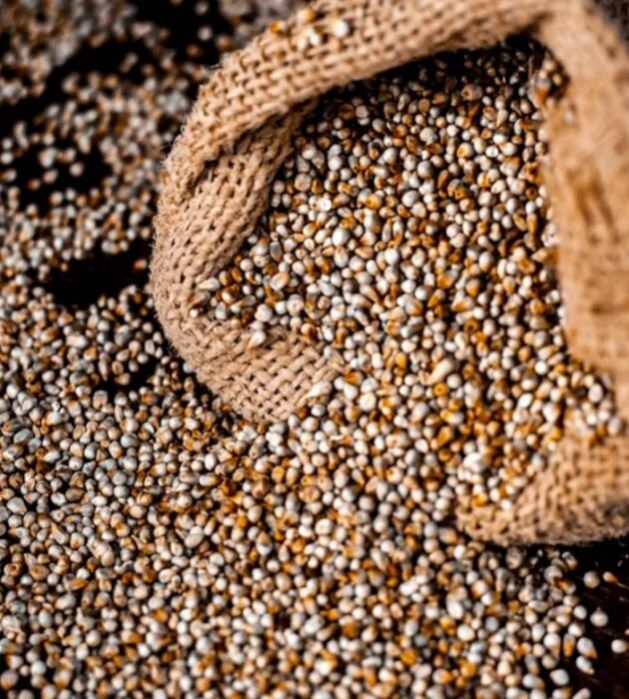
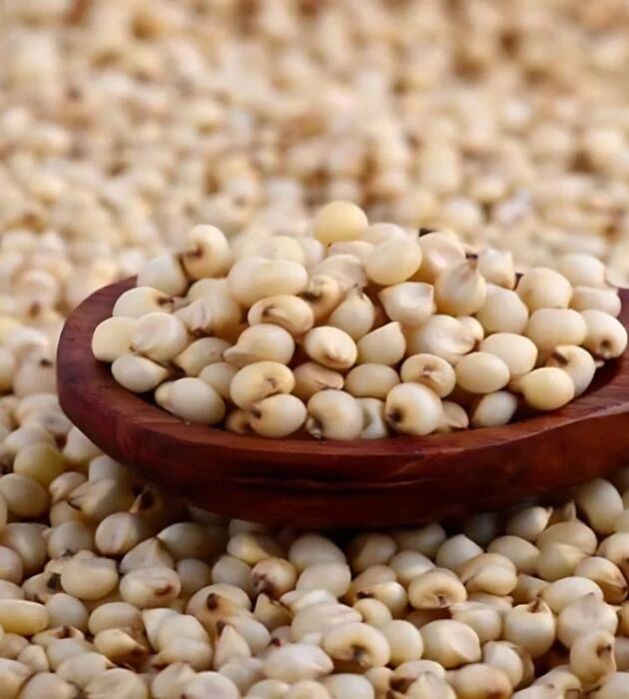
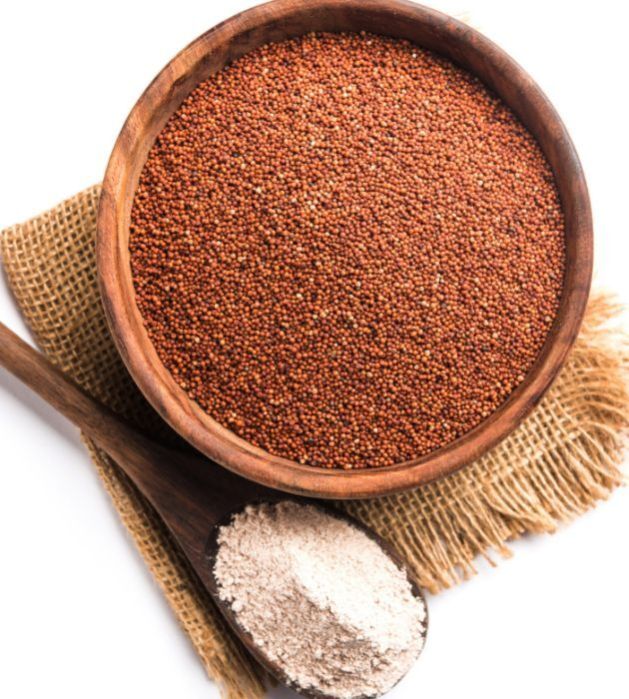
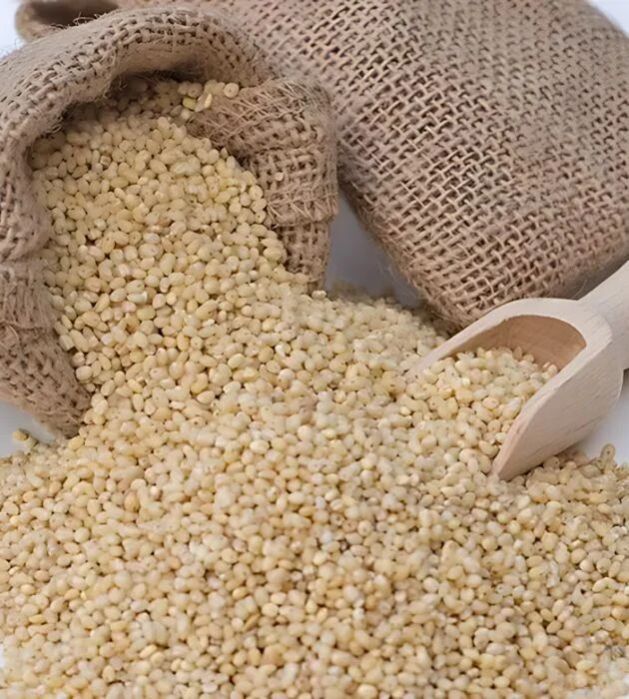
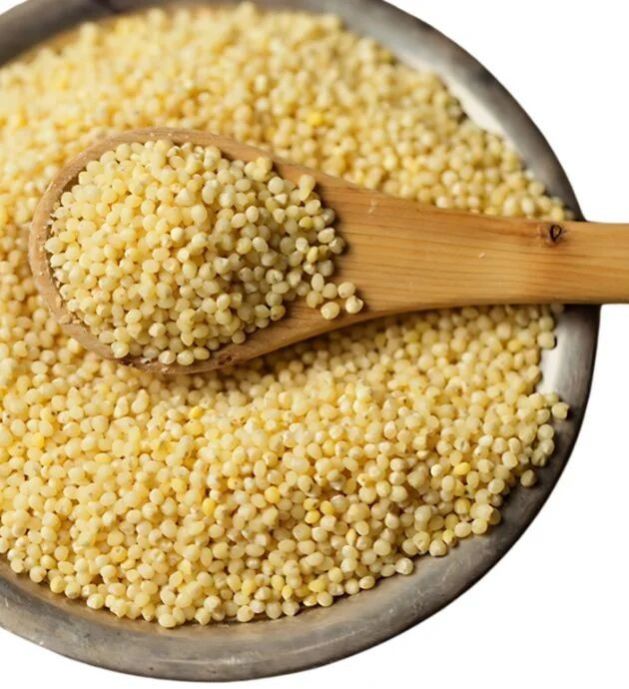
Pearl Millet, known as Bajra in India, is one of the oldest millet varieties, with its cultivation dating back over 4000 years. Originating in Africa, it has since spread across countries and continents, becoming a staple in many cuisines worldwide. Bajra is a hardy crop that thrives in areas with harsh weather conditions, where other crops may fail. Its drought-resistant and can grow in soils with high salinity. This makes it an important crop for ensuring food security in many parts of the world. Nutritionally, Bajra is a powerhouse. Its high in protein, making it an excellent source of plant-based protein. Its also rich in essential amino acids, vitamins, and minerals. Notably, its a great source of magnesium, which is important for heart health and regulating blood pressure. Bajra is also high in fiber, which aids in digestion and helps in maintaining a healthy weight. Its a complex carbohydrate, meaning it releases energy slowly, keeping you full for longer and preventing spikes in blood sugar levels. This makes it a good choice for people with diabetes. In terms of cooking, Bajra is incredibly versatile. It can be ground into flour and used to make bread, porridge, and even desserts. It can also be popped like popcorn for a healthy snack. Despite its many benefits, Bajra remains underutilized in many parts of the world. However, with increasing interest in ancient grains and sustainable agriculture, Bajra is seeing a resurgence in popularity. Its being recognized not just as a poor mans food, but as a superfood that can contribute to a healthy diet and a sustainable food system. In conclusion, Bajra is more than just a grain. Its a testament to human ingenuity and resilience, a crop that has nourished civilizations for centuries, and a potential solution to some of our most pressing challenges from malnutrition to climate change. As we look to the future.

 GST : 36AAJCN4777F1Z3
 Write a Review
 Nikhil (NSR INTERGLOBE PRIVATE LIMITED)
 Lanco hills 3LH 3303, Manikonda, Hyderabad, Telangana - 500089, India
 Share us via