Write a Review
Our Products
Health Care Products
1 Products availableRice
1 Products availableLadies Sarees
1 Products availableFood Grains & Cereals
1 Products availablePure And Natural Herbs
1 Products availableEdible Oil
1 Products available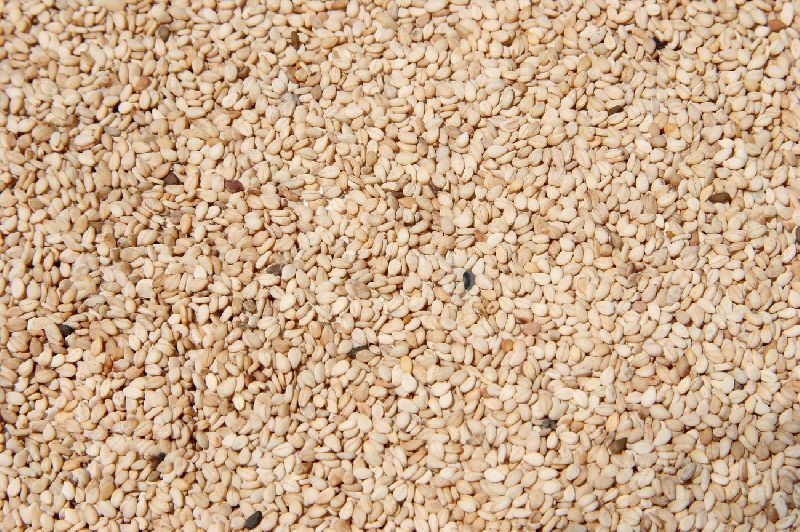
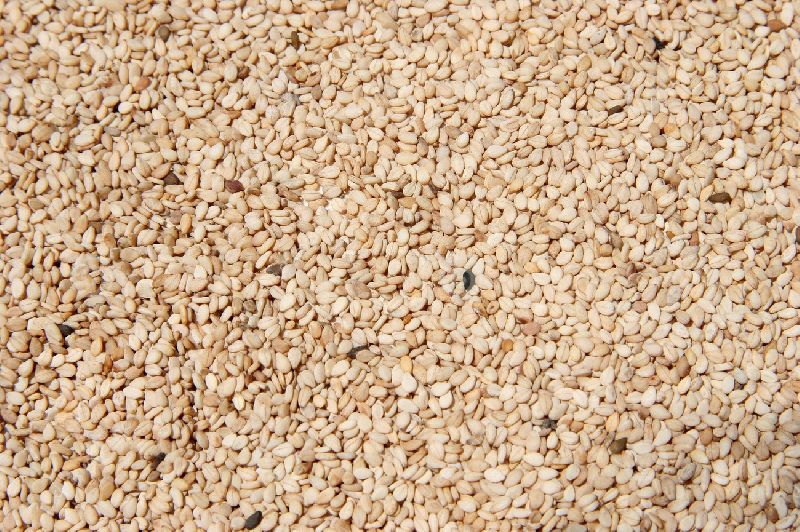
India produces a wide variety of Sesame seeds varying in color from white to red to black, with oil content varying from 40 to 50 %. The white and black Indian Sesame seeds are mainly used for direct consumption by its addition in several foods and for exports. The brown Indian Sesame seeds are mainly used for oil extraction. These have oil content of around 45-50 %. The white Indian Sesame seeds have the desirable nutty taste and are used for making sweets, baked foods and confectionaries. The black Indian Sesame seeds are used for seasoning and for fries. Hulled seeds are also used for snack preparation.
Around 80 % of the sesame seed production in India, happens during the khariff season (June-July to September-October), with the crop starting to arrive from September. The remaining crop is cultivated in the rabi season (December to March), with the crop starting to arrive from March.
Sesame seed is largely cultivated in the western and eastern parts of the country. The major producers of Indian Sesame are Gujarat, West Bengal, Tamil Nadu, Andhra Pradesh, Madhya Pradesh and Maharashtra. Rajasthan is also a major producer, when the area receives sufficient rains.
These are Sesame seeds in their natural form, like natural whitish sesame seeds, natural black sesame seeds, roasted natural sesame seeds with 99.99% purity. An annual herb, it is predominantly harvested in Western and northern region of India. It is available as Natural White, Black and Crushing Quality in variety of grades. When natural sesame seeds are roasted, the specific nutty sesame taste becomes more pronounced. The nutty taste of roasted sesame seeds is a major attraction for producers of consumer goods with a covering of sesame seeds.
| Hulled Sesame Seeds | |||
|---|---|---|---|
| Specifications | Purity (% MIN.) |
Admixture (% MAX.) |
Moisture (% MAX.) |
| Mech. Hulled and Sundried | 99.90 % | 0.10 % | 5.5 % |
| Mech. Hulled and Sundried, with color Sortex
|
99.95 % | 0.05 % | 5.5 % |
| Mech. Hulled and Mech. Dried | 99.95 % | 0.05 % | 5.0 % |
| Mech. Hulled and Mech. Dried with color Sortex | 99.97 % | 0.03 % | 5.0 % |
|
uality |
Whitish Seeds (% MIN.) |
Dark Seeds |
Admixture |
Purity |
Oil Content |
F.F.A. |
Moisture |
|
NWSS |
99 % |
1 % |
1 % |
99.00 % |
48 % |
2 % |
7 % |
|
NWSS |
99 % |
1 % |
0.10 % |
99.90 % |
48 % |
2 % |
7 % |
|
NWSS |
99 % |
1 % |
0.02 % |
99.98 % |
48 % |
2 % |
7 % |
|
NWSS |
98 % |
2 % |
2 % |
98.00 % |
48 % |
2 % |
7 % |
|
NWSS |
98 % |
2 % |
1 % |
99.00 % |
48 % |
2 % |
7 % |
|
NWSS |
98 % |
2 % |
0.10 % |
99.90 % |
48 % |
2 % |
7 % |
|
CRUSHING |
- |
- |
2 % |
- |
48 % |
2 % |
7 % |
| Natural Blackish Sesame Seeds | |||||||
|---|---|---|---|---|---|---|---|
|
Quality |
PBlackish Seeds (% MIN.) |
Dark Seeds (% MAX.) |
Admixture (% MAX.) |
Purity |
Oil Content |
F.F.A. |
Moisture |
|
NBSS |
99 % |
1 % |
1 % |
99.00 % |
48 % |
2 % |
7 % |
|
NBSS |
99 % |
1 % |
0.10 % |
99.90 % |
48 % |
2 % |
7 % |
|
NBSS |
98 % |
2 % |
1 % |
99.00 % |
48 % |
2 % |
7 % |
| Natural Small White Sesame Seeds | |||||||
|---|---|---|---|---|---|---|---|
|
Quality |
Whitish Seeds (%MIN.) |
Dark Color Seeds (%MAX.) |
Admixture |
Purity (%MIN.) |
Oil Content (% MIN.) |
F.F.A. (% MAX.) |
Moisture (% MAX.) |
|
NSWSS |
95 % |
5 % |
1 % |
99.00 % |
48 % |
2 % |
7 % |
|
NSWSS |
95 % |
5 % |
0.10 % |
99.90 % |
48 % |
2 % |
7 % |
|
NSWSS |
95 % |
5 % |
2 % |
98.00 % |
48 % |
2 % |
7 % |
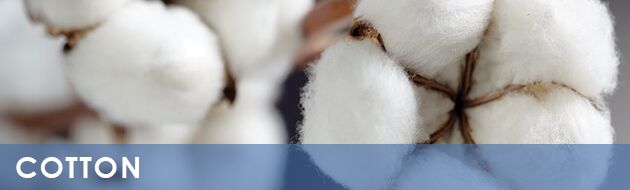
Cotton, natural vegetable fibre of great economic importance as a raw material for cloth. Its widespread use is largely due to the ease with which its fibres are spun into yarns. Cotton's strength, absorbency, and capacity to be washed and dyed also make it adaptable to a considerable variety of textile products. Cotton It's fashional, natural and versatile.
Cotton producing areas in India are spread throughout the country. Panjab, Hariyana, Rajasthan, Maharastra, Gujarat, Madhya Pradesh, Andra Pradesh, Tamil Nadu and Karnataka are the major cotton producing states. Cotton is sown around May & June and harvested around sept. to Dec. in different parts of the country.
Cotton comes in many varieties and qualities, each suitable for different purposes. The long lint fibersare used for many things, most of which begin with a thread, yarn or cotton fabric. Clothing and bedding items are common products. The smaller cotton fibers, known as linters, are removed from the seed and are used as stuffing for furniture and components of linoleum, plastics and insulation. Cotton seed oil is used in foods and cosmetics. Cotton seed hulls are eaten by cattle.
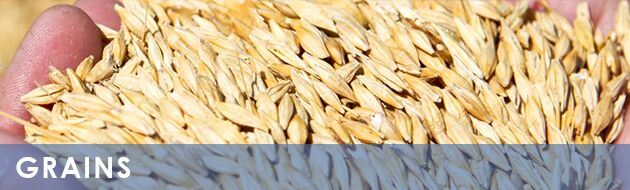
Grains are grasses cultivated for their energy-rich fruit seeds. They can be stored year-round and constitute the basis of many countries traditional diets. An indispensable source of food in many developing nations, they also play an important role in the diet of developed nations.
Cereal grains are the most cultivated crops worldwide. As whole grains they are a rich source of vitamins, minerals, carbohydrates, fats, oils and protein.
North America, the European Union, Russia, Argentina, and Australia are the primary origins for wheat exports. The US, Brazil, Argentina, and the Ukraine are the primary origins for corn exports. The Middle East, Africa and Asia are the largest importers of wheat and corn.
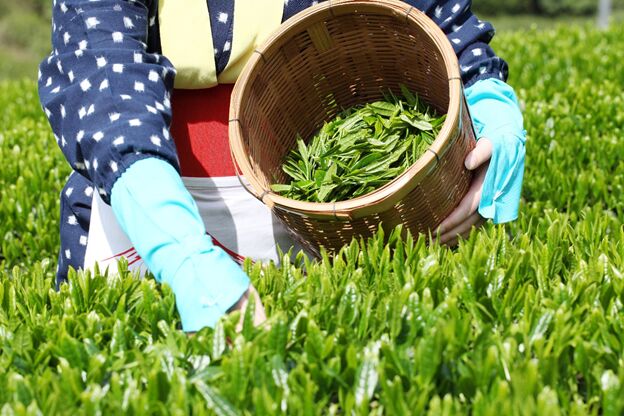
Paar Global is one of the largest and oldest tea businesses, is respected for its experience, expertise, reliability and commitment to customers. Paar Global's Tea business can be traced back to 1980's over the period of decades we have developed a deep understanding of regional consumer needs and achieved strong penetration in all key destination markets.
Our operations in India form an important part of our global network of buying, selling and merchandising Tea. We have a network of value chain participants who help us source and supply the best Tea into and out of the country. We work closely with both suppliers and drinkers of tea to strengthen the networks & competitiveness in the global markets making Indian Tea preferred around the world. We offer a range of customer solutions that include price risk management and supply chain management.
Tea is the worlds second most popular beverage, after water. Tea has been around for more than 5, 000 years and has the distinction of being one of the most revered beverages around the globe. Whether drinking it hot or over ice, this tasty brew is second only to water in worldwide beverage consumption.
Hundreds of scientific research studies have linked regular consumption with increased health benefits. The research findings have attracted the attention of scientists, medical professionals, holistic providers, and health-conscious consumers around the globe who are seeking natural solutions to promote wellness and address a plethora of health-related concerns.
The most popular drink INDIAN TEA has, and continues to play, an important role in almost all the cultures and customs. in addition, by far the most refreshing and enjoyable drink across the world. . From sourcing tea from all origins, tasting, customizing blends, providingspecialityteasand flavoured tea as per your requirement in Bulk/Packed Tea.
| THE MOST POPULAR RANGE OF INDIAN TEA: |
|
| THE TWO POPULAR VARIETIES OF MANUFACTURED INDIAN TEA ARE: |
|
| THE MOST POPULAR TYPES ARE: |
|
How Tea is processedEnjoyed both hot and over ice, this robust, savoury beverage ranges from flowery and fruity to spicy and nutty.
This favoured tea features a deep reddish-brown hue and full-bodied taste that results from an extensive oxidation process once the leaves of the tea plant, Camellia sinensis, are harvested. The leaves may be blended with fruits, flower petals, or natural flavourings to add a unique taste to the brew.
After picking, the leaves go through a withering process where they are dried on racks for up to 18 hours until all excess moisture is removed and the leaves become supple enough to roll.
They are then rolled and cooled, which breaks down the membranes of the leaves and creates a chemical change that allows the natural juices to emerge and the leaves to darken.
Finally, the tea leaves are "fired" and heat is applied to halt further oxidation and seal in the distinctive flavour and aroma.
Other Types and TasteFollowing are some common types of black teas and the tastes with which they are associated.
Health Benefits
 PaarGlobal (PaarGlobal)
 B-1203, Infinity Tower Nr. Hotel Ramada Corporate Rd, Prahaladnagar Ahmedabad - 380015 Gujarat, Prahlad Nagar
 Share us via