My ExportersIndia

For Buyer

For Seller

For Help

Our Products

We are leaders in the market for providing best range of Rain Water Harvesting System(Rwhs), Common Water Effluent Treatment Plant ( CETP), Water Industrial & Commercial RO Plant, Automatic Water Softening Plant and Demineralization Water Plant/DM Plant-mb Plant

Common Water Effluent Treatment Plant ( CETP)

  • Purity Pollution Control, Efficient Resource Utilization, Water Conservation
  • Number Of Flower Effluent Treatment Plant
Common Effluent Treatment Plant (CETP) is an advanced procedure of collecting, treating, & disposing of effluents from industrial estates. Although, the effluent comprises domestic sewage & industrial wastewater produced from industrial plants. On the other hand, we can say that CETPs play an important role in managing wastewater from residential areas and industries. Also, it helps in promoting environmental sustainability & safeguarding water resources simply by treating & reusing wastewater. The CETP process typically includes the steps such as Sludge Management, Preliminary Treatment, primary treatment (like flotation or sedimentation), secondary treatment (like biological processes), & tertiary treatment (like disinfection or filtration). Pollution Control CETP plays an important role in controlling & minimizing pollution in the industrial areas. Also, it helps to preserve water quality & safeguard the ecosystem. Efficient Resource Utilization CETP allows the effective utilization of resources like land, water, & energy. Water Conservation These plants often include water reuse & recycling systems. Categories of Common Effluent Treatment Plants: Well, Common Effluent Treatment Plants are divided into two categories: One is Homogeneous & another is Heterogeneous. Homogeneous: Homogeneous CETPs are specially designed for treating wastewater from industries that have the same characteristics & produce effluents with the same compositions. On the other hand, we can say that homogeneous CETP includes industries that have similar kinds of pollutants & require the same treatment processes. Heterogeneous Although Heterogeneous CETPs are the opposite of Homogeneous CETPs, they are specially designed for treating wastewater from those industries that have various characteristics & produce effluents with different compositions.
View Complete Details

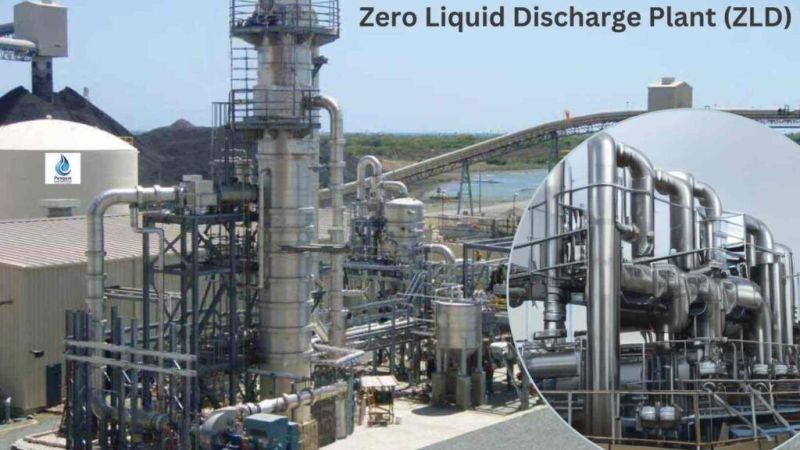
Zero Water Liquid Discharge Plant (ZLD)

  • Number Of Flower Water Treatment Plant
  • Features Zero Liquid Discharge, Ultra Filtration, Reverse Osmosis, Crystallization, Evaporation, Chemical Feed, Clarifier, Reactor, Filter Press
Although ZLD (Zero-Liquid Discharge) is exclusive water treatment process that helps to purify wastewaters and make it safe for the environment. Hence, leaving no discharge at the end of a treatment cycle. ZLD is an innovative wastewater treatment technique that consists of ultra filtration, evaporation / crystallization, reverse osmosis, & fractional electro deionization. Moreover, Zero Liquid Discharge technologies assist plants to meet discharge & water recycle requirements. Also, it allows to: Treat & recover treasured products from wastewater sources. Meet FGD (Flue Gas Desulfurization) and Stringent Cooling Tower Blow down discharge regulations. Control the quality of Water that is to be recycled. Better Manage produced output water. But generally, a basic ZLD treatment system includes some sort of: Chemical Feed: In order to help the precipitation, coagulation, or flocculation of any suspended solids & metals. Clarifier And/or Reactor: In order to precipitate out the silica, hardness, and Metals. UF (Ultra filtration): For removing every leftover suspended solids & preventing scaling, fouling And/or Corrosion down the treatment line successfully. Filter Press: In order to concentrate the secondary solid leftover. RO (Reverse Osmosis): It helps to eliminate the majority of dissolved waste solids from water stream in the chief phases of the concentration. Crystallizer: Used to boil any residual liquid so you have a dry, firm cake to dispose of. Evaporator: For evaporation of access water in the final stages of waste concentration before the crystallizer. Benefits of Zero Liquid Discharge Plant: Reduces wastewater discharge. Create at reassured product for sale. Maximizes the recovery of water. Removing the environmental problems. Decreasing the dependence on Local Legislation & Local Water Sources.
View Complete Details

Water Industrial & Commercial RO Plant

  • Number Of Flower Industrial Reverse Osmosis System
  • Specialities Effective Water Purification, High Flow Rates, Contaminant Removal
  • Other Characteristics Suitable For Pharmaceutical, Food & Beverage, Power Plants, Chemical Manufacturing Industries
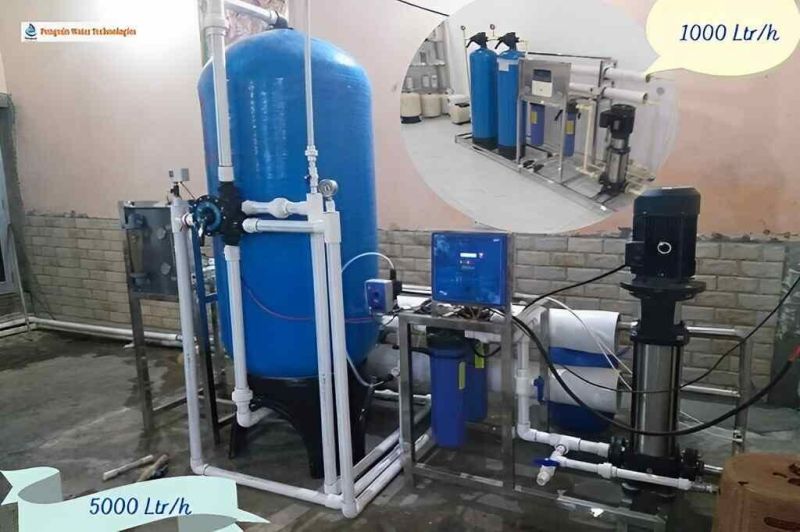
RO (Reverse Osmosis) is a manufacturing plant that utilizes the procedure of reverse osmosis in order to purify water. Moreover, RO is a filtration process that usually removes contaminants, impurities, & dissolved solids from water by applying pressure. Reverse Osmosis is an effective technique in treating brackish surfaces & groundwater for small and large flow applications. Lets see a few examples of industries that use RO water: Pharmaceutical Food & Beverage, Metal Finishing Boiler Feed Water, Etc. Semiconductor Manufacturing Types of Reverse Osmosis (RO) Plants Penguin Water Technologies offers a wide variety of Reverse Osmosis to treat water. Although the RO plants have been classified into three categories, they are as follows: Residential Reverse Osmosis (RO)Systems: A residential RO (Reverse Osmosis) plant is also called a home RO system. Though, residential RO systems are mainly used to decontaminate water for drinking & other domestic uses. Industrial Reverse Osmosis (RO) Systems: Industrial Reverse Osmosis plants are extensive systems generally used for industrial & commercial purposes. Nevertheless, they can be handled at high flow rates & are working in industries such as pharmaceuticals, food and beverage, power plants, & chemical manufacturing. Apart from that, Industrial RO systems are proficient in treating large quantities of water & eliminating a wide variety of contaminants. Benefits of Reverse Osmosis Water Plants: A few of them are shortlisted here: Kills the bacteria, cysts, viruses, and worms Eliminates Acidic water & adds Minerals to water Removes impurities that can trigger water-related disease Safe drinking water Eliminates water hardness (Water Softeners) Protect the machines & appliances Sweeten the taste of water & smell better Removes chemicals & heavy metals
View Complete Details

Automatic Water Softening Plant

  • Features User Friendly, Automatic Regeneration, Low Power Consumption, Reduction Of The Scales, Increases Effectiveness Of Appliances & Plumbing Systems, Clogging From Vessels & Pipes, Lightweight, Improves The Service Life, Cleanses Harmful Particles, Anticorrosive Parts
  • Advantages Reduces Water Hardness & Risks Related To Hair/skin, Saves Cost On Repairs, Increases Lifespan Of Water Appliances
  • Types Of Water Softeners Chemical Water Softeners, Packaged Water Softeners
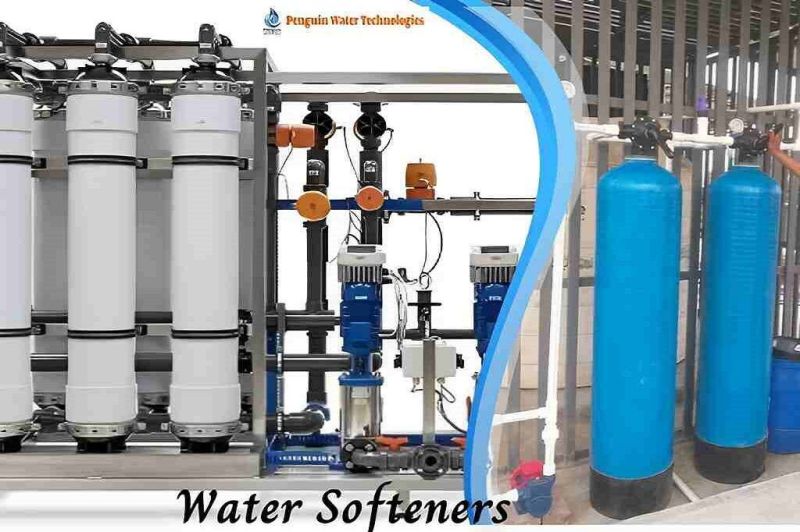
In water treatment plants, the main goal is to purify the water & make it safe for various industrial or domestic uses. However, there are several plants used in treating the wastewater. One such plant is Water Softener. A water softener plant is specially designed to eliminate the high concentration of minerals such as calcium & magnesium to remove the hardness in the water. On the other hand, water softening is a process of removing minerals, primarily magnesium ions, and calcium from the water when flowing. Though the chief purpose of water softening is to reduce the hardness of the water which can trigger scaling & other problems in domestic and industrial applications. Some of the key features of the Water Softener, lets have a look: User friendly Automatic regeneration Low power consumption Need less space Reduction of the scales Increases effectiveness of appliances & plumbing Systems. Clogging from vessels & pipes Lightweight Improves the service life Cleanses harmful particles Anticorrosive parts Advantages of a Water Softener Plant: Well, hard water doesnt pose any major health risks. It can damage your hair and make your skin lifeless or rough when bathing/showering. In such a case, a water softener plant helps to reduce the water hardness & risks related to hair/skin. Saves Cost The cost of repairing the water heaters and pipes can easily be saved using the high-quality Water Softener Plant. Increases the lifespan of water appliances The hard water leads to insoluble soap scum and clogged pipes. Such reactions are harmful as they can permanently damage expensive machines & equipment. Though water softener plants remove all the harmful minerals from water & soften it. Types of Water Softeners The water softener plants are classified into two categories: Chemical Water Softeners & Packaged Water Softeners. Chemical Water Softeners- The Chemical softeners are mainly used in the laundry. Though it essentially removes the calcium & magnesium,
View Complete Details

Demineralization Water Plant/DM Plant-MB Plant

  • Number Of Flower Demineralization Water Plant
  • Features Cation Exchange, Anion Exchange, 2-stage Process
  • Advantages Eliminates Dissolved Salts, Cost-effective, Produces Less Waste, Customizable
Natural water includes many dissolved solids in the dilute forms they are typically different types of salts. Though, these solids are called TDS. The Demineralization is a procedure of purifying water by removing the mineral salts from water through an ion exchange process. On the other hand, we can say, the Demineralization process helps the removal of mineral ions, like calcium, magnesium, iron, and sodium from water. This process is mainly used for specific industrial applications, boiler feed water, & other process to produce high-purity water. However, Penguin Water Technologies offers an excellent Demineralization Plant to remove the minerals salts from water.This plant consists of two 2 stages- One is Cation Exchange and another is Anion Exchange. Cation Exchange- It is a process for softening hard water & removing certain metal ions, such as calcium, sodium, and magnesium from water. We can also say, Cation Exchange is an ion exchange procedure where positively charged ions are exchanged between the water & a resin solid. Anion Exchange- It is a water treatment process to remove certain impurities from water. Though, this method is mainly effective in eliminating the negatively charged ions, like chloride & bicarbonate from water. The Anion Exchange process includes the use of an expert resin that can easily exchange one type of anion for another when water passes through it. Advantages of Demineralization Plant/DM Plant Here are a few advantages of the demineralization plants: This plant effectively eliminates dissolved salts, minerals, & ions from water, hence resulting in purified water. A demineralization plant can be a cost-effective solution. It means this plant is more affordable to operate & maintain than other water purification techniques such as reverse osmosis (RO) or distillation. DM plants produce less waste compared to other purification techniques like distillation. These plants can be customized to remove particular contaminants or acco
View Complete Details

Sewage Water Treatment Plant (STP)

  • Number Of Flower Sewage Water Treatment Plant
  • Suitable For Battery Manufacturing, Institutions, Hospitals, Food Industry, Iron And Steel Industry
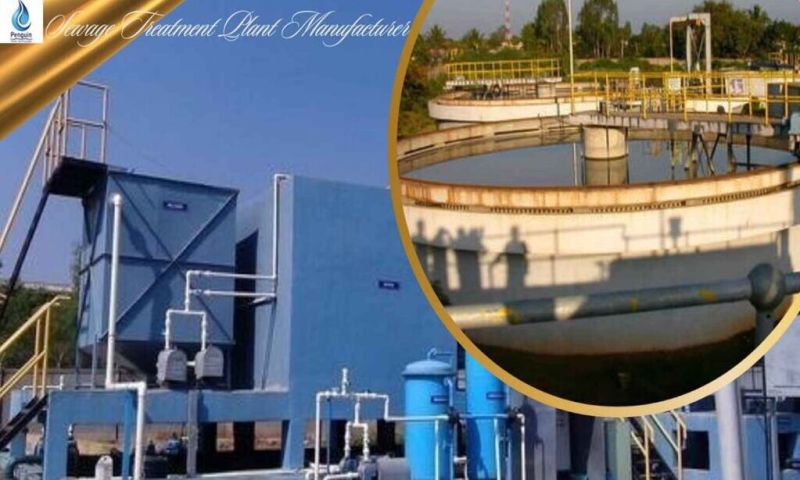
STP (Sewage Treatment Plant) treats sewages produced by numerous companies in order to enhance the quality of wastewater for reuse. Although it performs physical, chemical, & biological procedures for removing the contaminants & producing treated wastewater to make it safe for the environment. We need STP for cleaning & treating the sewage wastewater before it goes into a natural environment. However, if the sewage water is released into the water bodies without cleaning or treating then it will pollute the water sources. And then after, itll result in killing human beings and spreading diseases. Industrial and commercial establishments are generally needed for treating the sewage based on the quality standards before letting them to the sewar. The main purpose of installing the sewage treatment plant (STP) in the vicinity is to eliminate the harmful impurities before releasing them into the environment. Moving Bed Bio Reactor (MBBR) It is a mainly attached growth treatment process. In this process aeration, we have special plastic carriers that provide a surface where bio film can grow. The density of pages is almost equivalent to water and made of polyethylene. Membrane Bio Reactor (MBR) It is mainly a combination of biological and membrane-based treatment. The membrane has a pore size of 0.03-0.04 micron, which combines micro filtration and ultra filtration. It is the advanced treatment technology for sewage treatment plants. Sequential Batch Reactor (SBR) It is mainly a fill and draws type treatment scheme for activated sludge systems. In this system, wastewater is added to a single batch of undesirable components and then discharged. There are other different types of technologies available in the market. The best choice depends upon the source from which wastewater is generated, noworking hours of the plant and other parameters. Sewage treatment plant suitable for industries: Battery Manufacturing Institutions & Hospitals Food Industry Iron and Steel Indust
View Complete Details

Effluent Water Treatment Plant (Etp)

  • Number Of Flower Effluent Water Treatment Plant
  • Purity Wastewater Treatment, Industrial Waste Treatment, Removal Of Toxic Chemicals
  • Storage Type Industrial Facility
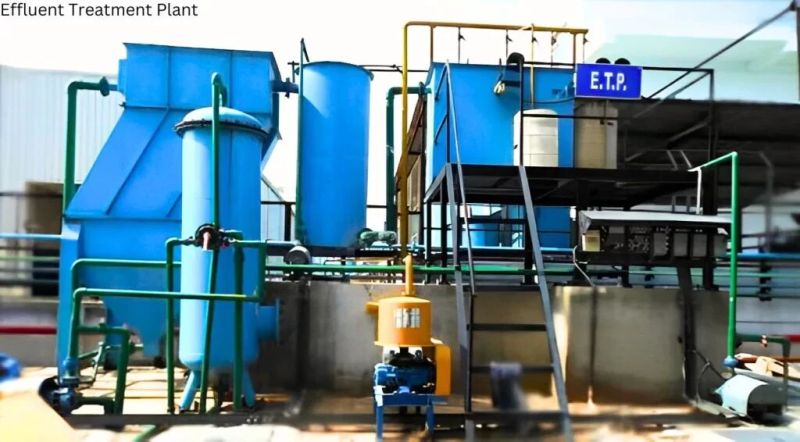
ETP stands for Effluent treatment plant. It is a wastewater treatment process which is used to treat water and wastewater problems. This plant is mainly used in large industrial sectors such as pharmaceuticals, drugs, chemicals, refineries, dairy, and textiles where there is a huge possibility of extreme water pollution. Even though it plays a vital role in the treatment of industrial waste, other hazardous Wastewater treatment. On the other hand, we can say, Effluent Treatment Plant is specially designed to clean/purify the industrial wastewater for its reuse. Also, it assists to release pure/clean water to the environment after removing any toxic & non-toxic chemicals or materials. How does ETP work The conceptual method of treatment consists of the exclusion of the suspended particles, handling of sludge for the disposal, and dissolved organic substances.
View Complete Details

Rain Water Harvesting System(Rwhs)

  • Number Of Flower Rain Water Harvesting System
  • Features Water Conservation, Environmental Benefits, Cost Savings, Health Benefits, Irrigation
  • Storage Type Underground Reservoirs Or Tanks
  • Other Relevant Characteristics Cost-effective, Eco-friendly, Helps In Water Conservation And Preventing Water Shortages
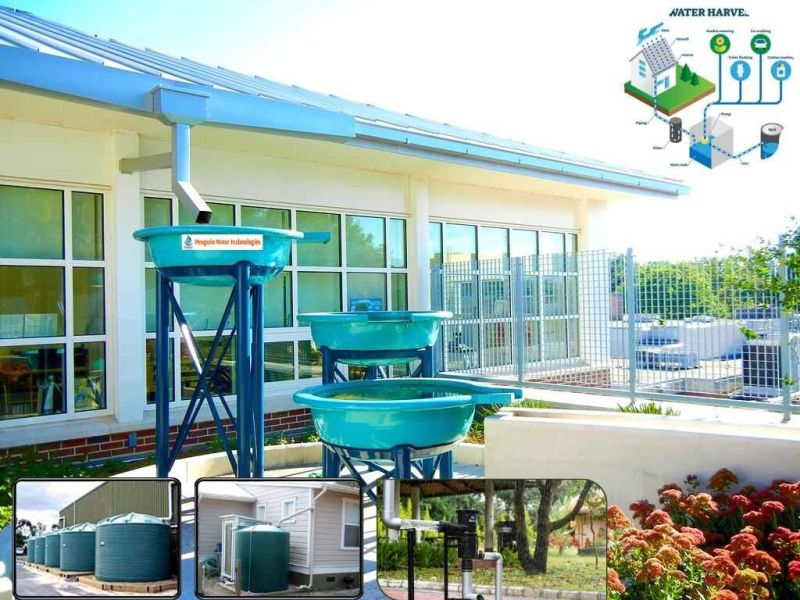
Rain Water Harvesting System (RWHS) is a process of collecting & storing the rainwater for later use. This system involves collecting rainwater from rooftops, hill slopes, or other surfaces, then filtering and storing it in underground reservoirs or tanks for various purposes like irrigation, domestic use, etc. On the other hand, we can say, RWH is a cost-effective & eco-friendly method to preserve water resources. Although it assists to prevent water shortages throughout droughts. Benefits of Rain Water Harvesting System: Water Conservation: It helps in reducing the demand for surface water & groundwater. Also, beneficial in areas facing water shortages. Environmental Benefits: This system reduces soil erosion and improves the water quality in rivers, lakes, and other water bodies by reducing the stormwater runoff. Cost Savings: By using rainwater, you can decrease your water bill & save money on your water expenses. Health Benefits: Well, using rainwater for domestic purposes can assist to reduce exposure to harmful chemicals & contaminants that might be present in water supply. Irrigation: The RWH system can be even used for the irrigation purposes that can be advantageous for farmers & other agricultural users. Well, below we have listed some of the components of rooftop rainwater harvesting: First flush Catchment Transportation Filter Technique #2-Surface run off harvesting The Surface runoff harvesting system is a process of collecting rainwater that flows away as a surface runoff. Although the runoff rainwater is caught & used to recharge aquifers via adopting suitable techniques. Factors Affecting the Amount of Harvested Rainwater: Catchment features The capacity of storage tanks Quantum of the runoff.
View Complete Details
Tell Us What are you looking for? Will call you back

Contact Us