 GST : 27AAAFP1146J1ZD
 5.0/5
5.0/5
Our Products
We offer the best product range of Cadmium Stick Phoolchand Bhagatsingh, Carbon Additive Raiser Phoolchand Bhagatsingh, Base Metals, Aluminium Base Metal and Gold Base Metal.
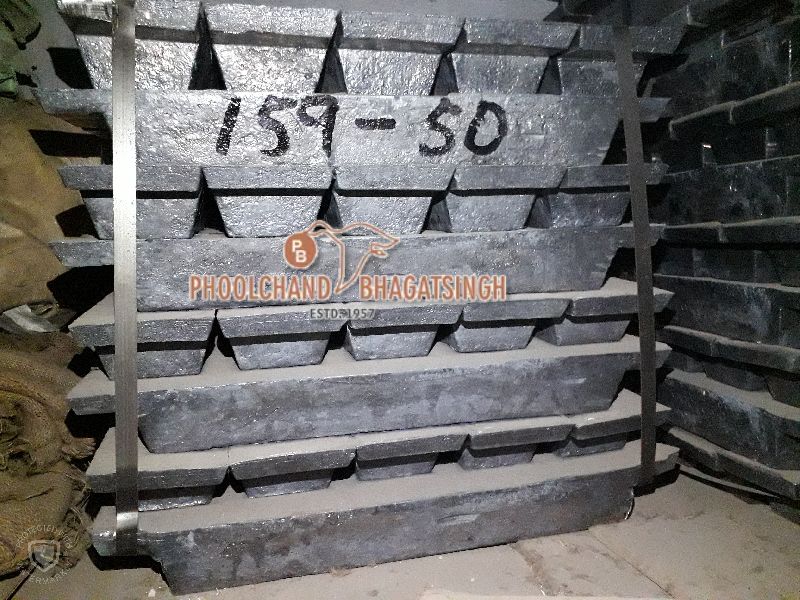
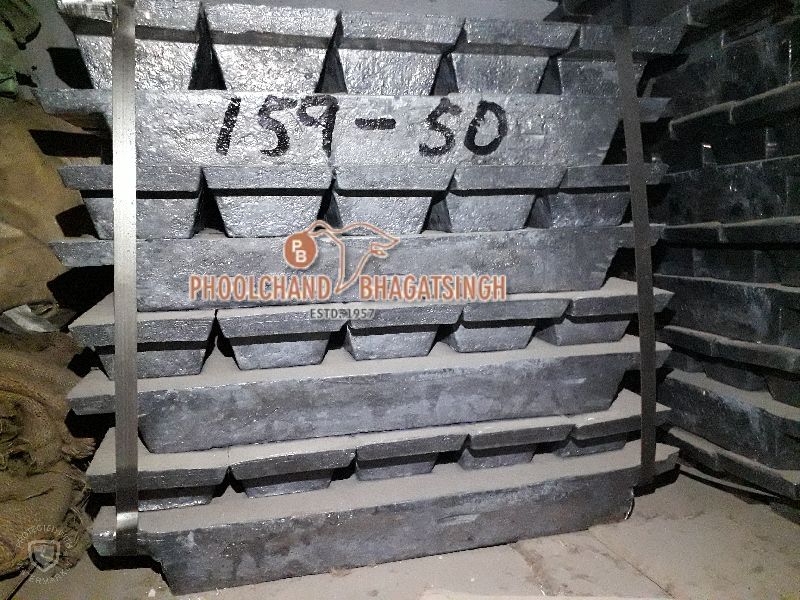
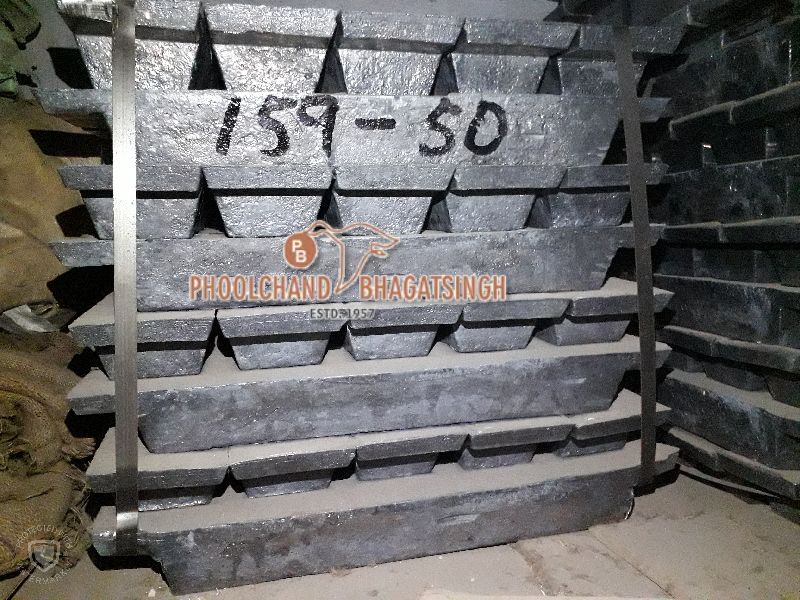
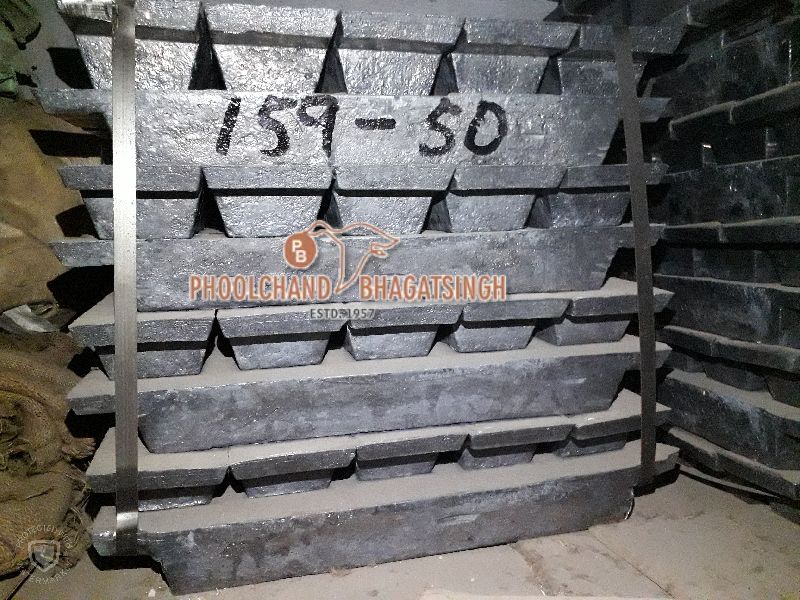
Abase metalis a common and inexpensivemetal, as opposed to aprecious metalsuch asgoldorsilver.
Innumismatics, coins often derived their value from the precious metal content; however, base metals have also been used in coins in the past and today.Base metals are typically abundant and widely available, making them less expensive than precious metals such as gold and silver. They are often used in industrial applications and in the production of everyday items such as coins, pipes, and wires.
In the field of numismatics, coins have historically been valued based on their precious metal content, with gold and silver coins often commanding higher prices than those made of base metals. However, base metals such as copper, nickel, and zinc have also been used in the production of coins throughout history and continue to be used today. In some cases, coins made of base metals may have numismatic value due to their rarity, historical significance, or other factors.
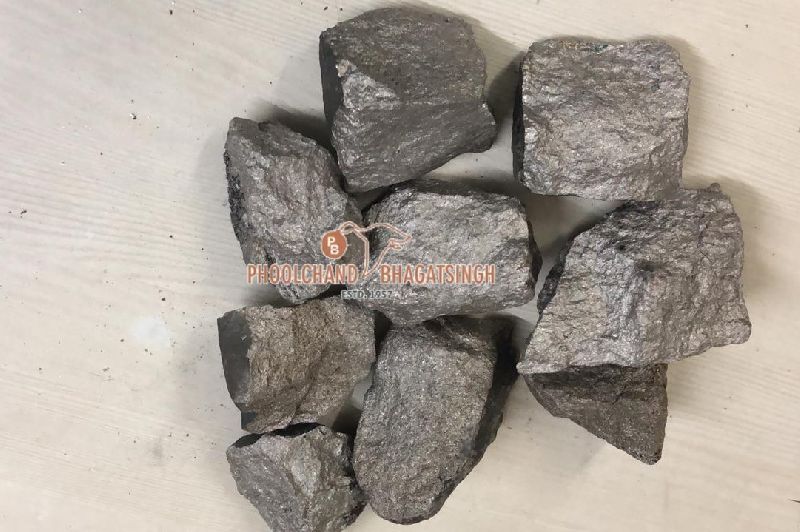
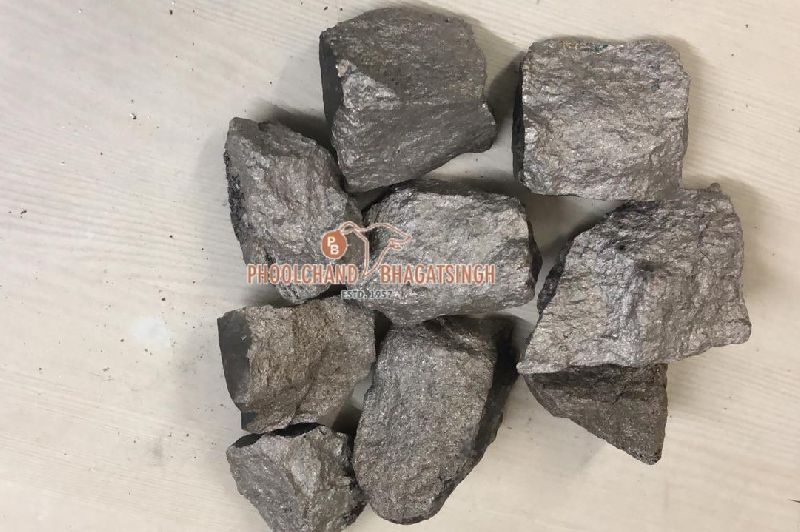
Ferro alloys granules are a type of granular material made by mixing and compressing different types of ferro alloys, which are alloys of iron with other elements such as manganese, silicon, and chromium. These granules are commonly used in the steel industry as an alloying agent to enhance the properties of steel.
Ferro alloys granules are used to introduce specific chemical elements into steel, which can improve its strength, durability, and other properties. For example, ferro manganese granules are used to remove impurities from steel, while ferro silicon granules are used to increase the hardness and strength of steel. Ferro chrome granules are used as a corrosion-resistant coating for steel, and ferro molybdenum granules are used to improve the strength and toughness of steel.
Overall, ferro alloys granules are an important component of modern steel production, and their use helps to create stronger, more durable, and more resistant steel products. These granules are widely traded globally, and many companies are involved in their import and export, including Phoolchand Bhagat Singh.


Aluminum profiles are products born from aluminum alloys that are transformed into shaped objects through the extrusion process. Aluminums unique combination of physical characteristics mostly depends on this process.
Aluminum extrusions are used in several fields because this metal is:
Strong and stableMalleable it can be easily cast and machinedA good conductorNon-magneticRepeatedly recyclable without losing integrityTherefore, aluminum is employed in a growing number of manufacturing needs, including the production of components for international space stations or in nuclear power plants.
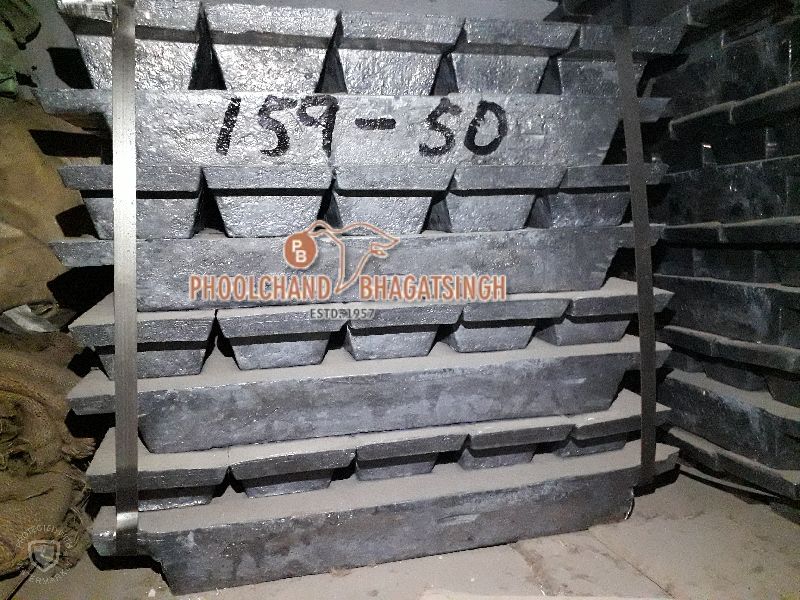
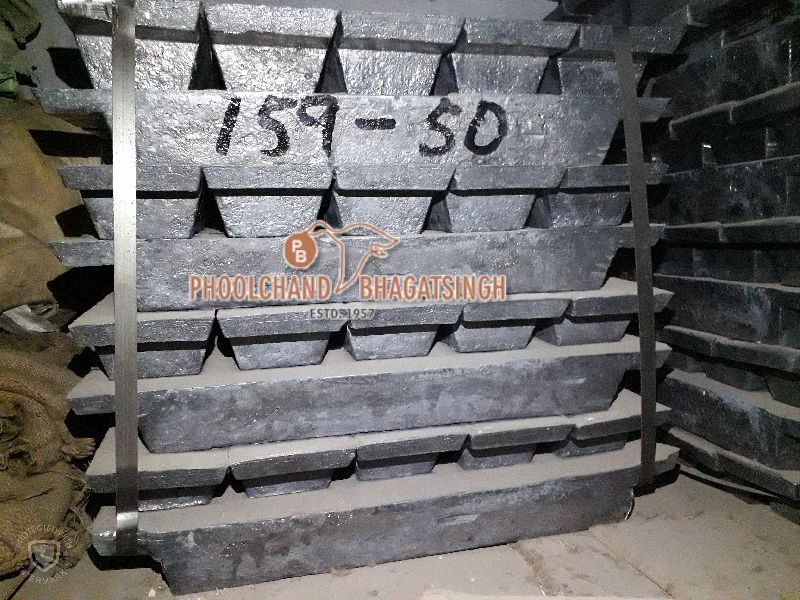
There are essentially two strategies for delivering aluminum. Essential creation includes mining bauxite stores from the earth and performing electrometallurgical handling to at last structure aluminum. Auxiliary generation makes new aluminum from reused scrap item. From that point, distinctive preparing techniques and amalgams are utilized to frame aluminum into its ideal shape, quality and thickness.
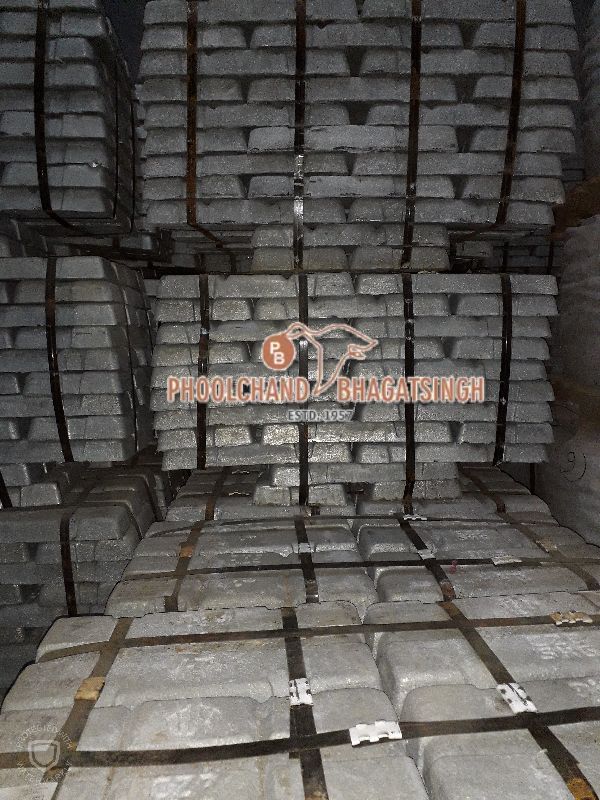

Aluminium plays a major role in the modern world through its innumerable applications, because of its intrinsic and versatile properties of lightness, strength to weight ratio, corrosion resistance, electrical and thermal conductivity, nontoxicity etc. In the form of castings, either as cast or heat treated, aluminium is gradually replacing Gunmetal, bronze, stainless steel and many grey iron and malleable iron castings.


Base metals are common metals used in industry or manufacturing, such as copper or zinc. Base metals exclude iron-containing metals and alloys. Unlike precious metals, base metals tend to tarnish, oxidize, or corrode over time or when exposed to the elements.
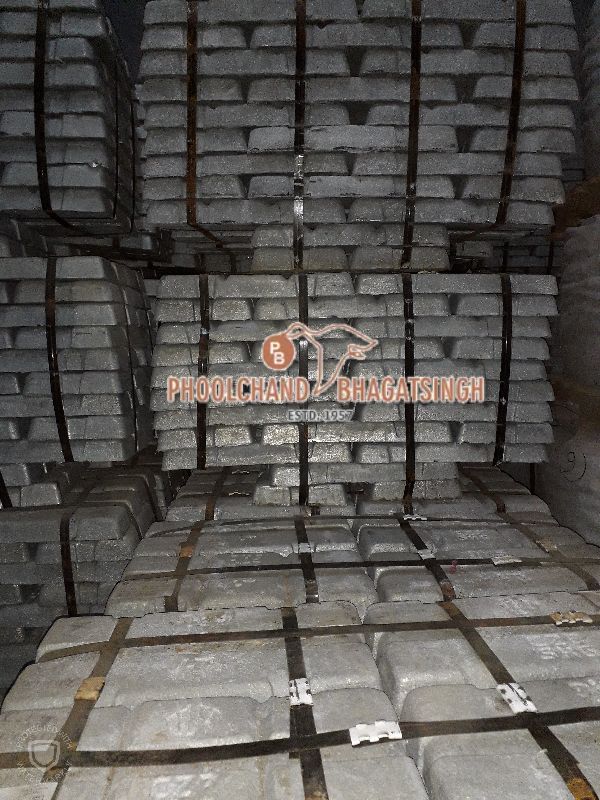

Silver plated refers to jewellery created by covering a base metal, such as copper or brass, in a very thin layer of sterling silver. The coating can be anywhere from 1 micron to 10 microns thick.
base metal, precious metal alloys can be used to provide a durable and high-quality surface for other materials to be applied to. For example, a thin layer of gold or silver can be applied to a base metal such as copper or brass to create a more aesthetically pleasing surface or to improve electrical conductivity.
Precious metal alloys can also be used as a substrate for coatings such as diamond-like carbon or titanium nitride, which provide additional benefits such as improved wear resistance or hardness.Overall, precious metal alloys used as a base can improve the performance and appearance of a wide range of materials and products, including electronics, jewelry, and industrial equipment.

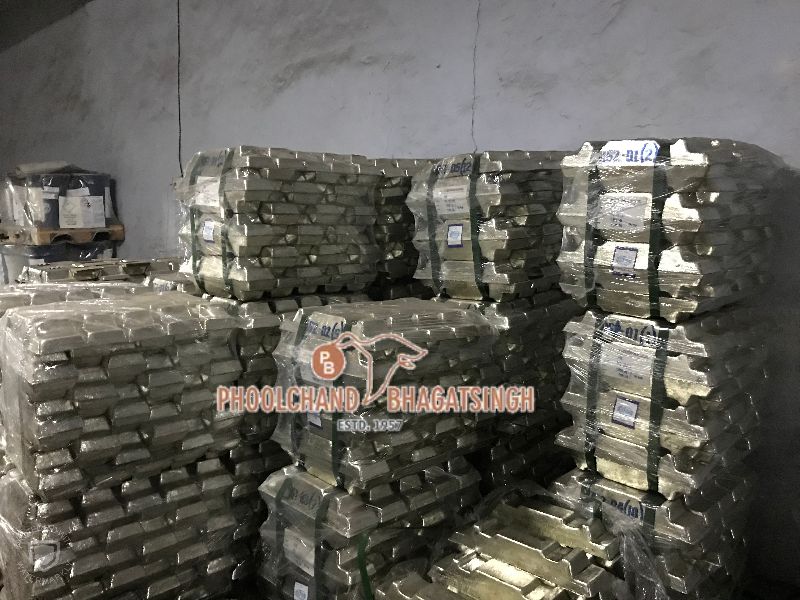
A steel base is a support structure made of steel that is used to provide a stable foundation for various types of equipment or structures. Steel bases can be used in a wide range of applications, from industrial machinery to construction and engineering projects. Steel bases are typically made of high-strength steel, which provides durability and resistance to wear and tear. They are often designed with specific dimensions and shapes to accommodate the particular equipment or structure they are supporting. Steel bases may be customized for specific applications, such as to provide additional support for heavy loads or to improve stability in high wind or seismic zones. They may also be coated or painted to prevent corrosion and improve the appearance of the structure. Overall, steel bases are an important component in many types of construction and industrial projects, providing a strong and stable foundation for the structures and equipment they support.

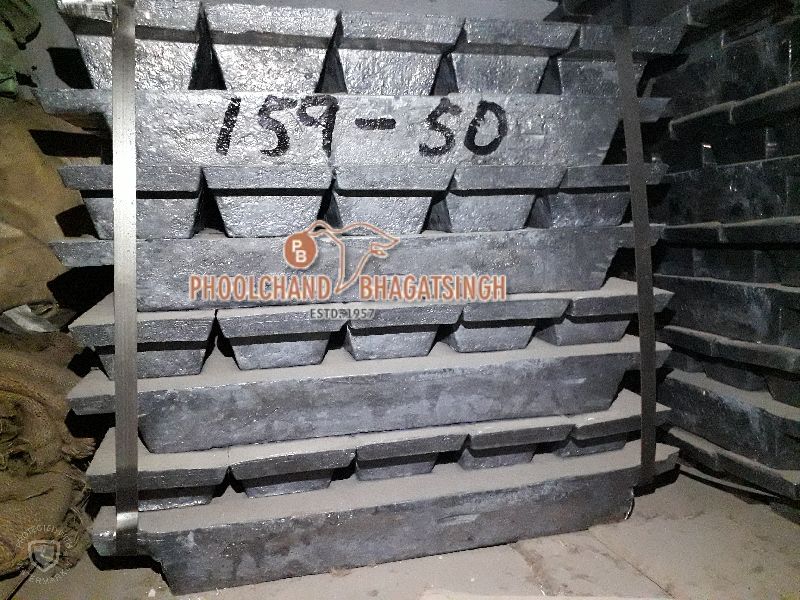
Base metals are common metals used in industry or manufacturing, such as copper or zinc. Base metals exclude iron-containing metals and alloys. Unlike precious metals, base metals tend to tarnish, oxidize, or corrode over time or when exposed to the elements.
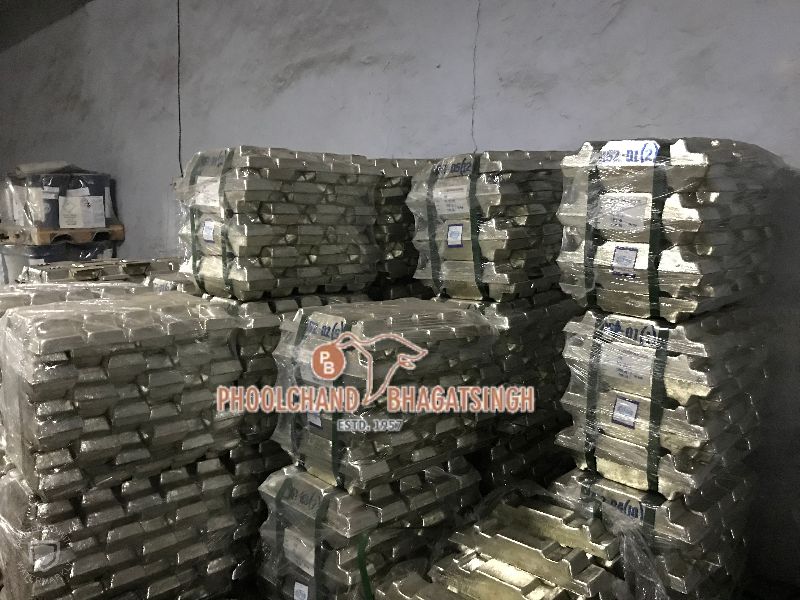

A base plate steel is a flat, rectangular or circular steel plate that is used as a foundation or support for various structures or equipment. It is typically made of high-strength steel, which provides durability and stability, and is often used in construction, manufacturing, and industrial applications.
Base plate steel can vary in size, thickness, and shape depending on the specific application and load requirements. They are often used in conjunction with bolts or anchors to secure equipment or structures to the ground or other surfaces. In addition, they can also be used as a decorative element for furniture or architectural structures, such as the base of a column or statue.
Base plate steel can be purchased from metal suppliers and may come in a range of finishes, including galvanized, painted, or raw steel. They are typically available in standard sizes, but custom sizes and shapes can also be ordered to meet specific application requirements.
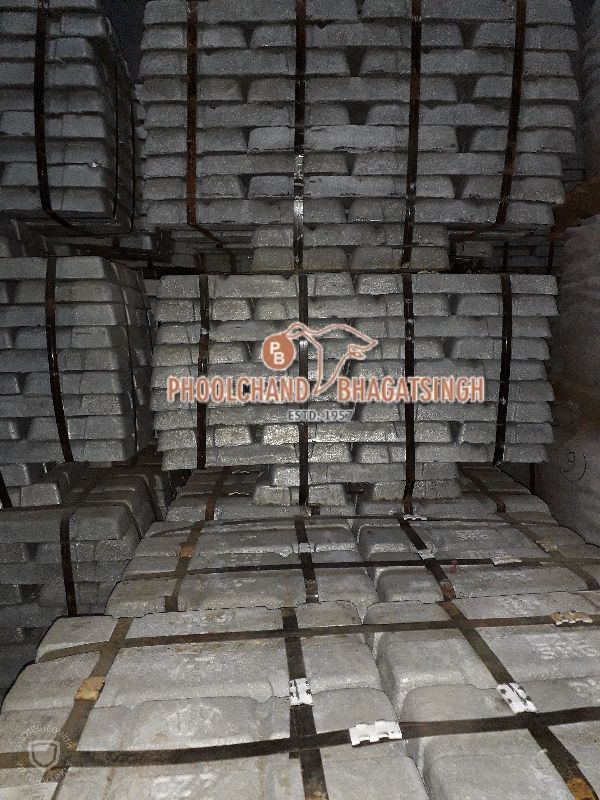
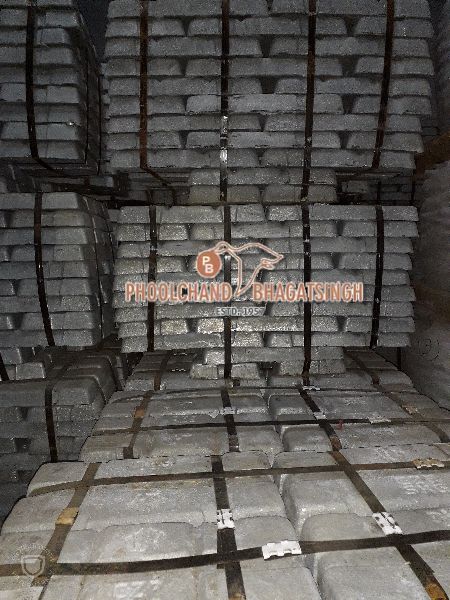
A metal plate base is a type of flat, rectangular or circular metal plate that is used as a foundation or support for various structures or equipment. It can be made of a variety of metals, such as steel, aluminum, or copper, and is often used in construction, manufacturing, and industrial applications.
Metal plate bases can vary in size, thickness, and shape depending on the specific application and load requirements. They are often used in conjunction with bolts or anchors to secure equipment or structures to the ground or other surfaces. In addition, they can also be used as a decorative element for furniture or architectural structures, such as the base of a column or statue.
Metal plate bases can be purchased from metal suppliers and may come in a range of finishes, including painted or raw metal. They are typically available in standard sizes, but custom sizes and shapes can also be ordered to meet specific application requirements. The choice of metal used for the plate base will depend on the specific application and factors such as the load capacity, environmental conditions, and desired aesthetic.
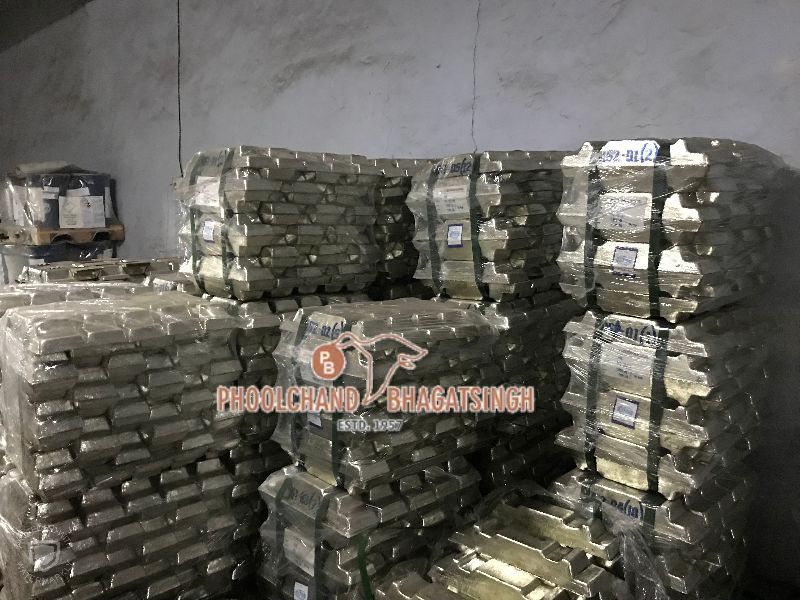
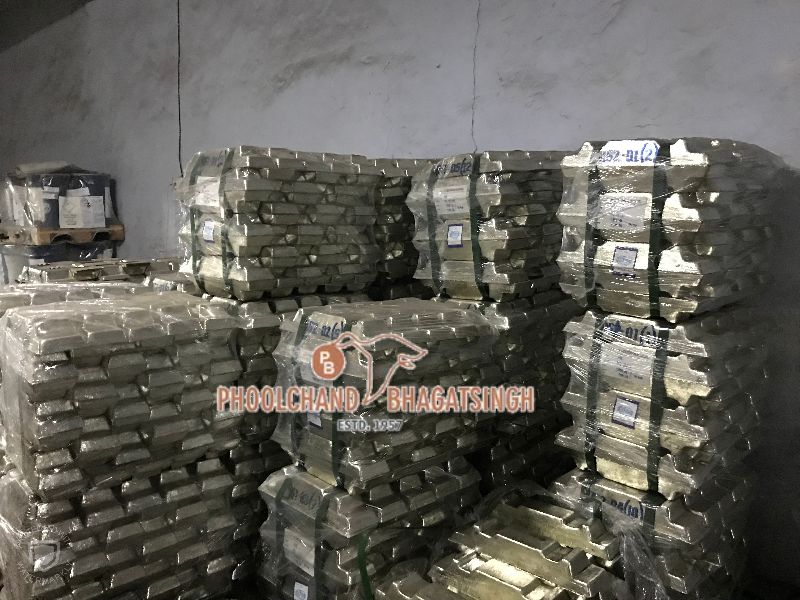
steel base metals are commonly used in a variety of industries and applications, and there are many companies and individuals involved in the import and export of these materials. Steel base metals can include materials such as steel plate, steel tubing, steel sheet, and other steel products that are used in construction, manufacturing, and other industries.
Importers and exporters of steel base metals may source their materials from a variety of countries, depending on factors such as cost, quality, and availability. The steel industry is highly competitive, with many companies and individuals involved in the buying, selling, and trading of steel products.

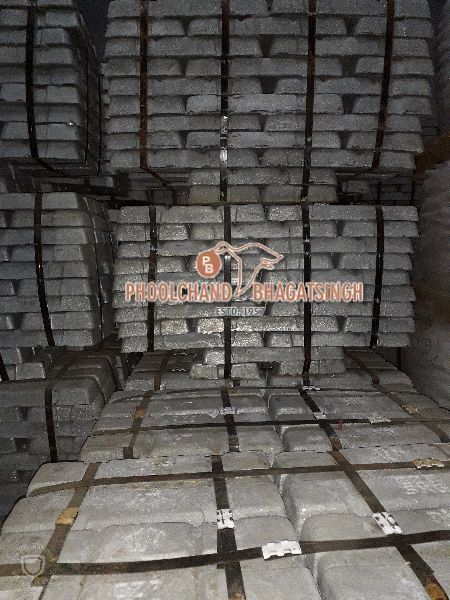
Base metal is basicallya mixture of a few metals to form one base metal that is durable and desirable for jewellery. The most common base metals are copper, lead, nickel, tin, aluminium, and zinc. Base metal, like sterling silver can also be gold plated if you want to add that luxurious golden glow.
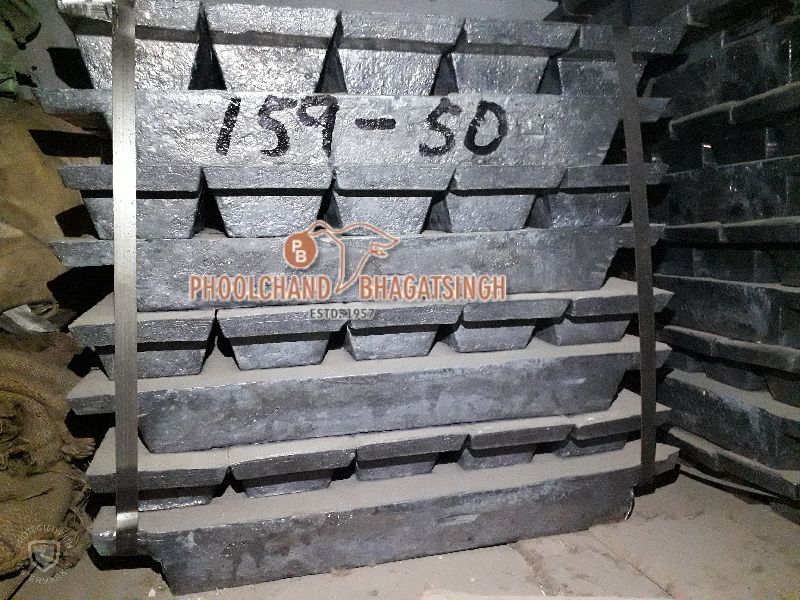
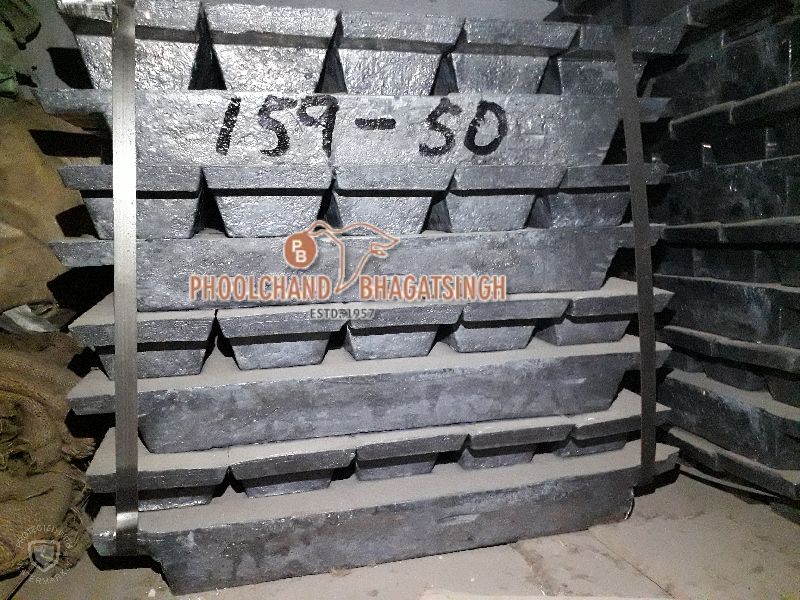
Silver plated base metal is a type of metal that is made up of a base metal, such as copper, brass, or nickel, that has been coated with a layer of silver. This is often done to improve the appearance or durability of the base metal, as silver has a bright, reflective finish and is more resistant to corrosion and tarnishing than many other metals.
The process of silver plating involves coating the base metal with a thin layer of silver through a process called electroplating. This involves immersing the base metal in a solution containing silver ions, along with an electrode made of pure silver. When an electric current is passed through the solution, the silver ions are attracted to the base metal and deposit on its surface, forming a thin layer of silver.
Silver plated base metal can be used in a wide range of applications, from jewelry and decorative objects to industrial and electronic components. It is often less expensive than solid silver and can provide a similar appearance and some of the same properties. However, the thickness of the silver coating can vary, and the base metal may still be visible in places, particularly on the edges or corners of the object.
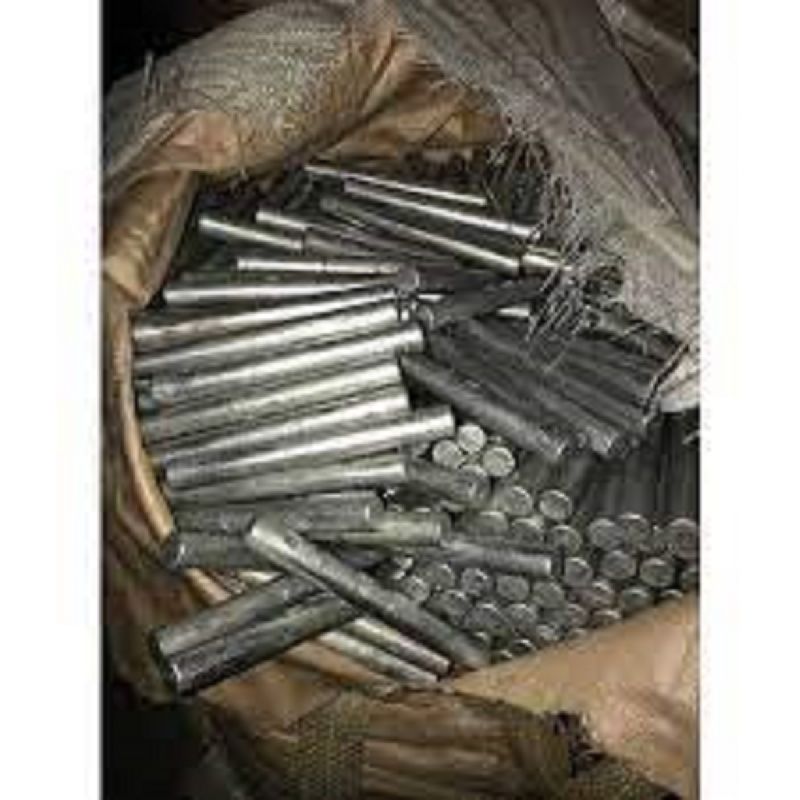
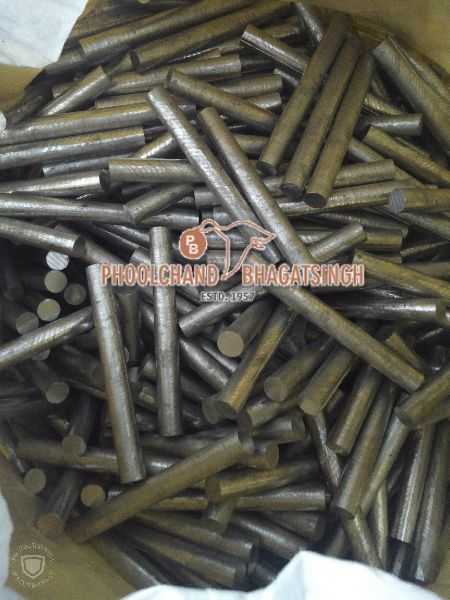
Cadmium ranks 65th in the list of the most abundant elements within the Earth's crust. This is a soft metal, silver-white in color with a bluish tinge on the surface. It is even possible to cut pure cadmium with a knife. The acids soluble and alkalis insoluble lustrous metal has properties similar to zinc, for instance it also tarnishes in air. It is not allowed to discard cadmium into the environment in many countries, therefore the products that contain cadmium are recycled to recover cadmium.
Production: There are rare ores that contain cadmium. This mineral is produced as a by-product from zinc's sulfide ores mining, smelting and refining. Therefore, it is mainly produced in areas where zinc is refined. When the iron and steel scrap are recycled, the dust is generated, which is regarded as a secondary source for the production of small amounts of cadmium.
Applications of Cadmium
ORIGIN : JAPAN / KOREA/ PERU
SPECIFICATION: 99.99% MIN
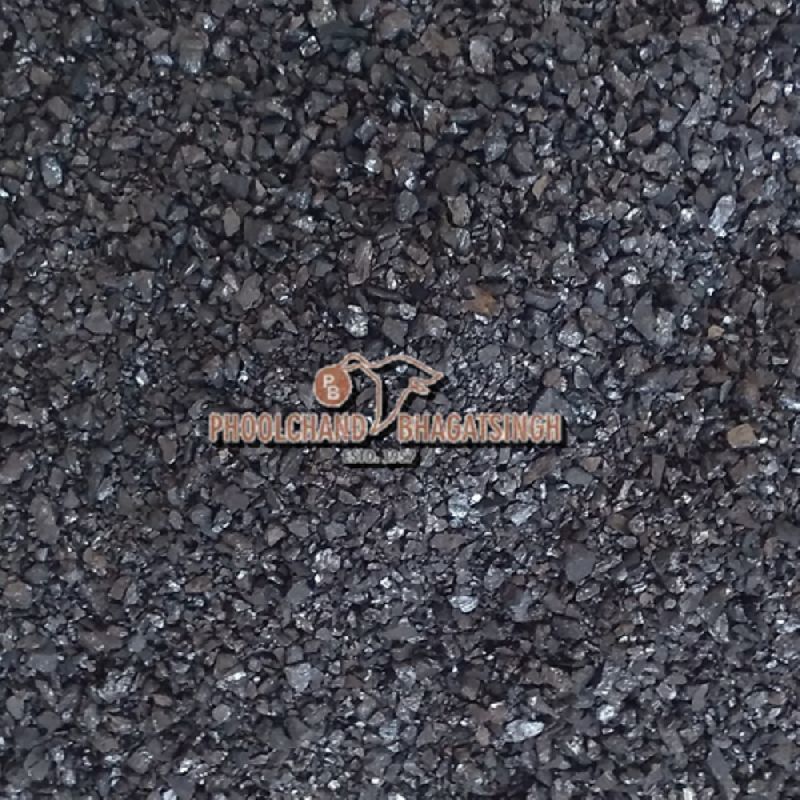
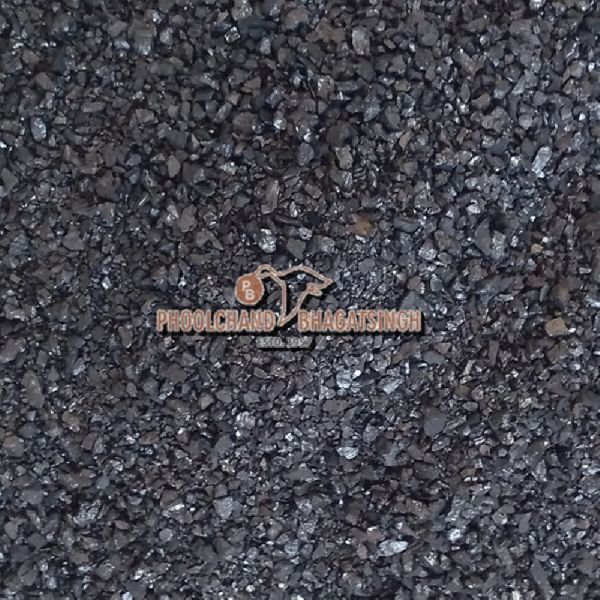
FC : 90% min / 92% min / 95% min
Carbon Raiser is mainly used as additive and fuel. Also known as carbon additive, calcined anthracite coal and gas calcined anthracite coal, its main ingredient is anthracite with characteristic of low sulfur and ash. More than 95% fixed carbon can be achieved by using it as a carbon additive of steel-smelting and casting.
The DC electric calciner is used for calcining Anthracite at high temperature about more 2000 degrees. This results in efficiently removing moisture and volatile matter from Anthracite. It also improves several parameters, such as anti-oxidation, density, electric conductivity and mechanical strength. The characteristics of carbon raiser are good, while it has high density, low carbon, low ash and low resistivity. It is mainly used as a raw material for carbon products. In steel industry, it is used as carbon additive.
It can be used as an alternative to the stone grinds and refinery coke, because of its low cost. The calorific value of Carbon Additive can be more than 9386K/KG, which is why it can be used as a fuel.
When in vertical shaft furnaces Anthracite is calcined under the 1240 degrees temperature, Calcined Anthracite is produced. There are many applications of the Calcined Anthracite, for instance carbon material production, removal of rust in ship building, water filtering and electric steel ovens.
Calcined petroleum coke is also used in the making of Carbon Raiser. Chemistry, machinery, metallurgy, electricity are some industries where it is used as carbon additive and intermediate reactor.
Based on the factors, like quality requirements of the steel or ferroalloy production, cost and availability of carbon products, charging carbon is selected. Coke has a relative low and consistent S/P content, high percentage of carbon content. The porous structure of coke enables hot metal to enter the small fissures and efficient devourment of its carbon content. The cost effective and easy to use Coke is considered as a best material for the furnace operation in slag foaming or in carbon adjustment.
Carbon Raiser Applications:
 Saransh Khandelwal (PHOOLCHAND BHAGATSINGH)
 Premises No 20 1st Floor Hi Life Mall P. M. Road Near Station, Santacruz West, Mumbai, Maharashtra - 400054, India
 Share us via