Our Products
Resins
2 Products availablePET Granules & Plastic Raw Material
2 Products availableBeams And Girders
2 Products availableSteel & Steel Products
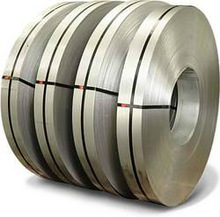
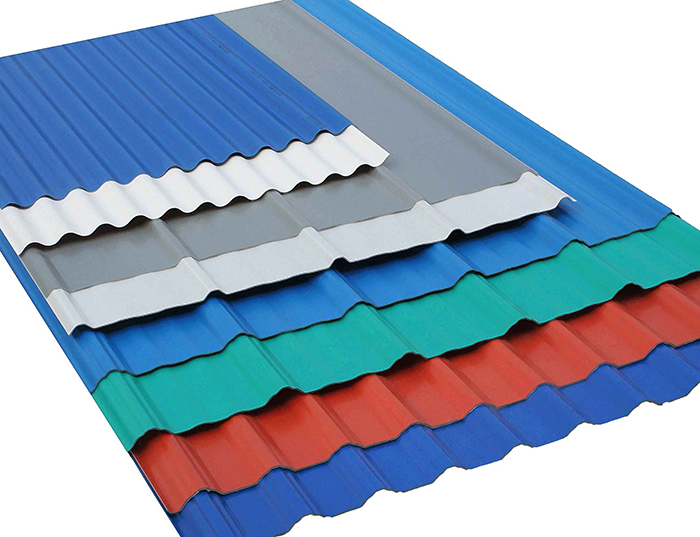
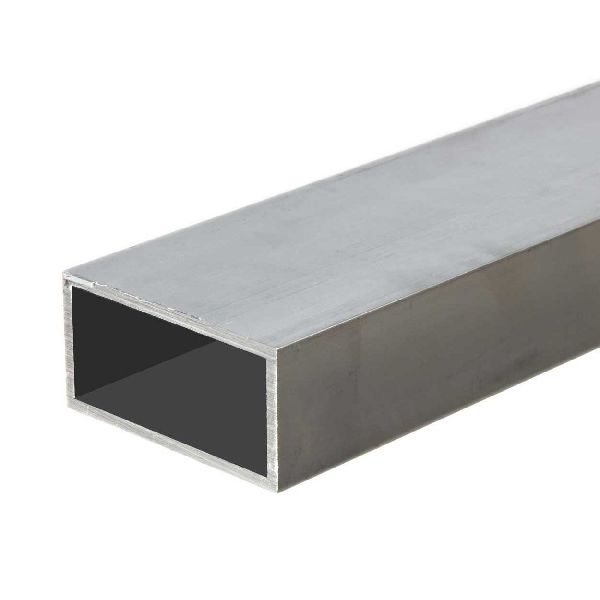
2 Products availableOur product range contains a wide range of Steel Rectangular Tubes, Tin Stabiliser, PVC Stabiliser, PPGI Sheet and Cold Rolled Strip
Steel Beams are also known as I-Beams. I-Beams are made even using Aluminium or other metals. Structural Steel Beams are the most popular and are used for a variety of purposes owing to their usefulness. Steel Beams are made either by Rolling namely, hot rolling, cold rolling, and extrusion or by the Plate Girder process namely, by welding, bolting, or riveting plates. Before preparation, specific dimensions and measurements are specified for the Steel Beams to perfect their shape. The exact dimensions are crucial in ensuring the right size that will yield the best results when the finished product is used. To achieve high accuracy in manufacturing, Steel Beams are made using Laser Fusion Technology by Engineers who mix the right proportion of thickness and material grades.
Steel Beams shaped in the form of the capital letter I are mostly used in industries that need tapered flanges. W-shaped Steel Beams, also called wide flange beams are used in residential housing and construction purposes. There are also H-Flanges that are a bit more heavier and longer than I-Flanges but look almost the same. Due to their useful shapes and good strength to weight ratio, they are best suited for construction. Industrial sheds, Bridges and Building structures mostly use steel beams. They can expertly handle vertical gravitational forces and horizontal earthquake or wind forces. Transmission Line Towers and Frames also see extensive usage of Steel Beams. They form strong bonds with Brickwork and Lintel which makes them perfect for structural projects.
The traditional method of making Steel Strips is by using recycled steel. The newest method of Steel Preparation begins by first rolling steel rod stock and strips of appropriate dimensions into steel strapping of specified thickness. The resulting steel strapping is then heated with electrical resistance by passing electric current through it using roller contacts. When the strip stock reaches an appropriate temperature, it is hot rolled and heat treated. Heat Treatments are varied and chosen per the type of structural constitution required such as Pearlite, Marsenite, Bainite etc. It can be modified to obtain various properties such as Tensile Strength, Ductility etc. The resultant product is either coiled or cold rolled. This method results in energy savings that were hard to achieve in conventional heat furnaces.
Steel Strips are used for different industrial applications. Most common uses include Body Panels, Automotive Components, Tubes, Appliances like Refrigerators, Washers, and Dryers, Building Materials, Electric Components etc. Steel Strips have excellent forming and deep crawling capabilities. Cold Rolled Steel Strips possess excellent surface quality, cold formability, and uniform mechanical properties. Major areas of application include Civil Engineering, Tube Industry, Section Industry, Steel Service Centres, Re-Rollers and, Steel Trade. The Housing Industry uses Steel Strips for Roofing, Cladding, Drainage, and Household Appliances. The Automotive Industry also uses Steel Strips spanning Automotive sub-suppliers and the commercial vehicle industry. Hot Water Boilers, Stoves, Clothes Dryers, Dishwashers are few other areas of use for Steel Strips. The Radiator Industry also uses Steel Strips.
Stainless Steel is processed into Square Bars. First, the steel is moulded. Next, the stainless steel is subjected to different temperatures to increase the tensile strength of the steel. After this, the steel stock is passed through roller pairs. During this rolling process, the steel is imparted different temperatures depending on the application it will be used for. The Rolling process may be one of three types namely, Hot Rolling, Cold Rolling, or Cold Drawn Rolling. In Hot Rolling, the grainstructureof the steel should be altered. Thus, the temperature of steel must be higher than recrystallization temperature. Cold Rolling is generally performed in room temperature since the steel temperature must be lower than the recrystallization temperature. Cold Drawn Rolling is like Cold Rolling in that it is performed in room temperature but here, the steel turns into a wire-like form.
Square shaped steel bars are machinable and corrosion resistant. They are used in the manufacture of products such as general machining screws. The major applications of Steel Square Bars are in Engineering Construction, Residential Construction, Non-Residential Construction, Mining Infrastructure, Transport, and Storage. Hot Rolled Steel Square Bars can be easily cut, welded, formed, or machined. This makes them best suited for generalstructuralfabrication and repairs for Industrial Maintenance. Hot Rolled Bars have a grainy finish and have rounded corners. Cold Rolled Steel Square Bars have smooth surfaces with sharp corners. They have highly accurate dimensions unlike Hot Rolled Bars. They are best suited as shafts, machine mounts, fixtures etc.
Steel Rectangular Tubes are also referred to as Hollow Structural Sections. This is a terminology most commonly used in Engineering and Construction. The manufacturing process of Steel Rectangular Tubes does not vary greatly from that of Square Rectangular Tubes or Pipes. First, a flat steel plate is moulded to change shape. The edges are refined and readied for welding. The edges are then welded to form the mother tube. The mother tube is then passed through a series of shaping strands. These strands turn the mother tube into the desired shape (steel or rectangular). Steel Rectangular Tubes conform to the American ASTM A500 or ASTM A1085 Standards. To improve the fire rating and robustness of Steel Rectangular Tubes, it is usually filled with concrete.
Steel Rectangular Tubes are used in various industries and in different applications. Common Industrial Applications include where extreme temperature, pressure and destructive tolerance is required. Common Domestic Applications include Kitchen Appliances and Gas Pipes. The Construction and Engineering Industry uses Steel Rectangular Tubes for welded steel frames and steel scaffolding. Automobile manufacturers use them for internal vehicle parts like the Fuel Injection system and Vehicle Control System. More applications include manufacture of Furniture, Display Stands, Shop Fittings, Clothes Rails, Storage, Racking, and General Steel Fabrications. Steel Rectangular Tubes are best suited for mechanical uses because it has close tolerance, good finish, and dense structure.
A Steel Channel is a C-shaped Structure made from Mild Steel that is hot rolled. The inside corners of the steel channel have specific radii that provides it the required strength and rigidity to support steel angles, and for various other structural and construction projects. They are fairly easy to prepare with the right equipment and dimensions. Steel Channels commonly follow the dimensional standards of ASTM 36. Post hot-rolling, the Steel Channels are generally subjected to additional inline fabrication. After the fabrication process, it is either painted or sent for galvanisation to make it resistant to corrosion. Steel Channels can be cut, drilled, or machined per requirements. They can also be welded with ease. Large Channels are usually manufactured using laser fusion technology.
Steel Channels fit both Indoor and Outdoor usage. They are normally employed for general construction. Few examples of use are as Lintel above doors and as support for floor joists. Indoor usage is mostly as Holders, Covers, Frames, Inserts, Dcor, Brackets, Tracks, Slides, Posts etc. Outdoor usage include as Standards, Supports, Reinforcements, Stiffeners, Railings, Rails, Rims, Purlins, Sub-girts, Girts, etc. Other industries that use Steel Channels are Ship Building and Automotive Industries. Majority of Manufacturing Industries make passive use of Steel Channels. They are also used for Repairs. Construction of Bridges and Machinery also make use of Steel Channels. Civil Engineering and Building/Construction are the two main Industrial sectors that see high demand for Steel Channels. Their Corrosion Resistant and high support properties make them useful in these two sectors.
Rectangular Steel Bars are rectangular shaped pieces of hot rolled steel. They are long and flat and are mostly used in places where shape and tolerance of the product is not mandatory. These Bars are also made from Cold Rolled Steel, Stainless Steel, Alloy Steel, Tool Steel etc. Hot Rolled Steel Rectangular Bars are also referred to as Hot Rolled Flat Bars. They are less expensive than cold rolled steel rectangular bars. Cold Rolled Steel Rectangular Bars or Cold Rolled Flat Bars have sharp corners and edges. It is also smoother than hot rolled bars. Stainless Steel Rectangular Bars resist corrosion, staining, and rust, excellently. Alloy Steel Rectangular Bars are prepared by the addition of alloying elements like Manganese and Nickel that render it high strength and toughness.
Steel Rectangular Bars are available in normalised, annealed, spheroidized annealed, quenched (hardened), or tempered form. They are mostly used in applications such as building of bridges, Engineering, Construction, Oil Field, Offshore, Shipbuilding, Die Making, Nuclear Projects, Marine Projects, Medicine, Instrumentation etc. Hot Rolled Steel Rectangular Bars are used in Trailers, Walkways, Ramps, for Structural support and in general fabrication. Cold Rolled Steel is used for manufacture of parts that require cold forming like Crimping, Swaging, or Bending. It is also used for carburised parts that need soft core and high surface hardness like King Pins, Gears, Dogs etc. Stainless Steel Rectangular Bars are mainly used in Architecture and Cookware Industrial sectors.
The most basic method of producing a Steel Pipe is where raw steel is casted and then is stretched out into a seamless tube. In this process, the pipe is formed on a continuous or semi-continuous production line. Another method is to seal the edges together by welding. The whole manufacturing process of Steel Pipes is divided into 5 stages namely, Ingot Production, Production of Booms and Slabs, Additional Processing, Pipe Making and Final processing. In the Ingot Production phase, molten steel is produced and poured into iron moulds where it cools to form Ingots. These Ingots are further processed into Booms and Slabs, after which theyre converted into skelp and billets that are finally made into Steel Pipes.
Steel Pipes make excellent water pipes. They are also called domestic pipes and are used in building and construction sectors where they are employed for housing societies, offices, etc. Steel Pipes are also used as Casing for Oil and Gas. Stainless Steel Pipes make excellent sewage pipes because they dont rust, dont leak, and have a long life. Steel Pipes exhibit high strength and chemical composition standards because of which they are majorly used in Construction and for similar purposes like Fencing, Handrails, Columns, Stoves, exhaust pipes, chimney pipes, poles etc. Steel Pipes are extensively used for Scaffolding purposes in the Construction sector. The Energy Industry also uses Steel Pipes because they can be easily maintained and are very reliable.
The making of Steel Square Tubes follows the same process that is used to make Steel Rectangular Tubes wherein a flat steel plate is moulded and the edges are refined. It is prepared for welding where the edges are welded to form the mother tube. The mother tube then goes through a series of shaping strands. When the mother tube is in the shaping strand, it is given a square shape, instead of rectangular. The four angles in a Steel Square Tube are highly uniform with high intensity. Steel Square Tubes have low manufacturing cost. Its high strength-to-weight ratio makes it desirable for welding, forming, punching and drilling. Steel Square Tubes are lightweight alternatives to solid steel products such as I-Beams and Wide Flanges.
Square and Rectangular Steel Tubes differ in characteristics but they are both used in Building and Construction Applications. They are mostly used to get maximum floor area in steel housing and high rise steel buildings. Steel Square Tubes can be easily recycled. Buildings, Highway Guardrails, Signage, Support Columns, Trusses, Bridges, Heavy Equipment, Storage Systems, and Exercise Equipment use Steel Square Tubes. Other Industries that make use of Steel Square Tubes include the Furniture Industry, and for Domestic Applications like Bus Body, Fencing etc. Stainless Steel Square Tubes are mostly used in applications where the Tubes are exposed to water like the Construction, Automotive, Appliances, Furniture, and Agriculture Industries. Major Applications of Stainless Steel Square Tubes include Fabrication of Containers, Architecture, Conveyors, Bicycles, Automotive Fabrications, Structural Support for Industrial Plants, Buildings and Bridges, and for General Engineering Purposes.
We are the main supplier of this product.
Wire Rods are an alloyed or non-alloyed form of steel that are available in various cross-sectional shapes, such as, round, rectangular, etc. They usually have a diameter ranging from 5.5mm to 42mm. Wire rods are used across various industrial verticals, including the automobile, engineering, construction and consumer goods industries, to name a few. They are manufactured from steel billets or blooms in wire rod mills according into various forms (cross-sections) based on the various industrial requirements.
Wire rods of various thickness ranging from 5.5mm to 42mm are available in the industry. Within the industry, wire rods are classified as low carbon wire rods, high carbon wire rods etc. depending on various criteria with amount of carbon being one of them.
Wire Rods are used in a wide range of applications. From construction industry to the automotive industry, they can be seen being used across the verticals. Wired rods can be used for making:
TMT Bars are thermo-mechanical treated reinforcement bars that find extensive use in the construction industry. These reinforcement bars are manufactured using thermo mechanical treatment of the steel bars in order to achieve high strength and ductility. The high strength TMT bars are considered ideal for any construction purpose where a high yield strength and low weight is desirable.
Due to its exceptionally high strength and high yielding capacity, TMT bars form an important part of the construction business. The thermo mechanically treated steel bars have lesser impurities, and are prone to lesser design failures and hence are used for Reinforced Cement Concrete (RCC) Work. High quality TMT bars are used in the construction of industrial as well as residential structures includingflyovers, bridges, dams, ports and more.
TMT bars are not only stronger and lighter that steel, they come across as cost-efficient and safe solution for construction purposes. Let us look at some of the key benefits of TMT bars:
Galvanised Iron Sheets are sheets used for Buildings and Construction that are a set of steel sheets obtained by hot dipping galvanised mild steel and then cold-rolling them. The resulting sheets contain a linear corrugate pattern on them. The corrugations prevent bending of the sheets in a direction perpendicular to the corrugations, making these sheets excellent roofing material. The Corrugation process works by the roll formation process. The metal sheets are passed through rolls and rolling dies that result in the corrugation pattern. After rolling, the sheets are sheared off per desired length. The corrugation pattern is mostly a round, wavy style. But, if different shapes and patterns are required, this can be changed by changing the rolling dies.
GI sheets are used in the manufacture of ovens and electrically controlled cabinets. The Galvanised Coatings on these sheets act as protection barriers for small areas of the steel that are exposed to damage. They provide Cathodic or Sacrificial Protection to such areas. Other than the Construction industry, GI Sheets are also used in the Agriculture, Automobile, and Household sector. They are best suited for making wall ornaments and cornices in Buildings and houses. Roof ornaments such as Cresting and Finials also make use of GI Sheets.
Steel Angle is essentially steel shape with low carbon that is hot rolled. It is the most popular among all steel shapes. It is angled at 90 which makes it a strong and sturdy product that is used for various applications. Steel Angles have a bar shape and it conforms to the ASTM A36 Steel Standard. Steel Angles can be either hot rolled or cold rolled. Hot Rolled Steel angles are mostly used in industries and manufacturing units because they have a rough surface that makes them suitable for different applications. They can also be made capable of resisting corrosion through galvanisation. Hot Rolled Steel Angles are made from low carbon steel that are unalloyed.
Some uses of the Steel Angles are in the manufacture of frames, fabrications, shelves, brackets, vehicle building, construction, and maintenance. Structural usage of Steel Angles is maximum compared to any other sector. Examples include riveted, bolted, or welded construction of buildings, bridges, machinery etc. A few other uses are for brooms, rails, braces, cross-members, liners, truck trailers, truck beds, racks etc. More uses of the Steel Angle include construction of bicycle racks, motor mounts etc. Steel Angles comes in different lengths and sizes. They can also be cut to the desired length as per requirements. Additional rust protection can be achieved by red oxide coating or hammarite metal spray painting to give it an extra finish depending upon the application.
Steel Bars are manufactured through Ladle Refining Furnace Degassing Process. This combined Refining Process is followed by a Bloom Continuous Caster process. Here, Bloom Casters are produced with large cross sections. After this comes the rolling process in which the Bloom Casters are sent into a 2500 ton in-line press. Finally, steel bars are rolled out from a Full Continuous V-H Rolling Machine. This machine ensures that only highly rigid and accurate steel bars are rolled out. The resultant products are examined thoroughly in an automatic inspection line to ensure maximum quality and accuracy of the product. The Diameter and Length of the product is measured using Laser measuring equipment. The overall quality measurement is known as the Left Footstep process.
Steel Round Bars are mostly made from stainless steel. Due to the high corrosion resistant and acid resistant properties of Stainless Steel, these round bars are used for Machining, as Fasteners, for Grills and Construction purposes. Machining applications make use of their high cutting speed and long tool life. Steel Round Bars are available in different grades like Duplex and Super-Duplex Stainless Steel. They are also available as peel-turned, burnished or rough machined surface. Mild Steel Round Bars are used as tensile stress for Reinforced Cement Concrete (RCC) Slab Beams. Deformed steel round bars are used in construction projects by structural engineers. Most common use of Steel Round Bars are for Pump Shafts, Machined Components, Valves, Dairy Equipment, Machine Tools, Pins, Hinges, Surgical Parts, Metal Parts etc.
PPGL Sheets are prepared by combining the strength of steel with anti-corrosive capabilities of a metal coating like Zinc or Aluminium. It is exceptionally resistant to weather and environmental degradations and can be punched, pressed, roll-formed, or joined in any way possible per requirement. They are made in a variety of specifications to suit different applications. They are lightweight and strong for easy placement and to provide high durability. They do not crack under pressure and are made to superior quality. Our suppliers provide PPGL Sheets made using the finest machinery and highly skilled engineers. Our product is superior in quality and has a fine finishing. The steel is properly galvanised to meet industry standards and the aluminium coating is made to display high strength and tolerance.
Some of the applications of PPGL Sheets include Lining for Oil Tanks, in Factories, Educational Institutions, and Labs. Nuclear Power Plants, Electricity Boards, and Refineries (mainly, DM Water Plants) use PPGL Sheets.
The manufacturing of cold rolled (CR) plates is a pretty long process that is split into several stages. The first stage involves manufacturing of the hot rolled steel. In this stage, pig iron is prepared in a blast furnace through reaction of mixture of coke and iron ore. The pig iron is then made to pass through a converter and continuous casting equipment to generate a slab style steel product, which is passed through a hot rolling mill (containing pairs of rolls) and pickled through a pickling line.
The second stage involves the cold rolling process, where such hot rolled pickled steel products are cooled down by maintaining the temperature (of steel metal) below its re-crystallisation temperature (mostly it is the room temperature) and passing them via cold reduction mill (to reduce thickness and obtain uniformity). The resulting cold rolled plates possess immense impact strength (due to strain hardening) and may be a bit hard to exhibit less formability.
To increase the formability nature of the CR plate, it is necessary to make them go through the annealing process, which involves reheating at higher temperatures. This is the third and final stage in the entire manufacturing process of CR plates. This long procedure results in highly refined steel, that is in great demand for use in the chemical and automobile industries.
The cold rolled steel plates contain lower carbon content than the hot rolled steel, which makes them slightly more durable.The cold rolled plates are also smaller in size as well as exhibit less formability than their hot rolled counterparts.
The general process used for production of cold rolled (CR) steel sheets is based on the metalworking or rolling process, which includes passing the metal steel through one or more pair of rolls to reduce the thickness. The entire process starts from preparation of pig iron in a blast furnace, where a mixture of coke and iron ore reacts together. This pig iron is then passed through a converter as well as continuous casting equipment to obtain a slab type steel product. This slab is then hot rolled (through a hot rolling mill containing pairs of rolls) and pickled (under the impact of a pickling line).
To form the cold rolled sheets from such hot rolled pickled products, the temperature of the steel is maintained below its re-crystallization temperature (normally the room temperature), while making it pass through a cold reduction mill (pairs of rolls to reduce thickness). This cold rolling process results in the formation of hard CR sheets that showcase less formability, uniform thickness and immense strength (due to strain hardening).
It is sometimes necessary to reheat such hard CR sheets during the annealing process to increase their formability and make them soft. Such a combination of cold rolling, followed by annealing helps in greater refinement of steel, that is more desirable for end use in automobiles, chemical industry, and so on.
Manufacturing hot rolled plates involves a continuous process, in which the steel slabs are rolled continuously at ahigh temperature --- usually over 1, 000 degrees Fahrenheit. Continuous monitoring of the temperature is required at this stage to ensure that it is maintained at therecrystallization temperature. If at any stage, the temperature goes below the recrystallization temperature, then raw material has to be reheated before further rolling process can be continued. The steel slabs or sheets are passed through theroller and then cut into required sizes and after which they are cooled off.
Often, these hot rolled materials possess oxides or other contaminants. These can be removed using a special treatment called pickling, which involves using an acidic solution, that lends a smooth, oxide free surface.
Such hot rolled plates usually have less directionality, and at times, may have residual stress and hence these can be used in construction works where materials with defined dimension and shapes are not mandatory.
Hot Rolled (HR) Steel Sheets are made using the hot rolling process, in which the semi-finished products, such as steel slabs or billets, are first made into thin sheets by rolling them between rollers. During the process, special care is needed to ensure the temperature of the furnace does not drop below the steels recrystallization temperature. If in any circumstances, the temperature drops below the recrystallization temperature, the material has to be reheated all over again.
After rolling, the resultant product is annealed and converted into various forms by cutting them mechanically or by burning.
Hot rolled steel often consists of oxide layers which are treated by the pickling process. In this treatment, an acid-based pickling solution is used to remove surface scales and impurities from the metal to give a bright surface finish to the steel sheet.
Stainless Steel Sheets are highly preferred in a wide range of industries for their high corrosion resistance. From being used in the manufacturing of cookware to high profile industrial equipment, stainless sheets have emerged as one of the highly sought after industrial raw materials. Stainless steel sheets also tend to exhibit greater resistance at higher temperatures. They are used in applications that call for greater degrees of temperature tolerance. These sheets are formed by using the hot rolling process to produce flat thin pieces that can be easily formed into any shape.
Stainless Steel Sheets are manufactured from stainless steel flats as the raw material. These are passed through the hot rolling units and hot rolled at a certain high temperature, which is called the recrystallisation temperature (for steel it is 1000?F). Once hot rolling is done, the resultant product is taken for annealing in the cold rolled annealing furnace. The process of annealing makes the metal more ductile and malleable. Next, the hot rolled, annealed steel product is now pickled using an acid-based solution to get rid of any surface oxide or furnace scale.
Steel tubes is an ideal choice for high-profile industrial projects as well as in the manufacture of domestic products. They are known for their high strength, ductility and tensile strength. They can easily withstand heavy blows, knocks and scratches associated with daily use. Also, these steel tubes may be excessively stretched and shaped to form arches or curved items, based on the industrial requirement.
Steel tubes have largely been used in the construction and manufacturing industries, owing to their versatile nature. The tubes can be made into different shapes, arched, or reshaped into any other form as per the design criteria. Also, they can be used with a wide range of general workshop equipment. This reduces the cost and effort associated with the designing. Hence, they are also used for making strong and long lasting benches.
Steel tubes can be used for:
HDPE or high-density polyethylene is a colourless and odourless polyethylene thermoplastic. Known for its high strength-to-density ratio, HDPE is used as a major raw material in the manufacturing and processing industry. From safe food storage containers to high quality fuel tankers, there is a huge demand for HDPE in a wide range of applications.
HDPE is made from petroleum or semi-crystalline polyethylene products using a high intense process known as cracking. It involves production of ethylene gas which under controlled conditions are converted into a strong, highly resistant polymer. The resulting polymer is then processed through minute holes and gradually cut down to form what is called HDPE granules. There are various grades of HDPE available in the market and these are categorised based on their properties and industry specific requirements. Some of the commonly used HDPE grades include Polystone P5300, B5500, E5201, and F5400.
High-density polyethylene enjoys a position above conventional raw materials like steel, glass or even PVC tubes as it is considered to be safer and cost-efficient. Studies have shown that the recycling of an HDPE product involves less energy loss and cost than traditional methods of recycling practiced in the industry. Some of the key advantages of HDPE includes:
Polypropylene is a thermoplastic polymer resin of the composition of C3H6. It is a commonly used household and industrial plastic which is available in fiber-form or hardened plastic form. The versatility of forms and applications has made it one of the most widely used plastics today. The fact that it is recyclable and is being recycled in battery cases, paint cans, home storage, etc. makes it very popular.
Polypropylene due to its flexibility, occurs in two forms:
Polypropylene has favourable chemical characteristics as compared to other plastics, with a high melting point of 160 degrees Celsius, which makes it useful for long-term durability of plastic food containers. It has zero levels of the toxic component - Bisphenol (BPA), which makes it ideal for food packaging. It is chemically very resistant.
Specifically due to its higher melting point, Polypropylene has gained greater popularity than Polyethylene. Polypropylene is highly versatile and can be customised to make different things. Manufacturers can also add dye and colour to it without degrading the quality of the plastic. Being lightweight, inexpensive and non-toxic, it is often used in things people need every day.
Poly Vinyl Chloride Resin or PVC Resin as it is popularly called, is a thermoplastic Resin which can be softened on reheating. A common term for this commodity polymer is Vinyl. Often available in the form of a powder, PVC granules are highly resistant to oxidisation and degradation caused by atmospheric reaction. In its raw form, it appears as a white powdery solid.
The composition of PVC is such that 57 % is chlorine and 43% is carbon. Since the process of deriving PVC Resin granules is rarely dependent on petroleum, it is considered as one of the more renewable plastics.
According to its appearance and flexibility, PVC is categorised into the following two categories:
PVC Resin is manufactured by thepolymerisationof thevinyl chloridemonomer. According to the method of polymerisation.
PVC Resin granules are characterised into four categories:
Acrylonitrile Butadienestyrene, popularly known as ABS granules is an engineering polymer that has great fluidity to take up any shape, and provides a good shine and colour. ABS stands out for its strong nature, thermal stability and its ability to conform to any rigid matrix. ABS is developed by polymerizing acrylonitrile and styrene, along with the presence of polybutadiene. The proportions vary, but the composition makes ABS more robust than pure polystyrene.
The most important properties of ABS are its durability and impact resistance feature, although various modifications can be made to amplify these properties. ABS has excellent stability under limited loads, and displays valuable characteristics within -20 C to 80 C.
ABS comes in two different grades one for extrusion, and the other for injection moulding. However, ABS final properties are determined by the settings under which they have been processed. For instance, moulding at a lower temperature improves its strength, whereas moulding at a higher temperature enhances its gloss and shine. Certain additives can also be mixed to make it stronger, protect against ultraviolet radiation, prevent oxidisation, or change its colour.
ABS is largely used for mechanical purposes, but it also finds its way in electrical usages. Customers have a wide choice of colours and shades - each with their own key characteristics, allowing them to handpick or customise the granules, depending on their requirements. The blue and green granules are used for making any kind of plastic item. The yellow and orange granules have massive thermal stability, while the red granules are highly consistent in their composition. Violet granules are useful for the electrical industry. Given the extensive range, these granules have a high procurement demand from customers worldwide.
ABS polymers do not welt when exposed to alkalis, alcohols, hydrochloric/phosphoric/aqueous acids, and to vegetable/animal/mineral oils. Furthermore, ABS granules are light weight, and they do not get affected by atmospheric humidity or temperature (provided its within the acceptable range).
Nylon is a common term used for a family of synthetic fibers. Chemically, these are polymers from the semi-aromatic polyamides category. As one of the most versatile polymers with extensive industrial and home applications, Nylon has created a revolution in terms of usage. In fact, it was the first textile fiber made from organic materials.
Typically, Nylon is produced through the reaction of adipic acid with hexamythelene diamine which forms a large molecule via fusion. This process is called condensation polymerisation. A common fiber form of nylon i.e. nylon 6, is prepared in this manner.
Nylon occurs in a variety of forms:
PET stands for Polyethylene Terephthalate Resin, a widely used thermo-plastic polymer. The fact that it belongs to the polyester family, lends it a common name of polyester when used for fabrics.
A positive point of PET Resin is that it is recyclable, and hence sustainable in nature. In fact, it can be re-recycled into a variety of forms, making it the most in-demand commodity for industrial and personal use.
Naturally, PET occurs as colourless resin with a somewhat crystalline form. When produced in a chemical setting, ethylene glycol and Teraphthalic acid react under high temperature and low pressure, forming long polymer chains which resemble spaghetti-like strands. These are then cut into pellets, which when heated will melt further and can be stretched into thin fibres or sheets. Another far more crystalline form of PET can also be prepared if it remains stretched at high temperatures for a longer period of time, giving it a more glass-like appearance.
There are different types of PET:
Apart from pure PET, co-polymers are also used to impart special properties to PET. For example, a commonly used coloured PET-G is produced by reacting cyclohexane di-methanol instead of ethylene glycol. PET-G can be easily extruded into a variety of shapes.
Polystyrene is a synthetic polymer manufactured from the monomer called styrene. It is one of the most widely used plastics due to its cost effectiveness and durability in normal atmospheric conditions. Polystyrene is thermoplastic in nature i.e. it is solid in natural state but flows when heated above 100 degrees Celsius. Structurally, it is a hydrocarbon with alternating carbons and benzene rings.
Though polystyrene has numerous applications, it is not bio-degradable and hence considered to be anti-environment. This is due to the fact that it is inert and on burning, releases carbon dioxide.
Polystyrene is prepared by a process called polymerisation, wherein monomers link together to form long chains.
Polystyrene comes in several forms, listed below:
There are two common types of Polystyrene:
Polycarbonates area group of Engineering Thermoplastic Polymers. They are essentially polymers containing carbonate groups. The production process of polycarbonates mainly involves producing a reaction between Bisphenol A and Phosge.They are naturally thermoplastic and are widely popular for their impact resistance and thermoplasticproperties.Themanufacturing process of Polycarbonate is as follows; hydrocarbon fuels are distilled into lighter groups called fractions. The fractions are then combined with other catalysts via a polymerization or Poly-condensation process to produce plastics. Both these processes are performed inside a reactor. Heat is then added to the reactor resulting in small molecules combining to form large molecules.The large molecules thus formed are plastic molecules.
Usage
Polycarbonates are mainly used in the manufacture of electronic components. They are also ideal for use in electrical and telecommunications hardware manufacturing. In the construction industry, polycarbonates are used for making dome lights, flat/curved glazing, sound walls, etc.Data storage applications of Polycarbonates include manufacture of CD's, DVD's, and Blue Rays.They are also used for making signs, displays, poster protection, etc. Automotive applications of Polycarbonates are very popular such as headlamp lenses, bullet-proof glass, etc. Polycarbonates are good UV filters, which makes them best suited for eyewear and glasses. The medical industry also uses Polycarbonates for many applications. Other uses of Polycarbonates include for manufacture of moulded mirror housings, bottles, containers, tableware, etc. Popular consumer goods manufacturers use Polycarbonates to make electric kettles, fridges, food mixers, electrical shavers, hairdryers, etc.
High Impact Polystyrene is a plastic material that is inexpensive and used for structural applications that demand low strength. It is tough and rigid with high impact strength. It is employed in applications where it can be guillotined, punched, routered, or sawn with ease. The manufacturing process of HIPS involves several stages. First, the raw material is taken in a feed tank where it is lubricated, toned, and properly mixed. The next stages of manufacturing are Pre Polymerisation, Polymerisation, Preheating, Devolatilization, Extrusion and Pelletisation, and Product Packing. Raw materials used in the manufacture of HIPS are Styrene, Zinc Stearate, and Liquid Paraffin. Zinc Stearate is used as an Internal Lubricant and Liquid Paraffin is used as a Chain Transition agent.
Usage
High Impact Polystyrene has severalunique qualities like strength, hygiene, heat retention, visual appeal, resistance to warm water, etc. which makes it ideal to be used in the Food Industry. Applications include Yogurt Holders, Plastic Cutlery, Salad Bowls, etc. High Impact Polystyrene is also used in several packaging applications like CD cases and refrigerator linings. In the Medical Industry, HIPS is used for making trays. Other items that use HIPS in manufacturing include Printed Graphics, Models and Prototypes, Point-of-Purchase Displays, Shelves, Kiosks, and Fixtures, and Thermoformed Machine Housings and Parts. Major products in the Automotive Industry that use High Impact Polystyrene are Instrument Panels and Fittings, and Gasoline Tanks. A lot of popular consumer products like Appliance Components, Toys, Tv, and Audio-Visual Equipment parts, Recording Tape Cassettes, Bicycle Trailers, and Toys are manufactured using High Impact Polystyrene.
General-purpose Polystyrene, also known as GPPS is a substance prepared from styrene monomer polymer. It is a solid, transparent product and is manufactured by a suspension process. It is also known as crystal-clear polystyrene and is very different from high impact Polystyrene (HIPS). GPPS is converted into a range of products by converting it into granular form. It has several useful properties like strength, weather resistance, etc. that makes it ideal for use in various industrial applications. GPPS flows freely and easily. General-Purpose Polystyrene has very inexpensive production cost, can be stored easily, and can be molded with ease. These characteristics render GPPS products versatile and recyclable. It is also FDA compliant and resists X-Rays, Odor, and Taste.
Usage
Since GPPS can be easily molded, it is used to make enclosing products like toys, CD cases, hangers, plastic cups, IT equipment, jewelry boxes, etc. The medical industry also uses general purpose polystyrene to make test tubes, test kit housings, diagnostic products, petri dishes, tissue trays, etc. Even several household equipment like bath accessories and garden equipment use General-Purpose Polystyrene. Manufacture of refrigerator components like crisper trays and egg shells also need General-Purpose Polystyrene. Popular user commodities like toothbrushes, toothbrush containers, flat lay boxes, ball pen barrels, geometrical appliances, etc. are made using GPPS. All major industries belonging to food packaging, refrigeration, audio/video making, consumer electronics, office equipment, medical devices, and toys need General-purpose Polystyrene.
Tin Stabilisers are generally used as heat stabilisation for PVC. They constitute a central tin atom surrounded by Alkyl or Acid groups. Commercial Tin Stabilisers have mono and di alkyl salts mixed in varying ratios. Tin Heat Stabilisers for PVC can be classified into two categories namely, Thio Acid half-Esters, and Dicarboxylic half Esters. Thio Acid half-Esters are also known as Thiotins or Mercaptides. Dicarboxylic half Esters are also called Maleates or Carboxylates. Tin Stabilisers are mostly based on Methyl, Butyl, or Octyl groups. Tin Stabilisers are available both in Solid as well as Liquid form. Solid forms may be Paste or Solvent-free form. Tin Stabilisers have wide applications in plasticized PVC because they can be easily handled and integrated with liquid plasticiser dosing systems.
Usage
Tin Stabilisers used in PVC compounds are used for making sheets, bottles, profiles, injection moulded fittings, credit cards, blister packs, food containers, and display trays. They are also used for making PVC Pipes and Fittings, PVC Films, Hose Pipes, and Soft Tubes. Other applications include manufacture of Crystal PVC sheets, blow moulding, calendaring, extrusion etc. Tin Stabilisers are not suited for skin contact which is why they are strictly excluded from applications where skin contact is present, even if there is a need. However, there are some food applications of Tin Stabilisers, never exceeding 2%. Tin Stabilisers are an excellent heat stabiliser replacement for toxic heat stabilisers that were previously used in PVC compounds. Tin Stabilisers are also mixed with Vinyl Polymers to create finished products.
PVC Stabilisers are added either directly into PVC or in combination to prevent oxidation, chain scission, uncontrolled recombination, and cross-linking reactions caused by photo oxidation. Essentially, they protect PVC from the harmful effects of extreme temperature and ultraviolet radiations. PVC Stabilisers are of different types like Heat Stabilisers which are mainly used in Construction projects. Antioxidants are PVC Stabilisers that prevent oxidation of PVC from taking place due to atmospheric oxygen. Hindered amine light stabilizers are PVC Stabilizers that scavenge radicals produced by weathering. The next type of PVC Stabilisers are UV absorbers. They dissipate energy absorbed by UV rays. Antiozonants are PVC Stabilisers that prevent degradation of materials cause by Ozone gas present in the atmosphere. Lastly, PVC Stabilisers are available in the form of Organosulfur Compounds that thermally stabilize polymers.
Usage
PVC Stabilisers are mainly used in the manufacture of Pipes and Fittings, Window Profiles, Rigid and semi-rigid films, wires and cables, coatings, and flooring etc. PVC Stabilisers are available in the form of Heat and UV Stabilisers, Flame Retardants, Smoke Suppressants, Plasticizers, Processing Aids, Impact Modifiers, Thermal Modifiers, Pigments, and Fillers that are added to PVC for strengthening purposes. The applications of a PVC Stabiliser are in all places where PVC is used. PVC is widely used in construction material, medical devices, childrens toys, protective housing for cables and wires, manufacture of credit cards etc. PVC is also used in rubber seals, vinyl fabrics, and automotive parts. Impact Modifier/Processing Aid PVC Stabilisers provide softness and flexibility that PVC does not normally have.