My ExportersIndia

For Buyer

For Seller

For Help

Pure And Natural Herbs

Leading Manufacturer, Supplier & Retailer of Isabgol, Senna Leaves and Psyllium.
Isabgol

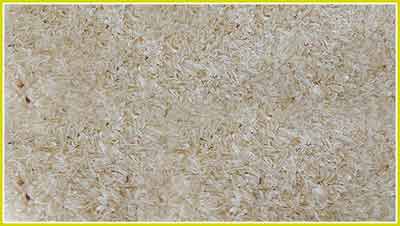
Psyllium' is the common name for several members of the plant genus Plantago whose seeds are used commercially for the production of mucilage. White or blonde psyllium (also known as Isabgol) is obtained from P. ovata; black, French or Spanish psyllium is extracted from P. psyllium and P. aerenaria. Psyllium is frequently recommended as a treatment for Irritable Bowel Syndrome. Psyllium seed husks expand and become mucilaginous when wet and are soluble in water, but they are indigestible in human beings. The husks are dried and chopped or powdered for use. They may form one ingredient of several in finished products, or they may be used as-is, uncombined with any other ingredients.Psyllium seeds are very similar to the seed husks and can be used for many of the same purposes, although their use is less common.The characteristics of Psyllium Seed husks make them useful for any treatment that requires improvement or maintenance of transit time in the gastrointestinal tract, since the inert bulk of the husks helps provide a constant volume of solid material irrespective of other aspects of the diet or any disease condition of the gut. Over-the-counter laxatives and fiber supplements such as Metamucil, Serutan, Effersyllium, and Isabgol have psyllium husks as their main ingredient, in finely chopped or powdered form. The husks can be consumed as-is (with plenty of water or other fluid) with much the same effect. Psyllium can also be added to food or drink to boost the fiber content of the diet, and some cereals (Bran Buds, Heartwise) contain it.Psyllium husks are used to relieve Constipation, Irritable Bowel Syndrome, Diverticular Disease, and Diarrhea. They are used as a regular dietary supplement to improve and maintain regular GI transit. Some recent research is also showing them to be promising in loweringCholesterol and controlling Diabetes.
View Complete Details

Senna Leaves

  • Shelf Life 3Months
  • Feature Aromatic Fragrance, Healthy To Drink
  • Form Leaves
  • Purity (%) 99%
  • Standardized for Polyphenols upto 40%
  • Maturity 97.00%
  • Loss On Drying 7% (max)
  • Ash: 8 % Max.

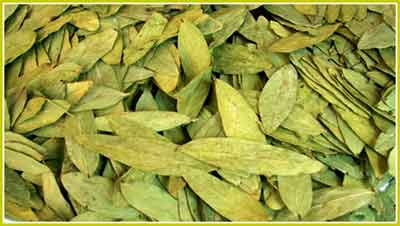
Senna is an Arabian name, and the drug was first brought into use by the Arabian physicians Serapion, Mesue, and Achiarius was the first of the Greeks to notice it. He recommends not the leaves but the fruit, and Mesue also prefers the pods to the leaves, thinking them more powerful, though they are actually less so, but they do not cause griping. Cassia Senna is native to tropical Africa and cultivated in Egypt and the Sudan and elsewhere; Cassia angustifolia is native to India and cultivated mainly in India and Pakistan. People in Northern Africa and Southwestern Asia have used Senna as a laxative for centuries. It was considered a Cleansing herb because of its cathartic effect. In addition, the leaves were sometimes made into a paste and applied to various skin diseases.

View Complete Details
Tell Us What are you looking for? Will call you back

Contact Us