
 Khartoum, Sudan
 Write a Review
Our Products
We offer the best product range of Pigeon Peas.
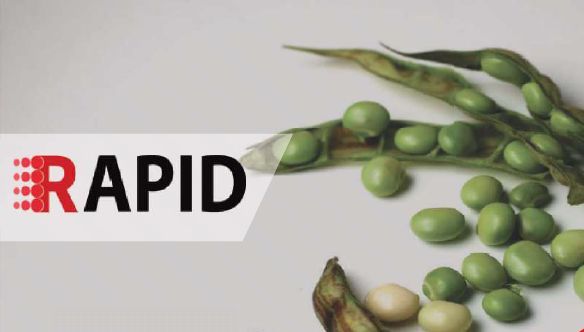
The pigeon pea (Cajanuscajan) is a perennial legume from the family Fabaceae. Since its domestication in India at least 3, 500 years ago, its seeds have become a common food grain in Asia, Africa, and Latin America. Its consumed on a large scale mainly in South Asia and is considered to be a major source of protein for the population of that subcontinent.Also known as Adaseya or Lubiya in Sudan.
Details :
Benefits :The crop has a vast number of benefits, few mentioned below :
Nutrition Information (Per 10 Gram)
| Calories (cKal) | 343 |
|---|---|
| Protein (grams) | 21.7 |
| Total Fat (grams) | 1.49 |
| Carbohydrates (grams) | 62.78 |
| Fiber (grams) | 15 |
Specifications
| Moisture | 8% Max |
|---|---|
| Broken | 1% Max |
| Forging Matter + Imp | 3% Max |
| Damage | 5% Min |
 Mr. Abubakr Omer El Bashir (Rapid Import & Export)Al Taif Block (82), Building (97), 2nd Floor, Office No. (5), Khartoum, Sudan
 Share us via