 GST : 27AMFPP1561L1ZR
 Write a Review
Our Products
We offer the best product range of Seamless Stainless Steel Pipe, Mirror Finish Stainless Steel Sheet, Stainless Steel Sheet Plates, Carbon Steel ERW Pipes and Inconel Pipes.

Stainless steel 304L is an austenitic stainless steel known for its excellent corrosion resistance, formability, and weldability. It contains around 18-20% chromium, 8-10.5% nickel, and up to 0.03% carbon, along with small amounts of other elements such as manganese, silicon, and sulfur.

Seamless stainless steel pipes are produced using a process called seamless tube manufacturing. This process involves piercing a solid billet of stainless steel to create a hollow tube, which is then further processed through hot or cold rolling, annealing, and sizing to achieve the desired dimensions and properties.
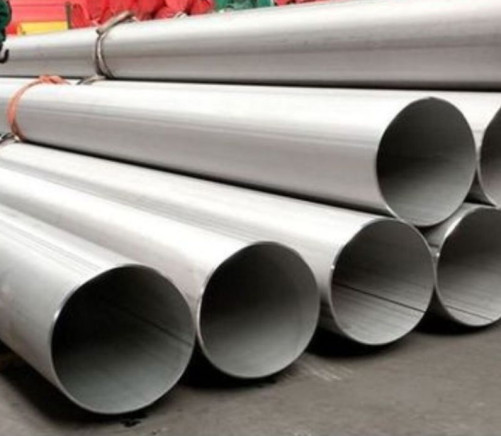
Large diameter stainless steel pipes are pipes with diameters typically exceeding those of standard or conventional stainless steel pipes. These pipes are designed to accommodate higher flow rates, heavier loads, or specific structural requirements: Large diameter stainless steel pipes typically have diameters ranging from 6 inches (150 mm) to over 36 inches (914 mm) or even larger. The exact size range can vary depending on the manufacturer and the specific requirements of the application.

Stainless steel coils are typically made from various grades of stainless steel, including austenitic (such as 304, 304L, 316, 316L), ferritic, duplex, and martensitic stainless steels. The choice of grade depends on the specific application requirements regarding corrosion resistance, mechanical properties, and other factors.
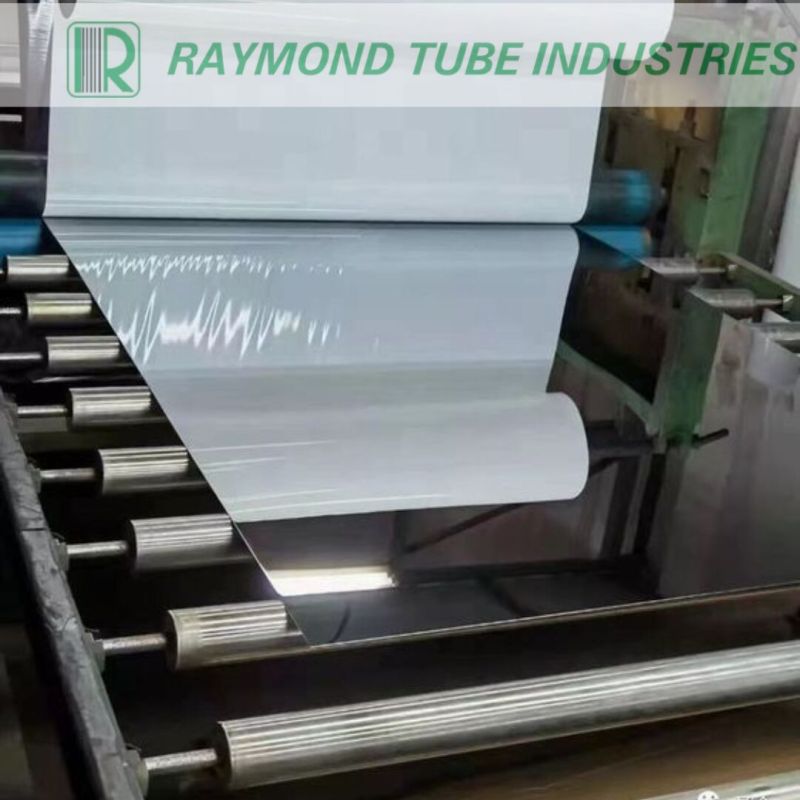
Mirror finish stainless steel sheets undergo a series of mechanical and chemical processes to achieve their reflective surface. This typically involves grinding, buffing, and polishing the surface to a high level of smoothness and shine.
Additional Information:
Payment Terms : L/C

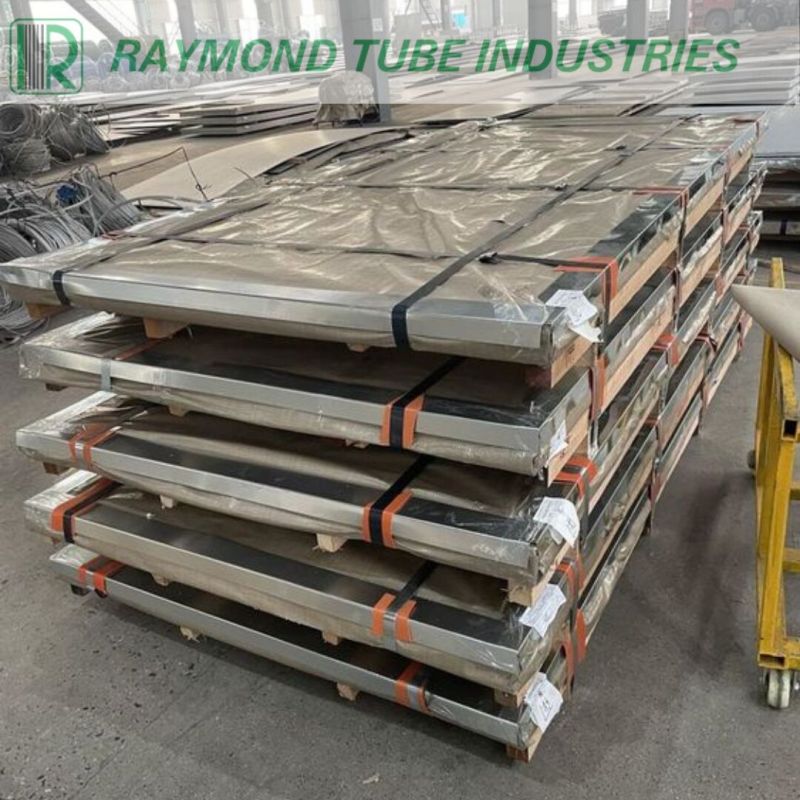
Stainless steel sheets and plates are typically made from austenitic, ferritic, or martensitic stainless steel grades, each with its own unique combination of properties. The most common grades used for sheets and plates include 304 (18-8 stainless), 316 (marine grade stainless), 430 (ferritic stainless), and others.
Additional Information:
Payment Terms : L/C

Stainless steel round bars are typically made from austenitic, ferritic, or martensitic stainless steel grades. The most common grades used for round bars include 304 (18-8 stainless), 316 (marine grade stainless), 303 (free machining stainless), and others. Each grade has its own unique combination of properties suitable for different applications.Applications: Stainless steel round bars have a wide range of applications across various industries, including:
Diameter and Length: Stainless steel round bars come in various diameters ranging from small sizes (e.g., 1/8 inch) to large sizes (e.g., several inches in diameter). They are also available in different lengths, typically ranging from a few feet to several meters, depending on the application requirements.
Additional Information:
Payment Terms : L/C
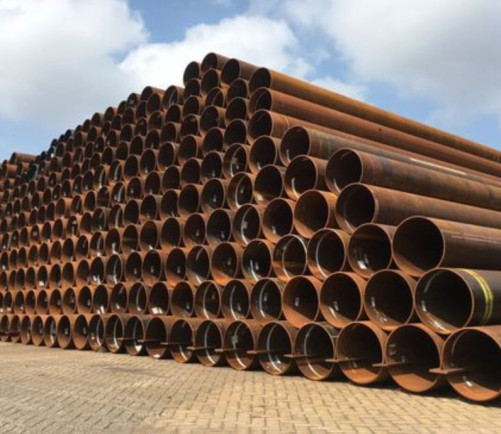
Carbon steel seamless pipes are pipes made from carbon steel that are produced without any welded seams. Carbon steel seamless pipes are primarily made from carbon steel, which is an alloy of iron and carbon. Depending on the specific grade and composition, carbon steel may also contain small amounts of other elements such as manganese, sulfur, phosphorus, and silicon.Carbon steel seamless pipes can be manufactured from different types of carbon steel, including low carbon steel (e.g., ASTM A106 Gr. B), medium carbon steel (e.g., ASTM A333 Gr. 6), and high carbon steel (e.g., ASTM A106 Gr. C). The choice of grade depends on factors such as the application, operating conditions, and required mechanical properties.
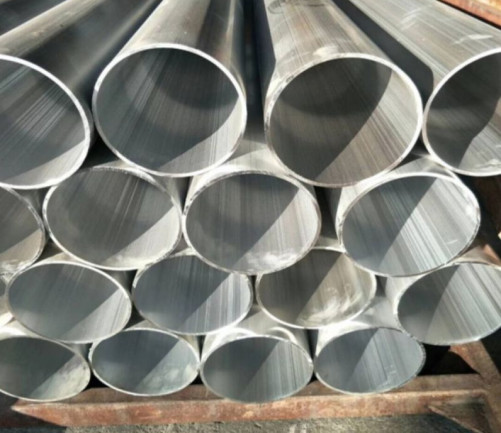
Aluminum is a lightweight material, which makes aluminum pipes advantageous for applications where weight reduction is important, such as in automotive, aerospace, and transportation industries.
Additional Information:
Payment Terms : L/C
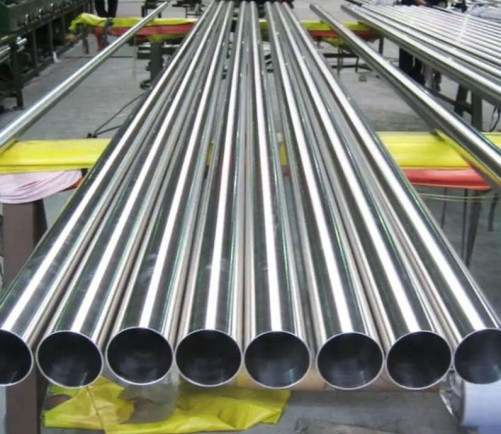
Stainless steel 202 is a type of austenitic stainless steel, characterized by its composition of chromium, nickel, manganese, and nitrogen. Grade 202 stainless steel typically contains around 17-19% chromium, 4-6% nickel, 7-10% manganese, and small amounts of other elements.
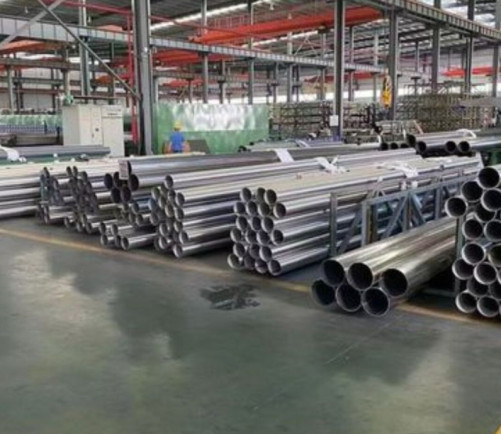
The ERW manufacturing process allows for the production of seamless-like pipes with consistent dimensions and mechanical properties. Welding techniques such as TIG (Tungsten Inert Gas) welding and MIG (Metal Inert Gas) welding are commonly used for joining stainless steel ERW pipes.
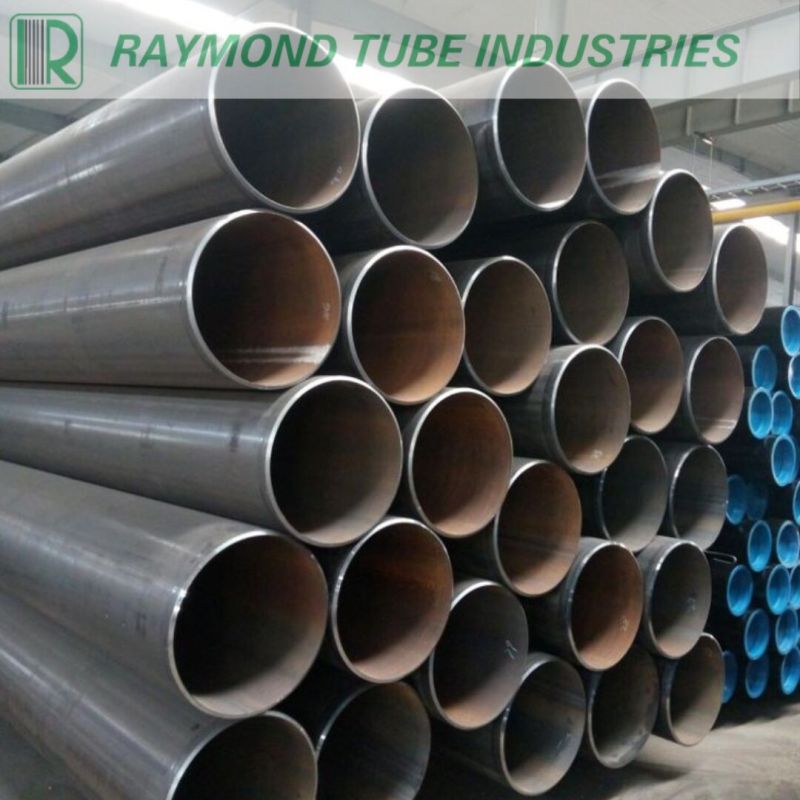
ERW pipes are produced from steel strips or coils that are unwound and formed into a tubular shape. The edges of the steel strip are heated to high temperatures using induction or high-frequency electric currents, and then pressure is applied to forge the edges together, forming a welded seam. The weld is then cooled and the excess weld material is removed, resulting in a finished pipe.
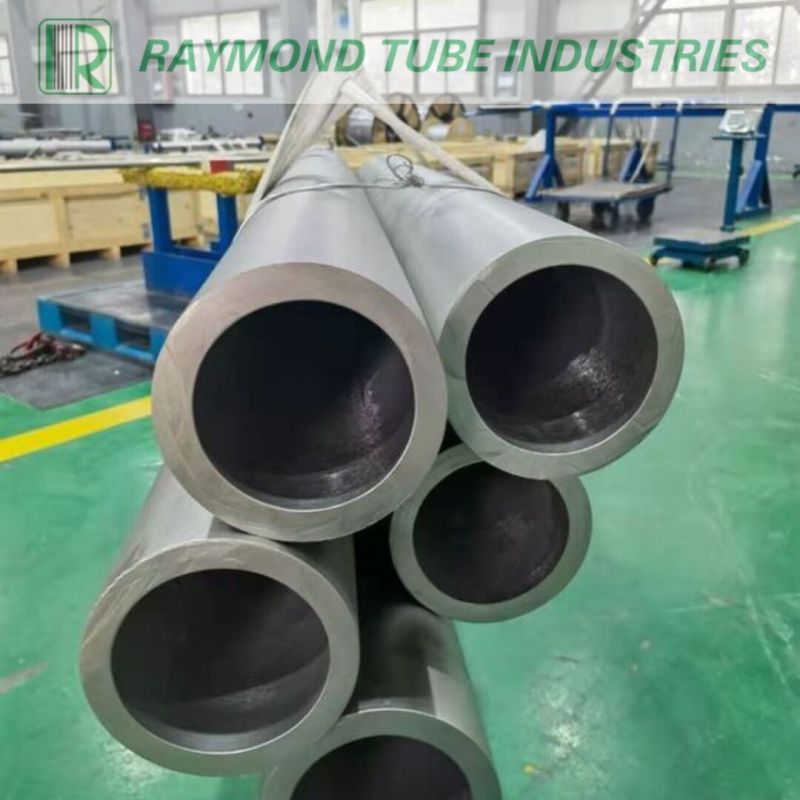
Inconel is a family of nickel-chromium-based superalloys known for their exceptional resistance to high temperatures, corrosion, and oxidation. Inconel pipes, which are made from these superalloys, are commonly used in various industries, including aerospace, chemical processing, power generation, and marine engineering, where they need to withstand extreme conditions.

Nickel pipes find applications in industries where corrosion resistance, thermal conductivity, and electrical conductivity are primary requirements. They are commonly used in chemical processing, electronics, aerospace, and marine applications. Inconel pipes, on the other hand, are preferred for applications requiring superior resistance to high temperatures, oxidation, and mechanical stress, such as in gas turbine engines, power generation, and nuclear reactors.
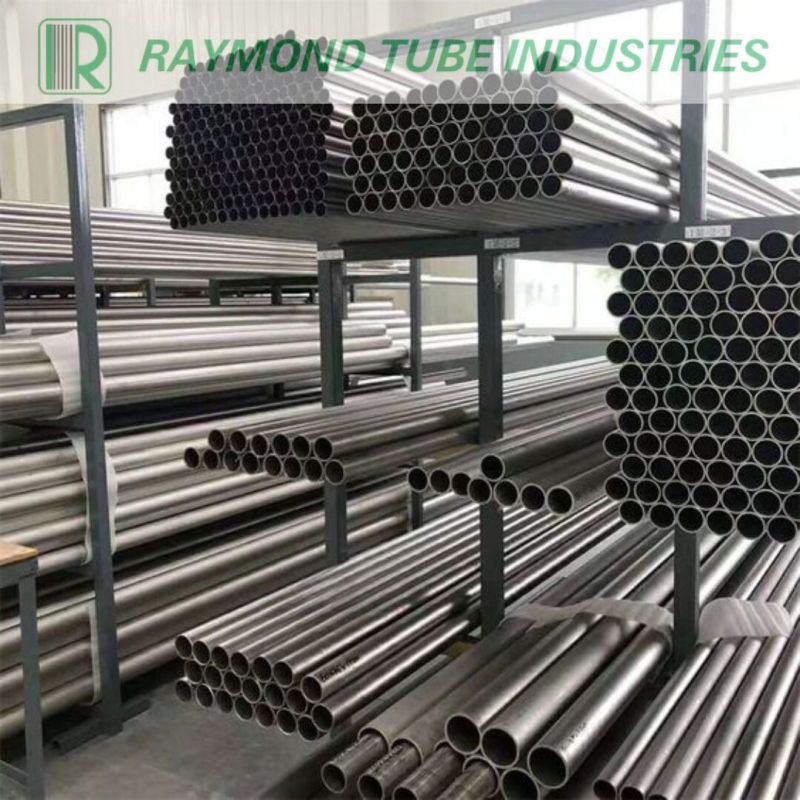
Titanium pipes are piping systems primarily made from titanium, a strong and lightweight metal known for its excellent corrosion resistance, high strength-to-weight ratio, and biocompatibility.
 Ravi Modi (Raymond Tube Industries)
 45, 1st Carpenter Street,, Mumbai, Maharashtra - 400004, India
 Share us via