Our Product / Services
Leading Manufacturer, Supplier & Retailer of CNC Engineered Cleanroom Services, Cleanroom Construction and Installation Services, Discounted Contract Cleanroom Services, Training and Support Cleanroom Services and Cleanroom Certification Services.
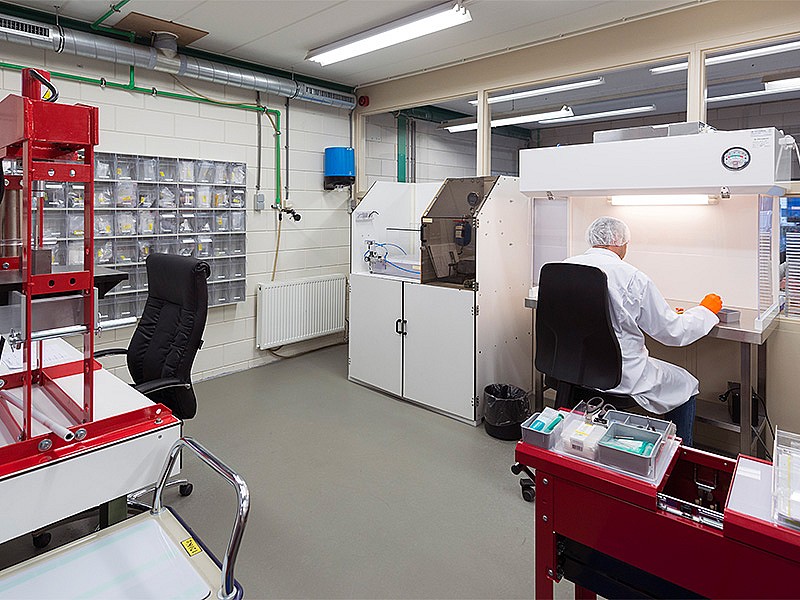
CNC Engineered Cleanrooms CNC is short for Computer Numerical Control. CNC cleanrooms and systems have some level of automation from a central command system. Cleanroom systems have to work with high level accuracy and precision system engineering. Industries globally deploy CNC technological and technical systems to enhance production life cycles. CNC programming helps to produce these fast production speeds.
CNC machining strategy deploys computers to manage operational tools. Operational tools may include mills, lathes or grinders. CNCs run on G-Code programme software with commands sent from the controller. G-Code is special technological language information. G-Code has the following features:
CNC machining makes it possible to achieve certain difficult positions humans find hard to manage. From clutching a tool and simultaneously cutting to attaining reach that human technicians wouldn’t be able to achieve.
This is because CNC machines have axes. A variety of axes that can bend in tight positions and make difficult cuts. Axes are positioned on the machine frame and they render motorized action per individual facet. Most machines run with X and Y axes. These axes work simultaneously and autonomously. More complex machines come with up to five different axes. These axes work identically with the potential of maneuvering and turning over an item.
Types Of CNC Tech Tools
Benefits With CNC
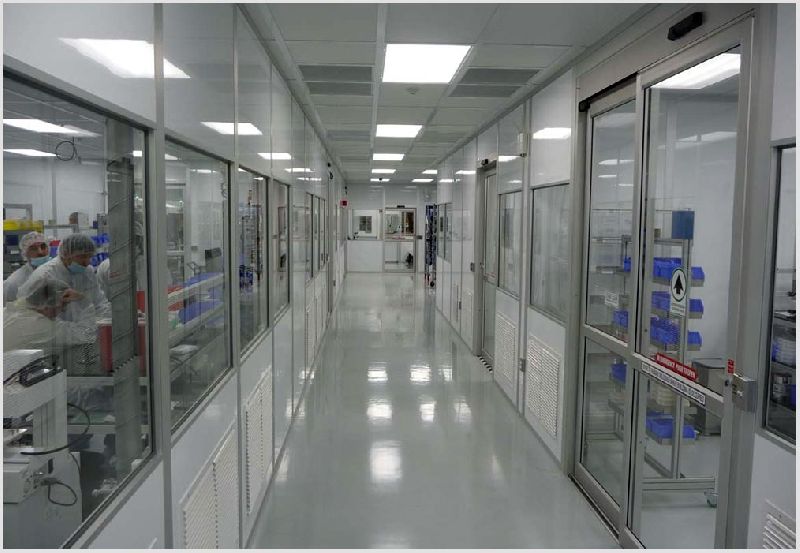
Saakvee Technologies is a leader in the design, construction and installation of cleanrooms, high containment laboratories and controlled environments. We design and build high quality cleanrooms in the other parts of the world. With over a decade of experience in cleanroom design and construction, we have a comprehensive knowledge of all industry standards including ACDP, ISO 14644 and CL3 & 4.
Cleanroom Construction Process
The cleanroom construction includes the management, delivery, installation and implementation of the project. Your cleanroom project is overseen by a senior project manager who ensures the safe and efficient installation to HS and CDM regulations.
There are some projects you can DIY but a cleanroom construction and installation is not one of them. It is an engineering field that requires the expertise of a qualified cleanroom construction manager and designer, such as the skilled employees from Saakvee Technologies.
Usually cleanrooms are deigned to house HEPA filters to assist in the supply of clean air and gain better contamination control. The clean air is often managed through air conditioning to control the comfort levels for the operators and stabilise the environment for your product.
Cleanroom’s are a vital part of semiconductor manufacturing, microelectronics, medicinal, pharmaceutical and laboratories industry. To assure and maintain quality, there are standards that guide the construction process of a cleanroom. The cleanroom area will be designed according to specification and this will be determined through consultation with our customers.
Every step of the process will be thoroughly managed through design and consultation to installation and cleanroom validation. Saakvee Technologies can even supply your cleanroom furniture.
The Cleanroom Designer
The cleanroom designer designs and constructs a cleanroom without exceeding the budget for the cleanroom project. Before construction, our cleanroom designer will consider the following
Senior Project Manager
The senior project manager handles all aspects of the project including budget, planning, timing, quality and performance. He will send you a weekly report that details the progress the company is making regarding the project.
Validation Manager
Saakvee Technologies validation managers ensure your cleanroom meets all design criteria.
Superintendent
Our site superintendent conducts weekly safety meetings to ensure skilled workers comply with the PPE safety policy. They also ensure schedule, quality control and on-site construction activities.
Skilled Tradesperson
These are union and non-union workers who carry out the construction of your cleanroom.
The Cleanroom Construction Process
Stage 0 – Regular Construction
This is the stage most contractors know. Saakvee Technologies pays extra attention to housekeeping to ensure complete cleanliness. There are no material restrictions at this stage but the standard personal protective equipment should be used. They include vests, hard hats and safety glasses.
Stage 1 – Clean Construction
Cleanliness is more important at this stage. We conduct hourly and daily cleanups with vacuums. There is no debris or trash in the cleanroom environment. We use sticky mats and multiple rugs to keep dirt outside.
Stage 2 – Pre-Cleanroom Construction
Limit and control access to the cleanroom and setup a smock room for entry/exit with an air cleaner. All workers entering the cleanroom space must wear booties and use the sticky mats on the floor. We install a HEPA vacuum for drilling/cutting in the cleanroom. We turn on the air systems only (not the filter fan units).
Stage 3 – Active Cleanroom Construction
This is the most restrictive stage. It includes stage two precautions and some additional steps. Workers entering the cleanroom must wear coveralls or lab coats, booties, hear nets and gloves. We employ the circulation air system to clean the air continuously.
Cleanroom Installation

Saakvee Technologies provides quality cleanroom services that need not exceed your budget. To make this possible, we offer our clients easy access to discounted service contracts.
Cleanroom Services Covered By Our Discounted Service Contracts
Depending on your unique needs, we can provide a personalised discounted service contract that fulfils your long term needs and helps you save money on the following services:
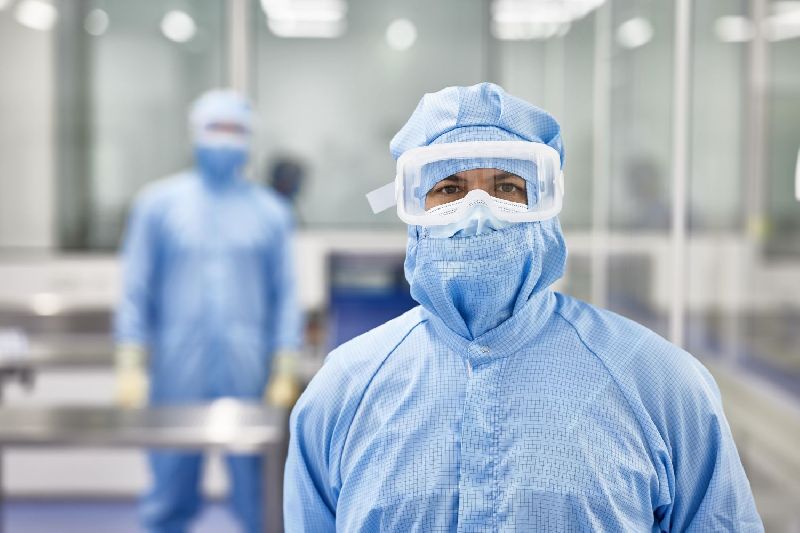
Humans and equipment are the primary contamination risks in any cleanroom. Saakvee Technologies provides customised training courses and resources to educate your cleanroom personnel and supervisors with regards the correct implementation of cleanroom protocols, cleaning and contamination control.
Our Training Package Includes:
The Importance Of Cleanroom Training
Understanding the risk of contamination is the first step in cleanroom training. The use of unapproved equipment, microorganisms and inadequate environment control are the main causes of cleanroom contamination.
During the manufacturing process, it’s important there are no contaminants that could derail the entire process, hence the need for cleanrooms.
Impurities cause defects in the products, which lead to recalls, lost revenue and damaged reputations. It is crucial that organisations have policies in place and train their employees to adopt proper cleanroom procedures.
For training to be effective, it must include the following:
How Employees Benefit From Cleanroom Training
Our Cleanroom Training
Contamination Control Training
Contamination control is the umbrella term for all cleanroom activities that aim to control the generation, spread and proliferation of contaminants. Before we begin training, we conduct an audit of the facility to ensure each step is documented in the employee handbook and all signage is visible.
Next, we develop a training guide that includes a video series, text manual and practical training via the processes and visual guide near the cleanroom space.
The goal of our contamination control training is to ensure a high level of cleanliness within a controlled environment. We teach participants how to maintain, minimise and remove viable and non-viable contaminants for an efficient rate of production.
The first step is identifying cleanroom contaminants, which includes:
Cleanroom Cleaning Training
Developing an effective cleaning programme for your cleanroom is important for achieving overall product quality across all cleanroom classes and industries. The use of a defined cleaning technique alongside the application of disinfectants and detergents is used to achieve microbial control.
The training covers:
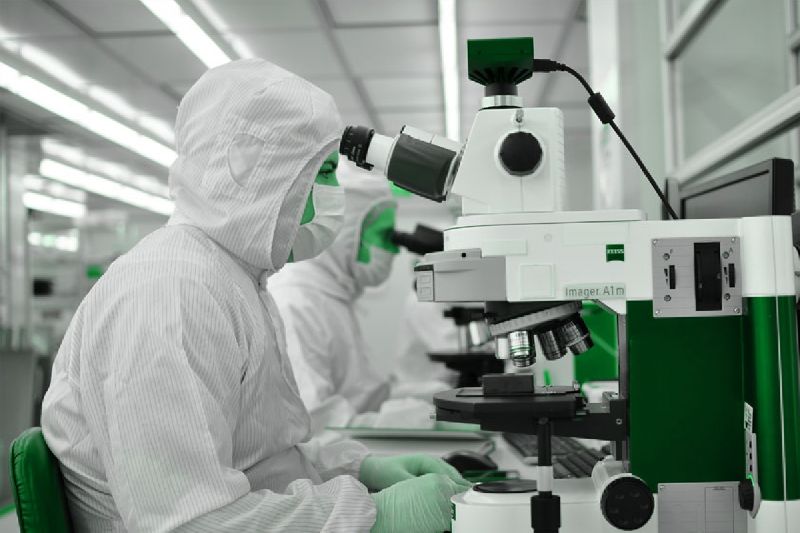
A cleanroom requires cleanroom validation or certification via several physical tests for it to meet recognised cleanliness standard that offer both you and your customers the assurance that operations in the cleanroom meet all quality requirements.
Saakvee Technologies is the leading expert for cleanroom testing and certification. With over a decade of experience, you can depend on us to build, test and certify your cleanrooms. Standard certification includes
Optional certifications include
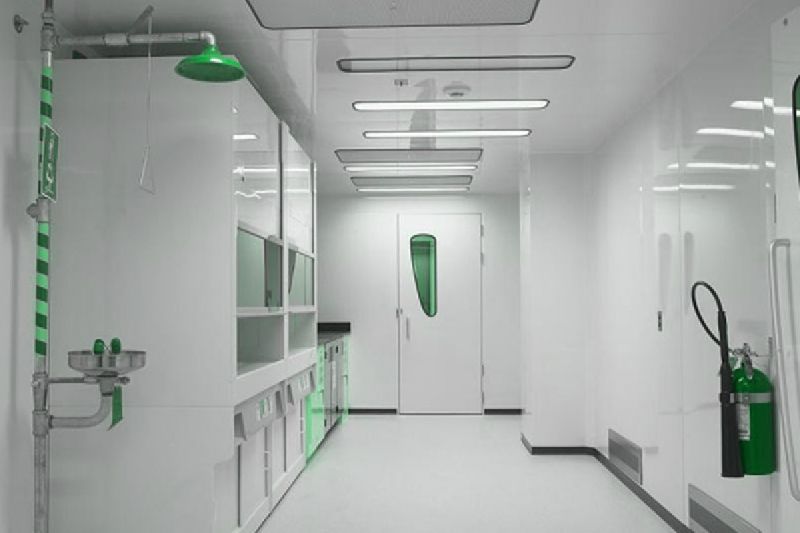
Qualification tests are carried out to guarantee optimum product quality from all manufacturing and pharmaceutical research companies. These tests verify whether ambient cleanroom conditions affect product quality. If environmental cleanroom parameters affect the product, reviews are conducted with regards how conditions can be reduced, so that high output standards are adhered to.
What Is Differential Pressure?
When a cleanroom door is opened, impurities can find their way in, causing a reduction in pressure. Conversely, when the pressure within a cleanroom is too high, energy is wasted.
Temperature, humidity, airflow and pressure are all cleanroom parameters that have to be well managed. Pressure is most critical and a key parameter; for instance, when pressure is combined effectively with the other two parameters, cleanrooms function properly.
Pressure And The Cleanroom
A cleanroom system is akin to having a mini-building within a larger building. A cleanroom has its own HVAC system, flooring, lighting and differential pressure. The exterior wall of a building should never be used as a cleanroom wall. Also, entry or exit doors should never be the same points for a cleanroom’s interior, because of wind pressure. The implication of a 30 mile per hour wind is a wind pressure of .47 ‘‘w.g. (116.2 Pa). Subsequently, an open door will cause IAQ (Inside Air Quality) problems.
Room pressurisation is a necessity to ensure product integrity. Opening an average sized single width door increases leakage area by 20 square feet or more on average. The implication is a disruption with an appreciable, differential static pressure value. To create a balance, there will need to be an excessive amount of differential airflow.
Measurement Of Differential Pressure
A visual indicator gauge is deployed to compute differential pressure. It is designed to compute and read a differential between two pressure points within a process environment. The gauge is connected to pressure monitored points from two inlet ports. If the gauge isn’t deployed, a control system or operator would need to manually monitor two separate gauges before disclosing their differential readings. This would be a cumbersome process.
Saakvee Technologies are cleanroom experts and market leaders who offer the DE21 transmitter, which observes and verifies the slightest differential pressure in cleanrooms.
The DE21 is a 2-wire DIN capturing, computing and reading device. It comes with capacity measuring cells to cover diverse low-pressure range areas, combined with a high overpressure guard feature. DE21 instruments provide lengthy, drift-free operations and high precision stability, since no signal broadcast is needed. DE21s are mainly deployed in laboratories, industrial furnaces, filters, blowers and packaging machines.
Key DE21 Features
DE21 supports the following:
DE21 Functionality
The DE21 instrument provides excellent sensor stability and repeatability. This is possible with the presence of an ultra-thin single crystal diaphragm (patented silicon-on-glass technology feature).
Mechanical degradation won’t occur in the long run, because the silicon diaphragm sensor isn’t manufactured with organics or glue. Notably, it’s been proven that organics contribute to a drift or unwanted degradation.
DE21 applications
The Testo 521-3 is a computing device for differential pressure in cleanrooms. With high level precision and clear data information, its integrated temperature-compensated sensor reads measurements to an accuracy of up to ± 0.5 Pa. There is a wide range of units to choose against pressure measurement, which include: mbar, bar, hPa, Pa, kPa, mmH2O, inH2O, psi and torr.
Features
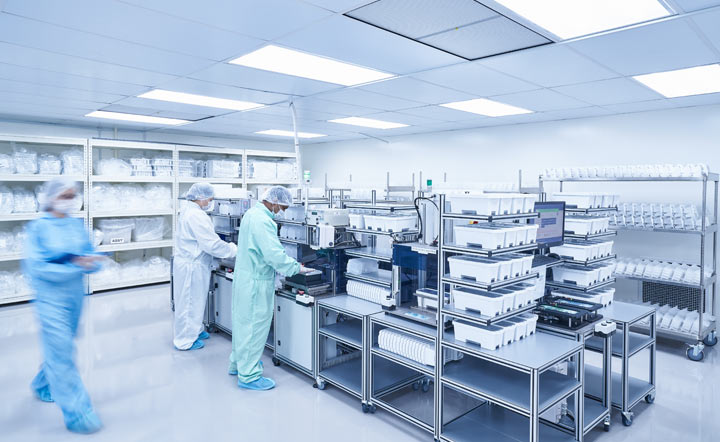
At Saakvee Technologies, we specialise in the design and installation of hardwall, softwall, modular and other forms of Cleanrooms for organisations across a wide range of industries. As part of our comprehensive Cleanroom services, we also offer specialist Cleanroom panel repair services.
Our panel repair services are a cost-effective solution for restoring Cleanroom partition systems. Regardless the extensiveness of repairs required by your organisation, you have our guarantee that each will be carried out diligently by our dedicated in-house team. Our team are highly trained and possess the specialised tools to ensure all ongoing contamination control requirements within your Cleanroom are satisfactorily met.
Our repair services will be tailored to satisfy all regulations pertinent to your industry, all the while adhering to the highest international standards. This will be delivered whether you’re in the Pharmaceutical, BioTech, Engineering, Manufacturing, Food Processing or Defence sectors, amongst others.
Cleanroom panel repairs can be delivered at your convenience and in a sterile environment to ensure highest quality results are delivered. Contact Saakvee Technologies today for Cleanroom panel repairs that reduce downtime in your Cleanroom and increase efficiency.
In order to choose a Cleanroom wall that best supports your long- and short-term goals, it’s important to take into consideration not just performance, strength and durability, but also the appearance of the walls and how they’ll complement the rest of your facility. We are the Cleanroom specialists who can provide all the guidance needed to ensure you invest in a wall that consists of only high-quality materials for best results.
We have years of experience in Cleanroom panel installation, replacement and repair throughout some of which were delivered in challenging circumstances. Before starting work on your panel reparation and restoration project, we will first thoroughly survey and evaluate your site to determine the most suitable solution to uphold the relevant health and safety standards.
Saakvee Technologies engineers are fully trained to assess all projects thoroughly and will take into account the following:
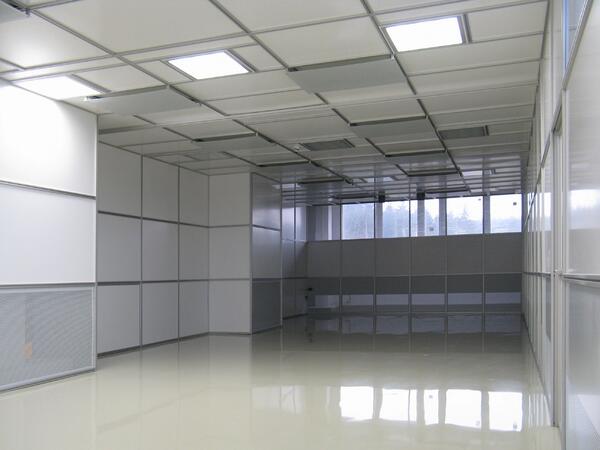
A cleanroom is a controlled environment with a low level of pollutants such as aerosol particles, dust, microbes and chemical vapours. It is used in biotechnology, scientific research and manufacturing plants. Saakvee Technologies creates cleanrooms for all industries where particles could affect the manufacturing process. A particle-free environment is a requirement in the pharmaceutical industry. Depending on your industry, the requirements for air purity are specified by appropriate standards.
Cleanroom Planning And Budgeting Process
Saakvee Technologies has successfully designed, built and implemented portable cleanrooms in a range of sectors. Your cleanroom will meet specific organisational and industrial requirements. The planning process allows our engineers to design the best cleanroom to suit your budget and needs.
Site Audit
The first step is the site audit. Our engineers conduct a fully audited site visit to determine your requirements, check for contamination issues that will be considered when designing your modular cleanroom and review the location for space utilisation. Our project managers and engineers work interactively with you to deliver the perfect modular cleanroom solution to prevent over-specification. The planning and budgeting teams at Saakvee Technologies do not provide a quote with hidden costs but a detailed estimate specific to your requirement.
Planning For Economic Completion
Detailed early planning reduces cost. For complex projects, it is essential to include a consistent, futuristic plan. Foresighted planning considers the flexibility of production to expand or change its range to a different product. At Saakvee Technologies, our cleanroom engineers will provide a complete plan of your cleanroom and deliver the plan for the specific construction measures.
Determine Special Requirements And Cleanroom Capabilities
Modern cleanroom equipment is sensitive to vibration, ultraviolet light waves, noise, electromagnetic interference and electrostatic discharge. This is in addition to temperature, humidity and airborne particle count.
Analyse Demand
While setting up a cleanroom, both the expected running costs and the investment costs for technology should be considered. Your cleanroom is dimensioned in a way that meets all requirements. We ensure that it does not consume excess resources or space.
Cleanrooms can be adapted and extended to your requirements with little effort due to their modular design. This is an important fact to keep in mind if you are planning to expand production in the near future.
Early equipment selection determines decisions such as building location for the cleanroom–the building structure, functions, building height and column spacing. Most cleanrooms are not ready for equipment and tool move-in until after the building is occupied and the schedule alignment is due to testing, commissioning and certification. The cleanroom environment must be secluded from elements before these processes begin.
Choose A Ventilation System
Your ventilation system depends on the requirements of the ISO class that fits your cleanroom. For any application, airflow will be designed to prevent deposition of particles and remove as many particles from the outside as possible. There will be no particles at critical points, accesses will be free and positioned to prevent adjustment in daily operations. We can use a constant level of air conditioning to control the humidity and temperature in the cleanroom.
Access Points
Most cleanrooms are entered via locks. The locks are used to put on protective clothing and equalise the pressure in the cleanroom. This ensures fewer particles are carried into the cleanroom. Material locks introduce materials to the clean environment. We can provide flexible solutions for access depending on the intended use of the cleanroom.
Choose The Construction Method
It is important to decide on the method of construction for the cleanroom early in the process. Delivery options include pre-manufactured or stick built. The general contractor manages trades in the stick built construction method and also coordinates efforts to complete the cleanroom build. For success, we provide an experienced contractor to oversee the project and ensure completion according to the design and specification details.
A specialised cleanroom sub-contractor from Saakvee Technologies installs the cleanroom using a pre-manufactured method. This is done after most of the building construction and trades are complete. To ensure success, our installers are engaged from the early stages to develop performance requirements during the design of the cleanroom.
Other Steps In The Cleanroom Planning Process Include
Identifying negative or positive pressurisation for the cleanroom Accessing exfiltration airflow Considering and accounting for industry specific variables based on past experience Determining heating and cooling requirements Planning the mechanical system layout Determining space allocation for a portable or modular cleanroom Creating plans for regular cleaning and maintenance
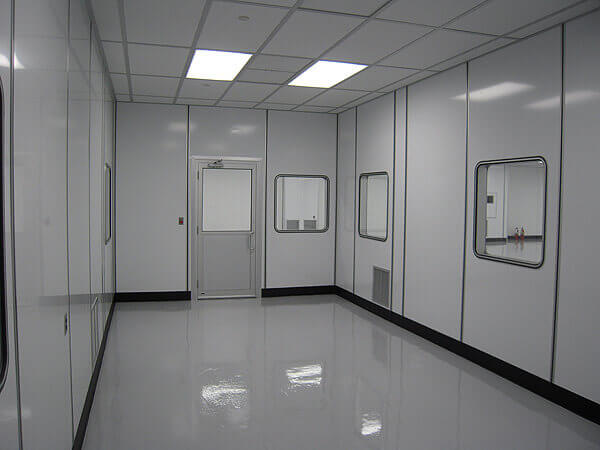
A Building Management System (BMS) can also be referred to as Building Automation System (BAS). It is a computer-based system of management, used in cleanrooms to monitor and control electrical and mechanical equipment installed on a secured site. Examples of said electrical and mechanical equipment include cooling, heating, ventilation, power, lighting, fire, and security systems – all of which are essential for the safe and effective use of your cleanroom.
Our BMS management services can be provided, no matter the type of cleanroom you have in place. We can also deliver this service regardless of the industry in which your organisation operates.
Whether you’re in the healthcare, police, manufacturing, pharma, biotech, defence, education or food processing sectors(amongst others), call Saakvee Technologies today for premium BMS management services to optimise your operations.
Benefits Of Choosing Saakvee Technologies For BMS Management
One of the chief advantages of opting for BMS management from Saakvee Technologies is that all relevant monitoring and controlling parameters will be recorded and displayed automatically. We can set this up to display the values on a computer screen in a control room that only your authorised personnel will have access to.
Other benefits of BMS management from Saakvee Technologies include:
Comprehensive and continued monitoring of required parameters to verify the performance and overall health of your facility and critical processes. This will alert you the moment something is wrong, so that appropriate remedial action can be taken promptly. Installation of automatic controls that manage critical parameters. Said controls can be programmed to ensure the critical parameters never drop below or exceed the desired range. For safety-critical parameters, interlocks, best suited alarms and system shutdowns can be programmed to prevent possible damage or hazards. The BMS management system is flexible enough to be personalised to suit the unique needs of your processes and any other user requirements you might have. Intelligent graphs generation and automatic data recording at set intervals for effective record keeping and storage of data that can be analysed at any point in the future. Full integration with Chillers, Compressors, Vacuum pumps, Fire Alarm System, and other third party services you may have in place.
Design And Installation Of BMS
At Saakvee Technologies, we are available to design and install a Building Management System according to your unique specifications and requirements. After a thorough evaluation of your organisation and specific cleanroom needs, we can then recommend the most suitable design to ensure optimal long term performance.
Every part of our design, installation, commissioning, and management of integrated BMS is in line with the latest industry and international standards. Our CTCB-I qualified engineers have years of experience serving organisations across a variety of sectors and are more than capable of delivering the most suitable services to your company.
Our BMS design and installation covers:
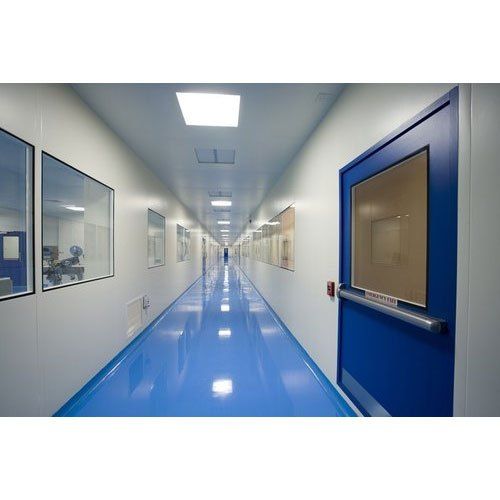
saakvee technologies india pvt ltd, load bearing ceiling panels are fabricated by using nominal 2x1.0 mm galvanized/stainless steel, minimal spangle with zinc coating 80-120 gsm insulated and bonded with infill of polyurethane foam, honeycomb paper/aluminum core, mineral wool forming a rigid 80 mm thick panel to nominal size as required. modular width of ceiling panel is 800 mm standard and up to 5000 mm in length. panels suitably stiffened to allow person to access over the entire surface. the unique design of the ceiling allows the additional incorporating flush light fittings, airconditioning filters, grills, diffusers and other ceiling mounted equipment, all fitted within accurately cnc punched apertures. it unique design enables the structure to stand free of any support (box within a box) from the existing building/ structure.
design criteria :
standard :
Additional Information:
Payment Terms : L/C, D/A, Western Union,
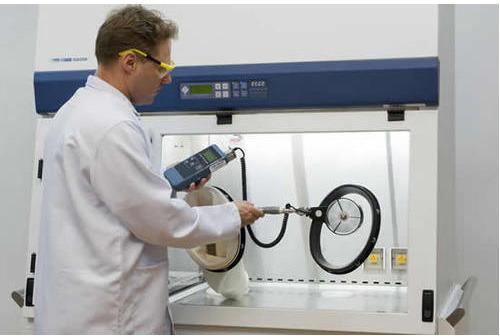
What Is DOP Testing?
DOP testing is the process where the integrity of your High Efficiency Particulate Air (HEPA) filter is tested by introducing Dispersed Oil Particulate (DOP). The filters are used in industrial equipment items such as fume hoods, negative air units and powerful vacuums. They protect the environment and humans from harmful substances in the air such as asbestos, bacteria and hormones by filtering out 99.97% of particulates, up to 0.3 microns in size.
The HEPA filter works within your specialist ventilation system to remove dust and fine powder from the environment and provide clean air that is particulate-free. A DOP filter determines if the filters are performing up to the standards set by regulatory bodies to ensure smooth operations.
Oil is dispersed as an aerosol into the filter mediums’ upstream flow. In the downstream flow, the number of particles is measured with a calibrated photometer. Due to the fact that cleanrooms often protect mission critical environments, DOP testing is essential. The entire filter face is tested to detect leak or damage.
DOP Filter Testing Equipment
Aerosol Photometer
Saakvee Technologies uses an innovative, advanced and digital aerosol photometer to to perform DOP tests. We have portable DOP testing machines guaranteed to maximise efficiency and minimise downtime.
The photometer measures the amount of aerosol downstream and upstream of the filter. The result shows the performance of the HEPA filter. It also reveals damages or leaks in the seals, frame and mediums.
Aerosol Generator
The generator is used to produce aerosol which is introduced to the airstream and passed to the HEPA filter for testing. An ancillary equipment is used to inject, mix and test the aerosol such as injection ports, positive injection pumps, sample ports, sparge pipes and scanning probes.
Our aerosol generators are lightweight, portable and rugged. They are ideal for testing different filter systems by generating sub-micron, poly-dispersed aerosol. Applications include negative-pressure filtration units, workstations, ceiling modules, biological safety cabinets and more.
When To Do A DOP Test
Equipment with HEPA filter should be tested when it will be used for a new project or moved. Filter seals could become loose due to ill use, causing leaks and making the equipment unsafe for workers.
For the same project, it should be tested every four weeks and onsite for best results. This ensures the HEPA filter units have not been damaged by daily onsite activities or during transportation.
Why Have A DOP Test?
Without a DOP test, there is a high risk of contamination to your cleanroom. It could impact your product quality and processes which in turn affect your cleanroom certification. A DOP test saves money, time, reduces cost product recalls and prevents damage to your brand.
Saakvee Technologies has CTCB certified engineers who have had at least 5 years of experience before sitting the certification exam.
How Is DOP Testing Carried Out?
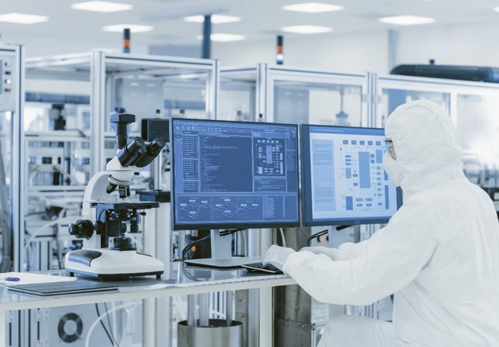
The key to achieving maximum efficiency and optimal safety in your cleanroom is having a solid preventive maintenance programme in place. However, in the event a part of your cleanroom finally fails, Saakvee Technologies are available to provide the necessary remedial services.
Remedial Works From Saakvee Technologies
It is essential that environmental pollutants in a cleanroom be kept at a minimum. Said pollutants may include biological or chemical contaminants, or otherwise, that are airborne or present on surfaces. The level of allowable contaminants in a cleanroom will depend on the class of cleanroom you are aiming for.
To help keep your cleanroom’s cleanliness at the desired level, we offer remedial services that are reliable and capable of maintaining or optimising the status of your cleanroom. Our remedial services also greatly minimise any potential risks for your personnel and processes. Some of our remedial works include:
Opting for a bespoke cleanroom design from Saakvee Technologies guarantees maximum control over your environmental parameters and processes, as well as a favourable ROI. We have a variety of smart cleanrooms to choose from, which feature innovative technologies, including personalised modular cleanrooms to help overcome contamination control challenges.
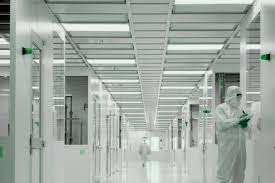
Saakvee Technologies India Pvt. Ltd. is passionate about helping you overcome your contamination control challenges through innovative cleanroom design services. We have successfully designed and installed environmentally controlled facilities and cleanrooms throughout the Ireland. We design and install cleanroom and controlled environment that satisfy demands of legislation and quality standards for processes that must be carried out in a particle-free and clean atmosphere.
Free Cleanroom Design Service
Designing a cleanroom that meets ISO certification is a complex process. We’ll provide a free design quote after conducting a no-obligation site survey to determine your needs. Advancements in cleanroom technology and environmental control mean that organisations are taking advantage of new opportunities to improve the efficiency and cleanliness of their process.
You need a cleanroom design service that can partner with you to harness the technical and complex nature of your business’s cleanroom needs whilst improving process control and reducing risk. Our modular cleanroom solutions transform your space into a classified cleanroom environment.
Our skilled and specialised team of engineers and design experts collaborate with you in the design phase to find the perfect parameters for delivering the results you seek. Technology we use includes CFD airflow modelling to plan performance and point cloud surveys.
Our qualified engineers use 3D modelling to breathe life into a concept and ensure functional design. We leverage the latest innovations in modular construction to deliver an effective and accurate cleanroom that reduces the project lifespan by 50%.
We do this by using controlled manufacturing, BIM techniques and precision engineering. We can produce full drawing concepts including 3D facility drawings, detailed performance specifications, service layouts and HVAC schematics. Our designs are built to last and comply with advisory and regulatory bodies.
You enjoy the benefit in reduced cost and time taken to complete the project. You don’t have to spend money hiring specialist consultants or contractors because we manage the entire project.
Saakvee Technologies Cleanroom Design Process
At Saakvee Technologies, we pride ourselves on the flexibility and creativity that our cleanrooms offer. We draw from our years of experience to create a customised design because we understand that no two designs are the same. Your cleanroom design will meet your needs and follow a specific engagement process
Introduction & discovery: This is the first stage of the design process. We take the time to gain a comprehensive understanding of your business objectives and processes. We also attempt to that understand your unique requirements and how we can design a solution within your budget.
Planning & execution: Our design experts create a cleanroom based using input from our field operations and sales team. We work closely with you starting from the initial concept sketches to develop a final product that fits your cleanroom needs and exceed your expectation.
Construction & certification: Our field services team will conduct a physical site visit before the project. We’re looking for challenges that might affect the timeline of the project. It allows us to prepare well and plan for pitfalls along the way. Your construction team includes a project manager, field operation supervisor engineers, and installation crew. Our dedicated team supervises the cleanroom from design to commissioning.
Training & Service: Training personnel who will use the cleanroom are crucial to the effective maintenance of cleanliness levels, reduction of the risk of contamination and protection of the safety of cleanroom personnel.
Considerations When Designing A Cleanroom
Budget: Your budget determines the type of cleanroom you need. If you have a large budget, we advise clients to choose a robust modular cleanroom that lasts a long time.
Size and location: The size and location of the cleanroom are important design considerations. Size affects many areas of the cleanroom such as HVAC, flooring and type of filtration system. Our cleanrooms are customisable and made to fit your existing space. For smaller spaces, a mobile or softwall cleanroom would be ideal. For bigger spaces, a modular hardwall cleanroom installation would be perfect.
Application & processes: We access the processes to be performed within the cleanroom space. It might seem convenient to house all phases of the process within the cleanroom but this requires more space, more time for design and a larger cleanroom. We’ll help you determine processes to be conducted outside and inside the cleanroom.
Equipment: Figure out what kind of equipment you’ll be using inside the cleanroom. Also, factor the machines you’ll need inside the room currently and in the future. We keep future needs in mind when planning and designing your clean room.
The Impact Of Classification On Cleanroom Design
Many companies do not realise that the ISO class doesn’t define the layout of the cleanroom, only the cleanliness level your cleanroom has to meet. ISO 14464-1 standard specifies the maximum quantity of air particles allowed, and not how to design the room.
The cleanroom classification influences the layout. For instance, you need two airlocks to enter an ISO 6 environment and none for an ISO 8 cleanroom. The air must pass through HEPA filters to meet the required air cleanliness. A lower ISO class means more air passing through HEPA filters.
We add an anteroom between the uncontrolled space and the classified area to prevent contamination of rooms from particles in the uncontrolled environment and increase the pressure of the anteroom that acts as the airlock system.
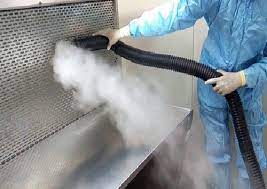
Also known as air flow visualisation, the goal is to demonstrate visual evidence of air flow direction. Airflow patterns minimise contamination in a controlled environment. Smoke visualisation of air patterns is a direct way of assessing a cleanroom design and the suitability of HVAC AC system in relation to HEPA filtered air diffusion. The results highlight the efficacy of air contamination control and could be required by a regulatory body such as the MHRA.
Saakvee Technologies carries out smoke testing in your controlled environment or cleanroom with a pharmaceutical grade smoke chemical consisting of pure water and Glycerine BP grade. They aim to
Humans and machinery are the major sources of contamination in a cleanroom. Airflow patterns could be easily disturbed with equipment design, machine guarding, necessary interventions and inappropriate component specifications.
Through a smoke test, it is easy to see where an airborne contaminant will likely end up using visual evidence of air flow direction.
Saakvee Technologies Smoke Testing Services
At Saakvee Technologies we carry out smoke testing and critical airflow visualisation studies. Our experience extends to planning, consulting and execution of smoke testing projects.
We provide services such as project management, protocol development and execution, data analysis, digital recording and summarisation of interventions. Other services include
dynamic and static airflow visualisation studies of biological safety cabinets, cleanrooms, isolators, clean benches and related clean air devices to ensure they comply with regulatory bodies and international aseptic guidelines
At Saakvee Technologies, our services are offered by certified staff. We also offer customised report documentation made to fit your needs and management of your service records and equipment inventory.
 Mr. Veeresh Chavan (Saakvee Technologies India Private Limited)
 Niharika Mirage, Office No.614, 6th floor, Plot No 274, Sector 10, Kharghar, Navi Mumbai, Maharashtra - 410210, India
 Share us via