Orthopedic Implants
Orthopedic implants are medical devices designed to replace or support damaged or missing musculoskeletal structures, such as bones, joints, or ligaments. These implants are commonly used in orthopedic surgeries to restore function, relieve pain, and improve the quality of life for individuals with musculoskeletal conditions. Here are some common types of orthopedic implants:
-
Joint Replacements:
- Hip Implants: Total hip replacement involves replacing the hip joint with components such as a hip stem, femoral head, and acetabular cup.
- Knee Implants: Total knee replacement typically includes components like femoral and tibial components, as well as a patellar component in some cases.
-
Spinal Implants:
- Spinal Fusion Devices: These implants are used to stabilize and fuse vertebrae in the spine. They may include pedicle screws, rods, plates, and interbody cages.
- Artificial Discs: Used in disc replacement surgery to replace damaged intervertebral discs.
-
Trauma Implants:
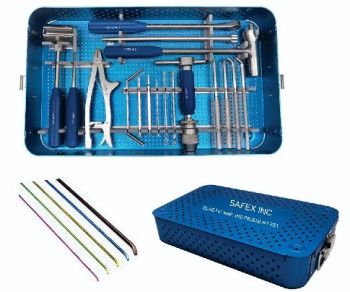
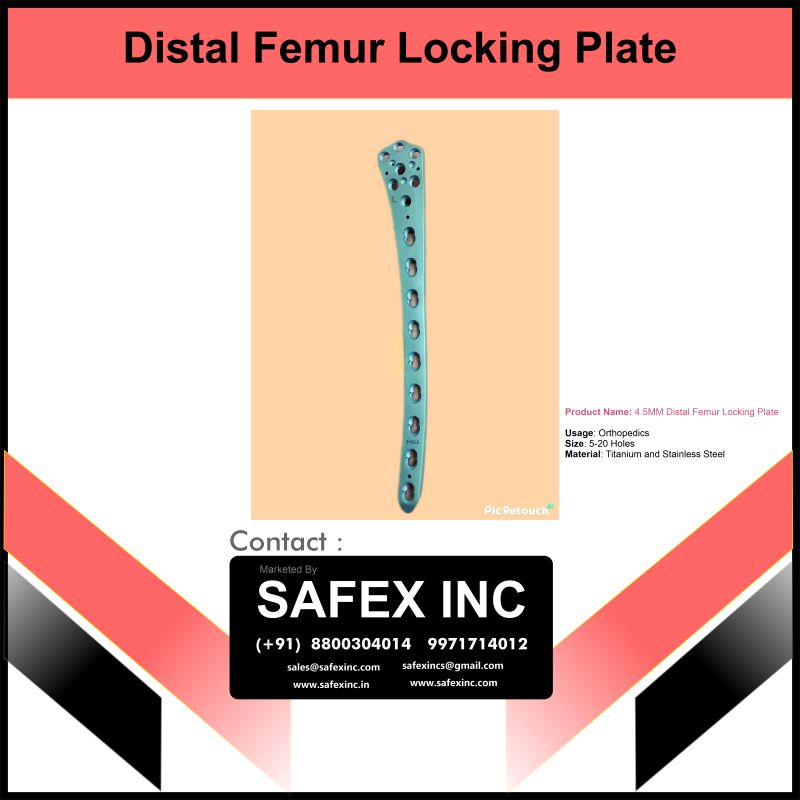
- Fracture Fixation Devices: Implants such as plates, screws, and nails are used to stabilize fractured bones and facilitate the healing process.
- Intramedullary Nails: Used for the fixation of long bone fractures, particularly in the femur and tibia.
-
Orthopedic Screws and Plates:
- Bone Screws: Used to secure implants and provide stability in fracture fixation or joint surgeries.
- Orthopedic Plates: Metal plates are used to support and stabilize fractured bones.
-
Shoulder Implants:
- Shoulder Arthroplasty Components: Including components for total shoulder replacement, reverse shoulder replacement, and shoulder resurfacing.
-
Foot and Ankle Implants:
- Ankle Replacement Components: Used in total ankle replacement surgery.
- Foot Implants: Including screws and plates used in foot and ankle surgeries.
-
Soft Tissue Implants:
- Tendon and Ligament Implants: Used in procedures to repair or reconstruct damaged tendons and ligaments.
- Meniscal Implants: Used in meniscus repair or replacement.
-
Dental Implants:
- Orthopedic Dental Implants: Used for reconstructive surgery in the maxillofacial region, including dental implants for tooth replacement.
-
Custom Implants:
- Patient-Specific Implants: Some implants are designed based on the patient's specific anatomy, often using advanced imaging and 3D printing technologies.
-
Biological Implants:
- Bone Grafts: Biological materials used to stimulate bone healing and regeneration.
- Cartilage Implants: Used in procedures to repair or replace damaged cartilage.
Orthopedic implants are made from materials such as titanium, stainless steel, cobalt-chromium alloys, and, in some cases, biocompatible polymers. The choice of implant depends on factors such as the specific medical condition, the location of the implant, and the patient's individual characteristics.
Orthopedic surgeries involving implants require careful planning and precision, and they are typically performed by orthopedic surgeons who specialize in these procedures. The success of implant surgeries depends on factors such as proper implant selection, surgical technique, and postoperative care.
Payment Terms :
L/C, D/A, D/P, T/T, Western Union
Delivery Time : Quick
 Mr. Rajesh Nalwa (Safex Inc)
 Shop No 30, Mata Mandir Chowk, Delhi - 110007, India
 Share us via








 GST : 07AABFZ1852E1ZA