
 GST : 24AGZPK2469C1Z5
 Write a Review
Our Products
We are leaders in the market for providing best range of CTC Tea and Darjeeling Tea
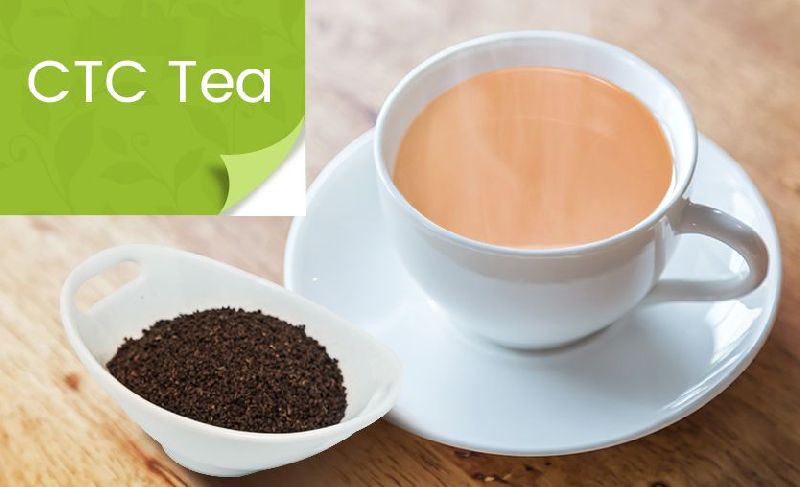
CTC (Crush, Tear, and Curl or Cut, Tear, and Curl) is a method of processing black tea in which tea leaves are passed through a series of cylindrical rollers with serrated blades that crush, tear, and curl the tea into small, even-shaped pellets.
The CTC process was invented in the 1930s by Sir William McKercher in Assam, India. The process spread in the 1950s throughout India and Africa. Today, most black tea produced around the world uses the CTC method. The finished product results in tea well-suited for tea bags, is strongly flavored, and quick to infuse. CTC tea manufacturing process is a faster way of producing a standard quality of tea. To make CTC tea, fresh, whole leaves are fed into the CTC tea machines which crush, tear and curl them and process them in a period of just two hours.
The CTC method is most often used for most black tea varieties. Black tea generally has a range of caffeine levels per cup, ranging from 50 to 90 mg of caffeine per cup. Many factors influence the caffeine levels in tea, including the actual tea leaves, the temperature of the water, and the brewing time. Additionally, a masala chai tea will likely have less caffeine than a full cup of Assam tea. Masala chai is made with a spice blend and milk (which do not contain caffeine).
CTC Tea Grades-
CTC Broken Leaf- FP (Flowery Pekoe) to BPsm (Broken Pekoe Small)
CTC Fanning- OF (Orange Fannings) to BOPF ( Broken Orange Pekoe Fannings)
CTC Dust- PD (Pekoe Dust) to SFD (Super Fine Dust)
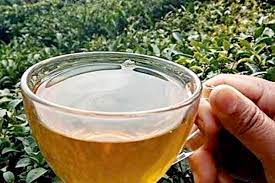
Darjeeling tea is a tea made from Camellia sinensis that is grown and processed in the Darjeeling or Kalimpong Districts in West Bengal, India. Since 2004, the term Darjeeling tea has been a registered geographical indication referring to products produced on certain estates within Darjeeling and Kalimpong. The tea leaves are processed as black tea, though some estates have expanded their product offerings to include leaves suitable for making green, white and oolong teas.
Each flush is a period that starts when the tea plant grows new leaves and ends when those leaves are harvested. Darjeeling tea has three major flushes. The first flush takes place mid-March to May, the second flush is from June to mid-August, and the third flush (also known as autumn flush) occurs October to November.
The distinct flushes will yield different results in taste, color, and aroma. As the tea ferments, flavonols in the tea leaves combine with oxygen in the air. It is this process that differentiates the black, oolong, and green tea varieties. Darjeeling black tea has undergone full fermentation, oolongs are semi-fermented, and Darjeeling green tea is not fermented at all.
Darjeeling Tea Grades-
Darjeeling First Flush Tea
Darjeeling Second Flush Tea
Darjeeling Third Flush Tea
Monsoon Flush Tea (This tea is more oxidized and has lower rates. Its mainly used for Masala Chai)
 Mr. Kushang (SANSKAR CREATIONS)
 218, Aastha Textile Market, Ring Road, Surat, Gujarat - 395003
 Share us via