My ExportersIndia

For Buyer

For Seller

For Help

SP
gstGST : 07AGRPG2061N2Z1 4.5/5

Inorganic And Organic Solvents

We offer a complete product range of Wood Polish Thinner, Acetone, Normal Butyl Alcohol, All Purpose Thinner and Butyl Cellosolve

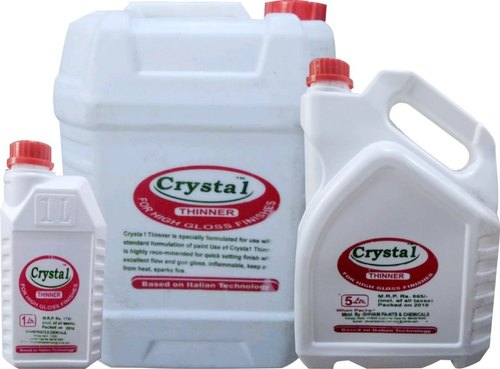
Wood Polish Thinner

85 / Litre Get Latest Price
  • Min. Order (MOQ) 1 Ton
  • Packaging Size 1 Ltr. / 5 Ltr. / 20 Ltr.
  • Number Of Flower Synthetic
  • Brand Crystal
  • Usage/application Used to Clean Paint
  • Packaging Type Can
  • Storage Greater Than 10 Deg. C
  • Shelf Life Best Before 24 Months
  • Specific Gravity 0.82 +/- 0.02

Features:

  • Best quality
  • Moisture proof packing
  • Long shelf life
View Complete Details

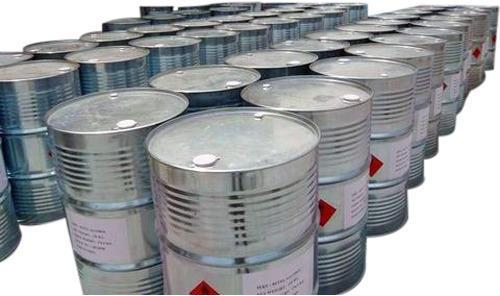
Acetone

115 / Kilogram Get Latest Price
  • Min. Order (MOQ) 1 Ton
  • Purity 99%
  • CAS No 67-64-1
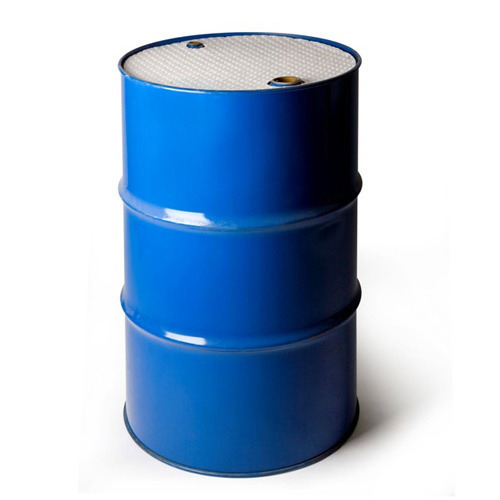
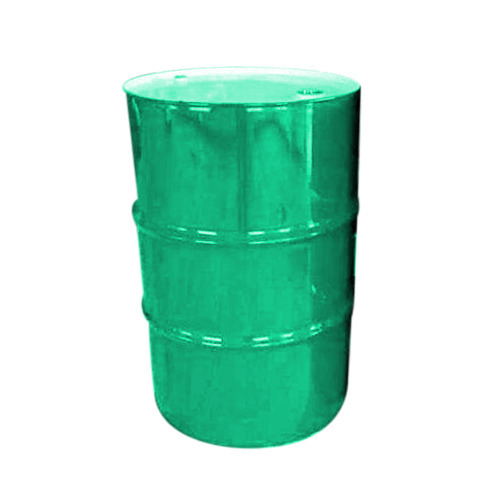
  • Packaging Details 160 kg Drum
  • Grade Industrial Grade
  • Synonyms Dimethyl Ketone, Dimethyl Carbonyl, Ketone Propane, 2-propanone, beta-ketopropane
  • Chemical Formula C3H6O
  • HS Code 29141100
  • EC No. 200-662-2
  • Shelf Life 2 to 5 Years
  • Molecular Weight 58.08 g/mol
  • Density 0.7845 g/cm3
  • Melting Point -94.7 Degree C
  • Boiling Point 56.05 Degree C
  • Solubility in water Miscible
  • Vapor Pressure 30.6 kPa (25 Degree C)
  • Acidity 19.16 pKa (H2O)
  • Refractive index 1.3588
  • Viscosity 0.295 mPas
  • Flash Point -20 Degree C
  • Ignition Temperature 465 Degree C
  • Freezing Point -95 Degree C
  • Surface Tension 25.2 mN/m
  • Thermal Conductivity 0.0115 W/m-K
  • Hazards Highly Flammable, Causes Eye Irritation and Dizziness
  • Precautions Keep away from sparks/open flames/hot surfaces. Store in ventilated place.

Features:

  • Easy and safe to use
  • Moisture proof packing
  • Accurate ph value


Specification and use:

  • Packaging option: Customized
  • Used in glues, nail polish removers, decaffeinating tea, coffee, cigarettes, etc.
View Complete Details

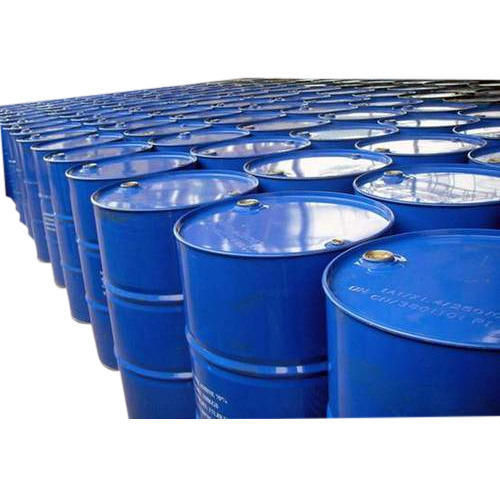
Normal Butyl Alcohol

35 / Kilogram Get Latest Price
  • Min. Order (MOQ) 1 Ton
  • Physical State Liquid
  • Usage/Application Industrial
  • Packaging Type Drum
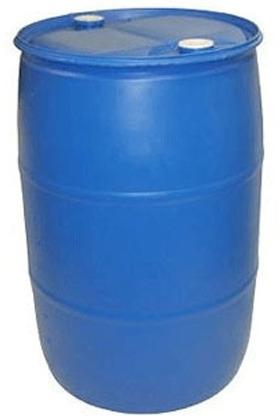
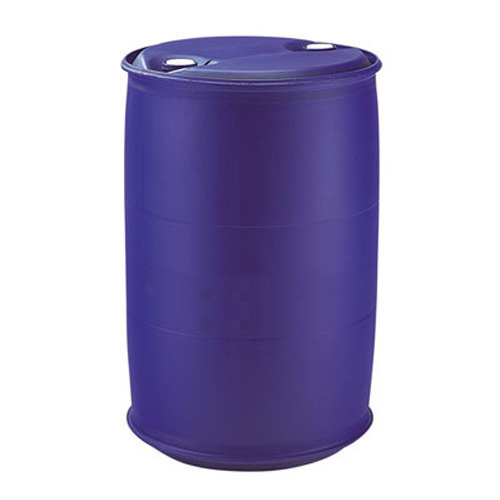
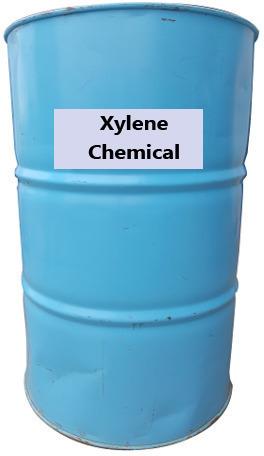
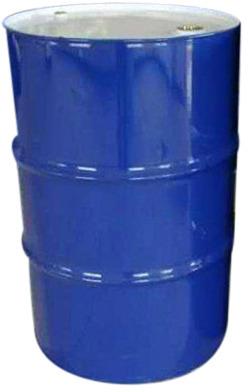
  • Packaging Size 200 L
  • Soluble In Paints

Features:

  • Non-toxic
  • Highly effective
  • Impurity

Specification and use:

  • It is used in nail care formulations
  • Different packaging option are available
View Complete Details

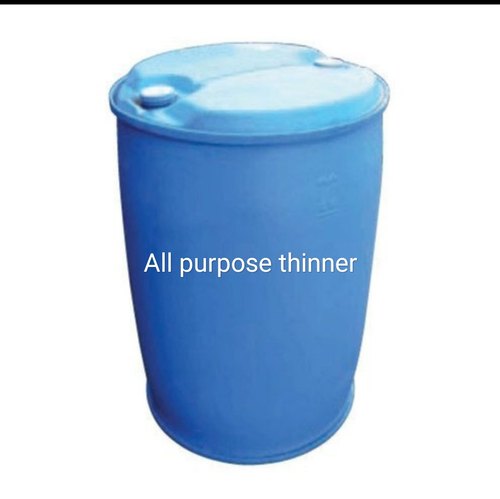
All Purpose Thinner

48 / Liter Get Latest Price
  • Min. Order (MOQ) 1 Ton
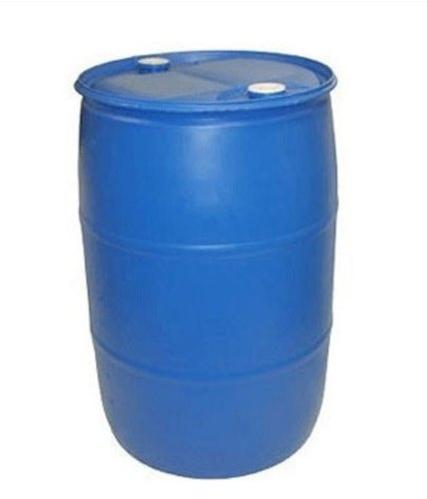
  • Packaging Size 200 L
  • Packaging Type Drum
  • Usage/Application Industrial
  • Grade Standard Industrial Grade
  • Physical State Liquid
  • Color Water White
View Complete Details

Butyl Cellosolve

200 / Kilogram Get Latest Price
  • Min. Order (MOQ) 1 Ton
  • Usage/Application Industrial
  • Packaging Size 190 Kg
  • Packaging Type Drum
  • Grade Standard Industrial Grade
  • Chemical Formula BuOC2H4OH

Features:

  • Longer shelf life
  • Alkali free and eco friendly
  • Unadulterated

Use:

  • Glass cleaners
  • Oven cleaners
  • General degreaser
  • Spot removers
View Complete Details

Mix Solvent

10,500 / litre Get Latest Price
  • Min. Order (MOQ) 1 Ton
  • Form Liquid
  • Grade Standard Industrial Grade
  • Use Uses for Cleaning and Thinning Purposes of Metal, Wood and Fibers
  • Shelf Life 12 Months
  • Purity 99%

Features:

  • Effectiveness
  • Longer shelf life
  • Purity
View Complete Details

NC Thinner

35 / Litre Get Latest Price
  • Min. Order (MOQ) 1 Ton
  • Application Industrial
  • Physical State Liquid
  • Packaging Size 200L
  • Appearance Colourless
  • Stroage Keep in Dry Place
View Complete Details

Butanol

96 / Kg Get Latest Price
  • Min. Order (MOQ) 1 Ton
  • Packaging Type Colourless
  • Grade Standard Industrial Grade
  • Purity 99.9%, >99%
  • Grade Technical
  • Physical Form Liquid
  • Color White
  • Application Intermediate in chemical synthesis, Solvent in paints, Fuel additive
  • Packaging Details 200 Litre Drum
  • CAS No 71-36-3
  • Synonyms 1-Butanol, C4H10O, n-Butanol, n-Butyl alcohol
  • Chemical Formula C4H9OH
  • Physical State Liquid
  • Odor Alcoholic and Sweet
  • Molecular Weight 74.123 g per mol
  • Density 810 kg/m3
  • Melting Point -89.8 Degree Celsius
  • Boiling Point 117.7 Degree Celsius
  • Acidity 16.10pKa
  • Refractive Index 1.3993
  • Viscosity 2.573 m Pa s
  • Flash Point 35 Degree Celsius

Uses of Butanol

  • Butanol has been primarily used as a solvent found in paints and can also be utilized as a fuel.
  • It is also used as a component of hydraulic and brake fluids.
  • It is also used as a base for perfumes, but on its own has a highly alcoholic aroma.
  • Butanol is a central nervous system depressant.This means that butanol can have effects like ethanol when ingested or drunk by living beings such as humans.


First Aid Measures

  • Eye Contact: Rinse immediately with plenty of water, also under the eyelids, for at least 15 minutes.
  • Skin Contact: Wash off immediately with plenty of water for at least 15 minutes. If skin irritation persists, call a physician.
  • Inhalation: Move to fresh air. If not breathing, give artificial respiration. Get medical attention if symptoms occur.
  • Ingestion: Clean mouth with water and drink afterwards plenty of water.


Accidental release measures

  • Personal Precautions: Use personal protective equipment. Ensure adequate ventilation. Environmental Precautions Should not be released into the environment.
  • Methods for Containment and Clean Up: Soak up with inert absorbent material. Keep in suitable, closed containers for disposal.


Personal Protective Equipment

  • Eye/face Protection: Wear appropriate protective eyeglasses or chemical safety goggles as described by OSHA's eye and face protection regulations.
  • Skin and body protection: Long sleeved clothing.
  • Hygiene Measures: Handle in accordance with good industrial hygiene and safety practice.


Stability and Reactivity

  • Stability: Stable under normal conditions.
  • Conditions to Avoid: Keep away from open flames, hot surfaces and sources of ignition.
  • Incompatible Materials: Strong oxidizing agents, Reducing agents, Acid chlorides, copper, Copper alloys, Acid anhydrides.
  • Hazardous Decomposition Products: Carbon monoxide (CO), Carbon dioxide (CO2).
  • Hazardous Polymerization: Hazardous polymerization does not occur. Hazardous Reactions: None under normal processing.
View Complete Details
Tell Us What are you looking for? Will call you back

Contact Us