
 Write a Review
Our Products
We are leaders in the market for providing best range of Effluent Treatment Plant
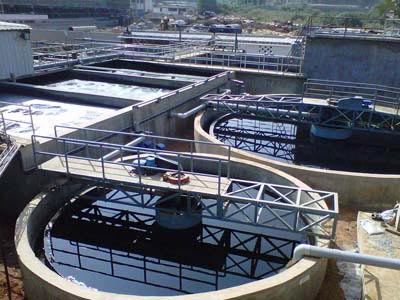
Effluent treatment systems are widely used for recycling of wastewater in industries in order to reduce the demand of water. This type of system uses physical, chemical, biological and membrane processes for treating the effluents before being discharged into the water. The effluent system is provided with all the requisite features that assist in achieving zero-discharge standards laid by statutory authority.
Working
 Mr. K Ramesh (Shree Aqua Tech Purification System)
 No. 24, Kamarajar Salai, Edapalayam, Thiruvallur, Tamil Nadu - 602001, India
 Share us via









