 GST : 23DJYPP0615N1ZM
 4.5/5
4.5/5
Our Products
Our offered Product range includes Furnace Oil, Mineral Turpentine Oil and Light Diesel Oil.
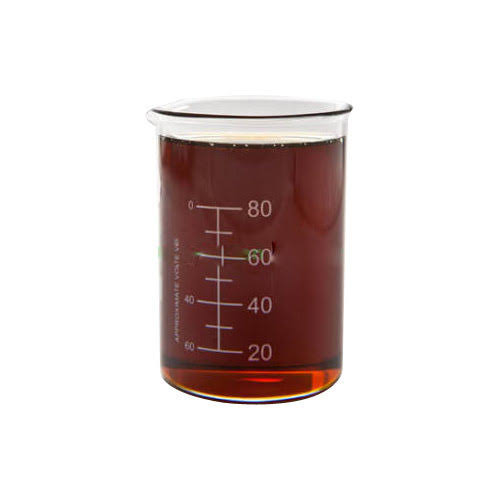
Furnace Oil is a fraction obtained from petroleum distillation, either as a distillate or a residue. Broadly speaking fuel oil is any liquid petroleum product that is burned in a furnace or boiler for the generation of heat or used in an engine for the generation of power, except oils having a flash point of approximately 40 °C (104 °F) and oils burned in cotton or wool-wick burners. In this sense, diesel is a type of fuel oil. Fuel oil is made of long hydrocarbon chains, particularly alkaline, cyclo-alkaline and aromatics. The term fuel oil is also used in a stricter sense to refer only to the heaviest commercial fuel that can be obtained from crude oil i.e. heavier than gasoline and naphtha.
VISCOSITY
Viscosity is the most important characteristic in the furnace oil specification. It influences the degree of pre-heat required for handling, storage and satisfactory atomization. If the oil is too viscous it may become difficult to pump, burner may be hard to light and operation may be erratic. Poor atomization may result in the carbon deposits on the burner tips or on the walls. The upper viscosity limit for furnace oil is such that it can be handled without heating in the storage tank is excepting under server cold conditions. Pre-heating is necessary for proper atomization.
SAFETY INFORMATION
Reactivity Data – Chemically stable and incompatible with strong oxidizers. Does not React vigorously with common materials but can react with oxidizing agents Health Hazard Data – Routes of entry may be through inhalation/ ingestion/ skin/ eye.
EFFECTS OF EXPOSURE / SYMPTOMS
Ingestion – may cause spontaneous vomiting, irritation of mouth throat and gastrointestinal tract.
On prolonged exposure it makes skin dry, erythema oil acne, development of warty growths which may lead to skin cancer, skin cracking and contact dermatitis. As it is handled at a high temperature, skin contact could produce burns.
On exposure to eye it may cause light to moderate irritation.
Ingested – do not induce vomiting as it may lead to chemical pneumonitis. Remove contaminated clothing immediately and wash the affected area with water and soap. If eyes are affected, irrigate liberally with copious amounts of water and seek medical advice
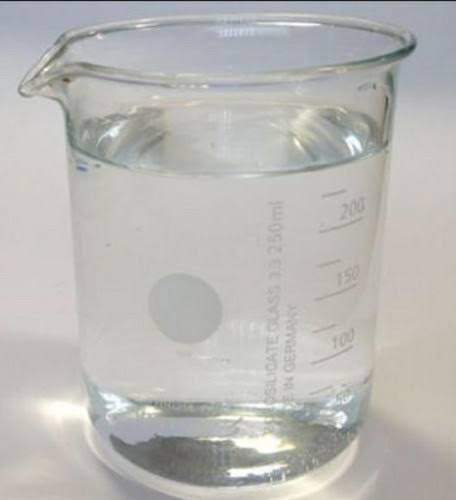
Industrial Uses of MTO :
MTO is Used as an extraction solvent, as a cleaning solvent, as a degreasing solvent and as a solvent in Aerosols, Paints, Wood preservatives, Lacquers, Varnishes, and Asphalt products MTO is mainly used as Raw Material for paints / varnishes. MTO is also used for dry cleaning and other industrial cleaning purposes.
Material Safety Data Sheet :
IDENTIFICATION OF THE SUBSTANCE / PREPARATION AND COMPANY UNDERTAKING Product Name : Mineral turpentine. General Use :heating up homes and fuel trucks to lighting up furnaces, producing steam for industrial uses and for generating electric energy.2 COMPOSITION / INFORMATION ON INGREDIENTS Synonyms : Heating Oil; High Sulfur Diesel; Heating Oil Plus HAZARDS IDENTIFICATION Primary Entry Routes : OSHA/NFPA COMBUSTIBLE LIQUID – SLIGHT TO MODERATE IRRITANT-EFFECTS CENTRAL NERVOUS SYSTEM – HARMFUL OR FATAL IF SWALLOWED
FIRST AID MEASURES Eyes: Flush with water for 15 min. Get medical attention. Skin: Wash with warm water & soap.Inhalation: Remove to fresh air. Consult a physician if irritation persists. Ingestion: Get medical help at once
FIRE FIGHTING MEASURES Flash Point :Vapors may ignite rapidly when exposed to heat, spark, open flame or other source of ignition. When mixed with air and exposed to an ignition source, flammable vapors can burn in the open or explode in confined spaces. Vapors may travel long distances to an ignition source and flashback.Vapors are heavier than air and may accumulate in low areas. Runoff to sewer may lead to fire or explosion
ACCIDENTAL RELEASE MEASURES Small Spills : Take up with dry earth, sand or other non-combustible, inert oil absorbing materials. Carefully shovel, scoop or sweep up into a waste container with clean, non-sparking tools for reclamation or disposal. Response and clean-up crews must be properly trained and must utilize proper protective equipment Local, state, and / or Federal notification may be required if this material is released to the environment
HANDLING AND STORAGE Handling Precautions: Handle as a combustible liquid. Keep away from heat, sparks, and open flame.Electrical equipment should be approved for classified areas. Bond and ground containers during product transfer to reduce potential for static Initiated fire or explosion.
EXPOSURE CONTROLS/PERSONAL PROTECTION Engineering Controls: Wear protective gloves when handling. Emergency eye wash capability should be available in the near proximity to operations presenting a potential splash exposure. Use good personal hygiene practices. Avoid repeated and/or prolonged skin Exposure. Wash hands before eating, drinking.
Safety Information
Reactivity Data – Chemically stable and incompatible with strong oxidizers. Does not React vigorously with common materials but may react with oxidizing agents. Health Hazard Data – Routes of entry may be through inhalation/ ingestion/ skin/ eye.
Effects of Exposure / Symptoms
Inhalation causes dizziness and headache. Ingestion may lead to nausea vomiting, irritation of mouth and gastro-intestinal effects likely. Potentially fatal chemical pneumonitis. On Skin and eye contact , irritation will remove natural fats from skin. Prolonged or repeated contact should be avoided, Otherwise skin chapping or cracking or possible contact of dermatitis may result. Dry skin, erythema oil acne and oil folliculitis and warty growth may occur which may become skin cancer subsequently on excessive repeated exposure.
Emergency Treatment
Inhalation – Remove victim to fresh air. Give artificial respiration if necessary. If unconscious but breathing, place in recovery (Unconscious) position and give external cardiac massage if necessary.
Ingestion – Do not induce vomiting. Remove contaminated clothing. Wash all affected skin thoroughly with soap and water.
Eyes – Irrigate eyes with copious amounts of water. Administration of medical paraffin may reduce absorption through the digestive tract.
Gastric lavage should be done only after endo tracheal intubation in view of respiration which may cause serious chemical pneumonitis for
 Ms. Anjali Patel (Shree Rang Enterprise)
 CHAIN PURA ROAD, NAYAGAON, Neemuch, Madhya Pradesh - 458441
 https://www.shreerangenterprise.co.in
 Share us via