Our Products
Our product range contains a wide range of Flax Seed/Lin Seed, Mustard, Fennel, Dill Seed and Soybean Seed
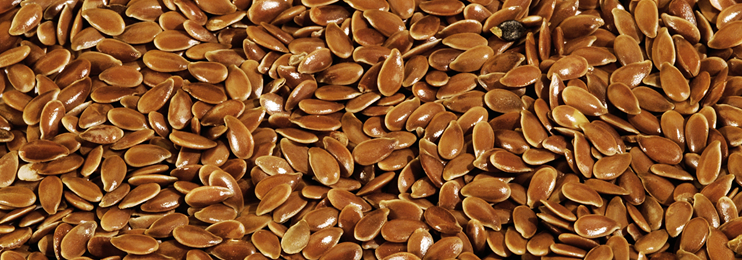
Flax, commonly known as linseed or ALSI in hindi, is popular source of vegetarian Omega-3 fatty acids. Flax seed carries one of the biggest nutrient payloads on the planet. Additionally, flax seed is very low in carbohydrates, making it ideal for people who limit their intake of starches and sugars. And its combination of healthy fat and high fiber content make it a great food for weight loss and maintenance, many dieters have found that flax seed has been a key to keeping them feeling satisfied
Usage: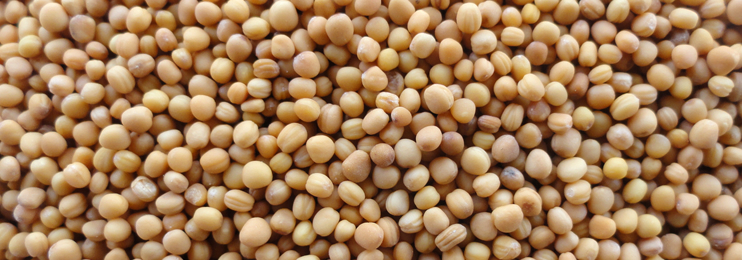
Mustard seeds are the small round seeds of various varieties of mustard plants. The seed is usually about 1 or 2 mm in diameter and is an important spice in many regional foods. Mustard seed is one of the most popular spices traded in the world today. As it grows well in temperate climates, the areas that produce the greatest amount of mustard seeds currently include India, Hungary, Great Britain, Canada and the United States.
Mustard, one of the most ancient spices has 3 varieties namely black, brown and yellow. The black mustard plant normally grows to a height of 10 feet. Brown mustard plant produces tiny yellow colored flowers, which almost cover the plant. White mustard is the mildest among all the varieties of mustard. The seeds have fresh aroma and slightly biting flavor. Mustard seeds have many medicinal properties and it is also used in salad dressings, egg dishes, cheese dishes, pickles and vegetables.
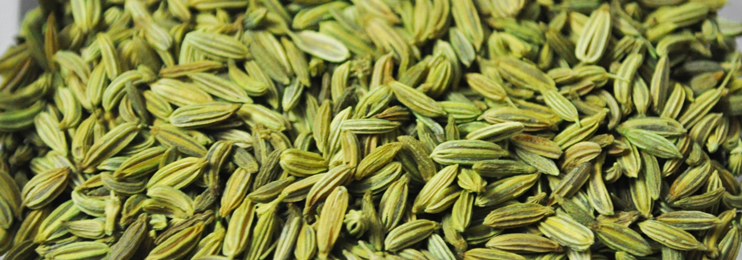
Fennel (Foeniculum vulgare) is a plant species in the genus Foeniculum (treated as the sole species in the genus by most botanists). It is a member of the blunden family Apiaceae (formerly the Umbelliferae). It is a hardy, perennial, umbelliferous herb, with yellow flowers and feathery leaves. Fennel Seeds (Sauf) are very effective for digestive problems. These aromatic fennel seeds can be chewed upon or had as a tea decoction for beneficial effects upon the stomach. In India, these aromatic seeds are routinely chewed upon after meals to aid in digestion after a rich meal while acting as a herbal mouth freshener.
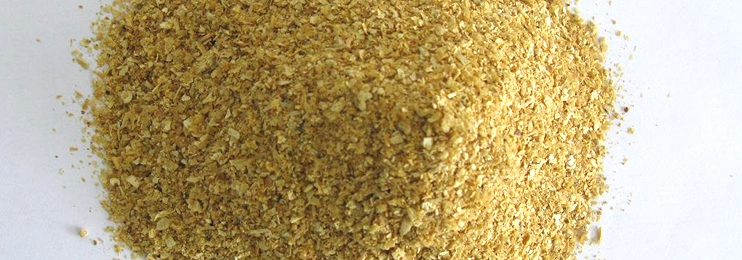
Dill seeds are originated in Central Asia. It is however is also grown in large quantity in Egypt and Mediterranean countries or Eastern Europe. It is also getting popular in North America. Its related species Sowa is grown in India whose fruits are larger but less fragrant.
India and Pakistan are the major dill production areas, Egypt, Fiji, Mexico, Netherland, United States, England, Hungary are other commercially productive areas, making small contributions to the world production.Dill is an annual herb native to the Central Asia, it is also widely grown in Europe and Northern Africa for its culinary and medicinal use. Dill , dried leaves of the same plant is also used for flavoring. It is milder in taste when compared to dill seed.
| Purity: | 95% to 99% |
| Colour: | Dark Green |
| Moisture: | 10% max |
Fresh and dried dill leaves (sometimes called dill to distinguish it from dill seed) are used as herbs, mainly in Sweden, the Baltic, in Russia, and in central Asia. Dill seed is used as a spice, with a flavor somewhat similar to caraway but also resembling that of fresh or dried dill . Dill seeds were traditionally used to soothe the stomach after meals. Dill oil can be extracted from the leaves, stems and seeds of the plant.
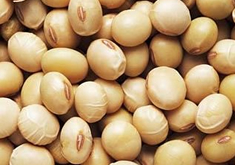
With the help of our distinguished professionals, we are able to export and supply premium quality Soybean Seed. The products we are offer are processed in a hygienic environment and sourced from authentic vendors of the market. Our product is available in packs of various quantities and flavors to match the distinguish needs of the patrons. Further, these products are provided by us in moisture-proof and hygienic packaging, so as to retain their natural taste and nutritional value
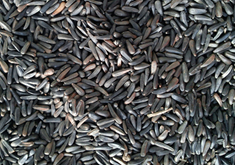
Niger(Nyjer) Seeds which comes from the Ramtili plant and scientifically known as Guizotia abyssinica. Oil enriched, black and small Ingurgitated with oils. Niger Seeds are mainly used to feed the birds and it also marginal used in India as jelly.
Though Ethiopia still exports Niger Seeds but today India secures a significant position as one of the Niger Seed Exporters and produces around 2 Lakh tones Nyjer seeds and 75% (approx) of the produced Niger seed are exported to U.S. Niger Seed Exporters of India also export high quality seeds to Mexico, Singapore, Canada, EU and Brazil.
Purity: 99 %Moisture: 8 % MAX.
 Piyush Agrawal (Shri Balaji Trademart (india) Pvt Ltd)
 21 Monica Plaza Veer Sawarkar Nagar, Veer Savarkar Nagar, Indore, Madhya Pradesh
 Share us via







 Write a Review