Write a Review
Our Products
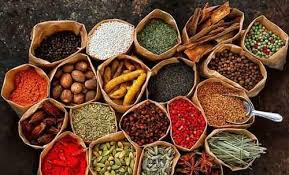
Our product range contains a wide range of Kerala Spices and Cardamom
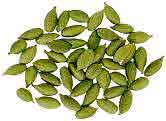
Cardamom is one of the worlds very ancient spices. It is native to the East originating in the forests of the western ghats in southern India, where it grows wild. Today it also grows in Sri Lanka, Guatemala, Indo China and Tanzania. The ancient Egyptians chewed cardamom seeds as a tooth cleaner; the Greeks and Romans used it as a perfume. Vikings came upon cardamom about one thousand years ago, in Constantinople, and introduced it into Scandinavia, where it remains popular to this day.Cardamom is an expensive spice, second only to saffron. It is often adulterated and there are many inferior substitutes from cardamom-related plants, such as Siam cardamom, Nepal cardamom, winged Java cardamom, and cardamom. However, it is only Elettaria cardamomum which is the true cardamom. Indian cardamom is known in two main varieties: Malabar cardamom and Mysore cardamom. The Mysore variety contains higher levels of cineol and limonene and hence is more aromaticCardamom comes from the seeds of a ginger-like plant. The small, brown-black sticky seeds are contained in a pod in three double rows with about six seeds in each row. The pods are between 5-20 mm (1/4-3/4) long, the larger variety known as black, being brown and the smaller being green. White-bleached pods are also available. The pods are roughly triangular in cross section and oval or oblate. Their dried surface is rough and furrowed, the large blacks having deep wrinkles. The texture of the pod is that of tough paper. Pods are available whole or split and the seeds are sold loose or ground. It is best to buy the whole pods as ground cardamom quickly loses flavour.
All the different cardamom species and varieties are used mainly as cooking spices and as medicines. In general,
| Uses in cuisines around the world |
| Cardamom has a strong, unique taste, with an intensely aromatic fragrance. It is often used in baking in Scandinavia. One of the most expensive spices by weight, little is needed to impart the flavour. Cardamom is best stored in pod form, because once the seeds are exposed or ground, they quickly lose their flavour. However, high-quality ground cardamom is often more readily (and cheaply) available, and is an acceptable substitute. For recipes requiring whole cardamom pods, a generally accepted equivalent is 10 pods equals 1 teaspoons of ground cardamom. |
| In traditional medicine |
| In India, green cardamom (A. subulatum) is broadly used to treat infections in teeth and gums, to prevent and treat throat troubles, congestion of the lungs and pulmonary tuberculosis, inflammation of eyelids and also digestive disorders. It is also reportedly used as an antidote for both snake and scorpion venom. Species in the genus Amomum are also used in traditiona indian medicinel . Among other species, varieties and cultivars, Amomum villosum is used in traditional Chinese medicine to treat stomach-aches, constipation, dysentery, and other digestion problems. "Tsaoko" cardamom is cultivated in Yunnan, China, both for medicinal purposes and as a spice. |
| Culinary Uses |
| The pods can be used whole or split when cooked in Indian substantial meals such as pulses. Otherwise, the seeds can be bruised and fried before adding main ingredients to the pan, or pounded with other spices as required. Keep the pods whole until use. The pod itself is neutral in flavour and not generally used, imparting an unpleasant bitter flavour when left in dishes.Cardamom is used mainly in the Near and Far East. Its commonest Western manifestation is in Dutch windmill biscuits and Scandinavian-style cakes and pastries, and in akvavit. It features in curries, is essential in pilaus (rice dishes) and gives character to pulse dishes. Cardamom is often included in Indian sweet dishes and drinks. At least partially because of its high price, it is seen as a festive spice. Other uses are; in pickles, especially pickled herring; in punches and mulled wines; occasionally with meat, poultry and shellfish. It flavours custards, and some Russian liqueurs. Cardamom is also chewed habitually (like nuts) where freely available, as in the East Indies, and in the Indian masticory, betel pan. It is a flavouring for Arab and Turkish coffee which is served with an elaborate ritual. |
| Botanical name | Family name | Commercial part |
| Cinnamomum cassia Blume. | Lauraceae | Bark and leaf |
 Shyam (Shyam Net Works)
 8 Sri Ram Loay Out, Coimbatore, Tamil Nadu - 641011, India
 Share us via