Write a Review
Our Products
Our product range contains a wide range of Coffee Beans, Greater Galanga, Infrastructure Protection, Pipeline Security and in Vehicle Surveillance

Although Brazil commands the Top Spot for Coffee globally, India has been a major player in this commodity. India Monsoon Malabar Monsoon Malabar is a unique coffee grown at 1, 000 to 2, 000 meters above sea level. It is a significantly larger arabica bean named for the region and its rainy season which contributes to the beans' higher moisture content. To create a "monsooned" crop, the green coffee is warehoused in an open structure protected from rain while moist tropical air blows through the storage area. In a 2 to 3 month period, the beans absorb moisture, losing a degree of natural acidity and at roast time, a richer yet mellower beverage results.
India Mysore Nuggets
The Malabar Coast: the Arabian Ocean: the West facing slopes of India’s Ghat Mountains: these things supply ideal coffee growing conditions to the region centered in Karnakata (formerly Mysore). A mineral-rich volcanic soil, suitable altitudes, good rainfall and temperature variations make for the winning team that coffee needs here. Shade growth and one-thousand meter altitude means longer growing periods and slow ripening. The coffee cherry, as a result, is richer in taste and higher in sugar content.
Much processing and human labour is required before coffee berries and its seed can be processed into the roasted coffee with which most Western consumers are familiar. Coffee berries must be picked, defruited, dried, sorted, and—in some processes—also aged. Coffee is usually sold in a roasted state, and the roasting process has a considerable degree of influence on the taste of the final product. All coffee is roasted before being consumed. Coffee can be sold roasted by the supplier; alternatively it can be home roasted. Everyday alchemy, coffee roasting coaxes golden flavor from a bland bean. Unroasted beans boast all of coffee’s acids, protein, and caffeine—but none of its taste. It takes heat to spark the chemical reactions that turn carbohydrates and fats into aromatic oils, burn off moisture and carbon dioxide, and alternately break down and build up acids, unlocking the characteristic coffee flavor.
| Preparation |
| The processing of coffee typically refers to the agricultural and industrial processes needed to deliver whole roasted coffee beans to the consumer. Grinding the roasted coffee beans is done at a roastery, in a grocery store, or at home. It is most commonly ground at the roastery and sold to the consumer ground and packaged, though "whole-bean" coffee that is ground at home is becoming more popular despite the extra effort required. A grind is referred to by its brewing method. "Turkish" grind, the finest, is meant for mixing straight with water, while the coarsest grinds, such as coffee percolator or French press, are at the other extreme. Midway between the extremes are the most common: "drip" and "paper filter" grinds, which are used in the most common home coffee brewing machines. The "drip" machines operate with near-boiling water passed in a slow stream through the ground coffee in a filter. The espresso method uses more advanced technology to force very hot (not boiling) water, through the ground coffee, resulting in a stronger flavor and chemical changes with more coffee bean matter in the drink. Once brewed, it may be presented in a variety of ways: on its own, with sugar, with milk or cream, hot or cold, and so on. Roasted arabica beans are also eaten plain and covered with chocolate. See the article on coffee preparation for a comprehensive list. A number of products are sold for the convenience of consumers who don't want to prepare their own coffee. Instant coffee has been dried into soluble powder or freeze dried into granules, which can be quickly dissolved in hot water for consumption. Canned coffee is a beverage that has been popular in Asian countries for many years, particularly in Japan and South Korea. Vending machines typically sell a number of varieties of canned coffee, available both hot and cold. To match the often busy life of Korean city dwellers, companies mostly have canned coffee with a wide variety of tastes. Japanese convenience stores and groceries also have a wide availability of plastic-bottled coffee drinks, which are typically lightly sweetened and pre-blended with milk. Lastly, liquid coffee concentrate is sometimes used in large institutional situations where coffee needs to be produced for thousands of people at the same time. It is described as having a flavor about as good as low-grade robusta coffee, and costs about 10 cents a cup to produce. The machines used to process it can handle up to 500 cups an hour, or 1, 000 if the water is preheated. |
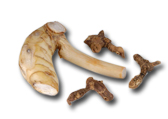
Indigenous to India, galangal shows exuberant growth and fine health along the eastern Himalayas and in south-west India. India exports several varieties of galangal in different forms. However, its volatile oil attracts more international interest because of its high medicinal value.
 Shyam (Shyam Net Works)
 8 Sri Ram Loay Out, Coimbatore, Tamil Nadu - 641011, India
 Share us via