


 Aligarh, Uttar Pradesh
 Write a Review
Please let us know your sourcing needs.


Welcome to Somex enterprises
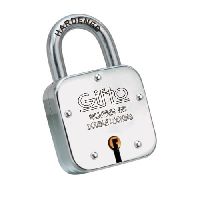
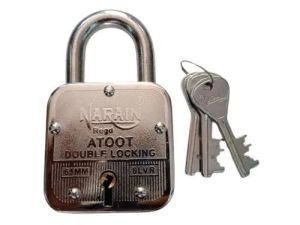
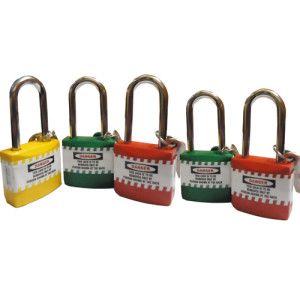
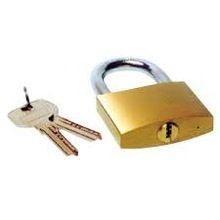
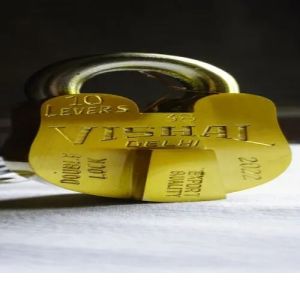
To evaluate the quality of a padlock, you should look beyond just the weight or size. High-quality security is determined by the specific materials used and the internal locking mechanisms that resist tampering. 1. Material and Build Quality Shackle Strength: The shackle is the most common point of attack. Look for Boron Carbide or Hardened Steel alloys, which are significantly harder to cut with bolt cutters than standard steel. Body Material: Solid hardened steel or brass bodies offer the best physical resistance. Avoid "zinc alloy" or "zamak" for high-security needs, as they are more susceptible to being shattered by a heavy blow. Weatherproofing: For outdoor use, high-quality locks feature stainless steel internals, a "weather cover" for the keyhole, and a drainage system to prevent rust and freezing. 2. Resistance to Tampering Security Pins: Internal pins (like mushroom or spool pins) make a lock much harder to "pick." A quality lock typically has at least 5 or 6 pins. Anti-Drill/Anti-Bump: Look for locks with a hardened steel plate over the keyway (to prevent drilling) and specialized driver pins that resist "bumping" (a common bypass technique). Double-Bolted Shackle: Ensure the shackle locks on both sides when closed. This requires a thief to cut through the shackle twice rather than once to remove the lock. 3. Understanding Quality Ratings Rather than relying on a brand's own "1–10" scale, look for independent certifications: CEN Grade (Europe): Scales from 1 to 6. A CEN 4 is considered high security for residential/commercial use, while CEN 5 and 6 are for maximum-security industrial applications. Sold Secure (UK): Rated as Bronze, Silver, Gold, or Platinum. Gold and Platinum are the benchmarks for high-value protection. ASTM (US): Grades F883 for strength and tamper resistance.
-

Year of Establishment
1985
-

Primary Business
Manufacturer
-

Number of Employees
6 - 20
-

Annual Turnover
Below Rs. 0.5 Crore Approx.