 GST : 36BXVPS9122A1Z4
Our Products
We offer a complete product range of Chromic Acid Flakes, Strontium Ferrite Powder, N Valeryl Chloride Liquid, Cyclopentyl Bromide Liquid and Zinc Sulfide Powder


phenylacetyl disulfide or bis(phenylacetyl) disulfide is a chemical
compound characterized by the presence of two phenylacetyl groups linked by
a disulfide bond. this structure imparts specific properties to the compound,
making it useful in a range of applications.
recently, nucleic acid medicines have been attracting much attention. nucleic
acid medicines are pharmaceutical products produced from the structural
components of dna and rna, called nucleic acid or oligonucleotide medicine.
through direct action on gene expression and pathogenic proteins, these
medicines hold great promise for treating diseases that were formerly difficult
to treat. as a pharmaceutical product, they are second only to antibody drugs,
and the nucleic acid medicine market is expected to expand in the near future.
Additional Information:
Payment Terms : T/T
Packaging Details : HDPE DRUM
Delivery Time : INSTOCK
Additional Information:
Payment Terms : T/T
Packaging Details : HDPE Drum
Delivery Time : In stock


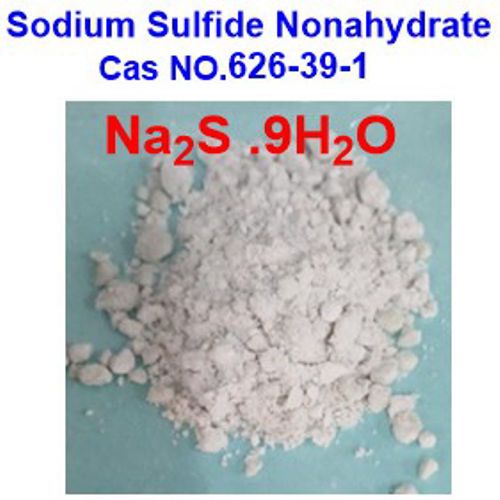
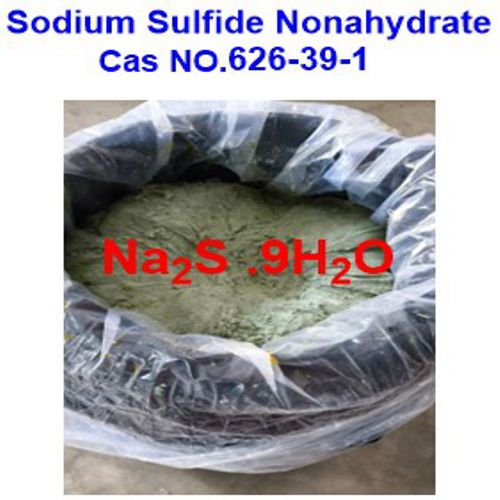
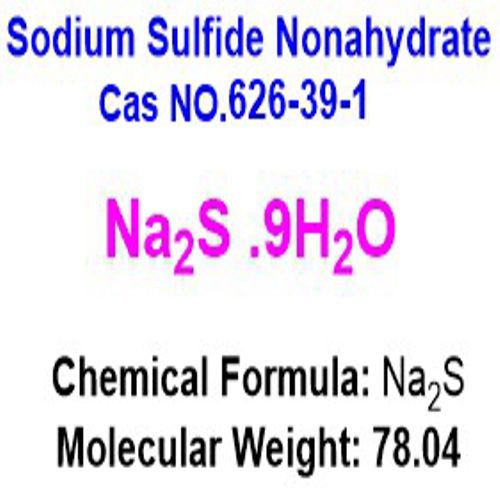
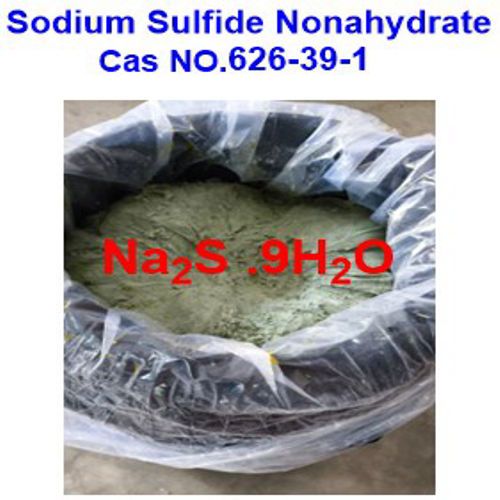
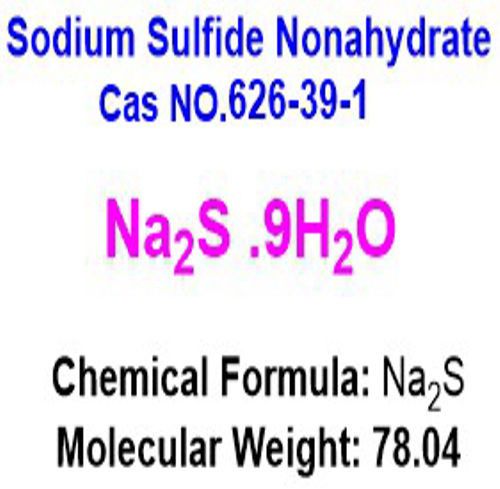
Sodium sulfide nonahydrate (Na2S•9H2O) is important due to its versatile applications in various industries and its role as a source of hydrogen sulfide (H2S). It is used in pulp and paper processing, textile manufacturing, leather tanning, metal extraction, and as an intermediate in pharmaceutical synthesis. It also plays a role in water treatment as an oxygen scavenger and metal precipitant.
Additional Information:
Payment Terms : T/T
Packaging Details : HDPE Drum
Delivery Time : In stock
3-Aminobutanoic acidor -Aminobutyric acid (BABA) is an isomer of the amino acid aminobutyric acid with the chemical formula C4H9NO2. It has two isomers, -aminobutyric acid and -aminobutyric acid (GABA), a neurotransmitter in animals that is also found in plants, where it may play a role in signalling. All three are non-proteinogenic amino acids, not being found in proteins. BABA is known for its ability to induce plant disease resistance, as well as increased resistance to abiotic stresses, when applied to plants.
3-Aminobutanoic acid applied as a foliar spray causes the plant hormone salicylic acid (SA) to accumulate, which is a key hormone in controlling systemic acquired resistance (SAR). Genetically modified tobacco plants that are unable to accumulate SA are still protected by BABA against some pathogens, but not others, indicating pathosystem-specific mechanisms by which BABA confers resistance. Arabidopsis unable to produce SA, jasmonic acid or ethylene (other hormones involved in defence) were still protected from the oomycete Peronospora parasitica but plants unable to produce SA were susceptible to the bacteria Pseudomonas syringae. This variation in the hormones required for BABA to confer resistance makes it differ from other synthetic activators of plant defence, which only operate through the SAR pathway of PR proteins.
Additional Information:
Payment Terms : T/T
Packaging Details : HDPE Drum
Delivery Time : In stock


 Mr. DRS (SR Innovations India)
 H. No. 5-5-35/195/5 G1, Ground Floor, TGIIC, Road, IDA, Prashanti Nagar, Kukatpally, Hyderabad, Telangana -500072, Hitech City - 500082, India
 https://www.srinnovationsindia.co.in
 Share us via