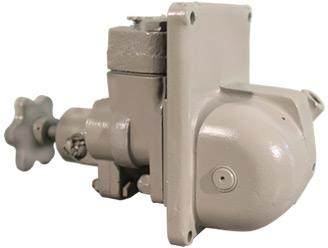
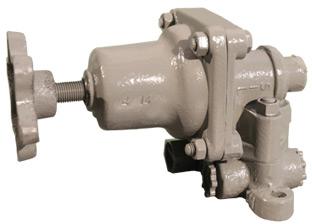
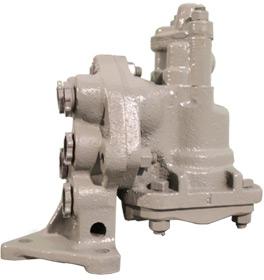
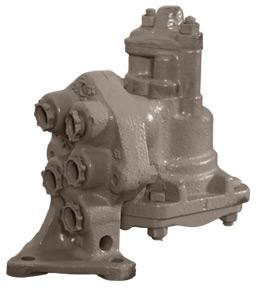
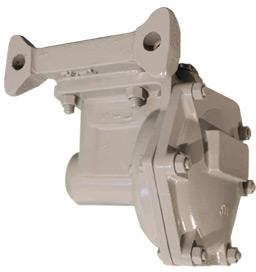
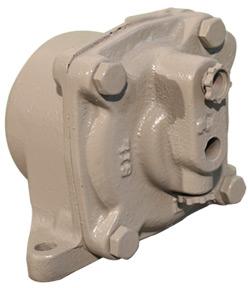
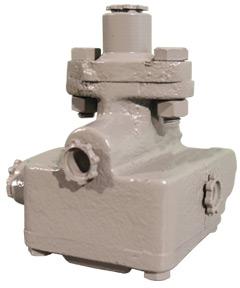
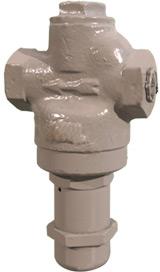
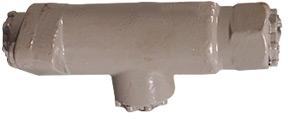
Our product range contains a wide range of VA-1B Control Valve, A-9 Automatic Brake Valve, HS-4 Control Air Valve, HB-5 relay Air Valve and H-5 Relay Air Valve
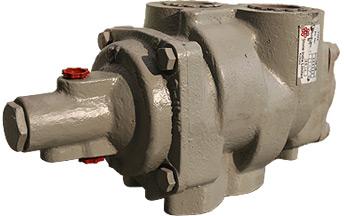
The VA-1B Control Valve proportions the amount of vacuum in the vacuum brake pipe to the air pressure in the compressed air brake pipe on the locomotive and acts as a pilot valve to operate the train vacuum brake, thus securing an application simultaneously with, and in proportion to the locomotive air brake application.
The A-9 Automatic Brake Valve is a compact self lapping, pressure maintaining Brake Valve which is capable of graduating the application or release of locomotive and train brakes. A-9 Automatic Brake Valve has five positions: Release, minimum Reduction, Full Service, Over Reduction and Emergency.
The HS-4 Control Air Valve delivers a regulated, uniform, predetermined air pressure, which usually serves to regulate the operation of another device in the brake System.
The HB-5 relay Air Valve is a pneumatic, double piloted, three way valve that changes the air passages through it when air pressure of a predetermined amount or more is in the control chamber.
The H-5 relay air valve is an air operated three way valve that changes the air passage through it when the control air pressure is vented to atmosphere.
The C2W Relay Air Valve is a diaphragm cooperated self lapping valve having higher capacity which is used as a remote controlled pneumatic device to relay a large quantity of main air reservoir pressure to the operating system for brake application.
The A-1 Differential Pilot Air Valve is designed to activate a number of pneumatic devices for a predetermined length of time even though it's control air supply is maintained for a considerably long period.
The D-1 Automatic Drain Valve automatically discharges precipitated moisture from reservoir with each operating cycle of the control device. The drain valve may be installed on main reservoir with a pump.
Piston type duplex check valves are generally used in Railway Compressed Air Brake systems to prevent excessive use of auxiliary equipment from depleting the main compressed air supply to the detriment of the brake equipment