My ExportersIndia

For Buyer

For Seller

For Help

Our Products

We are leaders in the market for providing best range of Barbed Wire, M.S Welded Wire mesh, GREEN PVC NET, Grassland Fencing and Galvanised Wire

M.S Welded Wire Mesh

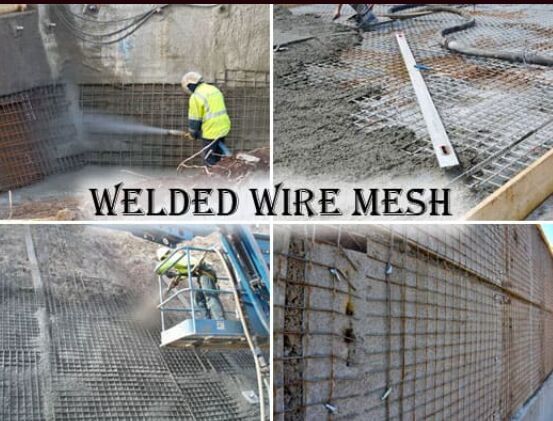
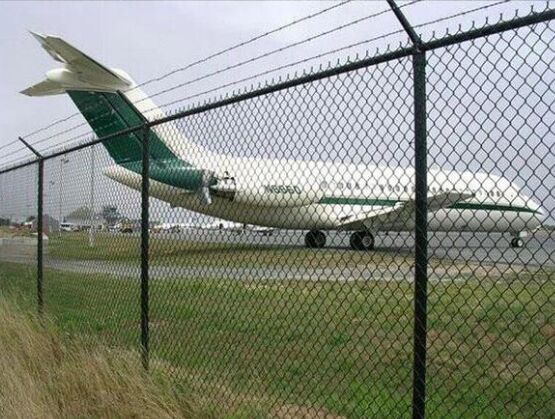
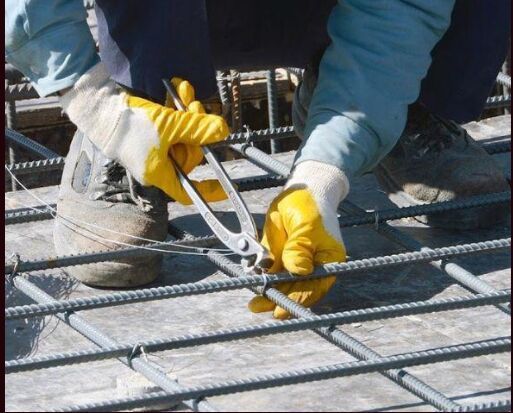
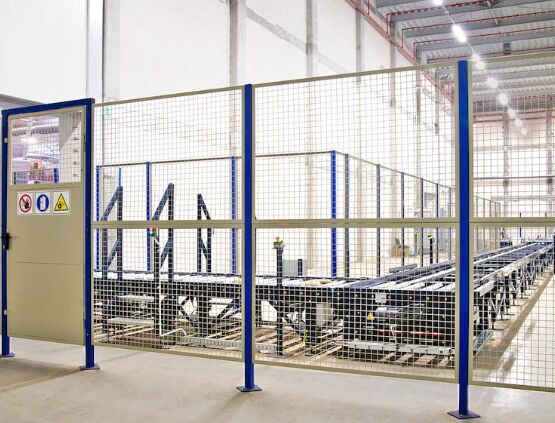
Welded wire mesh, or welded wire fabric, or "weldmesh" is an electric fusion welded prefabricated joined grid consisting of a series of parallel longitudinal wires with accurate spacing welded to cross wires at the required spacing. Machines are used to produce the mesh with precise dimensional control. The product can result in considerable savings in time, labour and money. It is available in various sizes and shapes. It is widely used in agricultural, industrial, transportation, horticultural and food procuring sectors. It is also used in mines, gardening, machine protection and other decorations. Weld mesh is the term given to the kind of barrier fencing that is manufactured in square, rectangular mesh. WELDED WIREMESH CALLED AS : Welded Wire Mesh Galvanized Welded Wire Mesh Stainless Steel Welded Wire Mesh Wire Mesh Panels Concrete Reinforcement Mesh Mesh Fence Welded Mesh Sheets Wire Mesh Roll PVC Coated Welded Wire Mesh Industrial Wire Mesh Welded wire mesh has several uses across different industries and applications: Concrete Reinforcement: It is widely used in construction for reinforcing concrete structures such as floors, walls, and foundations. The mesh helps to distribute loads and prevent cracking. Fencing and Enclosures: It's commonly used for fencing in residential, commercial, and industrial settings due to its durability and strength. It can also be used to create animal enclosures and barriers. Infrastructure: Used in the construction of bridges, tunnels, and roads to provide structural support and reinforcement. Industrial Applications: Used for machine guards, shelving, storage cages, and partitions in industrial settings. Agricultural Applications: Used for poultry houses, animal pens, garden fencing, and crop protection. Security: Often used for security purposes in prisons, airports, and other high-security areas. DIY Projects: Can be used for various DIY projects such as garden trellises, compost bins, and decorative items.

Additional Information:

Delivery Time : AS PER ORDER
View Complete Details

Barbed Wire

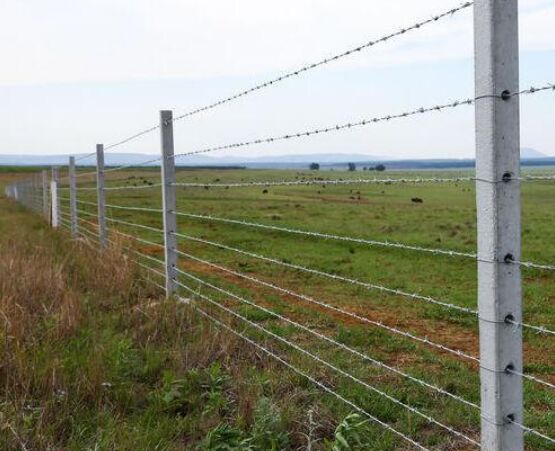
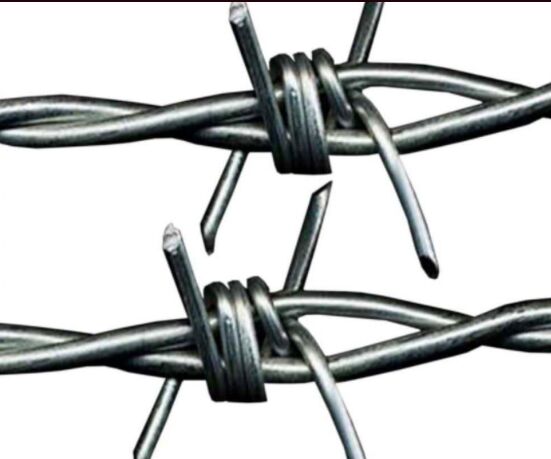
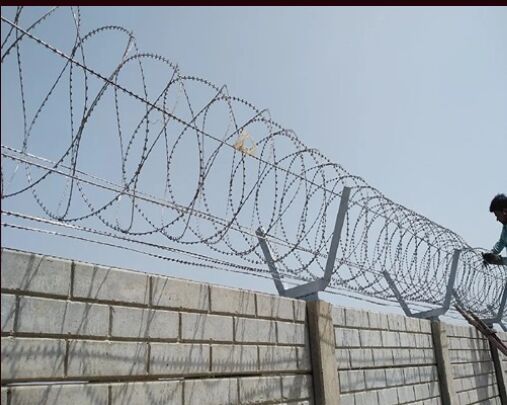
Barbed wire is a subsidiary option for chain link. Barbed wire is wires eloped into each other thought the run and holds barbs at 4 inches of gap. The running wire is usually a 12 gauge / 2.5 mm wire and the bard is a 14 gauge / 2 mm wire. The 12 gauge wire is called the line wire and the 14 gauge wire is called the barb wire. Types of Barbed Wire :- 12 x 12 ( 12 Gauge Long Wire & 12 Gauge used in Barb ) 12 x 14 ( 12 Gauge Long Wire & 14 Gauge used in Barb ) 14 x 14 ( 14 Gauge Long Wire & 14 Gauge used in Barb )On request and in our previous customer requests, we have made barbed wire with 12 gauge wire as line wire and 12 gauge wire as barb wire. Barbed wire is tied along the perimeter with a specific distance between two lines of barbed wire as per choice.Barbed wire serves several practical uses across various applications. Here are some common uses: Security Fencing: Barbed wire is widely used as a deterrent and barrier for security purposes. It is often installed on fences, walls, and barriers around sensitive areas, military installations, prisons, and high-security facilities to prevent unauthorized access. Perimeter Security: It's used to secure the perimeter of properties, industrial sites, and agricultural land, deterring trespassers and unauthorized entry. Livestock Management: Barbed wire fences are commonly used in agriculture to contain livestock such as cattle, horses, and sheep within designated grazing areas or pastures. It helps prevent animals from escaping and also protects crops from being grazed. Boundary Marking: Barbed wire is used to mark property boundaries, especially in rural areas where clear demarcation of land ownership is essential. Wildlife Management: In conservation areas and parks, barbed wire fences can be used to create boundaries that prevent wildlife from entering or exiting specific zones, helping to manage and protect natural habitats. Temporary Fencing: It's utilized as temporary fencing for events, construction sites
View Complete Details

Green Net

  • Application Green House
  • Material HDPE Plastic
  • Number Of Flower Agro Shade Net
  • Width 5.3 / 2.6 / 3 (m)
  • Feature High tearing strength Weather resistant Lightweight
  • Applications Agro Shading finds wide spread applications across green houses, ploy houses, nurseries, shade house
  • Product Range Available in white, green and black colours, the standard shade factors available are 50% and 75% Ot
  • Built Type Prefab
  • Area/Size 5.3 mt, Width 5.3 / 2.6/3 (m) Length 25/50 (m)
  • Length 25 / 5
A green shade net, also known as a shade cloth or shading net, is a woven or knitted fabric typically made from high-density polyethylene (HDPE) material. It is used primarily in agriculture, horticulture, and gardening to provide shade and protection to plants, crops, and other sensitive materials from excessive sunlight, heat, wind, and hail. The green color of the shade net helps to filter sunlight and reduce the intensity of UV rays while allowing sufficient air circulation and water drainage. Key uses of green shade nets include: Crop Protection: Used in agriculture to protect crops from sunburn, heat stress, and wind damage. Nurseries and Gardens: Used in nurseries and gardens to provide shade for young plants, seedlings, and delicate flowers. Livestock and Poultry: Used to create shaded areas for livestock and poultry to reduce heat stress. Greenhouses: Used inside greenhouses to control light intensity and temperature. Construction Sites: Used in construction sites for shading and dust control. Green shade nets come in various densities and shade percentages, ranging from 30% to 90% shade factor, depending on the level of protection required for different applications.
View Complete Details

Galvanised Wire

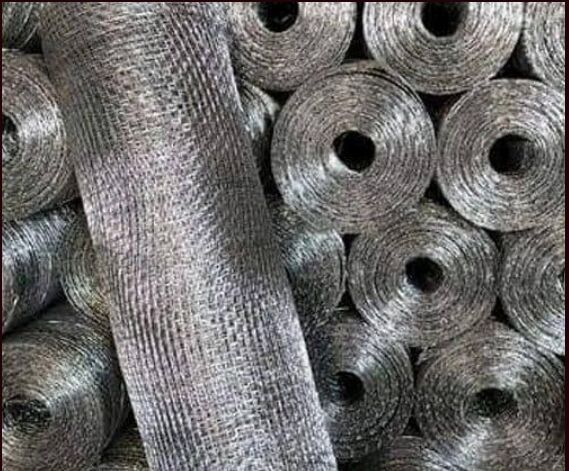
Galvanized wire is also commonly referred to as:Galvanized steel wire: Emphasizes that it is made from steel and coated with zinc.Galvanized iron wire: Indicates it is made from iron and coated with zinc.Zinc-coated wire: Focuses on the zinc coating that provides corrosion resistance.GI wire: Short form for galvanized iron or galvanized steel wire, commonly used in industry and construction.These terms are used interchangeably depending on regional preferences and specific applications.Galvanized wire refers to wire that has been coated with a layer of zinc through a process called galvanization. This coating serves to enhance the wire's corrosion resistance, making it suitable for various outdoor and industrial applications. Here are some key features and uses of galvanized wire:Features:Corrosion Resistance: The zinc coating on galvanized wire provides protection against rust and corrosion, extending the lifespan of the wire in outdoor and humid environments. Strength and Durability: Galvanized wire retains its strength and durability even when exposed to harsh conditions, making it suitable for fencing, construction, and industrial uses.Versatility: It is available in various thicknesses (gauges) and forms, including galvanized steel wire, galvanized iron wire, and galvanized steel rope, to suit different applications.Ease of Use: Galvanized wire is easy to work with, cut, bend, and shape, making it suitable for a wide range of DIY projects and applications.Fencing: Galvanized wire is commonly used in fencing applications, such as chain-link fences, poultry netting, and garden fencing, due to its strength and corrosion resistance.Construction: It is used in construction for tying rebar, securing insulation, and as a support for plastering and stucco.Agriculture: Galvanized wire is used in agriculture for trellising, vineyard support systems, and livestock fencing.
View Complete Details

Green PVC Net

  • Material Made from PVC (polyvinyl chloride), which provides flexibility, durability, and resistance to weathering.
  • Hexagonal Pattern Characterized by a hexagonal mesh structure that provides strength and allows for air circulation an
  • Lightweight PVC nets are lightweight, making them easy to handle and install compared to metal alternatives
  • Gardening and Agriculture Used as garden fencing, plant support, and trellising for climbing plants like peas, beans, and toma
  • Poultry and Livestock Used for poultry enclosures and as protection from predators.
  • Safety Barriers Used in construction sites and events as temporary safety barriers and fencing.
Hexagonal PVC garden netting: Emphasizes its use in gardening applications.Green PVC poultry netting: Indicates its use for poultry enclosures and protection.Hexagonal PVC mesh: Describes its hexagonal structure made from PVC material.Green hex net: A shortened and informal term used in various contexts.Hexagonal PVC Net is extensively used in gardens as a fencing to boost the beauty of garden. These nets can be effortlessly installing, removed or re-installed. Known for non-corrosive, economical & more visual attributes this net is widely demanded in the market as anti bird solution. A green hexagonal PVC net refers to a type of netting or mesh made from polyvinyl chloride (PVC) material, typically woven or knitted into a hexagonal pattern. This type of net is commonly used in gardening, agriculture, and various other applications where a lightweight and durable mesh is needed. Here are some key features and uses of green hexagonal PVC net:
View Complete Details

Clutch Wire (Jhatka Wire)

In the context of agriculture, particularly in some regions of India, "jhatka wire" is a term used to refer to an electric fence wire used for livestock management. Here's how it is typically used: Electric Fence: Jhatka wire is often used to create electric fences around agricultural fields or grazing areas to contain livestock such as cattle, goats, or sheep. Deterrent: The wire carries an electric current that gives a mild electric shock to animals when they touch or try to cross the fence, serving as a deterrent to keep them within a designated area. Safety: Electric fences with jhatka wire are used to prevent livestock from straying into crops or sensitive areas, protecting both the animals and the agricultural produce. Installation: It is installed along with insulators and a power source (typically a battery or solar-powered energizer) to maintain the electric charge. In this agricultural context, "jhatka wire" specifically refers to the electric wire used for these electric fencing systems, helping farmers manage their livestock effectively and safeguard their crops or pasture lands.
View Complete Details

Cotter Pins

  • Packaging Type Box Or Bag
  • Size Diameter - 0.6mm to 40mm, Length - 6mm to 2000mm
  • I Deal In New Only
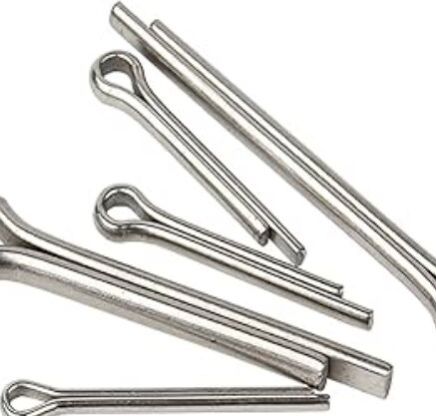
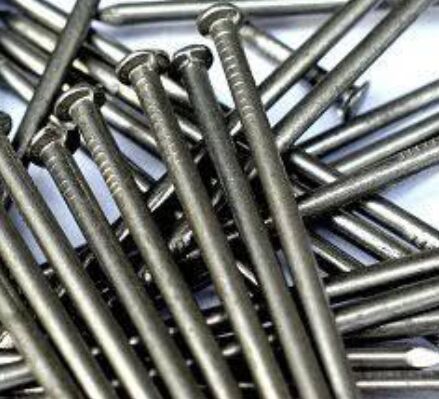
cotter pin, also known as a split pin, is a metal fastener used to secure bolts, nuts, clevis pins, and other components in mechanical applications. Here are the key characteristics and uses of cotter pinsDesign: Cotter pins are typically shaped like a bent wire with one end folded back upon itself to form a head or loop. The other end is split into two legs or prongs.Material: They are commonly made from stainless steel, carbon steel, or other metal alloys to provide strength and durability.Variants: Cotter pins come in various sizes and thicknesses to accommodate different fastening needs, ranging from small cotter pins used in bicycles to larger ones used in heavy machinery.Securing Bolts and Nuts: Cotter pins are inserted through the hole in the bolt or nut after it has been tightened to prevent it from loosening due to vibrations or movement. Mechanical Assemblies: They are used in mechanical assemblies where components need to be securely fastened, such as in automotive, aviation, marine, and industrial equipment. Adjustable Components: Cotter pins are also used to secure adjustable components like clevis pins, ensuring they remain in position. Emergency Repairs: They can be used for temporary fixes or emergency repairs in situations where a more permanent fastener is not available. Safety Critical Applications: In safety critical applications, cotter pins are used to provide a reliable locking mechanism that prevents accidental loosening or disassembly of components. Overall, cotter pins are essential fasteners known for their simplicity, reliability, and versatility in various mechanical and industrial applications, ensuring the integrity and safety of assembled components.
View Complete Details

Grassland Fencing

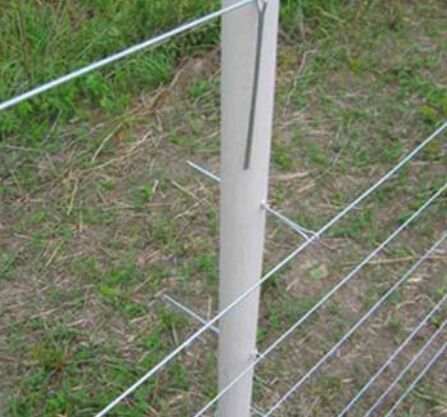
Field fence innovative and firm structure, flat surface, uniform opening and good integration. grassland fence offers good flexibility; good pressure resistance, corrosion resistance and weather resistance properties and can serve for a very long time. It has excellent corrosion resistance and anti-oxidizing property. Unlike the welded wire mesh fences with the welding spots getting easily broken, grassland fence are firm forever once installed and make the best materials for protecting grassland, forestry, highway and environments.Knotted fencing refers to a specific type of fencing that is characterized by its woven mesh construction where the horizontal and vertical wires are knotted together at each intersection. This type of fencing is particularly popular for agricultural and livestock applications due to its durability, strength, and ability to withstand pressure from animals. Here are some key features and uses of knotted fencing:Features:Mesh Structure: The mesh is created by weaving vertical wires (stays) with horizontal wires (line wires), and each intersection is tightly knotted together. This provides robustness and prevents the mesh from unraveling.Durability: Knotted fencing is known for its durability and resistance to impact and pressure, making it suitable for containing livestock and withstanding animal movements.Strength: The knotted intersections enhance the overall strength of the fencing, making it effective for enclosing larger animals like cattle, horses, and deer.Variety: Knotted fencing comes in various heights, mesh sizes (the spacing between wires), and wire gauges (thicknesses), allowing it to be tailored to different livestock management needs. Livestock Fencing: Knotted fencing is widely used for creating pasture enclosures and paddocks for livestock such as cattle, horses, sheep, and goats. It helps to keep animals safely contained within designated areas. Wildlife Fencing: It is used for wildlife management, such as creating
View Complete Details
Tell Us What are you looking for? Will call you back

Contact Us

  • SHAILESH BAHORIYA (SWASTIK ENTERPRISES)

  • Address: Pardeshi, Telipura, 462, Jamnadas Road, behind Empress Mill Road, opposite Monika Apartment, Sindhi Colony, Lodhipura, Nagpur, Maharashtra 44, Ganjipeth - 440018

  • Share us via