
 GST : 33ACGPF5198L1ZB
 Write a Review
Our Products
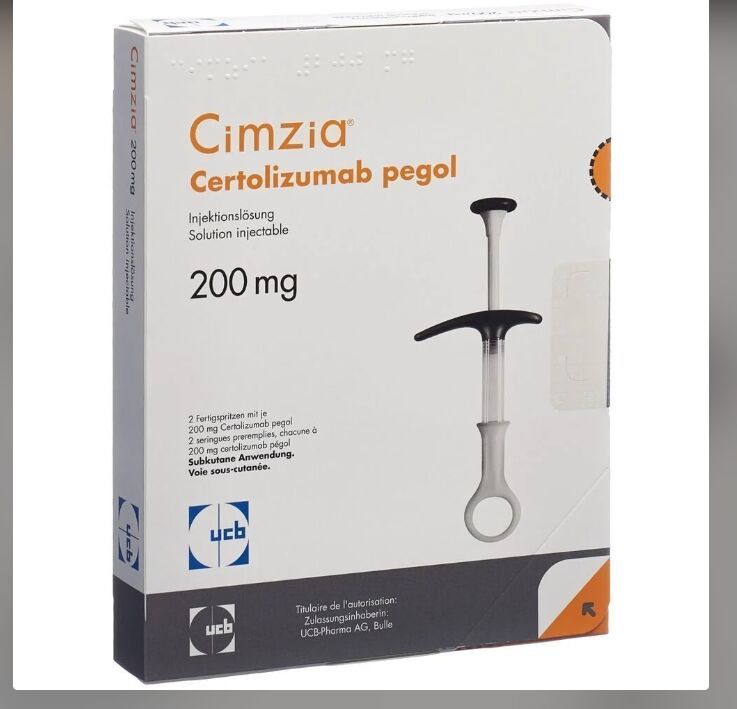
Our product range contains a wide range of Cimzia Certolizumab Injection
Introduction:
Cimzia (certolizumab pegol) is a medication used to treat various autoimmune conditions, primarily inflammatory diseases like rheumatoid arthritis, psoriatic arthritis, ankylosing spondylitis, Crohn's disease, and plaque psoriasis. It is a type of biologic drug known as a tumor necrosis factor (TNF) inhibitor.
Uses:
Rheumatoid Arthritis (RA): Cimzia is approved for the treatment of moderate to severe rheumatoid arthritis, a chronic inflammatory condition that primarily affects the joints. It helps reduce joint pain, swelling, and damage associated with RA.Psoriatic Arthritis: Cimzia is used to treat psoriatic arthritis, which is a form of arthritis that affects some people with psoriasis. It helps alleviate joint pain, stiffness, and inflammation in individuals with this condition.Ankylosing Spondylitis: Ankylosing spondylitis is a type of arthritis that primarily affects the spine and can lead to stiffness and reduced mobility. Cimzia is prescribed to manage the symptoms and inflammation associated with this condition.Crohn's Disease: Cimzia is used for the treatment of Crohn's disease, which is a chronic inflammatory bowel disease that can affect any part of the digestive tract. It helps reduce inflammation and maintain remission in individuals with Crohn's disease.
Side Effects:
Injection-site reactions (pain, redness, swelling, itching) Upper respiratory infections (cold, sinusitis) Headache Nausea Increased risk of infections (bacterial, fungal, viral) Allergic reactions (rash, itching, swelling, difficulty breathing) Hepatitis B reactivation Exacerbation of heart failure symptoms Blood disorders (anemia, leukopenia, thrombocytopenia) Neurological issues (rarely, multiple sclerosis-like symptoms) Dosages to Cimzia Injection
FAQs:
1. What is Cimzia used for?Ans. Cimzia is used to treat autoimmune conditions like rheumatoid arthritis, psoriatic arthritis, ankylosing spondylitis, Crohn's disease, and plaque psoriasis.
2. How is Cimzia administered?Ans. Cimzia is administered as a subcutaneous injection, typically in the thigh or abdomen. Your healthcare provider will guide you on proper injection techniques.
3. How often is Cimzia injected?Ans. The frequency of Cimzia injections varies based on the condition being treated. It can range from every few weeks to once a month. Follow your doctor's prescribed schedule.
4. What are common side effects of Cimzia?Ans. Common side effects include injection-site reactions, upper respiratory infections, headache, and nausea.
Additional Information:
Payment Terms : T/T, Western Union
 Mr. Abdul Muthaliff (Taj Distributors)
 43, Lambert Nagar, 3rd Cross Street, Virugambakkam, Chennai, Tamil Nadu - 600092, India
 https://www.tajdistributors.co.in
 Share us via