My ExportersIndia

For Buyer

For Seller

For Help

Shredder Machine

We offer the best product range of Double Shaft Hazardous Waste Shredder Machine, Rice Paddy Straw Shredder Machine, Industrial Waste Shredder Machine, Empty Fruit Bunch Shredder Machine and Double Shaft Wood Shredder Machine.

Double Shaft Hazardous Waste Shredder Machine

12 Lakh / piece Get Latest Price
  • Application Industrial
  • Material Stainless Steel
  • Shredding Material Hazardous Waste
  • Shredding Capacity 1-500 Kg/hr
  • Brand Name Technocrat
  • Country of Origin India
  • Warranty 1 Year

Shredding is a critical process in the disposal of hazardous waste, playing a key role in ensuring that these materials are managed safely and efficiently. Hazardous waste includes substances that pose significant risks to human health and the environment if not properly handled. These can include chemicals, medical waste, electronic waste, and other toxic materials.

Key Roles of Shredding in Hazardous Waste Disposal:

  • Volume Reduction: Shredding hazardous waste reduces its volume, making it easier to handle, transport, and store. This volume reduction is particularly important for managing large quantities of waste in a controlled and safe manner, minimizing the space required for storage or disposal.
  • Material Destruction: Shredding destroys hazardous materials to a form that is less recognizable and reduces the risk of them being misused or illegally repurposed. This is especially important for items like expired pharmaceuticals, confidential documents, or sensitive electronic components.
  • Facilitation of Treatment Processes: Once shredded, hazardous waste can be more easily subjected to further treatment processes, such as incineration, chemical neutralization, or stabilization. Shredding increases the surface area of the waste, making it more accessible for these treatments and ensuring more complete destruction or neutralization of hazardous components.
  • Enhanced Safety: By breaking down hazardous materials into smaller, more manageable pieces, shredding reduces the risk of exposure to dangerous substances during handling and transportation. It also decreases the likelihood of accidental releases or spills, contributing to safer waste management practices.
  • Regulatory Compliance: Proper shredding of hazardous waste is often a requirement for regulatory compliance. It ensures that hazardous materials are rendered unrecognizable and are disposed of in accordance with legal standards, helping to prevent environmental contamination and human health risks.
  • Waste Minimization and Resource Recovery: Shredding can facilitate the recovery of valuable materials from hazardous waste, such as metals from electronic waste, that can be recycled and reused. This not only minimizes the amount of waste that needs to be disposed of but also supports resource conservation efforts.

In summary, shredding is a vital component in the safe and effective disposal of hazardous waste. It reduces the volume and risks associated with hazardous materials, aids in regulatory compliance, and enhances the overall safety and efficiency of waste disposal operations.

View Complete Details

Rice Paddy Straw Shredder Machine

25 Lakh / Piece Get Latest Price
  • Min. Order (MOQ) 1 Piece
  • Application Agriculture Use
  • Material Stainless Steel
  • Automatic Grade Automatic
  • Brand Name Technocrat
  • Country of Origin India
  • Warranty 1 Year

Rice paddy straw refers to the dry stalks left behind after the grains of rice have been harvested. It is a by-product of rice cultivation and is often found in large quantities in regions where rice farming is prevalent.

Uses of Rice Paddy Straw:

  • Animal Feed: It can be used as fodder for livestock, particularly in areas where other feed options are limited.
  • Mulch and Compost: Rice straw is commonly used as mulch in gardens and fields to retain soil moisture and as a component in compost.
  • Biofuel: With the right processing, rice straw can be used to produce biofuel or biogas.
  • Building Material: In some regions, rice straw is used in the construction of traditional houses, particularly for thatching roofs.
  • Paper Production: The fiber content in rice straw makes it a potential raw material for paper production.
  • Mushroom Cultivation: It can serve as a substrate for growing mushrooms.
  • Environmental Concerns: In many rice-growing regions, burning rice straw is a common practice to clear fields for the next planting season, which can contribute to air pollution.

Each of these uses can contribute to more sustainable agricultural practices by minimizing waste and providing additional value from rice cultivation.
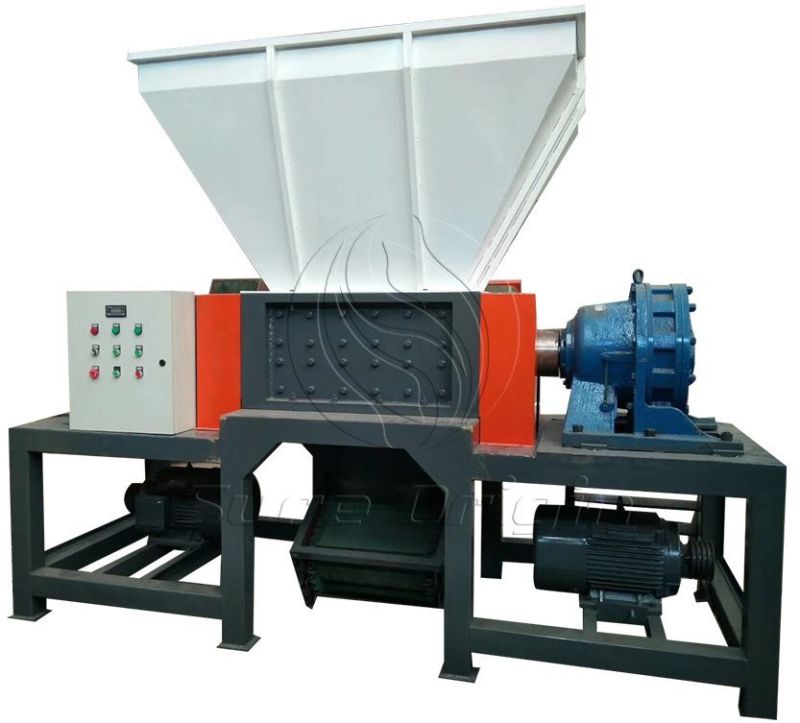
View Complete Details

Industrial Waste Shredder Machine

23.50 Lakh / Piece Get Latest Price
  • Min. Order (MOQ) 1 Piece
  • Brand Name Technocrat
  • Shredding Material Industrial Waste
  • Country of Origin India
  • Voltage 220V
  • Driven Type Electric
  • Certification ISI Certified
  • Warranty 1 Year

Shredding is a critical process in the management of industrial waste, which encompasses a wide range of materials generated by manufacturing, construction, chemical production, and other industrial activities. The diverse nature of industrial waste—ranging from metal scraps and plastics to chemicals and packaging materials—requires efficient and effective processing methods to ensure safe disposal and promote recycling and resource recovery.

Key Roles of Shredding in Industrial Waste Management:

  • Volume Reduction: Shredding reduces the volume of industrial waste, making it more manageable for storage, transportation, and disposal. This is especially important for bulky or dense materials, as it helps in optimizing space and lowering transportation costs, leading to more efficient waste management.
  • Facilitation of Recycling and Resource Recovery: Shredding breaks down industrial waste into smaller, more uniform pieces, facilitating the separation and recovery of valuable materials such as metals, plastics, and rubber. These recovered materials can then be recycled and reintroduced into the production process, contributing to resource conservation and reducing the need for virgin materials.
  • Preparation for Further Treatment: Shredded industrial waste is often easier to process in subsequent treatment stages, such as incineration, chemical treatment, or thermal decomposition. The increased surface area of the shredded material enhances the efficiency of these processes, ensuring more complete treatment and safer disposal.
  • Improvement in Waste Handling and Safety: Shredding enhances the safety of handling industrial waste by reducing the size of sharp, hazardous, or awkwardly shaped materials. This minimizes the risk of injury to workers and reduces the likelihood of accidents during transportation and processing.
  • Support for Energy Recovery: Shredded industrial waste can be used as a feedstock for waste-to-energy facilities, where it is incinerated to produce electricity or heat. The smaller, uniform particles produced by shredding improve combustion efficiency, resulting in higher energy yields and reduced emissions.
  • Compliance with Regulatory Requirements: Shredding is often a necessary step to comply with environmental regulations governing industrial waste disposal. By breaking down waste into unrecognizable forms, shredding helps ensure that sensitive or hazardous materials are managed in accordance with legal standards, preventing environmental contamination and public health risks.
  • Enhanced Landfill Management: When industrial waste is destined for landfill disposal, shredding ensures better compaction and stabilization of the waste. This extends the lifespan of landfills and reduces the environmental impact by minimizing voids and uneven settling, which can lead to operational challenges and increased greenhouse gas emissions.
  • Reduction of Environmental Impact: Shredding industrial waste can significantly reduce its environmental footprint by enabling more efficient recycling, safe disposal, and energy recovery. This helps minimize the negative impacts of industrial activities on the environment and supports the transition towards more sustainable industrial practices.

In summary, shredding plays a vital role in industrial waste management by reducing waste volume, facilitating recycling and resource recovery, improving safety, and supporting compliance with regulatory requirements. It enhances the overall efficiency and sustainability of managing industrial waste, turning potential pollutants into valuable resources.

View Complete Details

Empty Fruit Bunch Shredder Machine

21 Lakh / Piece Get Latest Price
  • Min. Order (MOQ) 1 Piece
  • Application Agriculture Use
  • Material Stainless Steel
  • Shredding Capacity 1-500 Kg/hr
  • Automatic Grade Automatic
  • Brand Name Technocrat
  • Country of Origin India
  • Warranty 1 Year

Shredding plays a crucial role in the management of empty palm bunches (EPBs), a significant byproduct of the palm oil industry. After the extraction of palm oil, the leftover empty fruit bunches (EFBs) are often abundant, and efficient management of this biomass is essential for both environmental sustainability and economic benefits.

Key Roles of Shredding in Empty Palm Bunches Management:

  • Volume Reduction: Shredding reduces the volume of empty palm bunches, making them easier to handle, transport, and store. This is particularly important given the large quantities of EFBs generated during palm oil production, as it helps in optimizing space and reducing transportation costs.
  • Facilitation of Composting: Shredding increases the surface area of the EFBs, which accelerates the decomposition process. This makes the shredded material ideal for composting, leading to the production of nutrient-rich organic fertilizer that can be used to enhance soil fertility in palm plantations or other agricultural applications.
  • Preparation for Biomass Energy Production: Shredded EFBs can be used as a feedstock for biomass energy production. The smaller, uniform pieces are easier to process in biomass boilers, improving the efficiency of combustion and energy generation. This helps in converting waste into a valuable energy resource, reducing reliance on fossil fuels.
  • Mulching Material: Shredded EFBs serve as an excellent mulching material, which can be applied to the base of palm trees or other crops. Mulching with EFBs helps retain soil moisture, suppress weeds, and add organic matter to the soil, promoting healthier plant growth and reducing the need for chemical fertilizers.
  • Reduction of Environmental Impact: Proper management of EFBs through shredding reduces the environmental impact associated with their disposal. Instead of being left to rot or burned, which can contribute to greenhouse gas emissions and environmental pollution, shredded EFBs can be repurposed in environmentally friendly ways.
  • Support for Biochar Production: Shredded EFBs can be used as a raw material for biochar production through pyrolysis. Biochar is a stable form of carbon that can be added to soil to improve fertility, retain nutrients, and sequester carbon, contributing to carbon capture and climate change mitigation efforts.
  • Raw Material for Industrial Applications: The shredded EFBs can also be utilized as a raw material in various industrial applications, such as the production of particleboard, fiberboard, or other composite materials. This creates additional economic value from what would otherwise be considered waste.

In summary, shredding is an essential process in the management of empty palm bunches, enabling the effective utilization of this biomass in various applications, from composting and mulching to energy production and industrial use. It supports sustainable practices within the palm oil industry, turning a waste product into valuable resources while minimizing environmental impacts.

View Complete Details

Double Shaft Wood Shredder Machine

20 Lakh / Piece Get Latest Price
  • Min. Order (MOQ) 1 Piece
  • Application Industrial
  • Brand Name Technocrat
  • Country of Origin India
  • Total Carbohydrate 1 Year
  • Material Stainless Steel
  • Shredding Material Wood
  • Shredding Capacity 1-500 Kg/hr
  • Automatic Grade Automatic

Shredding plays a crucial role in the tyre recycling process, transforming end-of-life tyres into materials that can be repurposed for various applications. Tyres are made of durable materials designed to withstand harsh conditions, which makes them challenging to dispose of or recycle in their whole form. Shredding is the first step in breaking down tyres into smaller, more manageable pieces, facilitating further processing and recycling.

Key Roles of Shredding in Tyre Recycling:

  • Volume Reduction: Shredding significantly reduces the volume of tyres, making storage, handling, and transportation more efficient and cost-effective. This is essential for managing large quantities of discarded tyres.
  • Material Separation: Tyres consist of rubber, steel, and textile components. Shredding helps in separating these materials, allowing for their individual recovery and recycling. Advanced shredding processes can ensure that the rubber is isolated from the steel belts and textile fibers.
  • Preparation for Further Processing: Shredded tyre material can be further processed into smaller particles, such as crumb rubber, which is used in a variety of products including asphalt, playground surfaces, and athletic tracks. Shredded tyres can also be used as a fuel source in industrial processes.
  • Environmental Impact: Shredding tyres reduces the environmental impact associated with tyre disposal. It helps in diverting tyres from landfills, where they can take up significant space and pose fire risks. Instead, the shredded material can be reused, contributing to a circular economy.
  • Economic Value: The process of shredding and recycling tyres creates economic value by generating raw materials for new products. It also supports industries involved in the production of recycled rubber goods and fuels.

In summary, shredding is a vital step in tyre recycling, enabling the transformation of waste tyres into valuable resources while promoting environmental sustainability and economic benefits.
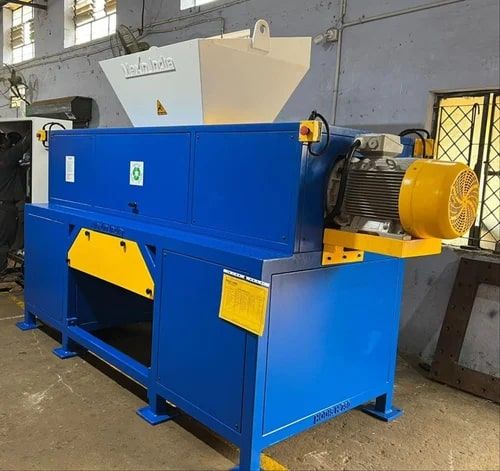
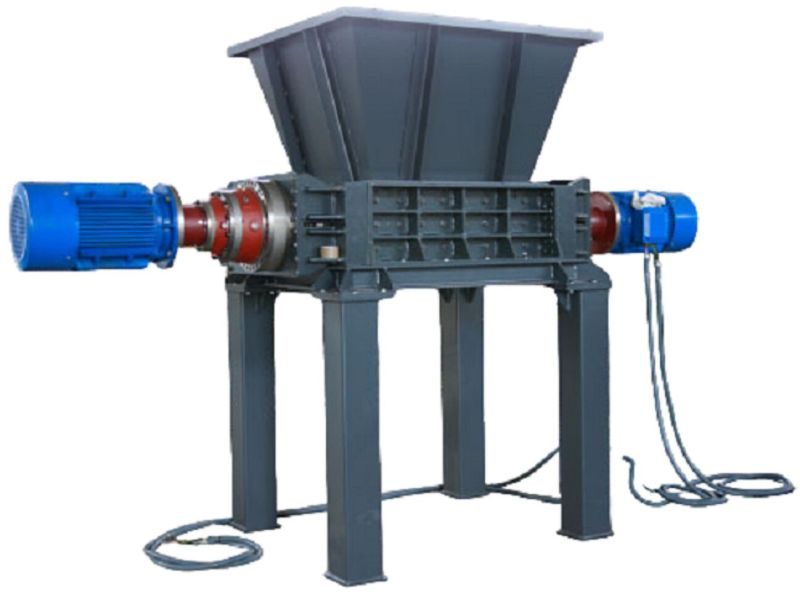
View Complete Details

Double Shaft Electronic Waste Shredder Machine

15 Lakh / Piece Get Latest Price
  • Min. Order (MOQ) 1 Piece
  • Application Industrial
  • Material Stainless Steel
  • Shredding Material Electronic Waste
  • Automatic Grade Automatic
  • Brand Name Technocrat
  • Country of Origin India
  • Warranty 1 Year

Shredding is a fundamental process in the recycling of electronic waste (e-waste), which includes discarded electronic devices like computers, smartphones, televisions, and other electronic appliances. E-waste contains valuable materials that can be recovered, as well as hazardous substances that need to be safely managed. Shredding is the first step in breaking down e-waste into smaller, manageable pieces, facilitating the separation and recovery of valuable components.

Key Roles of Shredding in E-Waste Recycling:

  • Material Liberation and Separation: Shredding e-waste breaks it down into smaller fragments, which allows for the liberation of different materials embedded within the devices, such as metals, plastics, and glass. This makes it easier to separate these materials using various techniques like magnetic separation, eddy currents, and air classification.
  • Recovery of Valuable Materials: E-waste contains precious metals such as gold, silver, copper, and rare earth elements, which can be recovered and recycled. Shredding enables these valuable materials to be efficiently extracted from the bulk e-waste, contributing to resource conservation and reducing the need for mining new raw materials.
  • Safe Handling of Hazardous Components: E-waste often contains hazardous substances like lead, mercury, and cadmium. Shredding helps in safely processing these materials by ensuring they are contained and managed properly, reducing the risk of environmental contamination and exposure to toxic substances.
  • Volume Reduction: Shredding reduces the volume of e-waste, making it easier to store, transport, and process. This is particularly important given the large and growing quantities of e-waste generated globally, helping to manage the space required for recycling facilities and landfills.
  • Preparation for Further Processing: After shredding, the e-waste can be subjected to further processing techniques, such as smelting or chemical extraction, to recover specific materials. Shredding increases the surface area of the materials, enhancing the efficiency of these subsequent processes.
  • Environmental Impact: By facilitating the recycling of e-waste, shredding helps reduce the environmental impact associated with electronic device disposal. It diverts e-waste from landfills, where it can leach hazardous substances into the soil and water, and promotes the reuse of materials, contributing to a more sustainable circular economy.
  • Regulatory Compliance: Shredding e-waste is often a necessary step to comply with regulations that require the secure destruction of data and the proper handling of hazardous components. This ensures that e-waste is processed in a manner that meets legal and environmental standards.

In summary, shredding is an essential part of e-waste recycling, enabling the efficient recovery of valuable materials, safe disposal of hazardous substances, and reducing the overall environmental footprint of discarded electronics.

View Complete Details

Double Shaft Tyre Shredder Machine

10 Lakh / Piece Get Latest Price
  • Application Industries
  • Brand Name Technocrat
  • Country of Origin India
  • Total Carbohydrate 1 Year
  • Material Stainless Steel
  • Automatic Grade Automatic

Shredding is a critical process in the disposal of wood waste, which is generated from various sources such as construction and demolition, furniture manufacturing, landscaping, and forestry activities. Wood shredding transforms bulky wood waste into smaller, manageable pieces, facilitating more efficient disposal, recycling, or repurposing.

Key Roles of Wood Shredding in Disposal:

  • Volume Reduction: Shredding reduces the size and volume of wood waste, making it easier to handle, transport, and store. This is particularly important for bulky wood materials like tree branches, pallets, and construction debris, which can take up significant space if not processed.
  • Preparation for Recycling: Shredded wood can be repurposed and recycled into various products such as mulch, compost, particleboard, and wood pellets. Shredding is the first step in transforming waste wood into valuable materials that can be used in landscaping, agriculture, and energy production.
  • Facilitation of Composting: Shredded wood chips are ideal for composting, as they break down more quickly and evenly compared to larger wood pieces. This accelerates the composting process, resulting in high-quality compost that can be used to enrich soil in gardens and agricultural fields.
  • Reduction of Landfill Use: Shredding wood waste before disposal significantly reduces the amount of space required in landfills. By minimizing the volume of wood waste, shredding helps extend the lifespan of landfills and reduces the environmental impact of waste disposal.
  • Support for Biomass Energy Production: Shredded wood can be used as a biomass fuel for energy production. The smaller, uniform wood chips produced by shredding are easier to burn in biomass boilers, enhancing combustion efficiency and contributing to renewable energy generation.
  • Improvement in Waste Management Efficiency: Shredding wood waste improves the overall efficiency of waste management operations. It allows for better sorting, handling, and processing of wood materials, ensuring that they are disposed of in an environmentally responsible manner.
  • Pest and Disease Control: Shredding wood waste, particularly from diseased or pest-infested trees, helps in reducing the spread of pests and diseases. The shredding process can destroy larvae and eggs, preventing the spread of invasive species and pathogens.
  • Aesthetic and Safety Benefits: Shredding large, unwieldy pieces of wood waste into smaller, manageable chips improves safety and aesthetics, particularly in public areas, construction sites, and waste management facilities. This reduces the risk of accidents and improves the overall appearance of disposal sites.

In summary, wood shredding plays a vital role in the efficient disposal and management of wood waste, contributing to volume reduction, recycling, composting, energy production, and environmental protection. It ensures that wood waste is handled in a sustainable and responsible manner, turning a potential disposal problem into valuable resources.

View Complete Details

Double Shaft AFR Shredder Machine

25 Lakh / Piece Get Latest Price
  • Application Industrial
  • Material Stainless Steel
  • Shredding Capacity 1-500 Kg/hr
  • Automatic Grade Automatic
  • Brand Name Technocrat
  • Country of Origin India
  • Warranty 1 Year

Shredding plays a pivotal role in the utilization of Alternative Fuels and Raw Materials (AFR) in the cement industry. AFR refers to waste-derived fuels and materials that can be used as a substitute for conventional fuels and raw materials in cement production. These can include waste tires, plastics, industrial waste, biomass, and other non-recyclable materials. The use of AFR not only reduces reliance on fossil fuels but also supports waste management and environmental sustainability.

Key Roles of Shredding in AFR Usage in the Cement Industry:

  • Preparation of Waste Materials: Shredding is essential for processing various waste materials into a form that can be efficiently used as AFR in cement kilns. By reducing the size and volume of materials like tires, plastics, and biomass, shredding ensures they can be uniformly fed into the kiln, enhancing combustion efficiency and ensuring consistent kiln operations.
  • Homogenization of Fuel: Shredding helps in homogenizing waste materials, making them more consistent in size and composition. This uniformity is crucial for maintaining stable kiln temperatures and efficient combustion, which are essential for the quality of the clinker produced in cement manufacturing.
  • Enhanced Combustion Efficiency: Shredded AFR materials have a larger surface area relative to their volume, which improves the combustion process in the cement kiln. This leads to more complete burning of the waste materials, maximizing energy recovery and reducing the emission of unburned pollutants.
  • Reduction of Environmental Impact: The use of shredded AFR in cement production reduces the environmental impact of both waste disposal and cement manufacturing. By diverting waste from landfills and reducing the need for fossil fuels, shredding contributes to lower greenhouse gas emissions and a smaller carbon footprint for the cement industry.
  • Economic Benefits: Shredding waste materials for use as AFR can result in significant cost savings for cement producers. The cost of AFR is often lower than that of traditional fossil fuels, and shredding makes these materials easier to transport, handle, and store, further reducing operational costs.
  • Compliance with Regulatory Standards: The use of AFR, especially hazardous or complex waste materials, often requires compliance with strict environmental regulations. Shredding ensures that these materials are properly processed, reducing the risk of environmental contamination and helping cement plants meet regulatory standards.
  • Support for Circular Economy: Shredding waste materials for use as AFR in the cement industry supports the principles of the circular economy by turning waste into a resource. This not only reduces the demand for virgin raw materials and fuels but also promotes the recycling and repurposing of waste, contributing to more sustainable industrial practices.
  • Flexibility in Fuel Mix: Shredding allows cement plants to use a wider variety of waste materials as AFR, providing greater flexibility in the fuel mix. This adaptability is crucial for optimizing fuel costs, managing supply chain risks, and responding to changing market conditions.

In summary, shredding is a key process in the effective use of AFR in the cement industry, enabling the efficient and environmentally responsible conversion of waste materials into valuable energy and raw material inputs for cement production. This supports both economic and environmental goals, making cement manufacturing more sustainable.
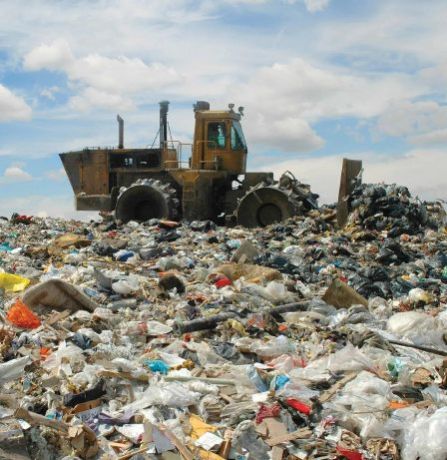
View Complete Details

Municipal Solid Waste Shredder Machine

25 Lakh / Piece Get Latest Price
  • Min. Order (MOQ) 1 Piece
  • Usage/Application Solid Waste Management
  • Brand Name Technocrat
  • Country of Origin India
  • Material Stainless Steel
  • Shredding Capacity 1-500 Kg/hr
  • Automatic Grade Automatic

Shredding is a critical process in the management of municipal solid waste (MSW), which encompasses everyday waste materials generated by households, businesses, and institutions. The diverse nature of MSW, including organic matter, plastics, paper, metals, and glass, makes it necessary to implement efficient methods for processing and disposal. Shredding plays a pivotal role in enhancing the efficiency, safety, and sustainability of MSW management.

Key Roles of Shredding in Municipal Solid Waste Management:

  • Volume Reduction: Shredding reduces the volume of waste, making it easier to handle, transport, and store. This is especially important in urban areas where waste generation is high, and landfill space is limited. Reduced volume also leads to lower transportation costs and more efficient use of landfill space.
  • Facilitation of Waste Separation: Shredding breaks down waste into smaller, more uniform pieces, which facilitates the separation of different materials for recycling. For example, metals, plastics, and organic waste can be more easily sorted and processed after shredding, improving the overall efficiency of recycling operations.
  • Preparation for Incineration and Energy Recovery: Shredded waste has a higher surface area, which enhances the combustion process in waste-to-energy plants. This leads to more efficient energy recovery and reduced emissions during incineration, contributing to more sustainable waste management practices.
  • Composting and Organic Waste Management: For organic components of MSW, such as food scraps and yard waste, shredding accelerates the composting process by increasing the surface area of the material, facilitating faster decomposition. This results in higher-quality compost and reduces the volume of organic waste sent to landfills.
  • Improvement in Landfill Operations: Shredded waste is more compact and uniform, which improves the operational efficiency of landfills. It allows for better compaction, reducing the need for frequent cover materials and extending the lifespan of landfills. Additionally, shredded waste is less prone to generating large voids or uneven settling, which can cause operational challenges.
  • Reduction of Pest and Odor Problems: Shredding can help mitigate issues related to pests and odors in waste management facilities. By breaking down waste into smaller pieces, it reduces the risk of pest infestation and speeds up the degradation of organic material, which can help control odors.
  • Support for Waste Treatment Processes: Shredding prepares MSW for various treatment processes, such as mechanical biological treatment (MBT) and anaerobic digestion, by homogenizing the waste material. This leads to more consistent and efficient processing, whether the goal is material recovery, energy production, or the stabilization of waste before disposal.

In summary, shredding is a vital component of municipal solid waste management, contributing to the reduction of waste volume, facilitating recycling and composting, improving energy recovery, and enhancing landfill operations. It plays a significant role in promoting sustainable waste management practices and optimizing the overall efficiency of waste handling systems.

View Complete Details

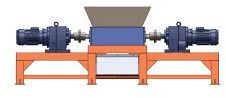
Automatic Plastic Shredder Machine

15 Lakh / Piece Get Latest Price
  • Min. Order (MOQ) 1 Piece
  • Application Industrial
  • Brand Name Technocrat
  • Country of Origin India
  • Driven Type Electric
  • Certification ISI Certified
  • Country of Origin 220V
  • Total Carbohydrate 1 Year

Shredding is a fundamental process in plastic recycling, playing a crucial role in converting plastic waste into reusable materials. Plastic waste, which can come from various sources like packaging, household items, automotive parts, and industrial products, needs to be properly processed to be recycled effectively. Shredding is the first critical step in this process.

Key Roles of Shredding in Plastic Recycling:

  • Volume Reduction: Shredding significantly reduces the size and volume of plastic waste, making it easier to handle, transport, and store. This is particularly important for large and bulky plastic items, such as containers, pipes, and automotive parts, which can be challenging to manage without size reduction.
  • Preparation for Further Processing: Shredding breaks down plastic waste into smaller, more uniform pieces, which are easier to process in subsequent recycling stages. These stages include washing, sorting, and melting, where smaller pieces enhance efficiency and reduce the energy required for processing.
  • Facilitation of Sorting: Shredded plastic is easier to sort by type, color, and quality. Sorting is essential because different types of plastics have different melting points and properties, and they must be separated to ensure high-quality recycled products. Automated sorting systems often rely on the uniform size of shredded plastic pieces for effective separation.
  • Improvement in Melting and Reprocessing: Shredded plastic has a larger surface area, which makes it easier to melt during the reprocessing stage. This uniformity in size and shape ensures consistent melting, reducing the risk of contamination and improving the quality of the recycled plastic.
  • Reduction of Contaminants: Shredding plastic waste helps in exposing contaminants such as labels, adhesives, and residues. Once shredded, these contaminants can be more easily removed through washing and other cleaning processes, ensuring that the final recycled material is of higher purity.
  • Support for Manufacturing New Products: Shredded plastic serves as feedstock for producing new plastic products. The recycled plastic can be re-molded into a variety of products, from new containers and packaging to textiles and construction materials, contributing to a circular economy.
  • Cost-Effective Recycling: Shredding plastic waste reduces transportation and processing costs. By decreasing the volume of waste and making it easier to process, shredding lowers the overall cost of recycling, making the process more economically viable.
  • Reduction of Environmental Impact: Effective shredding and recycling of plastic waste reduce the need for virgin plastic production, which in turn conserves natural resources and reduces energy consumption. Additionally, recycling plastic waste helps mitigate pollution and the environmental damage caused by plastic waste in landfills and oceans.

In summary, shredding is a crucial process in plastic recycling, enabling efficient size reduction, sorting, and processing of plastic waste. By breaking down plastics into manageable pieces, shredding facilitates recycling, helps reduce environmental impact, and supports the creation of new, sustainable plastic products.
View Complete Details

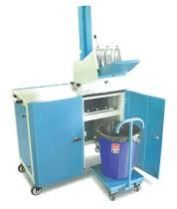
Double Shaft Animal Bone Skin Shredder Machine

11 Lakh / Piece Get Latest Price
  • Min. Order (MOQ) 1 Piece
  • Application Industrial
  • Material Stainless Steel
  • Shredding Material Animal Bones & Skin
  • Shredding Capacity 1-500 Kg/hr
  • Automatic Grade Automatic
  • Brand Name Technocrat
  • Country of Origin India
  • Warranty 1 Year

Shredding animal bones is a crucial step in the production of gelatin, a versatile ingredient used in food, pharmaceuticals, and various industrial applications. Gelatin is derived from the collagen found in animal bones, skins, and connective tissues. The process of making gelatin requires breaking down these raw materials to extract the collagen, and shredding plays a significant role in this initial stage.

Key Roles of Animal Bones Shredding in Gelatin Production:

  • Size Reduction: Shredding reduces large animal bones into smaller, uniform pieces. This size reduction is essential for ensuring that the bones are more easily processed in subsequent stages, such as boiling and chemical treatment, which are necessary for extracting collagen.
  • Increased Surface Area: Shredding the bones increases their surface area, which facilitates more efficient extraction of collagen. The greater surface area allows for better penetration of water, acids, or enzymes used in the extraction process, leading to higher yields of gelatin.
  • Facilitation of Pre-treatment Processes: Before collagen can be extracted, bones often undergo pre-treatment processes such as degreasing and demineralization. Shredded bones are more accessible to these treatments, allowing for a more thorough removal of fats, minerals, and other impurities that could affect the quality of the gelatin.
  • Enhanced Efficiency of Collagen Extraction: During the gelatin production process, the shredded bones are subjected to prolonged boiling or hydrolysis to extract collagen. The smaller and more uniform pieces produced by shredding allow for more consistent and efficient extraction, resulting in a purer and higher-quality gelatin product.
  • Reduction of Processing Time: By shredding bones before processing, the overall time required for gelatin production can be reduced. The smaller bone fragments cook more quickly and evenly, which speeds up the gelatin extraction process and improves production efficiency.
  • Waste Minimization: Shredding helps in minimizing waste by ensuring that nearly all parts of the bones are utilized for gelatin extraction. This contributes to more sustainable production practices, as it maximizes the use of animal by-products that might otherwise be discarded.
  • Improvement in Gelatin Quality: Properly shredded bones contribute to a more controlled and uniform extraction process, which can improve the clarity, strength, and overall quality of the gelatin produced. High-quality gelatin is essential for its various applications, including food products, pharmaceuticals, and photographic films.
  • Ease of Handling and Transport: Shredded bones are easier to handle, transport, and store compared to whole bones. This logistical advantage is important for gelatin manufacturers who need to manage large volumes of raw materials efficiently.

In summary, shredding animal bones is a critical step in gelatin production, facilitating efficient collagen extraction, improving product quality, and enhancing overall production efficiency. This process ensures that animal by-products are effectively utilized, supporting sustainable and resource-efficient practices in the food and pharmaceutical industries.
View Complete Details

Biomedical Waste Shredder Machine

7.50 Lakh / Piece Get Latest Price
  • Min. Order (MOQ) 1 Piece
  • Application Biomedical Waste Management
  • Material Stainless Steel
  • Shredding Capacity 1-500 Kg/hr
  • Automatic Grade Automatic
  • Brand Name Technocrat
  • Country of Origin India

A Biomedical Waste Shredder is a machine designed specifically to shred and dispose of biomedical waste in a safe and efficient manner. This type of waste includes items like syringes, scalpels, bandages, tissues, and other medical waste that could potentially be infectious or hazardous. Proper shredding of biomedical waste ensures that it is rendered unrecognizable and safe for further disposal or treatment, reducing the risk of contamination or injury.

Key Features:

  • High-Quality Blades: Made from durable materials like wear resistant steels, designed to shred tough materials efficiently.
  • Safety Mechanisms: Includes features like automatic shut-off in case of jams or if the shredder door is opened during operation.
  • Capacity: Varies in size, with models capable of handling different volumes of waste depending on the needs of the facility.
  • Compliance: Adheres to environmental and health regulations for the disposal of biomedical waste.
  • Automation: Technocrat shredders are automated, requiring minimal human intervention after loading.

Applications:

  • Hospitals: For shredding used medical equipment and disposables.
  • LaboratoriesTo safely dispose of contaminated materials.
  • Pharmaceutical CompaniesFor shredding expired or recalled medicines.
  • Waste Management FacilitiesAs part of the process for handling and disposing of hazardous medical waste.

Biomedical waste shredders are a crucial part of the waste management process in medical and research facilities, ensuring that potentially dangerous waste is dealt with in a safe and environmentally responsible way.

View Complete Details
Tell Us What are you looking for? Will call you back

Contact Us