Write a Review
Our Products
Our product range contains a wide range of Ragi Flour and Rye Flour
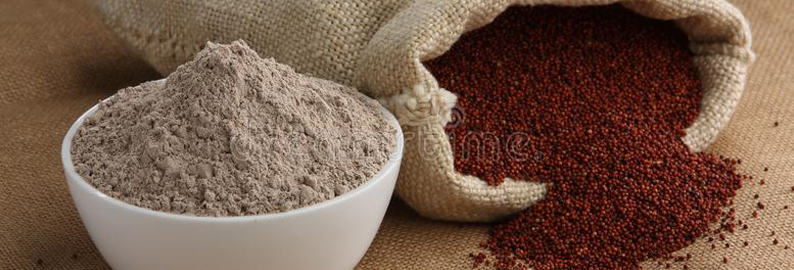
Nutritional value:
Retail packing available: 500gm Bulk packing available: 25kg/ 50kg Features
Export Destinations Australia, Canada, Malaysia, Oman, Qatar, Saudi Arabia, Singapore, South Africa, United Kingdom, United States
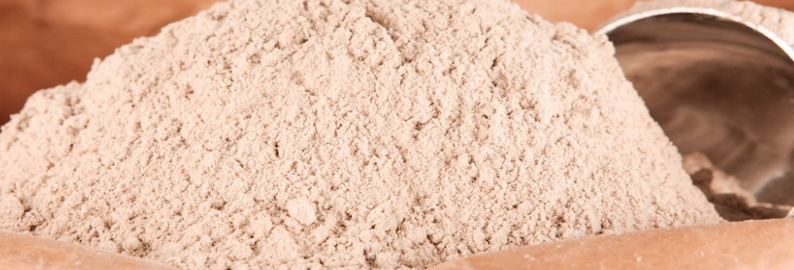
Rye is a rich, hearty grain that has been consumed for centuries. Although you might find wheat and other cereals more readily available at your market, it's worth taking a chance on this cereal grain. Rye bread and rye flour nutrition differs from wheat, barley and oat and often packs more of a punch, especially if you opt for the dark variety, which holds more potent health benefits. The rye seed, or rye berries as they're called when harvested and sold in full form, are also healthy and useful in cooking. Rye is one of the three gluten grains along with wheat and barley. It contains a protein called secalins, which is a form of gluten. However, rye flour, when used in baking, contains much less gluten than wheat and barley. The type of gluten in rye, unlike the gluten in wheat, is much less elastic and also poorer at trapping bubbles during the baking process, so the rye produces a much less airy bread. It also holds more free sugars, which means that rye ferments faster as well. Rye flour tends to be more nutritious than wheat or barley because of the whole nature it comes in, with endosperm, which is in the outer hull of the rye berry or kernel. The endosperm holds potent starches as well as fiber and nutrients. It's much harder to separate and remove the germ and the bran from the endosperm during the milling, therefore carrying with it more vitamins and nutrients into the end product of rye flour. Features
Export Destinations Australia, Canada, Malaysia, Oman, Qatar, Saudi Arabia, Singapore, South Africa, United Kingdom, United States
 Traditional Life (Traditional Life)
 Traditional Life
2, Devaraj Nagar, Thiruparkadal Road,
Kaveripakkam
632508, Vellore, Tamil Nadu, India
Traditional Life
2, Devaraj Nagar, Thiruparkadal Road,
Kaveripakkam
632508, Vellore, Tamil Nadu, India Share us via