 GST : 37FLKPP6997K1ZU
 4.0/5
4.0/5
Our Products
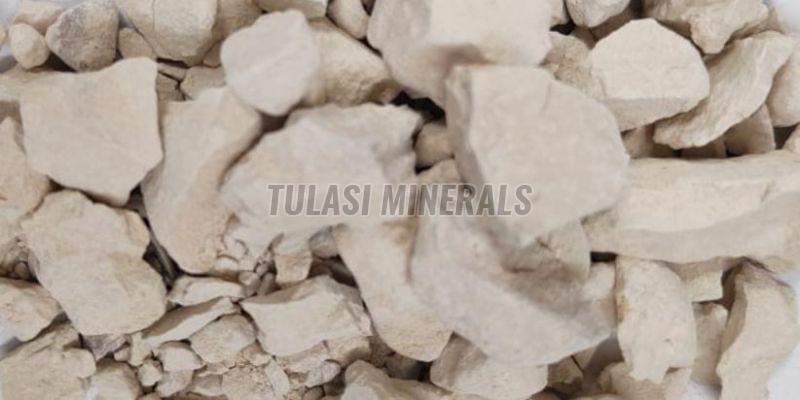
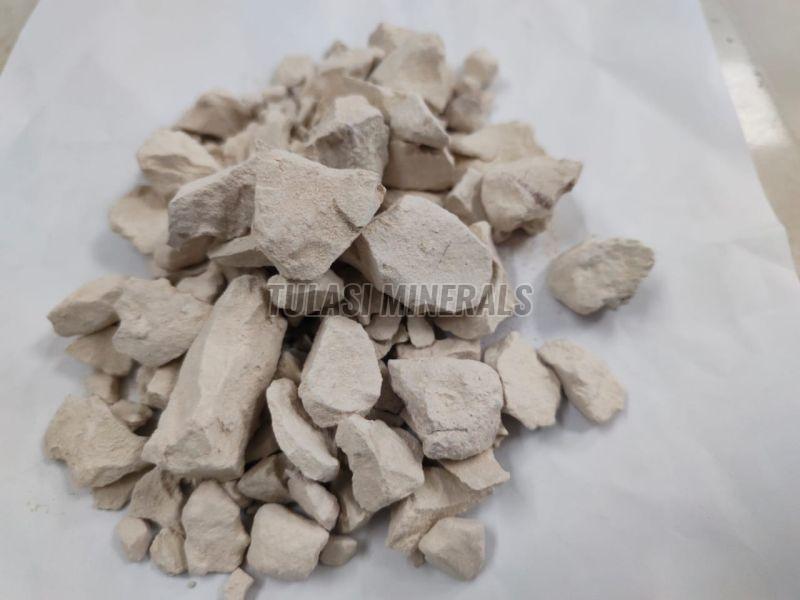
We are leaders in the market for providing best range of Bentonite Lumps, Calcite Lumps, Ball Clay Lumps and China Clay Lumps
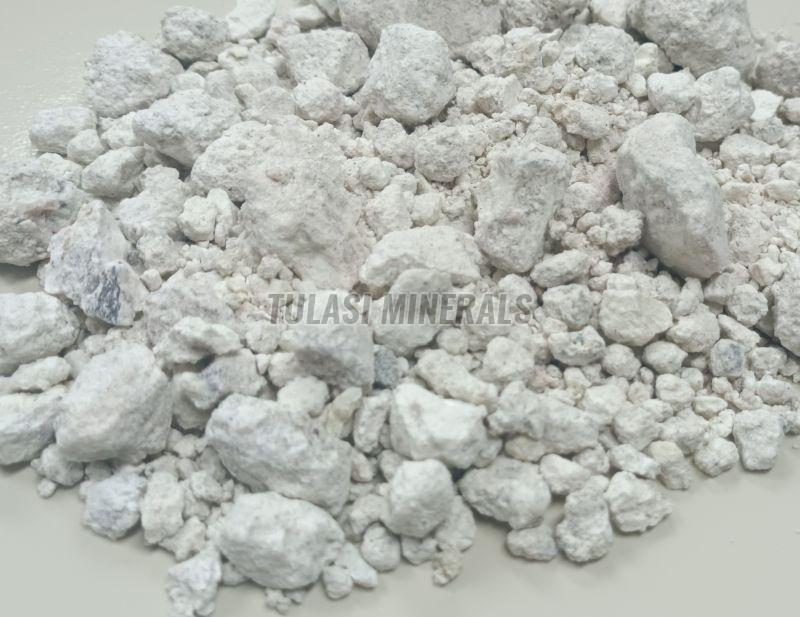
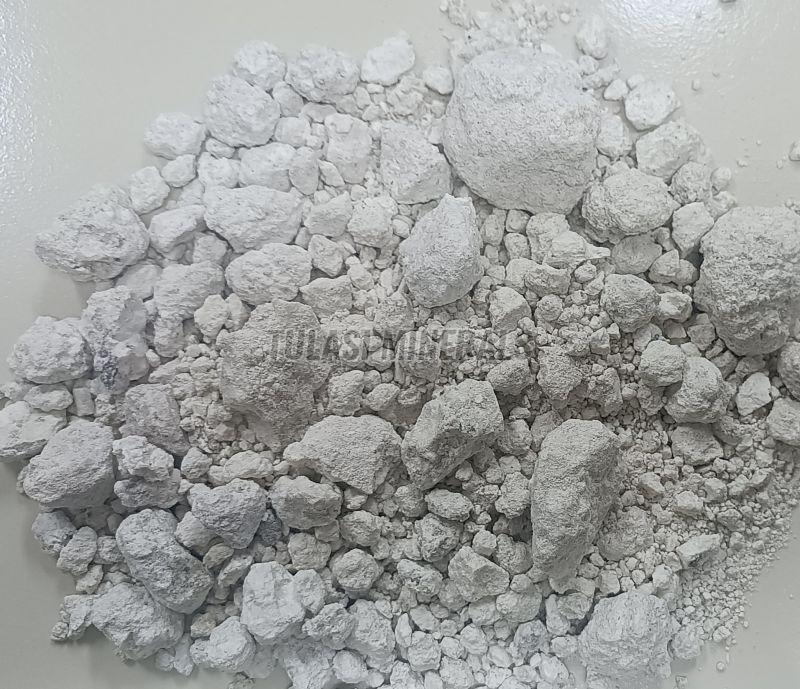
Bentonite is an absorbent swelling clay consisting mostly of montmorillonite which can either be Na-montmorillonite or Ca-montmorillonite. Na-montmorillonite has a considerably greater swelling capacity than Ca-montmorillonite.
Bentonite usually forms from the weathering of volcanic ash in seawater, or by hydrothermal circulation through the porosity of volcanic ash beds, which converts the volcanic glass present in the ash into clay minerals.
Plasticity is the property of bentonite clay that allows it to be manipulated and retain its shape without cracking after the shaping force has been removed; clays with low plasticity are known as short or non-plastic. A small amount of bentonite added to clay can increase its plasticity, and hence ease forming of articles by some shaping techniques.
Ceramic glazes often contain bentonite. The bentonite is added to slow or prevent the settling of the glazes. It can also improve the consistency of application of glazes on porous biscuit-fired ware. Once a certain amount of glaze water has been absorbed by the biscuit the bentonite effectively clogs the pores and resists the absorption of further water resulting in a more evenly thick coat.

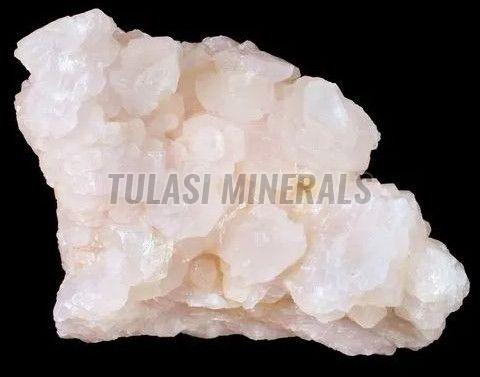
Ball clay and china clay differ only in the degree of plasticity. China clay is less plastic than ball clay. Ball clay is a highly plastic variety of kaolin having high binding power, tensile strength and shrinkage. Ball clays are fine grained, highly plastic sedimentary clays, which fire to a light cream or near white colour. ball clays exhibit highly variable compositions and consist of a mixture, primarily of kaolinite, mica and quartz, with each contributing different properties to the clay. Ball clays are mainly used in the manufacture of ceramic white ware and are valued for their key properties of plasticity, unfired strength and their light fired colour.
Ball clays would be ideal ceramic materials. However, in practical terms, they are employed to achieve the desired plasticity but minimized to reduce the detrimental effect on fired whiteness and drying properties. Ball clay is a binding agent and helps to enhance the plasticity, workability, and strength of a pre-fired ceramic body. Some are highly effective for their fluid and casting properties, particularly in the manufacture of sanitaryware. Ball clays are used in ceramic bodies because of their plastic nature combined with high firing temperature. Ball clays have very high dry and green strength and slow drying.
We have large variety of ball clay having different plasticity indexes, firing colour, dry strength and fired strength.
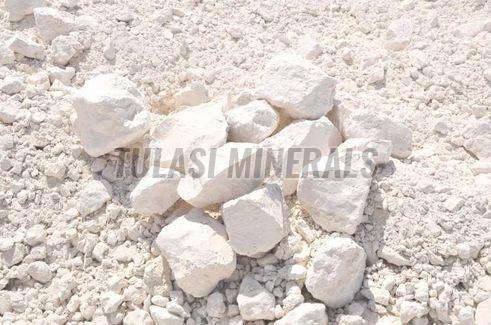
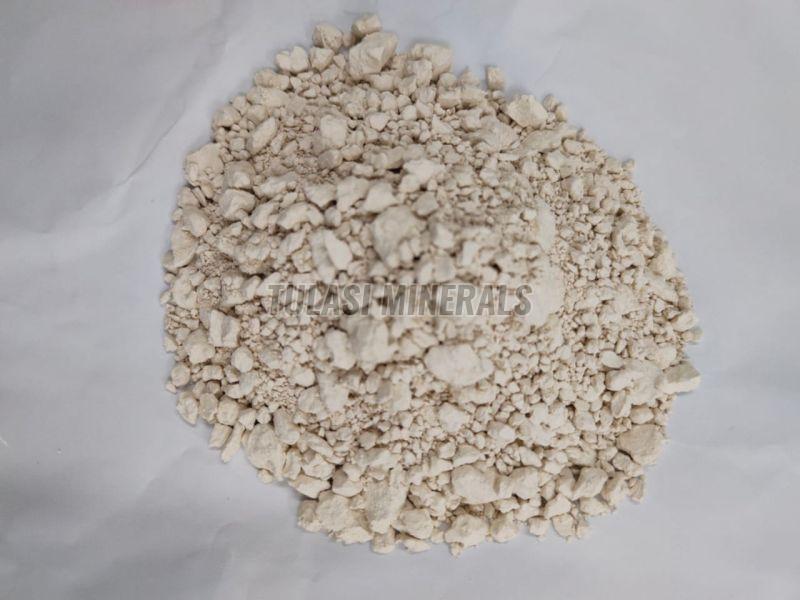
China Clay is also known as kaolin & white clay. Primary clay formed by natural kaolinisation process. It is formed by the decomposition of some part of feldspar mineral. White in colour, Used in the ceramic slip casting process, pressing processes and forming process as a body former and filler. Chemical formula of china clay is Al2O3 2SiO2 2H2O
Processing of China Clay:Processing of china clay difference from place to place but the essential step are the same. i)Excavating china clay. ii) Sieving process. iii) Settling process. iv) Filter press process. v) Drying process. vi) Packing and Transporting
Properties of China Clay:China clay is Primary clay and generally found in white colour.
Uses of China Clay:China clay used in all Kind of ceramic product production and other products for its properties. Following are the primary uses of the china clay,
 Mr. Ummadisetti Srinivasa Rao (Tulasi Minerals)
 First Floor Building No. 11-41 Shop No A-2 Durgi Sub Post, Guntur, Andhra Pradesh - 522612
 https://www.tulasiminerals.com
 Share us via