My ExportersIndia

For Buyer

For Seller

For Help

Our Products

  1. LED Lights 6 Products available
  2. Inverters 6 Products available
  3. Solar Lightings 5 Products available
  4. Lanterns 5 Products available
  5. Food Processing Machines & Plants 5 Products available
  6. Solar Traffic Light 4 Products available
  7. Road Safety Products 4 Products available
  8. Cooking Utensil 4 Products available
  9. Solar Charge Controller 4 Products available
  10. Air Coolers 3 Products available
  11. Industrial Blowers, Coolers & Fans 3 Products available
  12. Solar Water Heater 2 Products available
  13. Wood Fuel 2 Products available
  14. Solar Power Plants 2 Products available
  15. Solar Panel 2 Products available
  16. Signs 1 Products available
  17. Dough Mixers 1 Products available
  18. Others Products 5 Products available

Solar Charge Controller

Our product range contains a wide range of MPPT Solar Charge Controller and PWM Solar Charge Controller

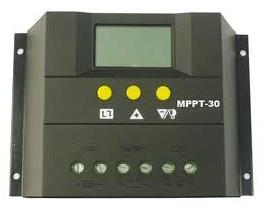
MPPT Solar Charge Controller

The most recent and highly reliable type of Solar Charge Controller is called Maximum Power Point Tracking or MPPT Solar Charge Controller. These MPPT Solar Charge Controllers are basically able to convert excess voltage into amperage. This, resultantly, has advantages in a couple of different areas. Most Solar Power Systems use 12 Volt Batteries, the same found in cars (some use other voltages and the same advantages apply to these systems as well). Solar Panels can deliver far more Voltage than is required to charge the batteries, in essence, converting the excess voltage into amps. The MPPT Solar Charge Controller can be kept at an optimal level while the time required to fully charge the batteries is reduced. This allows the solar power system to operate optimally at all times. Another area that is enhanced by an MPPT Solar Charge Controller is power loss. Lower Voltage in the Wires running from the Solar Panels to the Charge Controller results in higher energy loss in the wires than holding higher voltage. With a PWM Charge Controller used with 12v batteries, the voltage from the solar panel to the Charge Controller typically has to be 18v. Using an MPPT Solar Charge Controller allows higher voltages in the wires from the panels to the solar charge controller. The MPPT Solar Charge Controller converts the excess voltage into additional amps. By Running Higher Voltage in the Wires from the Solar Panels to the Charge Controller, Power Loss in the Wires is reduced significantly. Although. MPPT Charge Controllers are expensive than the traditional PWM Charge Controllers, but their advantages are worth the cost. Advantages :
  • By the way of its design, this device will extract solar energy and tap the same to almost 95-100% level on excellent sunlight
  • but the normal solar charger controller (zero drop) working on the old concept PWM (pulse width modulation) is not efficient like MPPT.
  • With PWM Charge Controller Place inside Solar Inverter, the Poi For PV Panel is much less and stretched over a long period; for example, If Place A 75w Solar Panel On Sunlight, with MPPT 72 To 74w Solar Power per hour could be tapped, but with zero drop PWM Solar Charge Controller Capable Of Tapping 55w of solar energy per hour; this can be proved by measuring solar current from PV panel using clamp meter and compare with I Max (Current Maximum) from the PV panel manufactures chart, making MPPT is expensive and that is why the price of the same is high when compared to PWM
View Complete Details

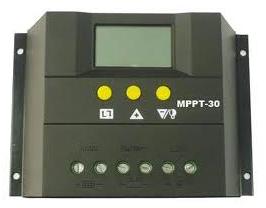
MPPT Solar Charge Controller

The most recent and highly reliable type of Solar Charge Controller is called Maximum Power Point Tracking or MPPT Solar Charge Controller. These MPPT Solar Charge Controllers are basically able to convert excess voltage into amperage. This, resultantly, has advantages in a couple of different areas. Most Solar Power Systems use 12 Volt Batteries, the same found in cars (some use other voltages and the same advantages apply to these systems as well). Solar Panels can deliver far more Voltage than is required to charge the batteries, in essence, converting the excess voltage into amps. The MPPT Solar Charge Controller can be kept at an optimal level while the time required to fully charge the batteries is reduced. This allows the solar power system to operate optimally at all times. Another area that is enhanced by an MPPT Solar Charge Controller is power loss. Lower Voltage in the Wires running from the Solar Panels to the Charge Controller results in higher energy loss in the wires than holding higher voltage. With a PWM Charge Controller used with 12v batteries, the voltage from the solar panel to the Charge Controller typically has to be 18v. Using an MPPT Solar Charge Controller allows higher voltages in the wires from the panels to the solar charge controller. The MPPT Solar Charge Controller converts the excess voltage into additional amps. By Running Higher Voltage in the Wires from the Solar Panels to the Charge Controller, Power Loss in the Wires is reduced significantly. Although. MPPT Charge Controllers are expensive than the traditional PWM Charge Controllers, but their advantages are worth the cost. Advantages :
  • By the way of its design, this device will extract solar energy and tap the same to almost 95-100% level on excellent sunlight
  • But the normal solar charger controller (zero drop) working on the old concept PWM (pulse width modulation) is not efficient like MPPT.
  • With PWM Charge Controller Place inside Solar Inverter, the Poi For PV Panel is much less and stretched over a long period; for example, If Place A 75w Solar Panel On Sunlight, with MPPT 72 To 74w Solar Power per hour could be tapped, but with zero drop PWM Solar Charge Controller Capable Of Tapping 55w of solar energy per hour; this can be proved by measuring solar current from PV panel using clamp meter and compare with I Max (Current Maximum) from the PV panel manufactures chart, making MPPT is expensive and that is why the price of the same is high when compared to PWM
View Complete Details
Tell Us What are you looking for? Will call you back

Contact Us