
 GST : 05AAAFU3205H1ZN
 4.0/5
4.0/5
Our Products
Our offered Product range includes Azotobacter Bacteria, Micronutrient Foliar Spray, Potassium Mobilizer, Rhizobium Bacteria and Spread Sticker Activator.
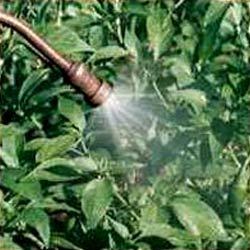
Micronutrients are essential elements that are used for growth and regulation of plant’s vital physiological activities. Though these are required in trace amounts, they are as important as macronutrients. Soil deficient in micronutrients affects plant growth and yield. To replenish micronutrients requirement at crop level, crops are applied with micronutrients according to nutrient deficiency and specific requirement. The deficiency in micronutrients content results in stunted growth, withering of buds, yellowing of leaves, etc. Cereals, fruits, and vegetable crops are the major consumers of agriculture micronutrient.
Its application in spray from induces healthy plant growth, which ultimately contributes to yield. It provides essential plant nutrients such as Zinc, Iron, Manganese, Copper in partially chelated form & Boron & Molybdenum in predetermined proportions. The product has undergone much improvement, as today’s requirements and further fortified to give better results.
Advantages:
Increase the yield and quality of the crop.
Enhance the flowering and reduces the flower drop.
Helps in formation of chlorophyll, thus results in higher photosynthesis.
Promotes the development of healthy primary roots and their subsequent branches.
Increase the resistance power of the plant by strengthening the immune system.
Increase the flower formation, fruit set, seed set and rate of maturity which result in higher yield.
Compatible to be used along with other fertilizer & pesticides
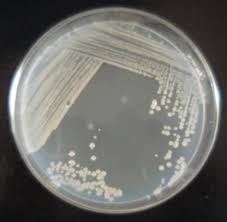
The active ingredient in this fertilizer is rhizobium bacteria. Rhizobium requires a plant host as they cannot independently fix nitrogen. Nitrogen is a primary nutrient for all green plants, but it must be modified before it can be readily utilized by most living systems. Nitrogen fixation is a complex process, which is carried out by nitrogen fixing bacteria present in the soil.
Rhizobium fixes atmospheric nitrogen only in the root nodules of legumes. These bacterial cells multiply and colonize inside the plant roots. Then they become dormant cells called bacteroid. These bacteroids are capable of N2 fixation. The bacteria obtain their nutrients and source of energy from the plant and in turn fix atmospheric nitrogen and make it available to the plant.
BENEFITS
Crops grow with vigour and remain free of diseases
Natural rich and consolidated source of nitrogen, phosphorus and other essential nutrients to the plants
Acts as stress reliever for plants of all types
Helps in growth of white roots
Extremely effective in enhancing overall productivity of the soil
Fixes atmospheric nitrogen which is renewable source of energy
Nitrogen fixed is immediately available to the plants
Stimulates growth and produces green color characteristics of a healthy plant
Increases protein percentage
Increases yield from 10%-20%
Improves the quality of produce and thus fetches good price.
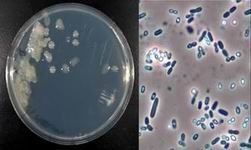
The active ingredient in this biofertilizer is azotobacter bacteria. They are aerobic, free-living soil bacteria which play a significant role in the nitrogen cycle in nature.
Owing to its ability to fix molecular nitrogen, the Azotobacter Biofertilizer increases the soil fertility and stimulates plant growth. The members of this genus can produce antifungal compounds against several plant pathogens. It also increases germination and vigour in young plants leading to an improved crop stand. It is also reported to control the nematode parasites of crop plants.
Azotobacter cultures are useful for the cereals and cash crops viz. Wheat, Paddy, Bajra, Jowar, Maize, Mustard, Cotton, Cumin, Banana, Sugarcane, Castor, Vegetables etc., as well as horticultural crops.
Benefits:
It produces vitamins, indol acetic acid, gibberellins and cytokines and these are deposited in soil.
It improves seed germination and plant growth.
It can benefits crops by nitrogen by fixation, growth promoting substances.
It partially solubilizes tricalcium phosphates and thus increases up take phosphorous in plant.
It increases the activity of other beneficial root zone decomposers to improve the efficacy of applied nitrogen fertilizer.
It application minimizes chemical fertilizer doses up to 20%.
It may increase 15% to 25 % crop yield.
It fixes atmospheric nitrogen into nitrates. Which make the soil more fertile

Potassium is an essential element for plants. Potassium plays a vital role in the formation of amino acids and proteins from ammonium ions, which are absorbed by roots, from the soil. It is also responsible for the transfer of carbohydrates, proteins, etc. from the level to the roots. It also plays a vital role in the uptakes of other elements particularly nitrogen, phosphorus and calcium, potassium regulates the permeability of the cellular membrane.
Soil contains soil colloids, clays and minerals, which fixate the applied Potash Fertiliser into insoluble forms of Potash. Thus, plants can utilise only about 30% of the applied Potash. The fixation of Potash is a chemical reaction, involving:
Many micro-organisms play a significant role in nutrient uptake for plants. They are capable of mobilizing Potash to plants in all types of soil especially, low Potassium soils. Use of such bacteria is shown to increase the availability of potash in a useable form for the plants to absorb/ uptake.
When it is mixed with or applied to the soil, it gets activated and starts multiplying. As these cells grow and multiply, they mobilise the available potash in the soil and make the same available to the root zone/ plant system, by cleaving the bonds between the Potassium and Silica molecules in the clay and soil colloids, which immobilise the applied Potassium Fertiliser.
Benefits:
 Mr. Rishabh Rawal (Universal Industries)
 B-8 Industrial Estate Bazpur Road, Rampuram Colony, Kashipur, Uttarakhand
 Share us via