Write a Review
Our Products
We are leaders in the market for providing best range of NIRMALI SEED, Bantulsa Seed, Cassia Tora Seeds, Sal Seeds and Ramtil
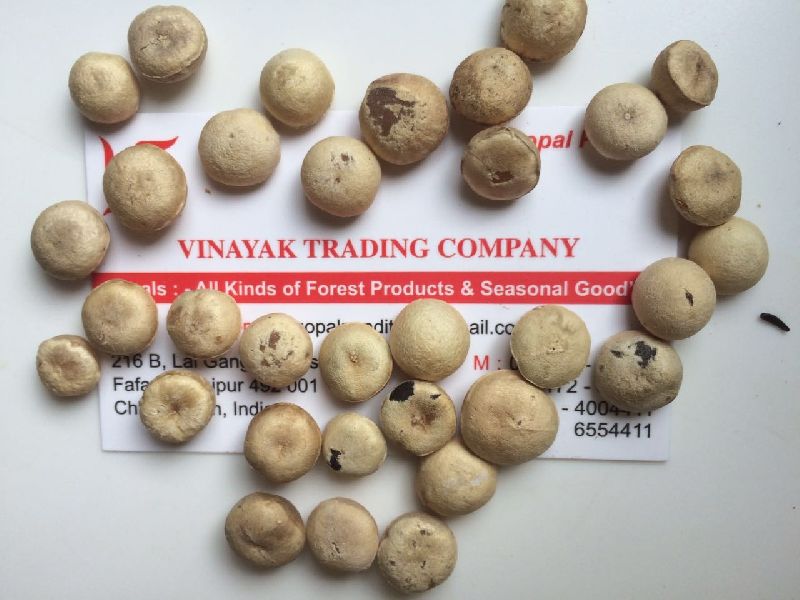
In traditional system of medicine, the seeds of Strychnos potatorum Linn. (family: Loganiaceae) are used in the treatment of gonorrhea, leukorrhea leukeorrhea, gastropathy, bronchitis, chronic diarrhea, dysentery, renal and vesicle calculi, diabetes, conjunctivitis, scleritis, ulcers and other eye disease. An attempt has been made to highlight this medicinal seeds through phytochemical and pharmacological study. The present review deals with the phytochemical and pharmacological screening of therapeutic importance from Strychnos potatorum L., an important medicinal plant.
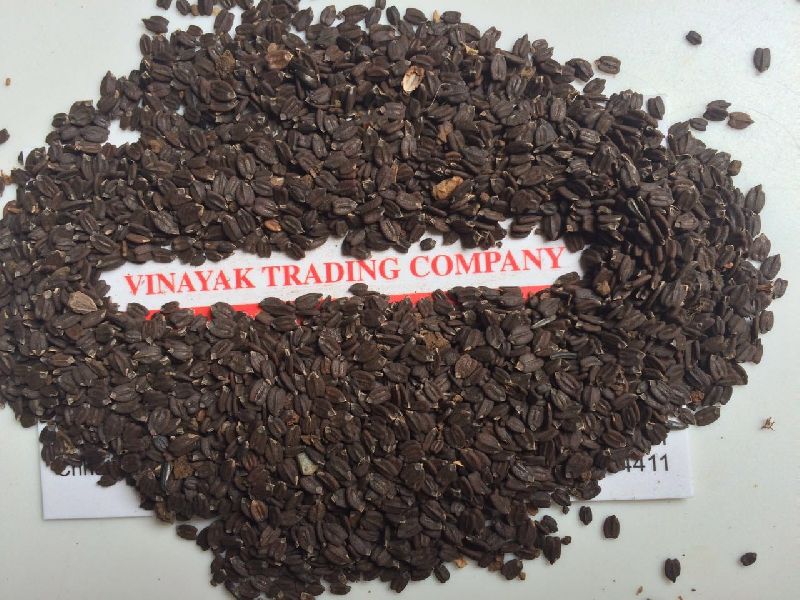
KBasil, Thai basil, or sweet basil, is a common name for the culinary herb Ocimum basilicum of the family Lamiaceae (mints), sometimes known as Saint Joseph's Wort in some English-speaking countries. Basil is originally native to India, having been cultivated there for more than 5, 000 years, but was thoroughly familiar to Theophrastus and Dioscorides. It is a half-hardy annual plant, best known as a culinary herb prominently featured in Italian cuisine, and also plays a major role in Southeast Asian cuisines of Indonesia, Thailand, Vietnam, Cambodia, Laos, and the cuisine of Taiwan.
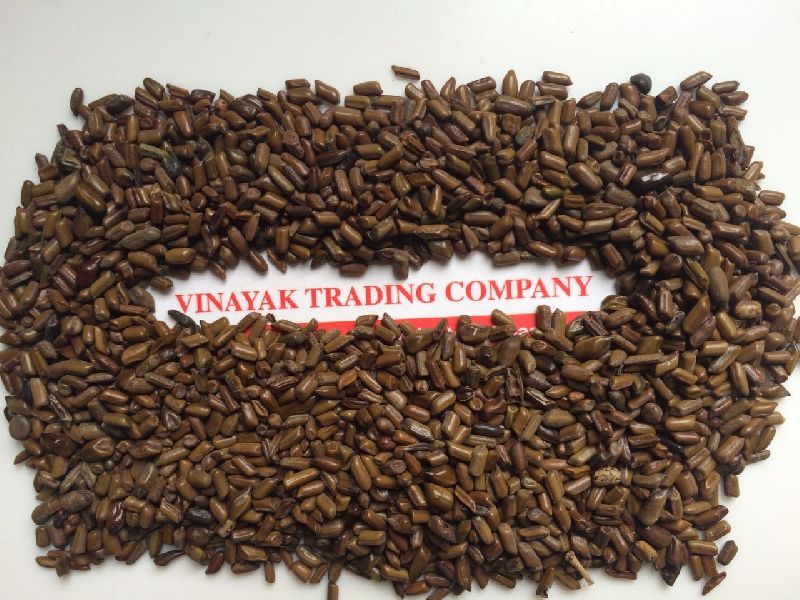
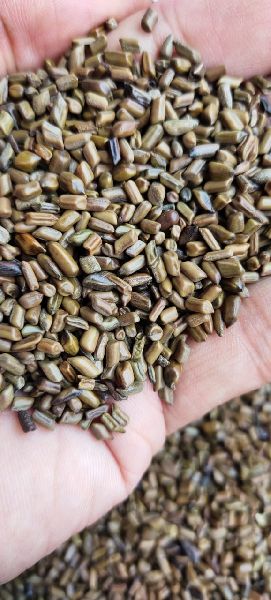
Cassia Tora / Sickle Senna (Foetid Cassia)
Charota or Cassia Tora or Cassia Obtusifolia, is a wild crop and grows in most parts of India. A natural gelling agent which has industrial and food applications is made commercially from the seed. Cassia grows in hot, wet, tropical climates both wild and commercially. Cassia is a tonic, carminative and stimulant. Cassia contains 1-2 % volatile cassia oil, which is mainly responsible for the spicy aroma and taste.
Additional Information:
Payment Terms :
Delivery Time : 4days
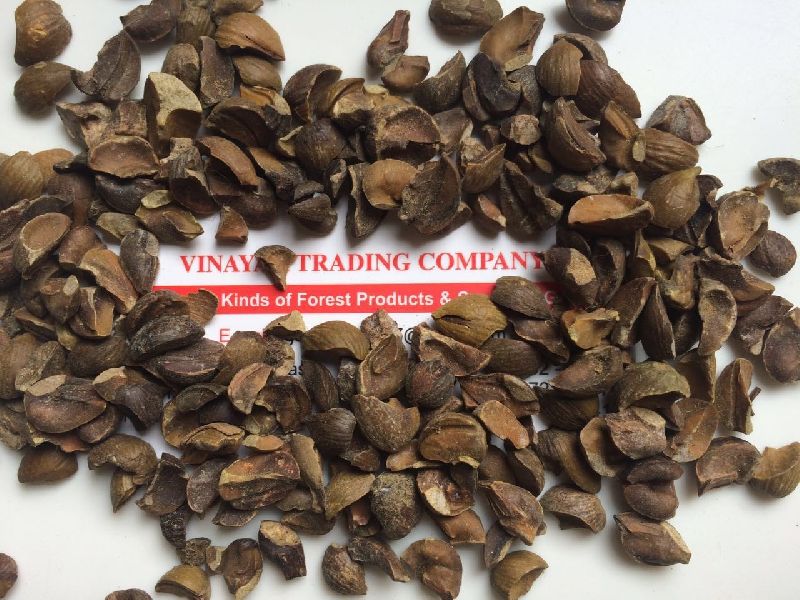
Sal Seeds / Indian Dammer (Shorea Robusta Seeds) oil is an edible oil extracted from the seeds of Shorea robusta. Shorea robusta is known as the Sal tree in India. Sal is indigenous to India and occurs in two main regions separated by Gangetic plain, namely the northern and central Indian regions. The plant belongs to the Dipterocarpaceae botanical family.
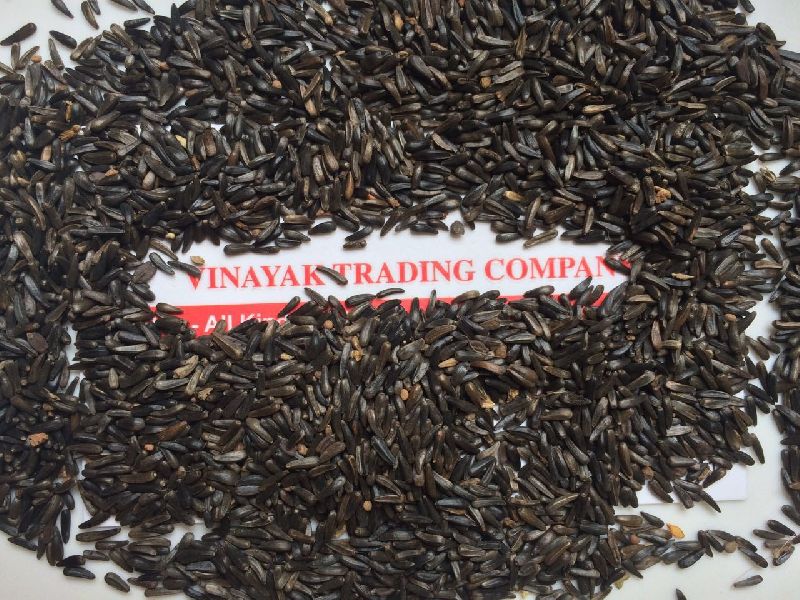
Ramtil / Niger Seeds (Guizotia Abyssinica) oil is obtained from the seeds of Niger plant, which belongs to the Asteraceae family and of the Guizotia genus. The botanical name of the plant is Guizotia abyssinica. The Niger plant is an erect, stout, branched annual herb, grown for its edible seeds and oil. Cultivation for the plant originated in the Ethiopian highlands, and has since spread from Malawi to India.
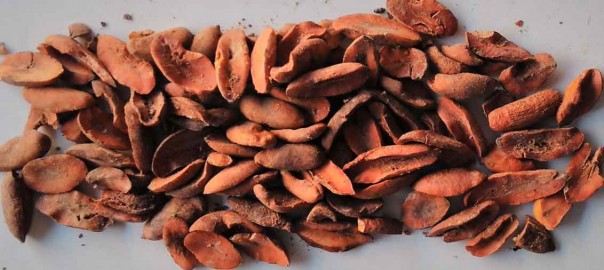
Mahua Seed / Butter Tree (Madhuca longifolia) is one of the forest based tree-borne non-edible oils with large production potential of about 60 million tons per annum in India. Virtually being the lifeline of tribal belt in central India, the tree is culturally most identified with Indian life in the plains. Its flowers are sweat, delicious and are consumed besides tasty fruits.
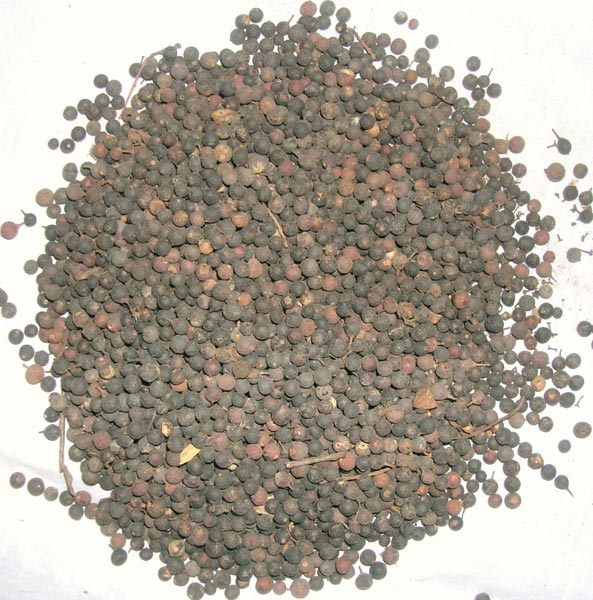
Vidanga is one of the powerful anti-parasitic herbs of Ayurveda. It is widely used against intestinal worm infestation. Its botanical name is Embelia ribes. It is called False black pepper., because it mimics pepper in appearance.
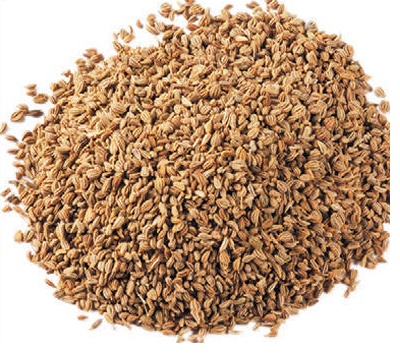
Its pungency and aromatic nature activate the digestive process and make light work of heavy food. Literally meaning goats delight, ajmoda is a delicious shrub.
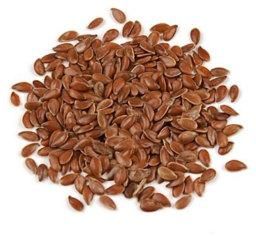
Flax Seeds - the shiny, nutty seeds have an earthy aroma and a host of health benefiting properties. I first came across this wonder seed while reading up on hair health. Experts seem to agree that if you need some help with hair fall and want to grow your hair, there is nothing like a regular dose of flax seeds. Initially, I had a little difficulty in cultivating taste for it in its raw form, but my love for it grew after a while.
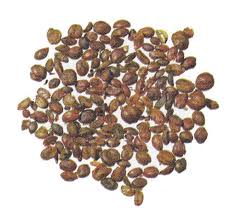
Jyotishmati Seeds / Black oil plant (Celastrus paniculatus)
Jyotishmati Seeds / Black oil plant (Celastrus paniculatus) is a woody liana commonly known as black oil plant, climbing staff tree, and intellect tree. The plant grows throughout India at elevations up to 1800 m. Oil from the seeds is used as a traditional medicine in Indian Unani and Ayurvedic medicine.
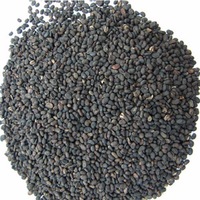
According to Ayurveda, root is useful in carries of teeth whereas leaves are good for diarrhea. Fruit is diuretic, and causes biliousness. It is useful in treatment of vomiting, piles, bronchitis, inflammation, anaemia etc. It improves hair growth and complexion. Seeds are refrigerant, alternative, laxative, antipyretic, anthelmintic, alexiteric and good for heart troubles. Seed oil is used externally in treatment of elephantiasis. According to Unani system of medicine, its seed is purgative, stomachic, anthelmintic, vulnerary, stimulant, and cures blood related troubles.
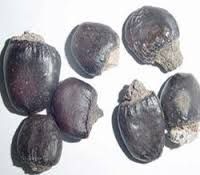
The marking nut tree, occurs in the wild in the sub-himalayan tract, up to 3, 500 ft. , in assam, khasi hills, madhya pradesh;, gujarat, konkan, and the deciduous forests of the southern states of india. It is similar to the cashew nut tree, in having an edible false fruit that is orange and fleshy. like the cashew nut, the true fruit is black, oily and bitter. the kernels of the nut are edible, but the juice of the nut is highly vesicant, and has been traditionally used to mark cloth by washer men.
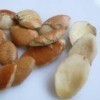
Mango, The king of the fruits is one of the delicious tropical seasonal fruits. All of us know, the mango kernels are used in making dhal, thogayal and kozhambu.
 Vinayak Trading Company (Vinayak Trading Company)
 216-B, Lal Ganga Midas Fafadi, - 492001 , ., Raipur, Chhattisgarh, India
 Share us via