 GST : 08BGQPK2323B1ZO
 Write a Review
Our Products
We are leaders in the market for providing best range of Asafoetida Lumps and Asafoetida
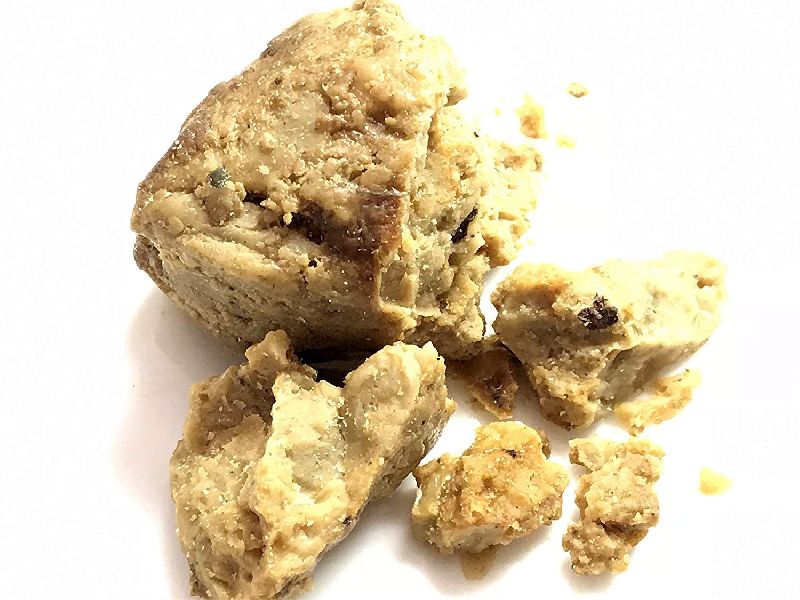
asafoetida lumpsasafoetida lumpsasafoetida lumpsasafoetida lumpsasafoetida lumpsasafoetida lumpsasafoetida lumpsasafoetida lumpsasafoetida lumpsasafoetida lumpsasafoetida lumpsasafoetida lumpsasafoetida lumpsasafoetida lumpsasafoetida lumpsasafoetida lumpsasafoetida lumpsasafoetida lumpsasafoetida lumpsasafoetida lumpsasafoetida lumpsasafoetida lumpsasafoetida lumpsasafoetida lumpsasafoetida lumps

asafoetida is the dried latex (gum oleoresin) exuded from the rhizome or tap root of several species of ferula perennial herbs growing 1 to 1.5 m (3.3 to 4.9 ft) tall. they are part of the celery family, umbelliferae. notably, asafoetida is thought to be in the same genus as silphium, a north african plant now believed to be extinct, and was used as a cheaper substitute for that historically important herb from classical antiquity. the species are native to the deserts of iran and mountains of afghanistan where substantial amounts are grown. the common modern name for the plant in iran and afghanistan is (in persian) badian, meaning 'that of gas or wind', due to its use to relieve stomach gas.
Additional Information:
Payment Terms : L/C, D/A, D/P, T/T, Western Union,
Packaging Details : Asafoetida is the dried latex (gum oleoresin) exuded from the rhizome or tap root of several species of Ferula perennial herbs growing 1 to 1.5 m (3.3 to 4.9 ft) tall. They are part of the celery family, Umbelliferae. Notably, asafoetida is thought to be in the same genus as silphium, a North African plant now believed to be extinct, and was used as a cheaper substitute for that historically important herb from classical antiquity. The species are native to the deserts of Iran and mountains of Afghanistan where substantial amounts are grown. The common modern name for the plant in Iran and Afghanistan is (in Persian) badian, meaning 'that of gas or wind', due to its use to relieve stomach gas.
Delivery Time : 2 day
 Arpit Khandelwal (YFR IMPEX)
 143,YFR Impex, Tambi Bhawan, Ambakeshwar Road Purohito Ka Mohalla, Amer, Jaipur , Rajasthan , 302028, India
 Share us via