 Dubai, United Arab Emirates
 Write a Review
Our Products
Leading Manufacturer, Supplier & Retailer of Activated Charcoal Powder.
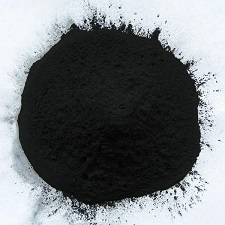
Activated charcoal is made by manufacturers heating common charcoal in the presence of a gas that causes the charcoal to develop internal spaces or pores that allow activated charcoal to trap chemicals. It is for this reason that activated charcoal is often used to absorb toxic substances.
Activated Charcoal PowderActivated charcoal, granular activated carbon, granular active carbon all different terms which just so happen to refer to one specific type of charcoal. Or, more accurately, it is charcoal reheated and oxidized, making the charcoal highly porous. Even though charcoal on its own is known for being a fairly porous substance, when oxidized (or, in some cases, carbonized with other inert gases) the amount of porous spaces increases significantly.
Activated Charcoal UsesOne of the common utilizations of this porous carbon is to filter gas. Not as in fuel, but the gaseous substances that are either naturally produced or expelled from various machinery. Take, for example, air filters. Air is technically a gas, and when the air contains impure elements, a purifier in the form of a filter will help remove these impurities. In a slightly different form, the activated charcoal will perform the same function with watera use common in fish tanks.
Activated carbon attracts and holds organic chemicals from vapor and liquid streams cleaning them of unwanted chemicals. It does not have a greatcapacityfor these chemicals, but is very cost effective for treating large volumes of air or water to remove dilute concentrations of contamination.
Can I Make My Own Activated Charcoal?We would not suggest trying to make your own Activated Charcoal. There are tutorials on the web to do so, but many instructions are unsafe in many ways. One of the reasons to come to a carbon expert is due to the strict testing that goes on before, during and after manufacturing. If you were to make your own charcoal and consume it, sure you may not feel immediate side-effects, but the wrong process could have a long-term negative effect. Why risk your health when one bag could last you a lifetime?
What Is Activated Carbon Made From? Nature's Key (Nature's Key)Dubai, UAE,
 Share us via