-
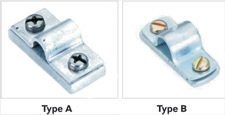
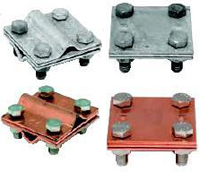
Earth Bond Tapes and Clamps
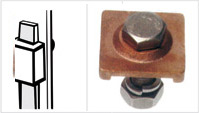
Earth Bonding Clamps and Tape
-
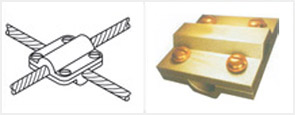
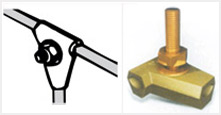
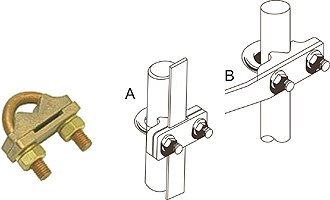
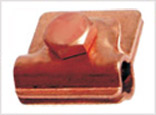
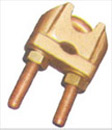
B Bond
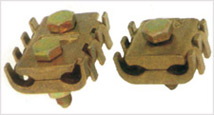
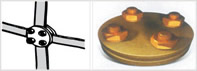
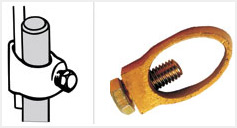
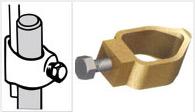
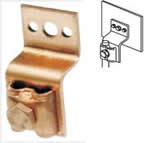
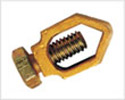
Tower Earth Clamp
-
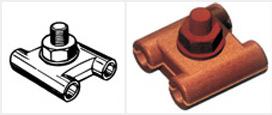
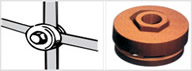
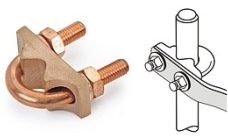
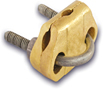
Watermain Bond
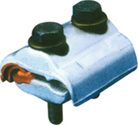
Rain Water Pipe Bond
-
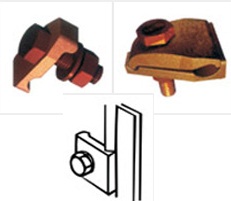
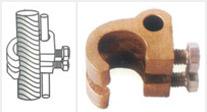
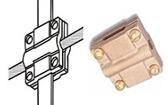
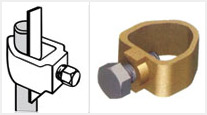
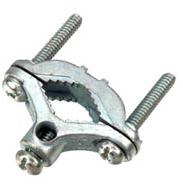
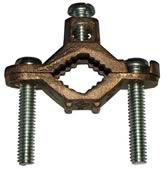
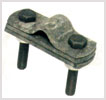
Water Pipe Clamp
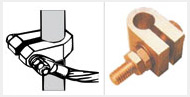
Earth Boss
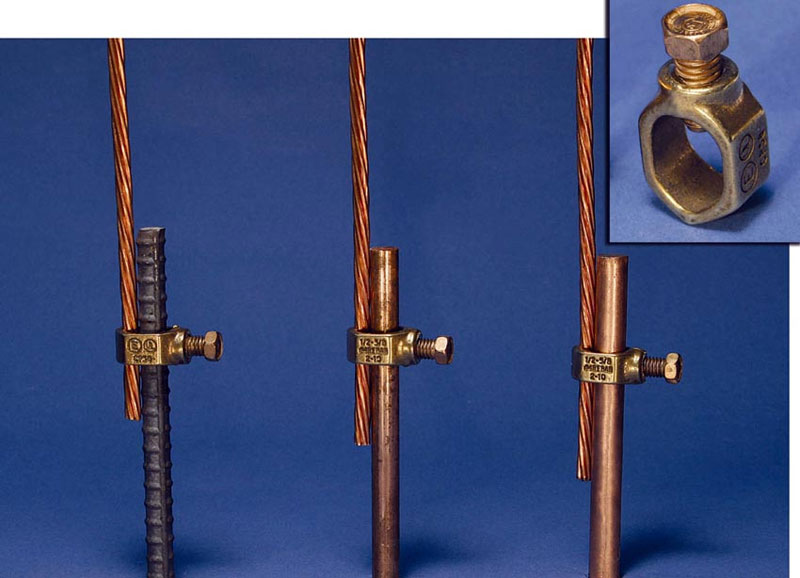
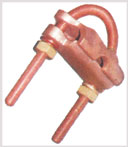
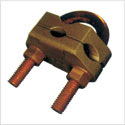
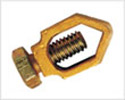
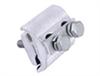
We are offering bonding clamps. Electrical bonding is the practice of intentionally electrically connecting all exposed metallic noncurrent items in a room or building as protection from electric shock. If a failure of electrical insulation occurs, all bonded metal objects in the room will have substantially the same electrical potential, so that an person of the room cannot touch two objects with significantly different potentials. Even if the connection to a distant earthground is lost, the person will be protected from dangerous potential differences. In a building with electricity it is normal for safety reasons to connect all metal objects such as pipes together to the mains earth to form an equipotential zone. This is done in the developed countries like u.s.a, u.k etc because many buildings are supplied with a single phase supply cable where the neutral and earth conductors are combined. Close to the electricity meter this conductor is divided into two, the earth terminal and the wire going to the neutral bus bar in the consumer unit. In the event of a break in a neutral connection this earth terminal provided by the supply company will be at a potential (relative to the true earth) which is the same as the live wire coming to the home. Examples of articles that may be bonded include metallic water piping systems, gas piping, airplanes, ducts for central heating and air conditioning systems, and exposed metal parts of buildings such as hand rails, stairs, ladders, platforms and floors. A person touching the un-earthed metal casing of an electrical device, while also in contact with a metal object connected to remote earth, is exposed to an electric shock hazard if the device has a fault. If all metal objects are connected together, all the metal objects in the building will be at the same potential. It then will not be possible to get a shock by touching two 'earthed' objects at once. Bonding is particularly important for bathrooms, swimming pools and fountains. In pools and fountains, any metallic object (other than conductors of the power circuit) over a certain size must be bonded to assure that all conductors are equipotential and do not provide a hazardous conductive path. Since it is buried in the ground, a pool can be a better ground than the electric panel ground. With all the conducting elements bonded, it is less likely that electric current will find a path through a swimmer. In concrete pools even the reinforcing bars of the concrete must be connected to the bonding system to ensure no dangerous potential gradients are produced during a fault. how the earth protectsin a system with a grounded neutral, connecting all non-current-carrying metallic parts of equipment to earth ground at the main service panel, will ensure that current due to faults (such as a "hot" wire touching the frame or chassis of the device) will be diverted to earth. In a tn system where there is a direct connection from the installation earth to the transformer neutral, earthing will allow the branch circuit over-current protection (a fuse or circuit breaker) to detect the fault rapidly and interrupt the circuit. In the case of a tt system where the impedance is high due to the lack of direct connection to the transformer neutral, an rcd (residual-current device, sometimes known as a residual current circuit breaker or ground fault circuit interrupter) must be used to provide disconnection. Rcds are also used in other situations where rapid disconnection of small earth faults (including a human touching a live wire by accident, or damage) is desired.
Additional Information:

 Write a Review




 Ujjwal Shah (Amiable Impex)
 1, Kiranbulding, Kiran Neela Rashmi CHSL, Opp. Swami Narayan Mandir, Premnagar, Borivali - West Mumbai - 400092, Borivali West, Maharashtra
 Share us via