Our Products
We offer the best product range of Amla, Garlic and Organic Food Basics.
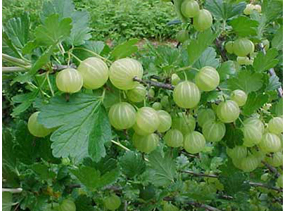
Amla is an extensively used herb in making ayurvedic medicines. Amla is supposed to rejuvenate all the organ systems of the body, provide strength and wellness. According to ayurvedic experts regular usage of amla will make our live more then 100 years like a youth. Amla keeps us away from all the diseases by boosting our immune system. It is known as Emblica officinalis in biological terms and amlaki in Sanskrit language. It is the richest natural source of vitamin C.
Health Benefits of Amla
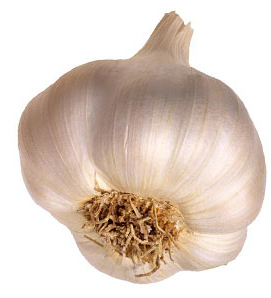
Garlic can also be good for our scalp and hair, as well as for our body. Garlic stimulates the flow of blood to the scalp and help remove any harmful toxins, which is an important consideration in caring for the growth of our hair and in helping to prevent hair loss. Adding a garlic extract to shampoo can help to strengthen hair and stop any breakage, while at the same time, adding good body to the hair and a nice gloss. If you have dry hair or maybe an itchy scalp, a garlic extract type of shampoo will give you relief from many of those nasty symptoms. An hour before bedtime, slice open a clove of garlic and rub it on the hair loss area. Wait for an hour then massage the scalp with olive oil. Put on a cap and go to bed. In the morning, shampoo your hair. Repeat this remedy for a few weeks, and hopefully hair will stop falling out and re-grow.
Organically grown foods are becoming more popular as people worry more about the health and the safety of the food they eat. What is organic food? Where can you buy organic products? According to the USDA, organic foods are described as: Organic meat, poultry, eggs and dairy products come from animals that are given no antibiotics or growth hormones. Organic food is produced without using most conventional pesticides, fertilizers made with synthetic ingredients or sewage sludge, bioengineering or ionizing radiation. Organic food advocates claim that organically grown foods are safer and more nutritious than foods raised with non-organic methods such as pesticides, non-organic fertilizers, antibiotics and hormones. Many people just don't trust these chemicals and don't want to put them into their bodies. Since virtually all non-organically produced foods contain residues of pesticides, fertilizers and other chemicals, the only way to avoid them is to buy organic foods. To be certified as organic, food products need to come from farms and processing plants that are certified as organic. This means that they are inspected by certified government officials to ensure that organic farms are up to USDA organic standards. The inspectors make sure that only organic methods are used and that the environment is not contaminated with pesticides, synthetic fertilizers or other non-organic compounds. Organic Labeling Foods that are organically grown can state that fact on the label. This makes shopping easier for those of us who want to buy organic foods. It is important to understand exactly what organic labels mean. "100% Organic" Foods that are labeled as 100% Organic must contain all organically grown ingredients except for added water and salt. "Organic" Foods that are labeled as Organic need to contain at least 95% organic ingredients, except for added water and salt, plus they must not contain sulfites added as a preservative. Sulfites have been known to provoke allergies and asthma in some people. Up to 5% of the ingredients may non-organically produced. "Made with Organic Ingredients" Product labels that claim Made with Organic Ingredients need to contain at least 70% organic ingredients, except for added water and salt. They must not contain added sulfites, and up to 30% of the ingredients may be non-organically produced. Food products made with less than 70% organic ingredients may state which ingredients are organic, but they can not claim to be organic food products. What Makes Organic Foods Better Than Non-Organic Foods? Organic foods do not contain dangerous pesticides. Although studies show that the minimal amounts of residues of chemical pesticides found on non-organically grown foods are not dangerous to your health, many people just don't believe it. Studies show that children who maintain conventional diets have more pesticides in their bodies than those who eat organic foods. Some experts believe that these pesticides may possibly lead to problems impeding with normal neurological development. Many organic food advocates also wish to avoid the antibiotics and growth hormones that are used on conventionally grown farm animals. These substances pass from the dairy products and meat we eat into our bodies. This use of antibiotics may be one of the causes of antibiotic-resistant strains of bacteria. Organic food advocates also claim that organic foods are more nutritious than conventionally grown foods. There isn't much evidence to show that organic foods contain any more nutrients than non-organic foods; however some organic produce contain more vitamin C and higher quality protein content. There is also evidence that animals grown with organic feeds tend to be healthier than animals fed conventional feeds. Organic farming is not only better for the animals, it is better for the environment. Organic farms are much more compatible with wildlife and land conservation programs. Are Organic Foods Worth the Cost? This is a question that more and more consumers say "yes" to every day. Organic foods are more expensive to grow than conventionally grown foods and that cost shows up in the higher prices in the grocery store. The choice to add organic foods to your diet may cost a bit more money, but for that price, you are buying the reassurance that you're making healthy decisions for our own health and your family's health.
 Mr. M.n. Rajendran (Annai Organic & Naturals)
 No 8 , 1st Avenue , Sasthri Nagar, Adyar, Chennai, Tamil Nadu - 600020, India
 Share us via