Write a Review
Our Product / Services
We offer a complete product range of Soya Lecithin
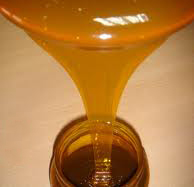
Soy lecithin consists of three types of phospholipids; phosphatidylcholine (PC), phosphatidylethanolamine (PE) and phosphotidylinositol (PI). It is extracted from soybean oil and is generally used as a natural emulsifier or stabilizer in various food applications.
ProcessingLecithin is a combination of naturally-occurring phospholipids, which are extracted during the processing of soybean oil. The soybeans are tempered by keeping them at a consistent temperature and moisture level for approximately seven to 10 days. This process hydrates the soybeans and loosens the hull. The soybeans are then cleaned and cracked into small pieces and the hulls are separated from the cracked beans. Next, the soybean pieces are heated and pressed into flakes. Soybean oil is extracted from the flakes through a distillation process and lecithin is separated from the oil by the addition of water and centrifugation or steam precipitation1
Functional BenefitsNormaly Lecithin used as an Emulsifier, Wetting Agent, Dispersing Agent, Stabilizing Agent, Viscosity Reducing Agent, Anti-spattering Agent, Mixing and Blending Agent, Release Agent, Conditioning, Lipotropic, Surface Active Agent & as an Emollient & Anti-Oxidant as well.Lecithin also has some important Nutraceutical properties like it Decrease level of cholesterol and harmful lipids, Supplies polyunsaturated fatty acids, Provides Phosphatidyl Choline; an Essential Phosphalipids, Protection against fatty degeneration of the Liver / brain, Improves memory function, Promoted ability to concentrate, Controls Lipometabolic Disorders.
ApplicationsLecithin is successfully used in the poultry feed in the United States and European countries. Inspired by this our R & D has introduced a new products poultry feed grade lecithin oil. Our product prestige soya lecithin - poultry feed grade lecithin oil has been introduced after a continued and vigorous research work by our technical department. And within a short span of time it has established repute in the market and we are regularly supplying to major giants of the industry.
Main advantages of using poultry/aqua feed grade soya lecithin oil export quality-
|
olor |
Light Brown to Yellow |
|
Appearance |
Semi-Liquid, viscous syrup |
|
Odour |
Predominately Soya |
|
Taste |
Characteristic of Soyabean |
|
Specific Gravity |
1.040 + 0.005 at 25o C |
|
Moisture |
0.8% to 1.5% |
|
Acid Value(mgKOH/g) |
25 to 35 |
|
Toulene Insoluble |
0.5% to 1% |
|
Acetone Insolubles |
60% to 65% |
|
Solubility |
Insoluble in water and acetone |
|
Hexane Insolubles |
<0.3% |
|
Energy Value |
8,500 kcal/KG approx. |
| Analysis |
Specification |
|
Color (Gardner Scale) |
Light Brown to Yellow 10-12 Max. |
|
Physical Appearance |
Viscous Semi-liquid |
|
Odor |
Predominately Soya |
|
Taste |
Characteristic of Soyabean |
|
Moisture |
1.00% |
|
Acetone Insoluble |
60-65% |
|
Acid Value |
30 mg KOH/gm Max. |
|
Benzene Insoluble |
0.3% Max. |
|
Peroxide Value |
< 5 meq/Kg |
|
Viscosity at 25°C |
150 Poise Max |
|
Solubility |
Insoluble in water and Acetone |
| Description |
Specifications |
Method Of Analysis |
|
Appearance |
Semi Liquid |
|
|
Colour |
10- 12 Max |
Gardner Scale |
|
Moisture |
Max. 1.0% |
IS : 548 (Part 1) 1964 |
|
Acid Value |
Max. 35 KOH/g Max |
IS : 548 (Part 1) 1964 |
|
Peroxide Value |
Max. 5.0 m.eq |
IS : 548 (Part 1) 1964 |
|
Hexane Insoluble |
Max. 1.0 % C |
USP. NF - 18 : Method : 1(921) |
|
Acetone Insolubles |
Min. 60% |
USP. NF - 18 : |
|
pH Value |
7 |
By pH Meter |
|
Viscosity |
80 - 120 Poise |
Brookefield |
|
Total Plate Count cfu / gm |
3000 Max. |
IS : SP : 18 (Part I) 1980 |
|
Coliforms cfu / gm |
Nil |
IS : SP : 18 (Part I) 1980 |
|
E. Coli. cuf / gm |
Nil |
IS : SP : 18 (Part I) 1980 |
|
Yeast & Mould cfu / gm |
100 Max. |
IS : SP : 18 (Part I) 1980 |
|
Salmonella 25/ gm |
Nil |
IS : SP : 18 (Part I) 1980 |
 Manohar Jindal (Anuj Trade Links)
 41, Manish Bagh Colony, Navlakha, Indore, Madhya Pradesh - 452001
 Share us via