 GST : 24ABACA4824G1Z2
 Write a Review
Our Product / Services
We are leaders in the market for providing best range of Alloy Steel Process Pressure Vessels, Stainless Steel Storage Pressure Vessel, Boilers Pressure Vessels, Carbon Steel Heat Exchangers Pressure Vessel and Autoclaves High Pressure Vessels
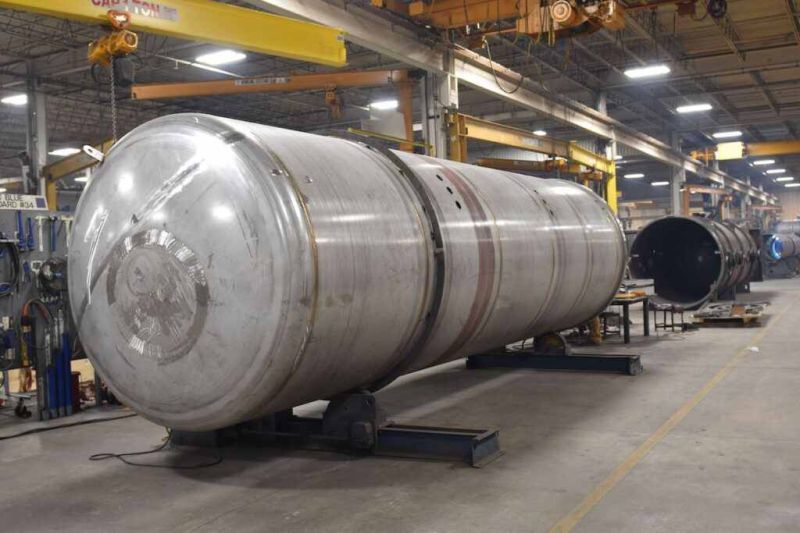
Pressure Vessel Manufacturer in India – IS & ASME Certified
Aspal Engineering is a leading Pressure Vessel Manufacturer in India, offering customized and certified vessels designed to store gases and liquids under high pressure. With a strong focus on safety, durability, and international standards, we serve industries such as oil & gas, petrochemical, power plants, pharmaceuticals, and chemical processing.
Types of Pressure Vessels
1. Storage Vessels:
Used to store gases or liquids under pressure.
Common in industries like oil and gas, where they store natural gas, propane, and other hydrocarbons.
2. Heat Exchangers:
Transfer heat between two or more fluids at different temperatures.
Commonly used in power plants, chemical processing, and refrigeration.
3. Process Vessels:
Used in various chemical processes, including reactors, distillation columns, and separators.
Designed to withstand the conditions of specific chemical reactions or separations.
4. Boilers:
Produce steam by heating water under pressure.
Widely used in power generation, heating systems, and industrial processes.
5. Autoclaves:
High-pressure vessels used for sterilizing equipment and materials or for chemical reactions requiring high pressures and temperatures.
Common in medical and industrial applications.
Why Choose Aspal Engineering for Pressure Vessels?
IS & ASME Certified: Designed and fabricated as per IS, ASME Section VIII, and international safety standards.
Custom Fabrication: Pressure vessels manufactured as per client requirements – size, capacity, and material.
Durable Construction: Built with high-grade stainless steel, carbon steel, and alloy materials.
Safety Tested: Every vessel undergoes hydro-testing, radiography, and non-destructive testing (NDT).
Wide Industry Applications: Trusted by oil & gas, chemical, pharmaceutical, and power sectors across India.
Materials Used in Pressure Vessels
1. Carbon Steel:
Commonly used due to its strength and cost-effectiveness.
Suitable for a wide range of temperatures and pressures but requires protection against corrosion.
2. Stainless Steel:
Provides excellent corrosion resistance and is used in applications involving aggressive chemicals or high temperatures.
More expensive than carbon steel.
3. Alloy Steels:
Contain additional alloying elements to improve properties like strength, toughness, and resistance to high temperatures and corrosion.
Used in demanding applications, such as high-pressure steam systems.
4. Composite Materials:
Combine different materials to achieve a balance of strength, weight, and corrosion resistance.
Used in specialized applications, such as aerospace and underwater environments.
Design and Construction Considerations
1. Pressure Rating:
Determined by the maximum pressure the vessel is designed to withstand.
Must consider both internal and external pressures.
2. Temperature:
The design must account for the maximum and minimum operating temperatures.
Material selection and thickness depend on temperature conditions to prevent failure due to thermal stresses.
3. Corrosion Allowance:
Extra material thickness is added to account for potential corrosion over the vessel's lifespan.
4. Safety Factors:
Design incorporates safety margins to ensure reliability under unexpected conditions or during prolonged use.
5. Seam and Weld Quality:
High-quality welding and seam construction are crucial to prevent leaks and ensure structural integrity.
Welding must comply with standards and undergo rigorous inspection.
Codes and Standards
1. ASME Boiler and Pressure Vessel Code (BPVC):
A widely used standard in the United States and internationally.
Covers the design, construction, and inspection of pressure vessels.
2. European Pressure Equipment Directive (PED):
Regulates the design, manufacture, and conformity assessment of pressure equipment in the European Union.
3. API Standards (American Petroleum Institute):
Provides guidelines for pressure vessels used in the oil and gas industry.
4. ISO Standards (International Organization for Standardization):
Offers international standards for pressure vessel design and construction.
Inspection and Maintenance
1. Regular Inspections:
Mandatory to detect signs of wear, corrosion, or damage.
Non-destructive testing (NDT) methods like ultrasonic testing, radiography, and magnetic particle inspection are commonly used.
2. Pressure Testing:
Hydrostatic or pneumatic tests are performed to verify the vessel's integrity under pressure.
3. Safety Valves and Relief Devices:
Critical for preventing overpressure conditions.
Must be regularly tested and maintained to ensure proper operation.
4. Corrosion Protection:
Methods such as coatings, cathodic protection, and material selection are employed to minimize corrosion.
Applications of Pressure Vessels
Oil and Gas Industry: Storage of natural gas and crude oil, refining processes, and offshore drilling operations.
Chemical Processing: Reactors, distillation columns, and storage of hazardous chemicals.
Power Generation: Boilers, steam drums, and heat exchangers in power plants.
Pharmaceutical Industry: Sterilization autoclaves, reactors for drug synthesis, and storage of medical gases.
Food and Beverage Industry: Sterilization, fermentation, and storage of carbonated beverages.
Why We Are a Trusted Pressure Vessel Supplier in India
We combine advanced fabrication technology, experienced engineering teams, and strict quality checks to deliver world-class pressure vessels. From heat exchangers to storage tanks, we are recognized as a reliable partner for industrial equipment.
Pressure vessels are vital components in many industrial processes, and their safe design, construction, and maintenance are essential to prevent catastrophic failures and ensure efficient operation. By adhering to established codes and standards and employing robust inspection and maintenance practices, industries can effectively manage the risks associated with pressure vessels.
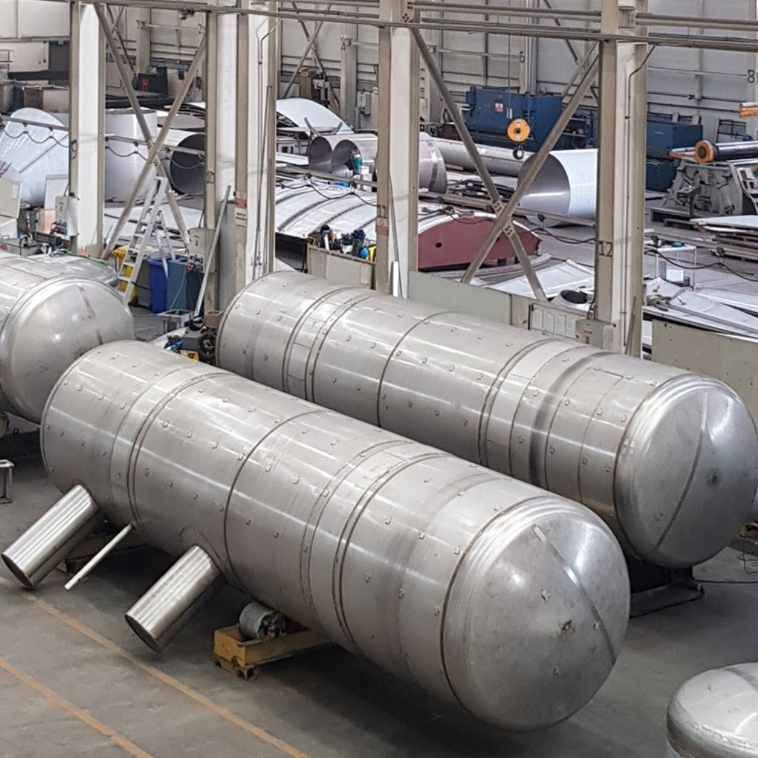
Pressure Vessel Manufacturer in India – IS & ASME Certified
Aspal Engineering is a leading Pressure Vessel Manufacturer in India, offering customized and certified vessels designed to store gases and liquids under high pressure. With a strong focus on safety, durability, and international standards, we serve industries such as oil & gas, petrochemical, power plants, pharmaceuticals, and chemical processing.
Types of Pressure Vessels
1. Storage Vessels:
Used to store gases or liquids under pressure.
Common in industries like oil and gas, where they store natural gas, propane, and other hydrocarbons.
2. Heat Exchangers:
Transfer heat between two or more fluids at different temperatures.
Commonly used in power plants, chemical processing, and refrigeration.
3. Process Vessels:
Used in various chemical processes, including reactors, distillation columns, and separators.
Designed to withstand the conditions of specific chemical reactions or separations.
4. Boilers:
Produce steam by heating water under pressure.
Widely used in power generation, heating systems, and industrial processes.
5. Autoclaves:
High-pressure vessels used for sterilizing equipment and materials or for chemical reactions requiring high pressures and temperatures.
Common in medical and industrial applications.
Why Choose Aspal Engineering for Pressure Vessels?
IS & ASME Certified: Designed and fabricated as per IS, ASME Section VIII, and international safety standards.
Custom Fabrication: Pressure vessels manufactured as per client requirements – size, capacity, and material.
Durable Construction: Built with high-grade stainless steel, carbon steel, and alloy materials.
Safety Tested: Every vessel undergoes hydro-testing, radiography, and non-destructive testing (NDT).
Wide Industry Applications: Trusted by oil & gas, chemical, pharmaceutical, and power sectors across India.
Materials Used in Pressure Vessels
1. Carbon Steel:
Commonly used due to its strength and cost-effectiveness.
Suitable for a wide range of temperatures and pressures but requires protection against corrosion.
2. Stainless Steel:
Provides excellent corrosion resistance and is used in applications involving aggressive chemicals or high temperatures.
More expensive than carbon steel.
3. Alloy Steels:
Contain additional alloying elements to improve properties like strength, toughness, and resistance to high temperatures and corrosion.
Used in demanding applications, such as high-pressure steam systems.
4. Composite Materials:
Combine different materials to achieve a balance of strength, weight, and corrosion resistance.
Used in specialized applications, such as aerospace and underwater environments.
Design and Construction Considerations
1. Pressure Rating:
Determined by the maximum pressure the vessel is designed to withstand.
Must consider both internal and external pressures.
2. Temperature:
The design must account for the maximum and minimum operating temperatures.
Material selection and thickness depend on temperature conditions to prevent failure due to thermal stresses.
3. Corrosion Allowance:
Extra material thickness is added to account for potential corrosion over the vessel's lifespan.
4. Safety Factors:
Design incorporates safety margins to ensure reliability under unexpected conditions or during prolonged use.
5. Seam and Weld Quality:
High-quality welding and seam construction are crucial to prevent leaks and ensure structural integrity.
Welding must comply with standards and undergo rigorous inspection.
Codes and Standards
1. ASME Boiler and Pressure Vessel Code (BPVC):
A widely used standard in the United States and internationally.
Covers the design, construction, and inspection of pressure vessels.
2. European Pressure Equipment Directive (PED):
Regulates the design, manufacture, and conformity assessment of pressure equipment in the European Union.
3. API Standards (American Petroleum Institute):
Provides guidelines for pressure vessels used in the oil and gas industry.
4. ISO Standards (International Organization for Standardization):
Offers international standards for pressure vessel design and construction.
Inspection and Maintenance
1. Regular Inspections:
Mandatory to detect signs of wear, corrosion, or damage.
Non-destructive testing (NDT) methods like ultrasonic testing, radiography, and magnetic particle inspection are commonly used.
2. Pressure Testing:
Hydrostatic or pneumatic tests are performed to verify the vessel's integrity under pressure.
3. Safety Valves and Relief Devices:
Critical for preventing overpressure conditions.
Must be regularly tested and maintained to ensure proper operation.
4. Corrosion Protection:
Methods such as coatings, cathodic protection, and material selection are employed to minimize corrosion.
Applications of Pressure Vessels
Oil and Gas Industry: Storage of natural gas and crude oil, refining processes, and offshore drilling operations.
Chemical Processing: Reactors, distillation columns, and storage of hazardous chemicals.
Power Generation: Boilers, steam drums, and heat exchangers in power plants.
Pharmaceutical Industry: Sterilization autoclaves, reactors for drug synthesis, and storage of medical gases.
Food and Beverage Industry: Sterilization, fermentation, and storage of carbonated beverages.
Why We Are a Trusted Pressure Vessel Supplier in India
We combine advanced fabrication technology, experienced engineering teams, and strict quality checks to deliver world-class pressure vessels. From heat exchangers to storage tanks, we are recognized as a reliable partner for industrial equipment.
Pressure vessels are vital components in many industrial processes, and their safe design, construction, and maintenance are essential to prevent catastrophic failures and ensure efficient operation. By adhering to established codes and standards and employing robust inspection and maintenance practices, industries can effectively manage the risks associated with pressure vessels.
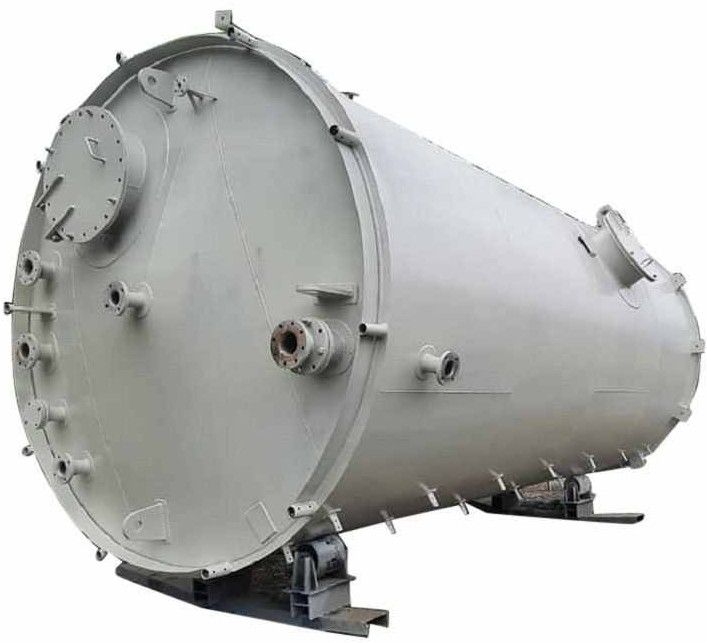
Pressure Vessel Manufacturer in India – IS & ASME Certified
Aspal Engineering is a leading Pressure Vessel Manufacturer in India, offering customized and certified vessels designed to store gases and liquids under high pressure. With a strong focus on safety, durability, and international standards, we serve industries such as oil & gas, petrochemical, power plants, pharmaceuticals, and chemical processing.
Types of Pressure Vessels
1. Storage Vessels:
Used to store gases or liquids under pressure.
Common in industries like oil and gas, where they store natural gas, propane, and other hydrocarbons.
2. Heat Exchangers:
Transfer heat between two or more fluids at different temperatures.
Commonly used in power plants, chemical processing, and refrigeration.
3. Process Vessels:
Used in various chemical processes, including reactors, distillation columns, and separators.
Designed to withstand the conditions of specific chemical reactions or separations.
4. Boilers:
Produce steam by heating water under pressure.
Widely used in power generation, heating systems, and industrial processes.
5. Autoclaves:
High-pressure vessels used for sterilizing equipment and materials or for chemical reactions requiring high pressures and temperatures.
Common in medical and industrial applications.
Why Choose Aspal Engineering for Pressure Vessels?
IS & ASME Certified: Designed and fabricated as per IS, ASME Section VIII, and international safety standards.
Custom Fabrication: Pressure vessels manufactured as per client requirements – size, capacity, and material.
Durable Construction: Built with high-grade stainless steel, carbon steel, and alloy materials.
Safety Tested: Every vessel undergoes hydro-testing, radiography, and non-destructive testing (NDT).
Wide Industry Applications: Trusted by oil & gas, chemical, pharmaceutical, and power sectors across India.
Materials Used in Pressure Vessels
1. Carbon Steel:
Commonly used due to its strength and cost-effectiveness.
Suitable for a wide range of temperatures and pressures but requires protection against corrosion.
2. Stainless Steel:
Provides excellent corrosion resistance and is used in applications involving aggressive chemicals or high temperatures.
More expensive than carbon steel.
3. Alloy Steels:
Contain additional alloying elements to improve properties like strength, toughness, and resistance to high temperatures and corrosion.
Used in demanding applications, such as high-pressure steam systems.
4. Composite Materials:
Combine different materials to achieve a balance of strength, weight, and corrosion resistance.
Used in specialized applications, such as aerospace and underwater environments.
Design and Construction Considerations
1. Pressure Rating:
Determined by the maximum pressure the vessel is designed to withstand.
Must consider both internal and external pressures.
2. Temperature:
The design must account for the maximum and minimum operating temperatures.
Material selection and thickness depend on temperature conditions to prevent failure due to thermal stresses.
3. Corrosion Allowance:
Extra material thickness is added to account for potential corrosion over the vessel's lifespan.
4. Safety Factors:
Design incorporates safety margins to ensure reliability under unexpected conditions or during prolonged use.
5. Seam and Weld Quality:
High-quality welding and seam construction are crucial to prevent leaks and ensure structural integrity.
Welding must comply with standards and undergo rigorous inspection.
Codes and Standards
1. ASME Boiler and Pressure Vessel Code (BPVC):
A widely used standard in the United States and internationally.
Covers the design, construction, and inspection of pressure vessels.
2. European Pressure Equipment Directive (PED):
Regulates the design, manufacture, and conformity assessment of pressure equipment in the European Union.
3. API Standards (American Petroleum Institute):
Provides guidelines for pressure vessels used in the oil and gas industry.
4. ISO Standards (International Organization for Standardization):
Offers international standards for pressure vessel design and construction.
Inspection and Maintenance
1. Regular Inspections:
Mandatory to detect signs of wear, corrosion, or damage.
Non-destructive testing (NDT) methods like ultrasonic testing, radiography, and magnetic particle inspection are commonly used.
2. Pressure Testing:
Hydrostatic or pneumatic tests are performed to verify the vessel's integrity under pressure.
3. Safety Valves and Relief Devices:
Critical for preventing overpressure conditions.
Must be regularly tested and maintained to ensure proper operation.
4. Corrosion Protection:
Methods such as coatings, cathodic protection, and material selection are employed to minimize corrosion.
Applications of Pressure Vessels
Oil and Gas Industry: Storage of natural gas and crude oil, refining processes, and offshore drilling operations.
Chemical Processing: Reactors, distillation columns, and storage of hazardous chemicals.
Power Generation: Boilers, steam drums, and heat exchangers in power plants.
Pharmaceutical Industry: Sterilization autoclaves, reactors for drug synthesis, and storage of medical gases.
Food and Beverage Industry: Sterilization, fermentation, and storage of carbonated beverages.
Why We Are a Trusted Pressure Vessel Supplier in India
We combine advanced fabrication technology, experienced engineering teams, and strict quality checks to deliver world-class pressure vessels. From heat exchangers to storage tanks, we are recognized as a reliable partner for industrial equipment.
Pressure vessels are vital components in many industrial processes, and their safe design, construction, and maintenance are essential to prevent catastrophic failures and ensure efficient operation. By adhering to established codes and standards and employing robust inspection and maintenance practices, industries can effectively manage the risks associated with pressure vessels.
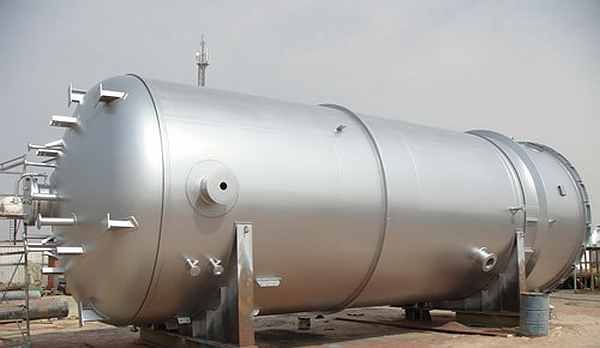
Pressure Vessel Manufacturer in India – IS & ASME Certified
Aspal Engineering is a leading Pressure Vessel Manufacturer in India, offering customized and certified vessels designed to store gases and liquids under high pressure. With a strong focus on safety, durability, and international standards, we serve industries such as oil & gas, petrochemical, power plants, pharmaceuticals, and chemical processing.
Types of Pressure Vessels
1. Storage Vessels:
Used to store gases or liquids under pressure.
Common in industries like oil and gas, where they store natural gas, propane, and other hydrocarbons.
2. Heat Exchangers:
Transfer heat between two or more fluids at different temperatures.
Commonly used in power plants, chemical processing, and refrigeration.
3. Process Vessels:
Used in various chemical processes, including reactors, distillation columns, and separators.
Designed to withstand the conditions of specific chemical reactions or separations.
4. Boilers:
Produce steam by heating water under pressure.
Widely used in power generation, heating systems, and industrial processes.
5. Autoclaves:
High-pressure vessels used for sterilizing equipment and materials or for chemical reactions requiring high pressures and temperatures.
Common in medical and industrial applications.
Why Choose Aspal Engineering for Pressure Vessels?
IS & ASME Certified: Designed and fabricated as per IS, ASME Section VIII, and international safety standards.
Custom Fabrication: Pressure vessels manufactured as per client requirements – size, capacity, and material.
Durable Construction: Built with high-grade stainless steel, carbon steel, and alloy materials.
Safety Tested: Every vessel undergoes hydro-testing, radiography, and non-destructive testing (NDT).
Wide Industry Applications: Trusted by oil & gas, chemical, pharmaceutical, and power sectors across India.
Materials Used in Pressure Vessels
1. Carbon Steel:
Commonly used due to its strength and cost-effectiveness.
Suitable for a wide range of temperatures and pressures but requires protection against corrosion.
2. Stainless Steel:
Provides excellent corrosion resistance and is used in applications involving aggressive chemicals or high temperatures.
More expensive than carbon steel.
3. Alloy Steels:
Contain additional alloying elements to improve properties like strength, toughness, and resistance to high temperatures and corrosion.
Used in demanding applications, such as high-pressure steam systems.
4. Composite Materials:
Combine different materials to achieve a balance of strength, weight, and corrosion resistance.
Used in specialized applications, such as aerospace and underwater environments.
Design and Construction Considerations
1. Pressure Rating:
Determined by the maximum pressure the vessel is designed to withstand.
Must consider both internal and external pressures.
2. Temperature:
The design must account for the maximum and minimum operating temperatures.
Material selection and thickness depend on temperature conditions to prevent failure due to thermal stresses.
3. Corrosion Allowance:
Extra material thickness is added to account for potential corrosion over the vessel's lifespan.
4. Safety Factors:
Design incorporates safety margins to ensure reliability under unexpected conditions or during prolonged use.
5. Seam and Weld Quality:
High-quality welding and seam construction are crucial to prevent leaks and ensure structural integrity.
Welding must comply with standards and undergo rigorous inspection.
Codes and Standards
1. ASME Boiler and Pressure Vessel Code (BPVC):
A widely used standard in the United States and internationally.
Covers the design, construction, and inspection of pressure vessels.
2. European Pressure Equipment Directive (PED):
Regulates the design, manufacture, and conformity assessment of pressure equipment in the European Union.
3. API Standards (American Petroleum Institute):
Provides guidelines for pressure vessels used in the oil and gas industry.
4. ISO Standards (International Organization for Standardization):
Offers international standards for pressure vessel design and construction.
Inspection and Maintenance
1. Regular Inspections:
Mandatory to detect signs of wear, corrosion, or damage.
Non-destructive testing (NDT) methods like ultrasonic testing, radiography, and magnetic particle inspection are commonly used.
2. Pressure Testing:
Hydrostatic or pneumatic tests are performed to verify the vessel's integrity under pressure.
3. Safety Valves and Relief Devices:
Critical for preventing overpressure conditions.
Must be regularly tested and maintained to ensure proper operation.
4. Corrosion Protection:
Methods such as coatings, cathodic protection, and material selection are employed to minimize corrosion.
Applications of Pressure Vessels
Oil and Gas Industry: Storage of natural gas and crude oil, refining processes, and offshore drilling operations.
Chemical Processing: Reactors, distillation columns, and storage of hazardous chemicals.
Power Generation: Boilers, steam drums, and heat exchangers in power plants.
Pharmaceutical Industry: Sterilization autoclaves, reactors for drug synthesis, and storage of medical gases.
Food and Beverage Industry: Sterilization, fermentation, and storage of carbonated beverages.
Why We Are a Trusted Pressure Vessel Supplier in India
We combine advanced fabrication technology, experienced engineering teams, and strict quality checks to deliver world-class pressure vessels. From heat exchangers to storage tanks, we are recognized as a reliable partner for industrial equipment.
Pressure vessels are vital components in many industrial processes, and their safe design, construction, and maintenance are essential to prevent catastrophic failures and ensure efficient operation. By adhering to established codes and standards and employing robust inspection and maintenance practices, industries can effectively manage the risks associated with pressure vessels.
Pressure Vessel Manufacturer in India – IS & ASME Certified
Aspal Engineering is a leading Pressure Vessel Manufacturer in India, offering customized and certified vessels designed to store gases and liquids under high pressure. With a strong focus on safety, durability, and international standards, we serve industries such as oil & gas, petrochemical, power plants, pharmaceuticals, and chemical processing.
Types of Pressure Vessels
1. Storage Vessels:
Used to store gases or liquids under pressure.
Common in industries like oil and gas, where they store natural gas, propane, and other hydrocarbons.
2. Heat Exchangers:
Transfer heat between two or more fluids at different temperatures.
Commonly used in power plants, chemical processing, and refrigeration.
3. Process Vessels:
Used in various chemical processes, including reactors, distillation columns, and separators.
Designed to withstand the conditions of specific chemical reactions or separations.
4. Boilers:
Produce steam by heating water under pressure.
Widely used in power generation, heating systems, and industrial processes.
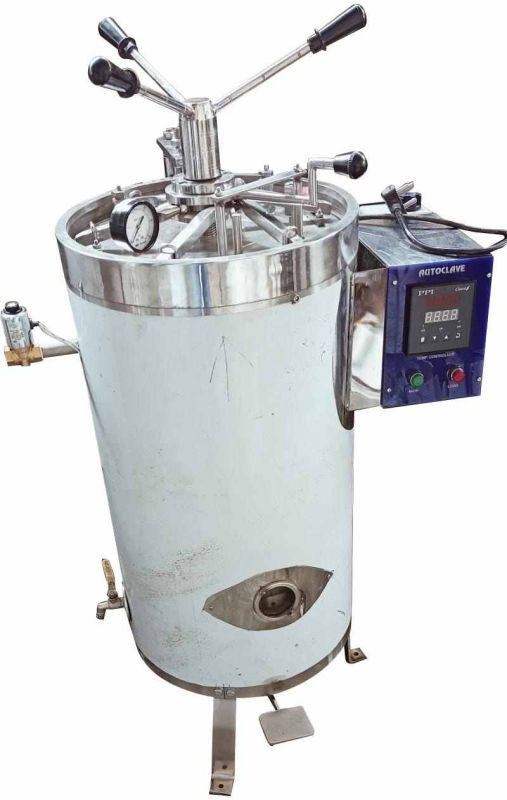
5. Autoclaves:
High-pressure vessels used for sterilizing equipment and materials or for chemical reactions requiring high pressures and temperatures.
Common in medical and industrial applications.
Why Choose Aspal Engineering for Pressure Vessels?
IS & ASME Certified: Designed and fabricated as per IS, ASME Section VIII, and international safety standards.
Custom Fabrication: Pressure vessels manufactured as per client requirements – size, capacity, and material.
Durable Construction: Built with high-grade stainless steel, carbon steel, and alloy materials.
Safety Tested: Every vessel undergoes hydro-testing, radiography, and non-destructive testing (NDT).
Wide Industry Applications: Trusted by oil & gas, chemical, pharmaceutical, and power sectors across India.
Materials Used in Pressure Vessels
1. Carbon Steel:
Commonly used due to its strength and cost-effectiveness.
Suitable for a wide range of temperatures and pressures but requires protection against corrosion.
2. Stainless Steel:
Provides excellent corrosion resistance and is used in applications involving aggressive chemicals or high temperatures.
More expensive than carbon steel.
3. Alloy Steels:
Contain additional alloying elements to improve properties like strength, toughness, and resistance to high temperatures and corrosion.
Used in demanding applications, such as high-pressure steam systems.
4. Composite Materials:
Combine different materials to achieve a balance of strength, weight, and corrosion resistance.
Used in specialized applications, such as aerospace and underwater environments.
Design and Construction Considerations
1. Pressure Rating:
Determined by the maximum pressure the vessel is designed to withstand.
Must consider both internal and external pressures.
2. Temperature:
The design must account for the maximum and minimum operating temperatures.
Material selection and thickness depend on temperature conditions to prevent failure due to thermal stresses.
3. Corrosion Allowance:
Extra material thickness is added to account for potential corrosion over the vessel's lifespan.
4. Safety Factors:
Design incorporates safety margins to ensure reliability under unexpected conditions or during prolonged use.
5. Seam and Weld Quality:
High-quality welding and seam construction are crucial to prevent leaks and ensure structural integrity.
Welding must comply with standards and undergo rigorous inspection.
Codes and Standards
1. ASME Boiler and Pressure Vessel Code (BPVC):
A widely used standard in the United States and internationally.
Covers the design, construction, and inspection of pressure vessels.
2. European Pressure Equipment Directive (PED):
Regulates the design, manufacture, and conformity assessment of pressure equipment in the European Union.
3. API Standards (American Petroleum Institute):
Provides guidelines for pressure vessels used in the oil and gas industry.
4. ISO Standards (International Organization for Standardization):
Offers international standards for pressure vessel design and construction.
Inspection and Maintenance
1. Regular Inspections:
Mandatory to detect signs of wear, corrosion, or damage.
Non-destructive testing (NDT) methods like ultrasonic testing, radiography, and magnetic particle inspection are commonly used.
2. Pressure Testing:
Hydrostatic or pneumatic tests are performed to verify the vessel's integrity under pressure.
3. Safety Valves and Relief Devices:
Critical for preventing overpressure conditions.
Must be regularly tested and maintained to ensure proper operation.
4. Corrosion Protection:
Methods such as coatings, cathodic protection, and material selection are employed to minimize corrosion.
Applications of Pressure Vessels
Oil and Gas Industry: Storage of natural gas and crude oil, refining processes, and offshore drilling operations.
Chemical Processing: Reactors, distillation columns, and storage of hazardous chemicals.
Power Generation: Boilers, steam drums, and heat exchangers in power plants.
Pharmaceutical Industry: Sterilization autoclaves, reactors for drug synthesis, and storage of medical gases.
Food and Beverage Industry: Sterilization, fermentation, and storage of carbonated beverages.
Why We Are a Trusted Pressure Vessel Supplier in India
We combine advanced fabrication technology, experienced engineering teams, and strict quality checks to deliver world-class pressure vessels. From heat exchangers to storage tanks, we are recognized as a reliable partner for industrial equipment.
Pressure vessels are vital components in many industrial processes, and their safe design, construction, and maintenance are essential to prevent catastrophic failures and ensure efficient operation. By adhering to established codes and standards and employing robust inspection and maintenance practices, industries can effectively manage the risks associated with pressure vessels.
 Mr. Purval Patel (Aspal Engineering Private Limited)
 B-38, Dev I Land, Near Zaveri Estate, Singarva, OPP. Karma Estate, Kathwada, Ahmedabad, Gujarat - 382430
 https://www.aspalengineering.co.in
 Share us via