My ExportersIndia

For Buyer

For Seller

For Help

Our Products

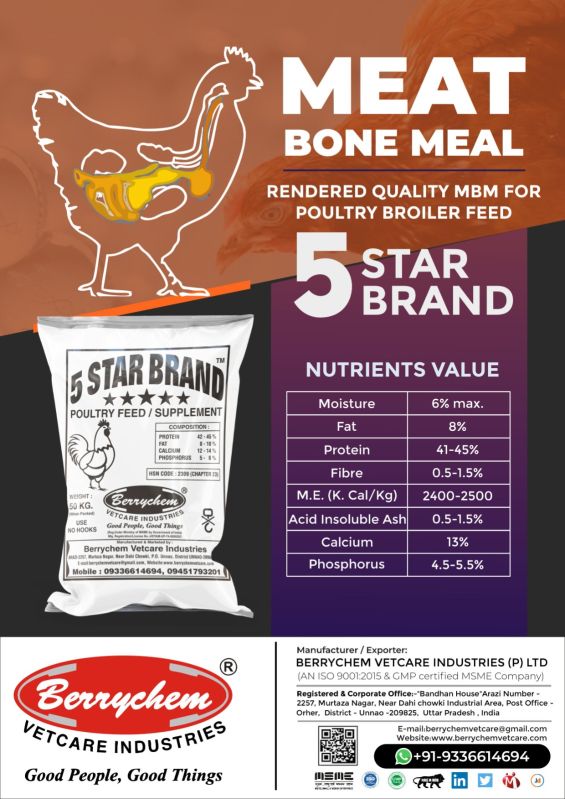
We are leaders in the market for providing best range of Meat Bone Meal ( 5 STAR BRAND), MEAT BONE MEAL ( 3 STAR BRAND), Chicken Meal ( 2 Star Brand), EMULSIFIER ( EMULCYFORTE ) and EMULSIFIER ( LIPID FORTE BRAND )

Meat Bone Meal ( 5 Star Brand)

29.50 / kilogram Get Latest Price
  • Min. Order (MOQ) 10000 Kilogram
  • Country of Origin India
  • Packaging Type Bag
  • Shelf Life 3 Month
  • Usage Feed Grade
  • Packaging Size 50 Kg
  • Form Powder
  • Feeder Type Starter
View Complete Details

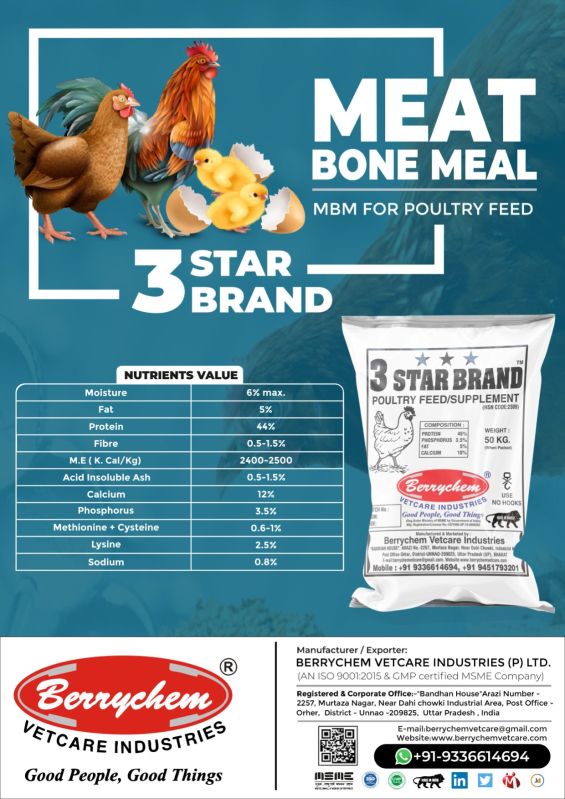
Meat Bone Meal ( 3 Star Brand)

22 / Kilogram Get Latest Price
  • Min. Order (MOQ) 30000 kg
  • Country of Origin India
  • Packaging Type Bag
  • Shelf Life 3 Month
  • Usage Animal Feed
  • Brand Name 3 STAR BRAND
  • Packaging Size 50 Kg
  • Form Powder
  • Feeder Type Starter
MEAT BONE MEAL ( 3 STAR BRAND MBM FOR POULTRY LAYER FEED)
Meat and Bone Meal (MBM) is a product of the rendering industry, which processes animal by-products like meat, bones, and organs that are unfit for human consumption. It is primarily used as a source of protein, calcium, and phosphorus in animal feed and as a fertilizer.
Uses
  • Animal Feed:MBM is commonly used in feed for monogastric animals, such as poultry and swine, to improve the amino acid profile and provide essential minerals like calcium and phosphorus.
  • Fertilizer:MBM is similar to bone meal as a fertilizer, supplying calcium and phosphorus, but it also provides a significant amount of nitrogen from the meat component.
  • Fuel:MBM can be used as a renewable fuel source in power generation and cement kilns.
Composition
MBM typically contains about 48-52% protein, 33-35% ash, 8-12% fat, and 4-7% water. It is a good source of essential amino acids and minerals crucial for animal growth and development.

Additional Information:

Payment Terms : L/C

Packaging Details : 50 KG BAG

Delivery Time : 10
View Complete Details

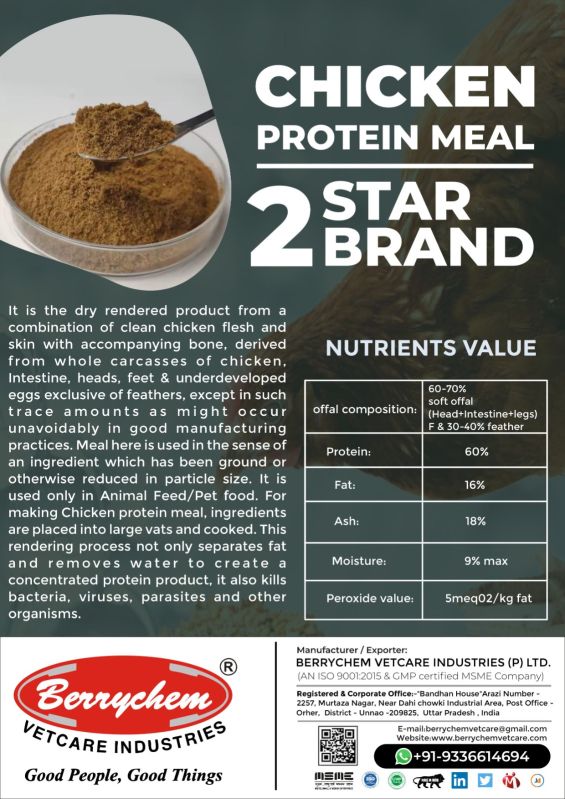
Chicken Meal ( 2 Star Brand)

32 / Kilogram Get Latest Price
  • Min. Order (MOQ) 30000 kg
  • Country of Origin India
  • Packaging Type HDPE Bag
  • Shelf Life 3 Month
  • Usage Feed Grade
  • Brand Name 2 STAR BRAND
  • Packaging Size 50 Kg
  • Form Powder
  • Feeder Type Starter
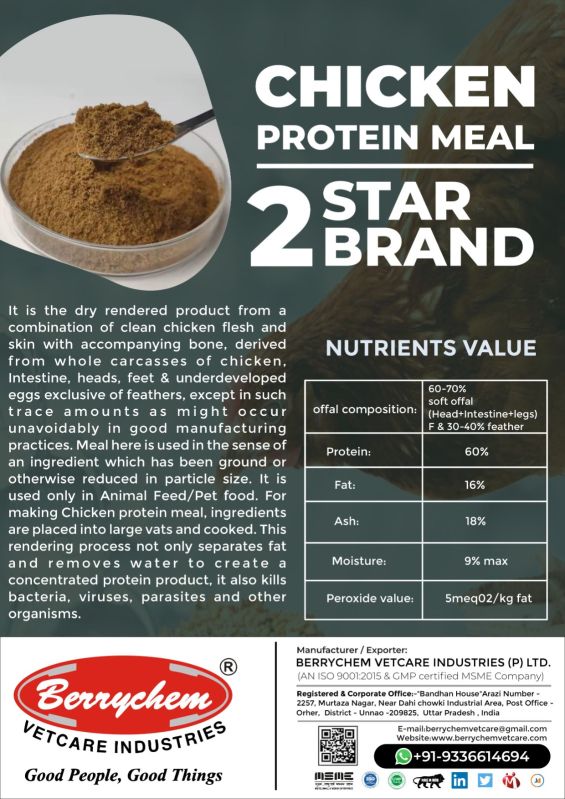
Chicken meal ( 2 STAR BRAND )is a popular and nutritious ingredient in animal feed, especially for monogastric animals like poultry, pigs, and pets. It's a dry rendered product made from a combination of clean flesh, skin, and bone of slaughtered chickens. The rendering process involves cooking and grinding these parts at high temperatures, which removes moisture and fat, and kills potentially harmful bacteria. 
 
Key features and benefits
Chicken meal offers several nutritional benefits, including high protein content (60-70%) with a complete profile of essential amino acids. It also provides beneficial fats, including omega-6 fatty acids, and is rich in essential minerals and vitamins like calcium, phosphorus, zinc, copper, and selenium. The rendering process enhances its digestibility, making nutrients easily absorbable. Chicken meal is a cost-effective protein source compared to fishmeal or plant-based proteins and its production utilizes poultry industry by-products, contributing to waste reduction. 
Chicken meal is used in various animal feeds: 
  • Poultry: Supports growth and feed conversion.
  • Swine: Promotes growth and can help prevent disease in piglets.
  • Aquaculture: Can substitute fishmeal in fish and shrimp diets.
  • Pet Food: Provides protein and nutrients for dogs and cats, including those with sensitivities. 

Additional Information:

Payment Terms : L/C

Packaging Details : 50 KG BAG

Delivery Time : 10
View Complete Details

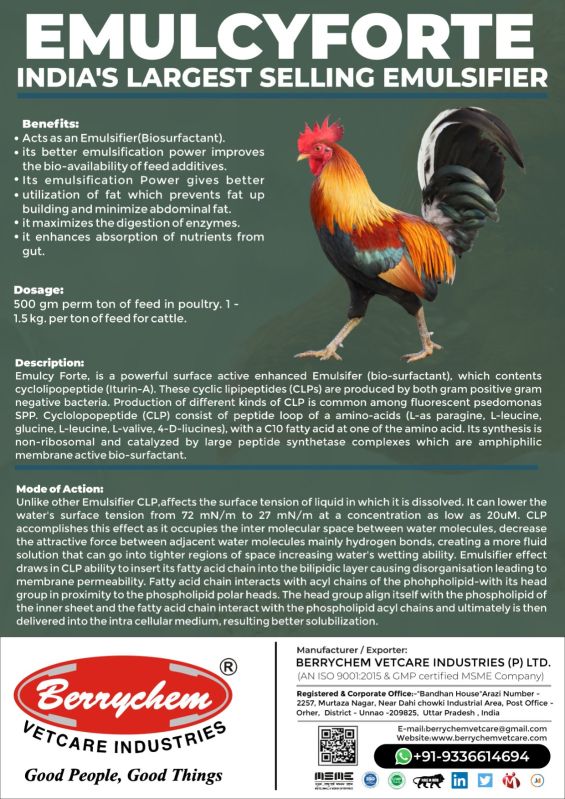
Emulsifier ( Emulcyforte )

220 / kg Get Latest Price
  • Min. Order (MOQ) 3000 kg
  • Storage 1 YEAR
  • Usage ANIMAL FEED
  • Brand Name EMULCYFORTE
EMULCYFORTE Synthetic emulsifiers are widely used in animal feed formulations, specifically in feed grade, to improve fat digestion and overall nutrient utilization. EMULCYFORTE are valuable additives in animal feed, contributing to improved animal health, growth, and cost-efficiency in livestock farming
 
Here's a breakdown of their uses, benefits, and common types:
 
1. How they work
  • Emulsifiers create stable mixtures of substances that don't naturally mix well, like fats and water.
  • They disperse fat globules into smaller droplets, increasing the surface area for lipase enzymes (produced by the pancreas) to break down fats.
  • This ultimately enhances the digestibility of fats and improves the overall absorption of nutrients, including fat-soluble vitamins, which are crucial for energy metabolism and other physiological functions in animals. 
 
2. Benefits for animal feed
  • Improved Fat Digestion & Nutrient Absorption: This is especially important for young animals with underdeveloped digestive systems
  • Enhanced Energy Utilization & Growth: By improving fat digestion, emulsifiers help animals maximize the energy from their feed, leading to better growth and production.
  • Increased Feed Efficiency & Reduced Costs: Better nutrient utilization means less feed is required to achieve desired growth rates, resulting in cost savings for farmers.
  • Improved Texture and Palatability: Emulsifiers can improve the physical properties of the feed, making it more appealing and palatable to animals, which in turn can reduce feed wastage.
  • Optimized Feed Production: Emulsifiers can facilitate the mixing of ingredients and can even help control the moisture content of pellets, improving pellet quality during the feed production process


Additional Information:

Payment Terms : L/C

Packaging Details : 1 KG POUCH

Delivery Time : 10

View Complete Details

Emulsifier ( Lipid Forte Brand )

200 / kg Get Latest Price
  • Min. Order (MOQ) 10000 kg
  • Brand Name LIPID FORTE
LIPID FORTE Emulsifiers are substances used in animal feed to stabilize mixtures of fats and water, improving fat digestion and nutrient absorption, particularly in young animals. They play a crucial role in enhancing animal performance and reducing feed costs. 
 
Why are emulsifiers essential?
  • Improved Fat Digestion: Fats and oils are high-energy sources in animal diets, but they are difficult to digest and absorb efficiently without emulsification. Emulsifiers break down fat globules into smaller particles, increasing the surface area for pancreatic enzyme action and facilitating their absorption.
  • Increased Nutrient Availability: By enhancing fat digestion, emulsifiers improve the bioavailability of both water and fat-soluble nutrients, including vitamins and essential fatty acids, ultimately leading to better animal health and productivity.
  • Better Feed Efficiency: The use of emulsifiers can lead to improved feed conversion ratios (FCRs) and overall animal performance, allowing for the formulation of lower-cost diets without compromising productivity.
  • Reduced Feed Wastage: Emulsifiers promote the uniform distribution of fats in feed, minimizing separation and improving palatability, which in turn encourages animals to consume the entire ration and reduces feed wastage.

Additional Information:

Payment Terms : L/C
View Complete Details

Acidifier ( Acidox Brand )

150 / Kilogram Get Latest Price
  • Min. Order (MOQ) 2000 kg
  • Appearance A Tan
  • Shelf Life 12 Months
  • Number Of Flower Feed Acidifier
  • Packaging Size 0-25 Kg
  • Packaging Type HDPE Bags
  • Application For Safe Gut
  • Form Powder
  • Brand Name ACIDOX
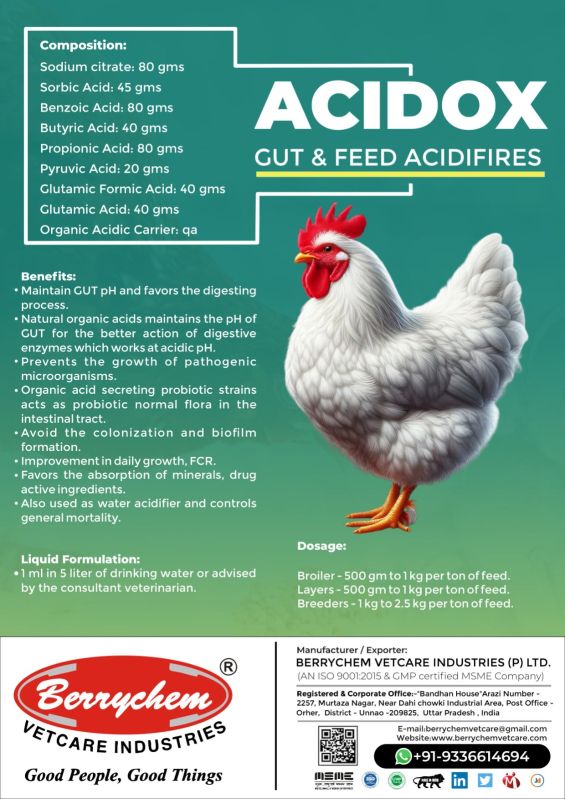
ACIDOX Feed-grade acidifiers are ingredients added to animal feed to improve animal health and performance. They work primarily by creating an acidic environment in the animals' digestive systems. This helps control the growth of harmful bacteria and fungi, leading to several benefits for the animals and the feed itself. 
Here's a closer look at the key aspects:
 
Function
  • Pathogen Control: Feed acidifiers reduce the pH in the feed and gut, making it difficult for pathogenic bacteria like Salmonella, E. coli, and Clostridium perfringens to thrive and multiply.
  • Improved Digestibility and Nutrient Absorption: Lowering the gut pH can optimize the activity of digestive enzymes, leading to better breakdown and absorption of nutrients like protein and minerals.
  • Enhanced Performance: By controlling pathogens and improving nutrient utilization, acidifiers can boost animal growth rates, feed conversion ratios (FCRs), and overall productivity.
  • Feed Preservation: Certain acidifiers have antimicrobial and antifungal properties, which help preserve the feed quality and extend its shelf life, preventing spoilage and reducing nutrient loss. 
 
Types of acidifiers
Feed acidifiers can be categorized as organic or inorganic acids. 
  • Organic Acids: These are naturally occurring compounds and are generally preferred due to their effectiveness and safety. Examples include:
    • Formic acid
    • Lactic acid
    • Citric acid
    • Propionic acid
    • Fumaric acid
    • Benzoic acid
    • Acetic acid
    • Sorbic acid
    • Butyric acid
  • Inorganic Acids: These can be corrosive in pure form but are sometimes used in feed as they are generally cheaper. Phosphoric acid is an example, and can also contribute to mineral intake.

Additional Information:

Payment Terms : L/C
View Complete Details

Multi Enzymes Cattle Feed

90 / Kilogram Get Latest Price
  • Min. Order (MOQ) 2000 KG
  • Cultivation ENZYME SALT
  • Application Animal Food, Cattle Feed
  • Storage Condition Dried
  • Variety ANIMAL FEED
  • Packaging Type Plastic Pouch
  • Number Of Flower Type
  • Shelf Life 1year
  • Brand Name INDOZYME
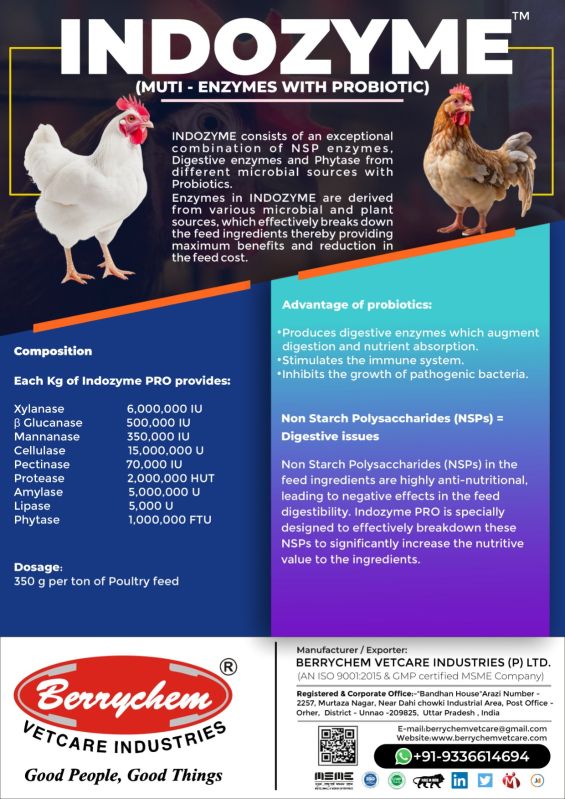
Multi-enzyme feed grade refers to a blend of various enzymes used in animal feed to improve digestibility and nutrient utilization. These enzymes are often referred to as zootechnical additives and play a crucial role in modern animal agriculture, particularly in monogastric animals like poultry and pigs. 
 
Benefits of multi-enzyme feed supplements
  • Improved nutrient utilization and digestibility: Enzymes break down complex carbohydrates, proteins, and fats into simpler forms that animals can more easily digest and absorb.
  • Reduced antinutritional factors: Some plant-based feed ingredients contain compounds like phytates and non-starch polysaccharides (NSPs) that hinder digestion. Enzymes, such as phytase and carbohydrases, help degrade these antinutritional factors, improving nutrient availability.
  • Enhanced growth performance and feed efficiency: By improving nutrient digestion and absorption, multi-enzyme supplements contribute to better feed conversion ratios, increased weight gain, and overall improved animal performance.
  • Increased flexibility in feed formulations: The use of enzymes allows for the inclusion of alternative, lower-cost feed ingredients that might otherwise be less digestible for animals.
  • Improved gut health: Some enzymes can degrade complex carbohydrates into prebiotics, promoting the growth of beneficial bacteria in the gut and improving the overall health of the animals.
  • Reduced environmental impact: Better nutrient utilization means less nitrogen and phosphorus excreted in manure, which helps minimize environmental pollution from animal agriculture. 
 
Examples of enzymes used
Commonly used enzymes in multi-enzyme feed grade supplements include: 
  • Phytase: Releases phosphorus from phytate, increasing its availability for the animal and reducing environmental phosphorus pollution.
  • Carbohydrases: Break down carbohydrates, including:

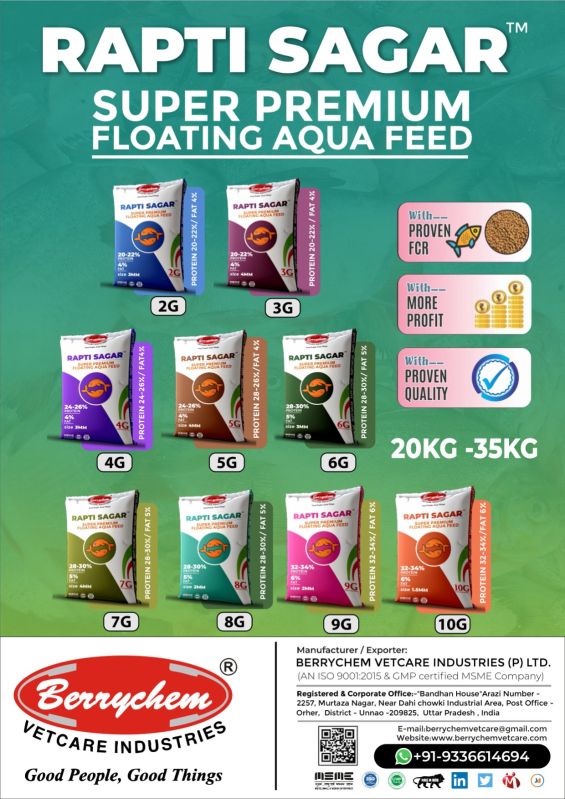
Floating Fish Feed ( Rapti Sagar Brand )

28 / Kilogram Get Latest Price
  • Min. Order (MOQ) 25000 kg
  • Feature High In Protein, Natural, Pure
  • Application FISH FEED
  • Form PALLET
  • Condition Dried
  • Cultivation Type ORGANIC
  • Brand Name RAPTI SAGAR

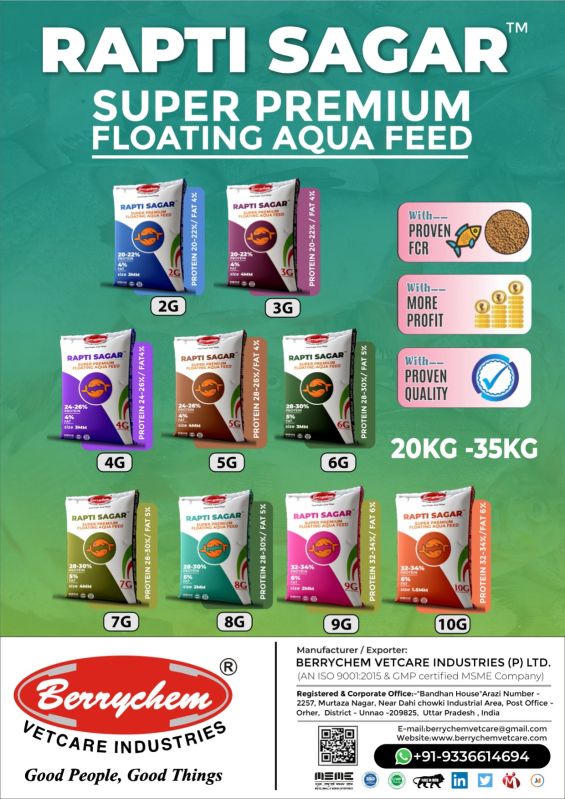
As a reputable manufacturer of fish feed and supplements, BERRYCHEM VETCARE INDUSTRIES PVT LTD upholds the highest standards, ensuring that every product aligns with both national and international regulations. Our focus on excellence extends to meeting bulk quantity demands while guaranteeing punctual deliveries. Our scientifically formulated and nutritionally balanced feed is meticulously crafted to precisely meet the nutritional needs of fish. Crafted from premium raw materials, fortified with essential vitamins, minerals, and growth promoters, the usage of HNL feed is synonymous with a commitment to achieving low Feed Conversion Ratios (FCR), superior digestibility, rapid growth, optimal health, and heightened profitability. Choose us for a reliable partner dedicated to the success of your aquaculture operation.

Feeding Guidelines:
  • Feed fish once or twice a day on the Satiation Feeding Technique as recommended by Field Technical Team
  • Feed should be given as per the average body weight of the fish and particular species. For more details, reach out to HNL technical team
  • Preferably feed the fish at the same time every day
  • Observe feeding and growth patterns & set new satiation levels periodically (Every 10th day/as advised)

Additional Information:

Payment Terms : L/C

View Complete Details

Sinking Fish Feed ( Rapti Sagar Brand)

25 / Kilogram Get Latest Price
  • Min. Order (MOQ) 25000 kg
  • Brand Name RAPTI SAGAR
  • Industrial Use AQUATIC FEED GRADE
RAPTI SAGAR Sinking fish feed is a type of aquaculture feed designed to sink quickly to the bottom of the water column, catering to the specific feeding needs of bottom-dwelling and slow-eating fish species. 
 
Characteristics of sinking fish feed
  • Higher density: Sinking feed has a greater density than water, causing it to rapidly descend.
  • Compact and less porous structure: The pellets are typically more compact with lower porosity, which aids in retaining nutrients and reduces leaching in the water.
  • Suitable for various sizes and shapes: Sinking feed can be produced in different forms to suit various fish species and life stages.
  • Nutrient dense: It often has a high protein and fat content to support the growth and development of specific fish species. 
 
Benefits of sinking fish feed
Sinking feed is ideal for bottom feeders like catfish, shrimp, and some carp, as it mimics their natural feeding habits. Its structure helps retain nutrients and reduces leaching into the water. The slower feeding pace may lead to better digestion and less overfeeding, and it also contributes to cleaner water by reducing surface waste. 
 
Types of fish that benefit from sinking feed
Bottom-dwelling fish such as catfish, carp, and shrimp benefit greatly from sinking feed. Some ornamental fish like goldfish and Koi may also be fed sinking pellets to avoid swim bladder issues. Certain pelagic species like tuna and mackerel may also utilize slow-sinking feeds. 
 

Additional Information:

Payment Terms : L/C

View Complete Details

Layer Poultry Feed ( M-FLOX Brand )

22 / Kilogram Get Latest Price
  • Min. Order (MOQ) 30000 kg
  • Feeder Type Starter
  • Usage Feed Grade
  • Packaging Size 25 Kg
  • Raw Material Soya Doc
  • Form Crumbs
  • Grade Standard Feed Grade
  • Brand Name M-FLOX
M-FLOX Layer poultry feed is specifically formulated to meet the nutritional demands of laying hens, ensuring optimal egg production and overall health. 
Here's a breakdown of layer poultry feed:
 
Types of layer feed
Layer feeds are typically categorized into different types based on the age and stage of the birds: 
  • Chick Starter Diet: Used for chicks from 0 to 6 weeks, providing high protein for rapid growth.
  • Grower Diet: Suitable for birds between 7 to 16 weeks, supporting their development.
  • Pre-Layer Diet: Given from 16 weeks until the onset of egg-laying, it prepares the hens for egg production by increasing calcium and other egg-laying related nutrients.
  • Layer Diet: Provided during the laying period (from 5% lay onwards) and contains a balanced mix of nutrients, including protein, carbohydrates, fats, vitamins, and minerals. 
 
Key nutrients
Layer feed typically includes ingredients such as: 
  • Grains (corn, wheat, barley): Provide energy.
  • Protein sources (soybean meal, fish meal): Essential for egg production.
  • Energy sources (fats and oils): Support overall health and egg production.
  • Vitamins and minerals (premixes): Crucial for strong eggshells and overall health. 
 
Importance of quality feed
Good quality feed is crucial for the health and productivity of laying hens, leading to increased egg production and improved meat yield. 
 
Feeding practices
  • Transition to layer feed when hens are around 18 weeks old, or when they start laying eggs.
  • Introduce the new feed gradually over a week to prevent digestive upset.
  • Maintain a consistent feeding routine, ideally offering free-choice layer feed twice a day (60% in the morning, 40% in the afternoon).
  • Supplementing with treats or table scraps should be limited to 10% of the hens' diet to avoid diluting the nutritional balance provided by the complete feed. 


Additional Information:

Payment Terms : L/C

Delivery Time : 10
View Complete Details

Organic Manure ( 4 Star Brand)

19 / Kilogram Get Latest Price
  • Min. Order (MOQ) 30000 kg
  • Usage/Application Agriculture
  • Target Crops Vegetables
  • Grade Industrial Grade
  • Brand Name 4 STAR BRAND
  • Packaging Size 50kg
  • Form Granules

Manures are theorganic materials derived from animal, human and plant residues which contain plant nutrients in complex organic forms. Naturally occurring or synthetic chemicals containing plant nutrients are called fertilizers.

Organic manure is composed of decomposed organic matter from plant and animal sources, providing essential nutrients for plant growth.Key components includenitrogen, phosphorus, and potassium, along with various micronutrients and organic carbon.The specific composition varies depending on the source material and decomposition process.
Here's a more detailed breakdown:
Major Nutrients:
    • Nitrogen (N):Essential for plant growth and development, particularly leaf and stem growth.
  • Phosphorus (P):Plays a crucial role in root development, flowering, and fruiting.
  • Potassium (K):Important for overall plant health, disease resistance, and water regulation.
Other Important Components:
  • Organic Matter:
    The decomposed material that provides a slow and steady release of nutrients.
  • Micronutrients:
    Includes elements like iron, zinc, copper, manganese, etc., needed in smaller quantities but still vital for plant health.
  • Carbon:
    A major component of organic matter and plays a role in soil structure and microbial activity.
  • Microbes:
    Decomposing bacteria and fungi in the manure help break down organic matter and make nutrients available to plants.
Sources of Organic Manure:
  • Farmyard manure:Decomposed animal dung and urine with bedding materials.
  • Poultry manure:High in nitrogen and phosphorus.
  • Compost:Decomposed plant and animal waste.
  • Green manure:Crops grown specifically to be incorporated into the soil.
  • Bio-slurry:A byproduct of biogas production.
  • Oil cakes:Byproducts of oilseed processing.
  • Bone meal:Derived from ground animal bones.
  • Fish meal:A protein-rich fertilizer made from fish byproducts.
Benefits of Organic Manure:
  • Improves soil structure:Increases porosity and water retention.
  • Enhances nutrient availability:Provides a slow and steady release of nutrients.
  • Promotes microbial activity:Supports beneficial soil microbes that aid in nutrient cycling.
  • Reduces reliance on synthetic fertilizers:Contributes to a more sustainable agricultural system.

Additional Information:

Payment Terms : L/C

View Complete Details

Fish Meal ( 7 Star Brand )

65 / Kilogram Get Latest Price
  • Min. Order (MOQ) 30 MT
  • Brand 7 STAR
  • Shelf Life 6months
  • Grade Feed Grade
  • Packaging Type Plastic Packets
  • Protein 60%
  • Benefits Growtable
Fish meal typically containsbetween 60% and 72% crude protein by weight.This high protein content makes it a valuable ingredient in animal feed, particularly for aquaculture and agriculture.In addition to protein, fish meal also contains other components like ash, fat, and moisture.
Here's a more detailed breakdown:
    • Protein Content:
      Fish meal generally has a protein content ranging from 60% to 72%, but some products can be as low as 50%.
      Ash Content:
  • Ash, which represents the mineral content, typically ranges from 10% to 20%.
  • Fat Content:
    Fat content in fish meal can vary, with some products containing 5% to 10% or even up to 16.6%.
  • Moisture Content:
    Moisture content is usually between 6% and 10%.
    Other Components:
  • Fish meal can also contain other nutrients like vitamins and minerals, including water-soluble B vitamins and oil-soluble vitamins A and D.
Fish MEAL

Fish mealis produced from fish and fish byproducts that have been dried and ground. Composition and degradability of the protein may vary greatly with source. Palatability problems may be encountered with high inclusion rates. The

Additional Information:

Payment Terms : L/C

Delivery Time : 10
View Complete Details

Leather Meal ( 9 Star Brand )

13 / Kilogram Get Latest Price
  • Min. Order (MOQ) 30 MT
  • Brand Name 8 STAR
  • Packaging Type Golden
  • Usage Animal Feed
  • Certification ISO 9001-2008
  • Grade Standard ANIMAL FEED & FERTILIZER
  • Packaging Type PP Bag
  • Packaging Size 50 KG
Leather meal isa byproduct of the leather industry, produced by grinding and processing leather scraps and trimmings.It's a protein-rich, slow-release nitrogen fertilizer and soil amendment, also used in some animal feed.
Here's a more detailed explanation:
Production:
  • Leather meal is created from the waste generated during the tanning process of animal hides.
  • This waste includes fleshings (the flesh side of the hide) and trimmings from shaping the leather.
  • These scraps are then ground into a fine meal or powder.
Uses:
  • Fertilizer:Leather meal is a valuable organic fertilizer due to its high protein content and slow-release nitrogen, which gradually feeds plants.
  • Soil Amendment:It improves soil structure, water retention, and drainage.
  • Animal Feed:In some cases, hydrolyzed leather meal can be used as a protein source in animal feed, especially for livestock and fowl.
Properties:
  • Appearance:Leather meal typically has an earthy appearance with a slight leather odor.
  • Composition:It contains a significant amount of organic matter, nitrogen, and chromium.
  • Nitrogen Release:The nitrogen in leather meal is released slowly, providing a sustained source of nutrients for plants.
  • Carbon-to-Nitrogen Ratio:The carbon-to-nitrogen ratio is around 4:1.
  • Chromium Content:Leather meal may contain trace amounts of chromium, typically around 2.5%.
  • IndiaMART
    Learn m

Additional Information:

Payment Terms : L/C

View Complete Details

Bone Meal ( 6 Star Brand )

22 / Kilogram Get Latest Price
  • Min. Order (MOQ) 30 MT
  • Country of Origin India
  • Packaging Type Bag
  • Shelf Life 3 Month
  • Usage AGRICULTURE
  • Packaging Size 50 Kg
  • Form Powder
  • Brand Name 6 STAR BRAND
What Is Bone Meal Powder?


Bone meal is a finely ground powder made from animal bones (typically bovine or poultry), processed via heating and grinding. It's widely used as an organic fertilizer for both agriculture and gardening

Nutrient Composition


  • Phosphorus (P): Typically around 12–22%, depending on processing. Phosphorus is essential for root growth, flowering, and energy transfer in plants

  • Nitrogen (N): Generally low or negligible in pure bone meal. Meat-and-bone meal variants may contain

Benefits of Using Bone Meal


  1. Promotes Strong Root and Flower Development: The high phosphorus content supports robust root architecture and improves flowering and fruiting in crops such as tomatoes, peppers, and root vegetables

  2. SlowRelease Nutrient Supply: Bone meal breaks down over 1 to 4 months, offering sustained phosphorus availability while minimizing nutrient leaching

Additional Information:

Payment Terms : L/C

Delivery Time : 10

View Complete Details

Pig Feed ( Rapti Sagar Brand )

28 / kilogram Get Latest Price
  • Min. Order (MOQ) 30 MT
  • Brand Name RAPTI SAGAR BRAND
  • Cultivation Type MAIZE
  • Raw Material Soya Doc
  • Certification ISO 9001-2008
  • Grade Standard Feed Grade
  • Packaging Type HDPE Bag
  • Packaging Size 50 Kg, 40 Kg

Introducing Rapti Sagar Pig Feeds

We have recently launched our Rapti Sagar Pig feed brand specializing in pig nutrition solutions. Key features include:

  • Mash Feed form for easy consumption and digestion at all pig growth stages

  • Balanced Nutrition tailored to starter, grower, and breeder requirements

  • Shelf Life of 45 days from packing; conversion time: 7 days

  • Feeding recommendation: 13% of body weight per day; mix half the feed with water and offer twice daily with forages; leave at least 8 hours between intervals

Why Partner with Us
  • Fully Certified & Trusted: ISO, GMP, IEC, Udyamcertified manufacturer

  • Extensive Reach: Delivered across 200+ cities domestically and internationally

3. Breeder or Finisher
  • Energy: 2, 4002, 500kcal/kg

  • CP: 1618% (breeders), 16% (finishers)

  • Fat: 34%

  • CF: 34%

  • Ca: 0.40.6%

  • P: 0.40.5%

Additional Information:

Payment Terms : L/C

Delivery Time : 10

View Complete Details
Tell Us What are you looking for? Will call you back

Contact Us