 GST : 27AECPT4419C1ZN
 Write a Review
Our Products
We are leaders in the market for providing best range of Non Sparking Tools, Non Sparking Slogging Ring Spanner, Non Sparking Combination Spanner, Non Sparking Adjustable Wrenches and Non Sparking Pipe Wrench
Non-sparking tools, also called spark-resistant or spark-proof tools, are specially designed to eliminate the risk of producing sparks that could ignite flammable gases, vapors, liquids, dust, or other combustible materials in hazardous environments.
What Are Non-Sparking Tools Made Of?They are typically made from non-ferrous metals, which dont contain iron and are less likely to spark. Common materials include:
| Beryllium Copper | Hard, durable, corrosion-resistant, expensive |
| Aluminum Bronze | Good corrosion resistance, good mechanical strength |
| Brass | Less durable, softer metal, lower cost |
| Copper-Nickel Alloys | High resistance to corrosion, moderate strength |
Note: While these tools reduce the risk of sparks, no tool is completely spark-proof under all conditions.
Common Types of Non-Sparking ToolsWrenches (open-end, box-end, adjustable)
Hammers (ball-peen, sledge)
Screwdrivers
Pliers
Scrapers
Chisels
Shovels
Axes
Theyre essential in hazardous (explosive) environments, such as:
Oil refineries
Chemical plants
Grain silos
Munitions factories
Underground mines
Aircraft maintenance
Gas utilities
Minimize fire and explosion risk
Resistant to corrosion
Safer for use in ATEX (explosive) zones
Always ensure tools are cleandirt or rust can cause sparks.
Avoid using these tools in magnetically sensitive areas (beryllium copper can be magnetic).
Inspect regularlynon-sparking tools are softer and wear faster than steel tools.
Use the correct PPE (personal protective equipment) even with non-sparking tools.
If you need help choosing a tool for a specific environment or job, I can help narrow it down.

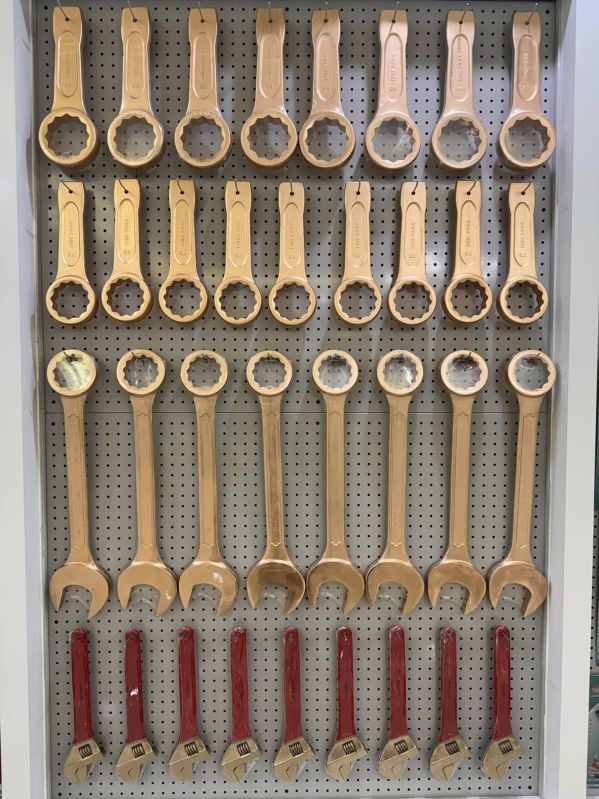
They are heavy duty drop forged ring slugging spanner specially designed for very heavy duty work. They are durable striking end gives extra utility while tightening and loosening with hammer. These are provided in different specification.
General Applications:

Non-Sparking Combination SpannerDescription and Features
Overview: A non-sparking combination spanner is a specialized tool designed for use in environments where flammable gases or liquids are present. These spanners combine the functionalities of both an open-end and a box-end wrench, made from materials that do not produce sparks, ensuring safety in hazardous locations.
Key Features:
1. Dual-End Design:
2. Non-Sparking Materials:
3. Size Range:
4. Design Features:
5. Corrosion Resistance:
Detailed Information
1. Material Properties:
2. Design Variations:
3. Safety and Compliance:
4. Advantages:
5. Maintenance Tips:
6. Usage Tips:

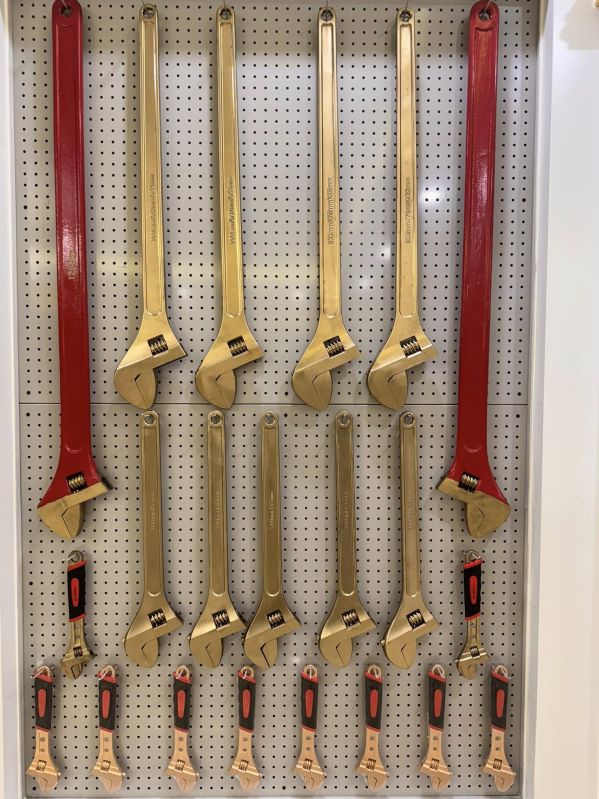
A non-sparking adjustable wrench is a specialized tool designed to reduce the risk of sparks in environments where flammable or explosive materials may be present. It is commonly used in industries such as oil and gas, chemical plants, mining, and other potentially hazardous areas.
The non-sparking aspect of the wrench is achieved by using materials that do not produce sparks when struck or rubbed against each other. These materials are typically made from non-ferrous alloys such as aluminum bronze or beryllium copper. These alloys have low sparking characteristics and are able to withstand the rigors of mechanical work.
When selecting a non-sparking adjustable wrench, it is important to consider the specific requirements of your work environment. Look for wrenches that are certified as non-sparking or intrinsically safe by reputable standards organizations such as ATEX or FM Approvals. These certifications ensure that the tools meet the necessary safety standards for use in potentially explosive atmospheres.
It's worth noting that non-sparking tools are typically more expensive than their traditional counterparts due to the specialized materials used in their construction. However, the added safety they provide in hazardous environments makes them essential tools for certain industries.
Certainly! Here are some additional details about non-sparking adjustable wrenches:
Usage: Non-sparking adjustable wrenches are used for tasks that require adjustable gripping and turning of nuts, bolts, and other fasteners. They offer the versatility of an adjustable jaw, allowing the tool to fit different sizes of fasteners.
Non-Magnetic: In addition to being non-sparking, these wrenches are also non-magnetic. This property makes them suitable for use in environments where magnetic materials can interfere with sensitive equipment or processes.
Material Options: Non-sparking adjustable wrenches are typically made from two primary alloys:
Aluminum Bronze: This alloy is composed of aluminum and copper, with small additions of nickel and iron. It offers excellent non-sparking properties and good resistance to corrosion, making it suitable for a wide range of applications.
Beryllium Copper: This alloy contains copper with a small percentage of beryllium, which provides high strength and hardness. Beryllium copper tools are more expensive but offer superior non-sparking characteristics and resistance to corrosion.
Size Range: Non-sparking adjustable wrenches are available in various sizes to accommodate different applications. They typically have a wide jaw opening range, allowing them to handle a variety of fastener sizes within a specific range.
Safety Considerations: While non-sparking tools are designed to minimize the risk of sparks, it's important to follow proper safety protocols when working in potentially explosive atmospheres. This includes adhering to safety guidelines, using appropriate personal protective equipment, and maintaining a clean and safe working environment.
It's crucial to select non-sparking tools that meet the specific safety requirements and standards of your industry or work environment. Always refer to the manufacturer's instructions and guidelines for proper usage, maintenance, and storage of non-sparking adjustable wrenches.

Pipe Wrench can be used for personal, domestic, and industrial purposes. The 600 mm Pipe Wrench comprises a malleable cast iron body that is very hard and good in quality. Pipe Wrench has a very good design to improve the productivity and usage of the tool. The Pipe Wrench has two jaws to get a nice and firm grip. The Pipe Wrench has hook and heel jaws. Pipe Wrench is mostly used for threading the pipes. The Wrench is mainly used for gripping, fastening, loosening, etc.

We are engaged in offering a wide range of Aluminium Bronze Flat Chisel to our clients. Our range of all products is widely appreciated by our clientsNote:-

A non-sparking bung wrench is a specialized tool designed to loosen or tighten bungs on barrels, drums, or other containers. It is specifically designed for use in environments where flammable or explosive materials may be present, such as oil refineries, chemical plants, or hazardous waste facilities. The non-sparking feature of the bung wrench helps to minimize the risk of sparks and potential ignition in such hazardous environments.
Here are some key points about non-sparking bung wrenches:
Usage: Bung wrenches are used to open or close the bungs (plugs) that seal the openings of barrels, drums, or other containers. These containers often hold liquids or hazardous materials. Bung wrenches are designed to provide leverage and grip for turning the bungs securely.
Non-Sparking Properties: Non-sparking bung wrenches are made from non-ferrous alloys, such as aluminum bronze or beryllium copper, which have low sparking characteristics. These materials reduce the risk of sparks occurring when the wrench comes into contact with other surfaces, which could potentially ignite flammable substances.
Design Features: Non-sparking bung wrenches typically have a socket or hook-shaped end that fits over the bung, allowing for a secure grip. The wrench may have a long handle to provide leverage or a shorter handle for better maneuverability in tight spaces.
Material Options: Non-sparking bung wrenches are usually made from non-ferrous alloys like aluminum bronze or beryllium copper. These alloys offer excellent non-sparking properties and resistance to corrosion, ensuring the durability and longevity of the wrench.
Size and Compatibility: Bung wrenches come in various sizes to match different bung sizes and types. It's important to select the right size of wrench that matches the specific bungs you will be working with.
Safety Considerations: While non-sparking bung wrenches significantly reduce the risk of sparks, it's important to follow proper safety protocols when using them. Always ensure the work area is free from flammable or explosive materials, and wear appropriate personal protective equipment (PPE) such as gloves and eye protection. It's also important to handle the wrench with care to avoid any accidental damage or misuse.
When selecting a non-sparking bung wrench, look for reputable manufacturers and ensure that the wrench meets recognized safety standards for use in potentially explosive atmospheres.
Always consult the manufacturer's instructions and guidelines for specific details regarding the use, maintenance, and storage of non-sparking bung wrenches to ensure their safe and effective use in your particular industry or work environment.
Types of Bungs: Non-sparking bung wrenches are designed to work with different types of bungs or plugs commonly found on barrels, drums, or containers. These can include hexagonal or square-shaped bungs, as well as various types of threaded or non-threaded closures. It's important to choose a bung wrench that matches the specific type of bung you will be working with.
Adjustable Design: Some non-sparking bung wrenches feature an adjustable design, allowing them to accommodate a range of bung sizes. These adjustable wrenches typically have a sliding or rotating mechanism that allows the jaws to be positioned at different widths. This versatility makes them suitable for use with various sizes of bungs.
Grip and Leverage: Non-sparking bung wrenches are designed to provide a secure grip on bungs, ensuring efficient loosening or tightening. Many wrenches feature textured or grooved surfaces on the jaws to enhance grip. Some wrenches also have a longer handle or leverage-enhancing features to make it easier to apply the necessary force for turning stubborn

A non-sparking tool kit set is essential in environments where flammable gases, vapors, or liquids are present, as they reduce the risk of sparks that could ignite these substances. Here are some common tools you might find in such a set:
Non-Sparking Wrenches: Spanners and wrenches made of materials like beryllium copper or aluminum bronze, which are designed not to produce sparks.
Non-Sparking Hammers: Typically made from brass, copper, or other non-ferrous metals to prevent sparks during striking.
Non-Sparking Screwdrivers: Made with non-ferrous alloys to avoid sparking when in contact with metal components.
Non-Sparking Pliers: Pliers made from non-sparking materials for gripping and manipulating objects safely.
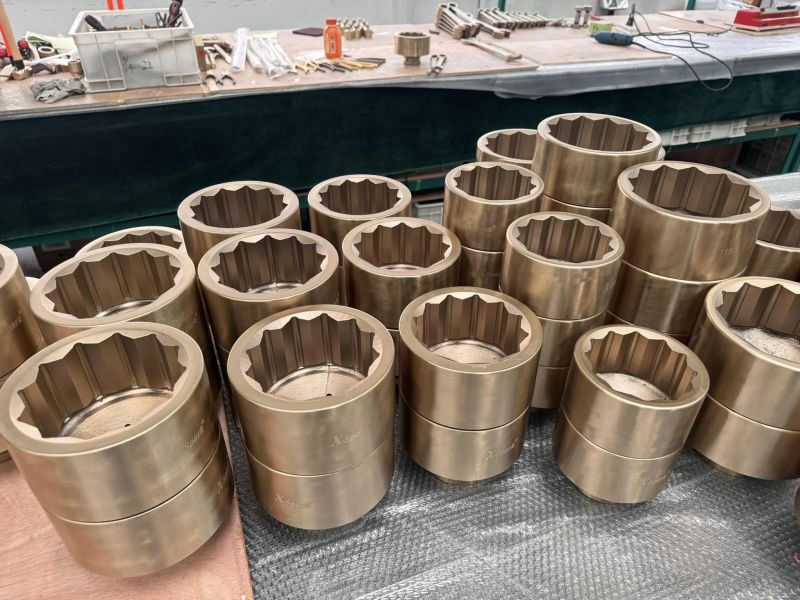
Non-Sparking Sockets and Socket Sets: Used for turning nuts and bolts without the risk of creating sparks.
Non-Sparking Cutting Tools: Such as knives or shears made from non-ferrous alloys.
Non-Sparking Chisels and Punches: Tools used for cutting, shaping, and marking without generating sparks.
Tool Storage Case: A sturdy and secure case to store and transport the tools safely.
When purchasing a non-sparking tool kit set, ensure it complies with relevant safety standards (e.g., ATEX, FM Global) and is appropriate for the specific hazardous environment where it will be used. These tools are commonly used in industries such as oil and gas, chemical processing, aerospace, and mining where explosive atmospheres may be present.

A brass hammer sledge, also known as a brass sledgehammer, is a heavy-duty striking tool commonly used in construction, demolition, and metalworking applications. The weight of the hammer is an important factor, and the size you mentioned, ranging from 4 lbs to 20 lbs, indicates different options for various tasks. Here's a brief overview:
4 lbs Brass Sledgehammer:
Lighter and more manageable for tasks that require precision and control.
Suitable for lighter demolition work or when working in confined spaces.
8 lbs Brass Sledgehammer:
A versatile size suitable for a range of applications.
Good balance between power and control.
12 lbs Brass Sledgehammer:
Increased striking force, suitable for heavier demolition work.
Commonly used in construction and metalworking.
16 lbs to 20 lbs Brass Sledgehammer:
Heavy-duty options for demanding tasks.
Ideal for tasks that require significant force, such as breaking up concrete or driving large stakes.
When using a brass sledgehammer, it's essential to follow safety guidelines, including wearing appropriate personal protective equipment (PPE) such as safety glasses and gloves. Additionally, consider the type of surface you are striking to avoid damaging it and ensure the hammer is appropriate for the specific task at hand.
Always choose a hammer size that matches the requirements of your job to ensure efficient and safe use. If you have a specific task or application in mind, it would be helpful to provide more details for a more tailored recommendation. Material:
Brass sledgehammers typically have heads made of brass, which is a non-ferrous metal. Brass is chosen for its non-sparking properties, making it safer to use in environments where there may be flammable materials or explosive atmospheres. Additionally, brass is less likely to cause damage to softer surfaces compared to steel hammers.
Handle:The handle of a brass sledgehammer is usually made of wood, fiberglass, or a composite material. The handle is designed to provide a comfortable grip and absorb some of the shock generated during impact. Handles can vary in length, and the choice of material depends on factors such as personal preference and the specific demands of the job.
Applications:
Brass sledgehammers are versatile tools used in various industries and applications, including:
Demolition: Breaking down walls, concrete, or other structures.
Metalworking: Shaping or forming metal pieces. Construction: Driving stakes, breaking up concrete, or other heavy-duty tasks.
Mining: Breaking rocks and other materials.
Emergency Response: Used in situations where sparks could be dangerous, such as in rescue operations involving flammable materials.
Safety Tips:
When using a brass sledgehammer, here are some safety tips to keep in mind:
Personal Protective Equipment (PPE): Wear appropriate safety gear, including safety glasses, gloves, and sturdy footwear.
Proper Technique: Use proper striking techniques to maximize efficiency and reduce the risk of injury.
Surface Considerations: Be mindful of the surface you are striking to avoid damage or rebound.
Tool Maintenance: Regularly inspect the hammer for any signs of wear or damage, and replace it if necessary.

Non-sparking tools are made of materials that are non-ferrous and therefore reduce the risk of a spark being created while the tool is in use. Non-sparking tools protect against both fire and explosion in environment that may contain flammable solvents/liquids, flammable vapors, or flammable dusts or residues. When working in confined spaces and areas where flammable gases or dust are present, using a non sparking tool is the best practice in many cases.
Applications:
A non-sparking double open end spanner, also known as a non-sparking double-ended wrench, is a hand tool designed for use in potentially explosive or flammable environments. Similar to other non-sparking tools, it is specifically constructed to minimize the risk of sparks that could ignite gases, vapors, or dust.
These spanners are commonly used in industries such as oil and gas, chemical, and mining, where the presence of hazardous substances necessitates the use of non-sparking tools to ensure safety.
A non-sparking double open end spanner has a symmetrical design with two open ends. Each end has a U-shaped opening that corresponds to specific nut or bolt sizes. The spanner is used to tighten or loosen fasteners by fitting the appropriate end over the nut or bolt head.
To prevent sparks, non-sparking double open end spanners are typically made from materials such as copper alloys, aluminum bronze, or beryllium copper. These materials have low sparking potential and are non-magnetic, making them suitable for use in hazardous environments.
When working in potentially explosive atmospheres, it is crucial to adhere to safety guidelines and regulations specific to your industry. Always use the appropriate non-sparking tools to mitigate the risk of sparks and ensure a safe working environment.
Certainly! Here are some additional details about non-sparking double open end spanners:
Non-Sparking Materials: Non-sparking double open end spanners are typically made from alloys that do not produce sparks when struck against each other or other surfaces. Common materials used include copper alloys (such as brass or bronze), aluminum bronze, or beryllium copper. These materials have low friction and are resistant to sparking, even in high-friction applications.
Dual-Ended Design: Non-sparking double open end spanners have two open ends, each with a U-shaped opening. The size of the openings corresponds to specific nut or bolt sizes, allowing the spanner to fit different fasteners. The double-ended design provides versatility and eliminates the need for multiple single-ended spanners.
Anti-Magnetic Properties: Non-sparking tools, including double open end spanners, are typically non-magnetic. This feature is important in certain industries where magnetic tools can interfere with sensitive equipment or create hazards.
Corrosion Resistance: Many non-sparking spanners are designed to be corrosion-resistant, as they are often used in challenging environments. This helps to prolong their lifespan and ensures they remain effective even in harsh conditions.
Industry Applications: Non-sparking double open end spanners are commonly used in industries where flammable or explosive materials are present, such as oil refineries, chemical plants, mining operations, and shipbuilding. They are essential for maintenance, repair, and assembly tasks in these environments, where safety is paramount.
Safety Considerations: When working with non-sparking tools, it is important to follow safety guidelines and regulations specific to your industry. Additionally, it is crucial to inspect the spanners regularly for any signs of wear or damage and replace them if necessary.

Non-sparking tools are made of materials that are non-ferrous and therefore reduce the risk of a spark being created while the tool is in use. Non-sparking tools protect against both fire and explosion in environment that may contain flammable solvents/liquids, flammable vapors, or flammable dusts or residues. When working in confined spaces and areas where flammable gases or dust are present, using a non sparking tool is the best practice in many cases.

A copper sledge hammer with a fiberglass handle is a specialized tool designed for heavy-duty striking and demolition tasks. Here are the key features and benefits of such a tool:
Copper Head: The head of the sledge hammer is made from copper. Copper is chosen for its high density, which provides substantial weight for powerful strikes. It also has softer striking characteristics compared to steel, making it less likely to spark or cause damage to the struck surface.
Sledge Hammer Design: Sledge hammers have large, flat heads designed to deliver powerful blows over a wide area. This design is ideal for tasks such as driving stakes, breaking concrete or rock, and demolition work.
Fiberglass Handle: The handle of the hammer is made from fiberglass. Fiberglass handles are known for their lightweight properties, which reduce user fatigue during prolonged use. They also offer excellent shock absorption, dampening vibrations from each strike and improving comfort.
Durability: Copper is resistant to corrosion and rust, ensuring the hammer's longevity even in tough environments. Fiberglass handles are also durable and resistant to weathering, chemicals, and splintering, making them suitable for heavy-duty use.
Safety: The combination of a copper head (which reduces sparking) and a fiberglass handle (which dampens vibrations) enhances safety during use. This is particularly important in environments where sparks could pose a fire hazard or where prolonged hammering could cause strain injuries.
Versatility: While primarily used in construction and demolition, a copper sledge hammer with a fiberglass handle can also find applications in agriculture, landscaping, and maintenance tasks where heavy impact is required.
Maintenance: Copper heads generally require minimal maintenance beyond occasional cleaning and lubrication. Fiberglass handles are easy to clean and maintain, ensuring the hammer remains in good condition over its lifespan.
Size and Weight Options: These hammers come in various sizes and weights to suit different user preferences and specific job requirements. Larger sizes provide more striking force but may be heavier and more tiring to use over extended periods.
Overall, a copper sledge hammer with a fiberglass handle combines the strength and durability of copper with the lightweight, shock-absorbing properties of fiberglass. It's an essential tool for heavy-duty tasks where powerful striking force and safety are paramount.
 Mr. Yusuf Tinwala (Best Hardware)
 10, Tarwala Building, Stable Street Nagpada, Mumbai, Maharashtra - 400003
 https://www.besttools.in
 Share us via