



 999 - 9,999 / Piece
Company Information
 Member Since 4 Years
 Nature of Business Exporter
 GST No. 27**********ZN
Ask for more detail from the seller
Contact Supplier
Non-sparking tools, also called spark-resistant or spark-proof tools, are specially designed to eliminate the risk of producing sparks that could ignite flammable gases, vapors, liquids, dust, or other combustible materials in hazardous environments.
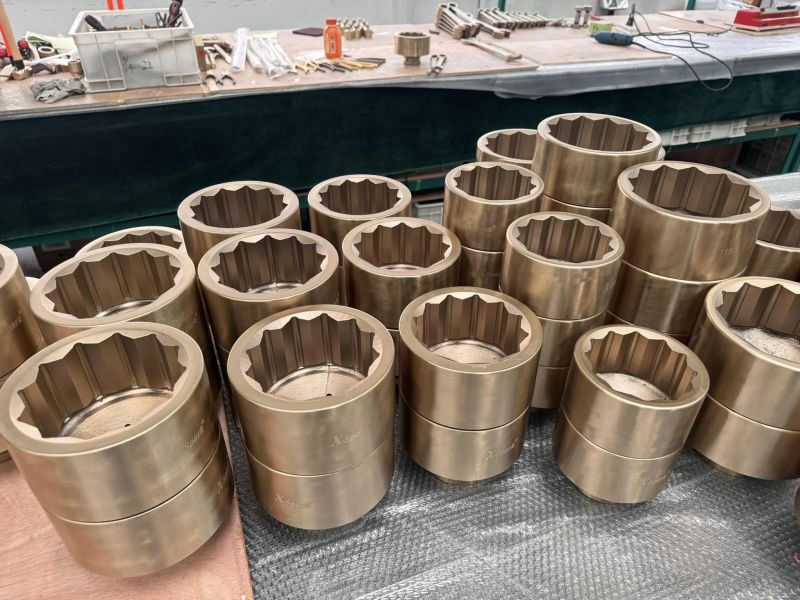
🔧 What Are Non-Sparking Tools Made Of?They are typically made from non-ferrous metals, which don’t contain iron and are less likely to spark. Common materials include:
| Beryllium Copper | Hard, durable, corrosion-resistant, expensive |
| Aluminum Bronze | Good corrosion resistance, good mechanical strength |
| Brass | Less durable, softer metal, lower cost |
| Copper-Nickel Alloys | High resistance to corrosion, moderate strength |
⚠️ Note: While these tools reduce the risk of sparks, no tool is completely spark-proof under all conditions.
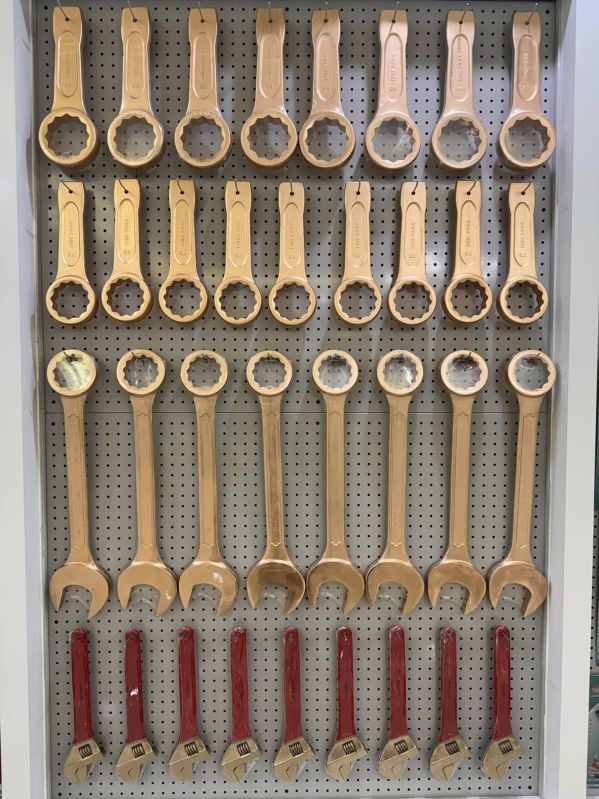
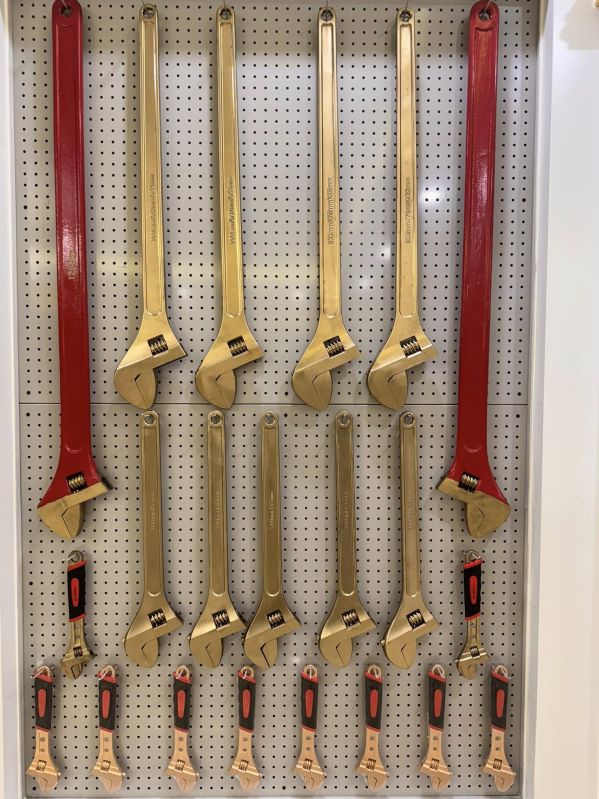
🛠️ Common Types of Non-Sparking ToolsWrenches (open-end, box-end, adjustable)
Hammers (ball-peen, sledge)
Screwdrivers
Pliers
Scrapers
Chisels
Shovels
Axes
They’re essential in hazardous (explosive) environments, such as:
Oil refineries
Chemical plants
Grain silos
Munitions factories
Underground mines
Aircraft maintenance
Gas utilities
Minimize fire and explosion risk
Resistant to corrosion
Safer for use in ATEX (explosive) zones
Always ensure tools are clean—dirt or rust can cause sparks.
Avoid using these tools in magnetically sensitive areas (beryllium copper can be magnetic).
Inspect regularly—non-sparking tools are softer and wear faster than steel tools.
Use the correct PPE (personal protective equipment) even with non-sparking tools.
If you need help choosing a tool for a specific environment or job, I can help narrow it down.



Connect with us





 For Buyer
  For Seller
  Help
Help 

 Mumbai, Maharashtra
 Send Enquiry