 buea, Cameroon
 Write a Review
Our Products
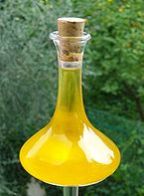
Our product range contains a wide range of Plant Oils
Additional Information:
Payment Terms : Western Union,
Packaging Details : Vegetable oil" redirects here. For other uses, see Vegetable oil (disambiguation).
Plant oils
Olive oil from Oneglia.jpg
Olive oil
Types
Vegetable fats (list)
Macerated (list)
Uses
Drying oil - Oil paint
Cooking oil
Fuel - Biodiesel
Components
Saturated fat
Monounsaturated fat
Polyunsaturated fat
Trans fat
Vegetable fats and oils are lipid materials derived from plants. Physically, oils are liquid at room temperature, and fats are solid. Chemically, both fats and oils are composed of triglycerides, as contrasted with waxes which lack glycerin in their structure. Although many plant parts may yield oil, [1] in commercial practice, oil is extracted primarily from seeds.
The melting temperature distinction between oils and fats is imprecise, since definitions of room temperature vary, and typically natural oils have a melting range instead of a single melting point since natural oils are not chemically homogeneous. Although thought of as esters of glycerin and a varying blend of fatty acids, fats and oils also typically contain free fatty acids, monoglycerides and diglycerides, and unsaponifiable lipids.
Vegetable fats and oils may or may not be edible. Examples of inedible vegetable fats and oils include processed linseed oil, tung oil, and castor oil used in lubricants, paints, cosmetics, pharmaceuticals, and other industrial applications.
Delivery Time : ONE WEEK ONLY
 Frank Fedenard (Frank Fedenard)Frankfedenard, buea - 257, Cameroon
 Share us via